Can Trap-Neuter-Return Solve the Feral Cat Crisis?


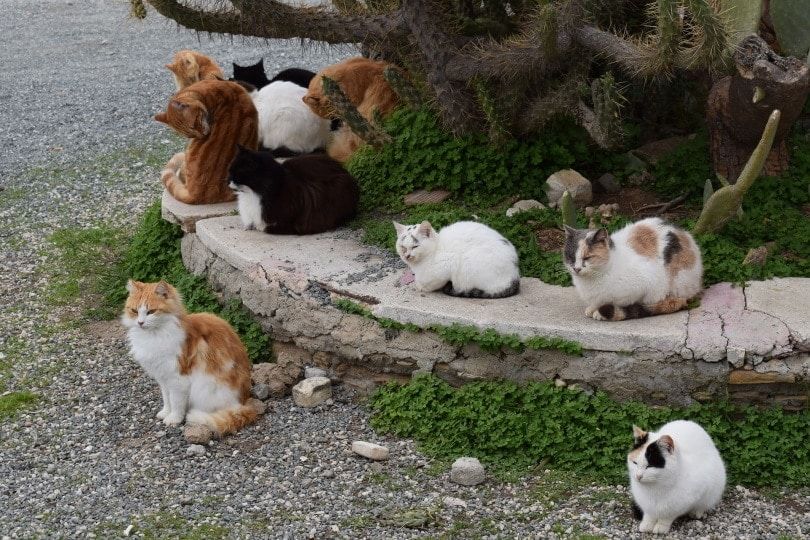
Trap-neuter-return, better known as TNR, is one of the main ways communities try to manage feral cat populations. The idea is relatively simple: instead of removing cats born outdoors or those that have reverted to a semi-wild state, cats are trapped, sterilized, vaccinated, and returned to the place where they were found.
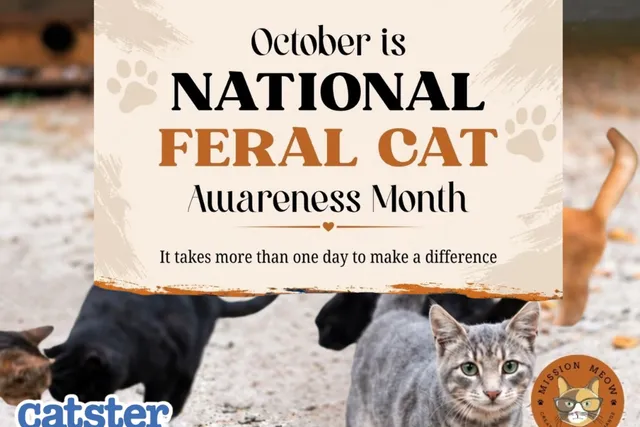
But TNR is also the subject of an ongoing debate over animal welfare, wildlife impact, and public health. With a push to make October Feral Cat Awareness Month, and National Feral Cat Day coming up on October 16th, we thought it would be time to look at this in more detail.
What Is TNR?
The scale of the problem helps explain why TNR has become so widely used. Roughly 3.3 million cats enter US shelters each year, while the feral cat population has been estimated at as many as 100 million nationwide. With unspayed females capable of producing one to two litters a year, and uncastrated males able to father an immeasurable number of litters in their lifetime, sterilization is essential to stopping the cycle.
In the past, dealing with increasing feral cat numbers meant eradication. Not only is culling cats cruel, but it has also been proven, time and time again, to be ineffective, with new cats migrating into the area to fill the void left by those who have been removed or destroyed.
By sterilizing cats in a feral colony, population control happens gradually. There is less fighting, less roaming, and less disease spread. Populations naturally dwindle as the number of fertile cats is reduced.
How TNR Works
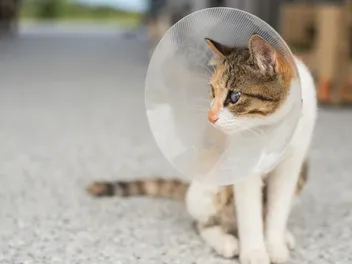
A feral cat is humanely trapped, examined, vaccinated, and neutered before being marked with a small notch in its ear. The cat is then returned outdoors rather than placed for adoption, since genuinely unsocialized cats are often unlikely to adapt to life as pets.
Anyone considering TNR should ideally start by contacting a local shelter or TNR organization. Experienced volunteers may be able to handle the process themselves and will also know the local rules governing trapping and release.
For those doing it independently, a proper humane trap is essential, as is a legal location where there is a genuine concentration of cats. Local regulations vary, so checking with animal control or a wildlife agency beforehand is important.
Once baited, usually with wet cat food, traps need to be checked at least every 12 hours. Other animals, including raccoons, can sometimes be caught accidentally, and different rules may apply to releasing them. Cats should remain inside the trap during transport, and veterinary care needs to be arranged beforehand because not every clinic treats feral cats.

The Case For TNR
The basic argument for TNR is that sterilizing cats prevents them from producing more kittens. Over time, that can reduce the size of a colony and the number of feral cats entering shelters.
That matters for shelters already dealing with large numbers of animals. Fewer feral cats arriving can leave more resources available for cats and other animals that are suitable for adoption.
TNR also offers an alternative to simply removing cats from an area, something that can be difficult when dealing with large outdoor populations.
The Case Against TNR
Some research has questioned whether TNR consistently reduces feral cat populations, since new cats can be introduced into established colonies and abandoned cats can add to the numbers. Tracking colonies accurately is also notoriously difficult.
Only an estimated 2 percent of feral cats are currently sterilized, compared with roughly 85 percent of owned pets, highlighting how much of the population remains outside the reach of traditional veterinary care.
Animal welfare groups, including PETA, argue that returning feral cats outdoors can amount to abandonment. However, in established feral cat colonies, relatively few can adapt to life in a home, but for those that can, rehoming is always the preferred option.
Public health is another concern. Maintaining vaccinations and preventive health across an unowned population can be extremely challenging. One study found that 92 percent of captured feral cats carried fleas. Feral cats have also been associated with typhus, plague, internal parasites, and toxoplasmosis, and, at roughly six times the rate of dogs, they are the domestic animal most frequently diagnosed with rabies in the US.

The Wildlife Question
Perhaps the most contentious part of the TNR debate concerns wildlife.
The American Bird Conservancy has linked cats to the extinction of 40 bird species, 21 mammals, and two reptiles. Hundreds of additional species are affected by feral and outdoor cats more broadly.
Sterilization prevents reproduction, but it does not remove a cat's instinct to hunt, and a neutered cat can still kill birds, mammals, and reptiles, making population control only one part of the wider environmental debate.
Some evidence suggests that keeping cats well-fed with a high-protein diet may reduce their prey drive; however, this requires continued management of the colony.
Is TNR the Solution?
Few researchers argue that TNR alone can solve the feral cat problem. Even supporters generally see it as one part of a broader approach that includes sterilizing owned pets and reducing the number of cats entering the outdoor population in the first place.
At the same time, critics point to the potential consequences for wildlife, public health, and the cats themselves.
That leaves TNR in an awkward position. It can reduce reproduction without necessarily eliminating the wider problems associated with free-roaming cats, but whether it is the most ethical approach ultimately depends on how the competing welfare concerns involving cats, wildlife, and people are weighed.
Ultimately, feral cats are a human-created problem, and it is up to us to work towards a solution. TNR may not be the only answer, but it has, in many cases, proven to be a humane and effective way to control feral cat populations.
#FeralCatAwarenessMonth
Featured Image Credit: Dimitris Vetsikas, Pixabay
Did You Know?
- Our brand-new posts are rounded up and included in our weekly emails. Don't miss out on the latest - sign up for our newsletter below!
Expert cat care, straight to your inbox
News, insights, and useful advice, delivered to you.

No spam — unsubscribe anytime.
By signing up, you agree to our Terms & Conditions and Privacy & Cookies Policy.
How useful was this post?
Click a star to rate. You can leave written feedback afterwards. (We read all feedback.)
Dan has been working in the pet world for over 4 years covering cats, dogs, and all other pets in between. He loves helping pet parents keep their companions happy, healthy, and of course, totally spoiled! Originally from London, Dan now travels and works remotely, which unfortunately means no pets at home, but it gives him plenty of opportunities to fuss over other people's furry friends.