Diagnosing a Ghost – The Mysterious Feline Disease Whose Signs Appear & Disappear

Waxing and waning signs, vague symptoms that come and go. A cat that is on death’s door one moment, running around the next. Detecting illness in cats can be difficult enough, but when the body starts attacking itself, diagnosis becomes even more of a challenge.
In an autoimmune disease, a cat’s immune system malfunctions and begins attacking the body it is meant to protect. Fortunately, autoimmune disease is relatively uncommon in cats, but it can be serious and difficult to diagnose and treat. Because the signs tend to be vague and can come and go, they are easy to overlook, which makes it worth knowing what to watch for and when to involve a vet.
When The Body’s Defence System Turns on Itself
A healthy immune system protects the body from germs such as viruses and bacteria by sending out specialized cells to locate and destroy them. It also helps clear away damaged or diseased cells. These immune cells use protein signals on the surface of the body’s own cells to recognize them as safe. In autoimmune disease, a signaling error causes the immune system to treat the cat’s own cells as a threat, and healthy, working tissue gets attacked and destroyed.
Cats can develop these problems much as people do. They can affect any part of the body, including the internal organs, blood, and skin, and there are many different types. Some can be life-threatening, weakening the body’s natural defenses while also damaging healthy tissue.

Why The Signs Are So Easy To Miss
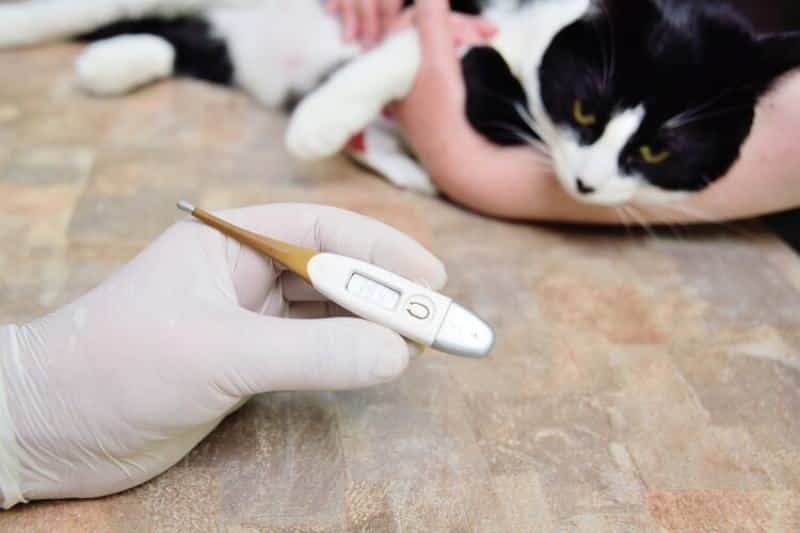
The part of the body under attack determines which signs appear, so the picture varies dramatically from one cat to the next. Signs are often general and not immediately linked to an autoimmune problem. Possible signs include lethargy, weakness, decreased appetite, weight loss, vomiting, diarrhea, and other changes to the feces. Other signs include pale gums, unexplained bleeding, bruising, a high temperature, a faster heart rate, rapid breathing, and tiring easily during play. Limping, swollen joints, sores on the skin, a poor coat, increased thirst, increased urination, and collapse are also on the list.
Many of these signs come and go. A cat may seem completely fine one day and be struggling the next. Any of these signs are a reason to contact a vet promptly, since starting investigations early makes a real difference.
What May Trigger It
The problem starts with the cat’s own immune system, which is part of what makes it so hard to manage. The exact triggers are not fully understood, and more research is needed. An immune-mediated condition can be triggered when the immune system is stimulated. Viral infections, vaccination, medications, inherited conditions, and hormones have all been linked to autoimmune disease. Where things get tricky is that the incident that triggered the disease is not usually the cause of the disease. That means that the same type of autoimmune disease can be triggered by different things in different individuals.
Some of these conditions can be passed down, and other possible contributors include poor nutrition, toxins, cancer, and stress. A cat diagnosed with an autoimmune disease considered hereditary should not be bred under any circumstances.

How Vets Reach A Diagnosis
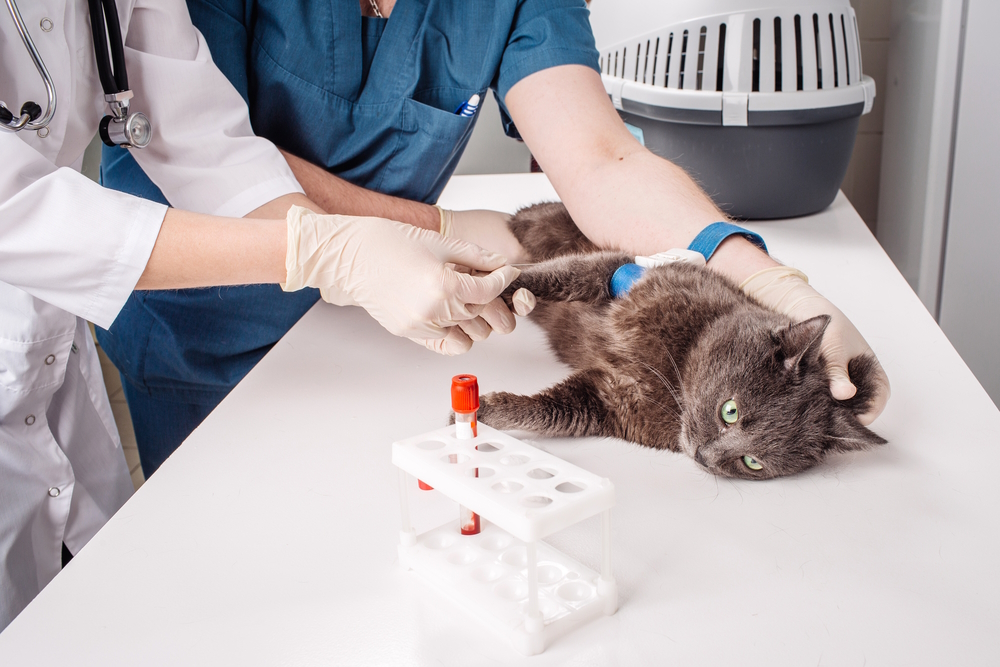
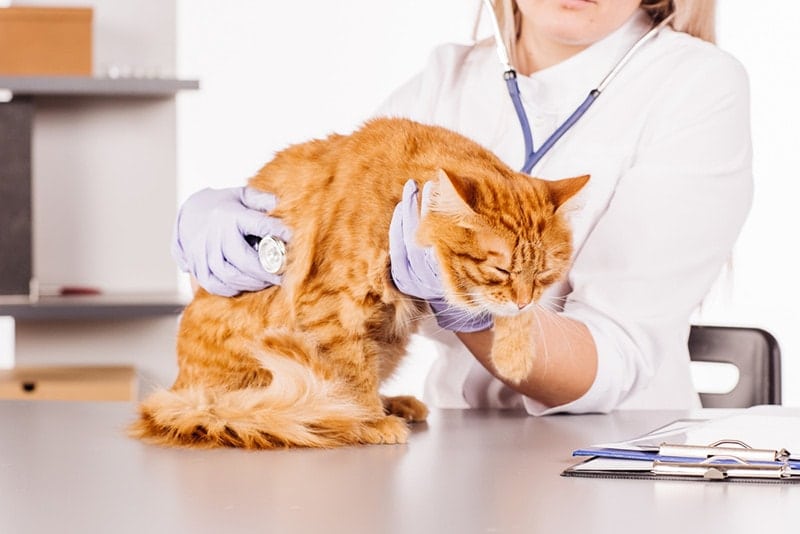
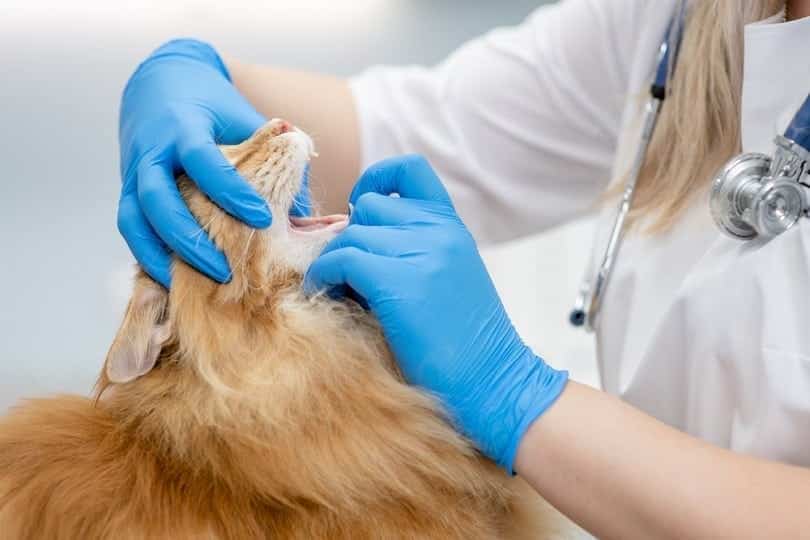
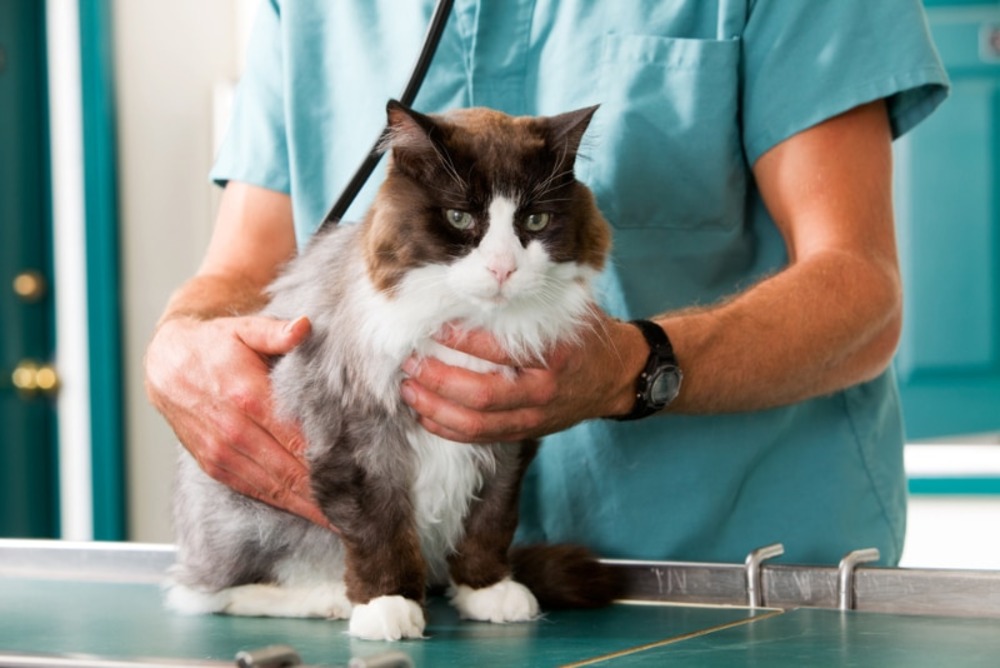
Diagnosis is often a process of elimination. More common causes of the same signs are investigated and ruled out first, which can mean lots of tests. A vet will start with a full physical exam and a detailed history, then choose tests to fit the signs. These may include blood and urine tests, X-rays, or an ultrasound scan. Samples may also be taken from wounds, rashes, or other affected areas. Prompt diagnosis is important for effective management.
Treatment And Day-to-day Care
Treatment depends on the type of autoimmune disease, what part of the body is affected, and what is behind it, so it varies greatly. The usual approach is medication that calms the immune system so it stops attacking the body, most often corticosteroids like prednisone or dexamethasone. A large starting dose is often given, and once the signs settle down, the dose is lowered gradually.
Sometimes, stronger immunosuppressive drugs are also used. Some of them are also used in cancer treatment, and the side effects tend to be more severe. The trouble with treating an immune-mediated disease is that we are using medication to suppress the immune system, and that leaves the patient more susceptible to infection and other diseases.
Even more challenging when treating feline autoimmune disease is that some of the medications used to treat dogs or humans are toxic to cats.

Supportive care matters just as much. Pain relief is often needed, but many commonly prescribed anti-inflammatory painkillers cannot be given alongside steroids. Stronger painkillers like opioids or gabapentin may be used to manage severe pain, and these come with their own side effects. Antibiotics may also be prescribed, either prophylactically if extremely high doses of immunosuppressive medications are being used, or if secondary infections develop.
For cats with immune-mediated hemolytic anemia (IMHA), where the immune system is attacking and destroying red blood cells, or immune-mediated thrombocytopenia (IMTP) where platelets are being destroyed, blood or plasma transfusions may be needed to save a cat’s life.
Lifestyle changes can help too. A cat with painful, swollen joints, for example, benefits from losing weight if overweight, and lower sides on litter trays and softer beds make life more comfortable. Each case is assessed individually.
The Most Common Types
One of the more common autoimmune diseases in cats is known as Eosinophilic Granuloma Complex, a group of idiopathic conditions that are currently quite poorly understood. The exact cause of the disease is unknown; however, parasites, allergies, and genetic factors have been identified as likely triggers.
There are three main clinical presentations of eosinophilic granuloma complex:
Ulcerative: Also known as indolent ulcers or rodent ulcers, this form of eosinophilic granuloma complex usually presents with a sore on the cat's mouth. It is typically seen on the upper lip. They are normally red in color and do not appear to cause your cat any pain or irritation.
Plaque-forming: often found on the stomach and on the inside of the hind legs. The lesions are often itchy and red and often become infected, which complicates matters.
Granuloma forming: usually presents as raised pink or yellow nodules that can be located anywhere on your cat.
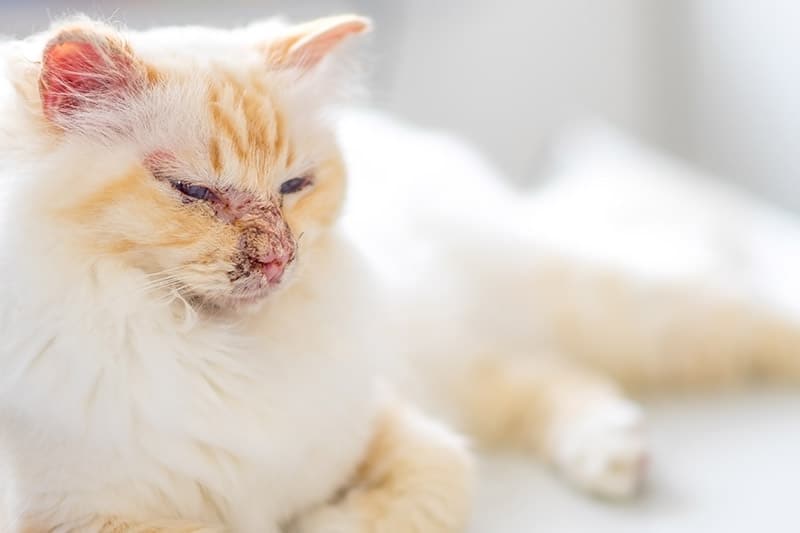
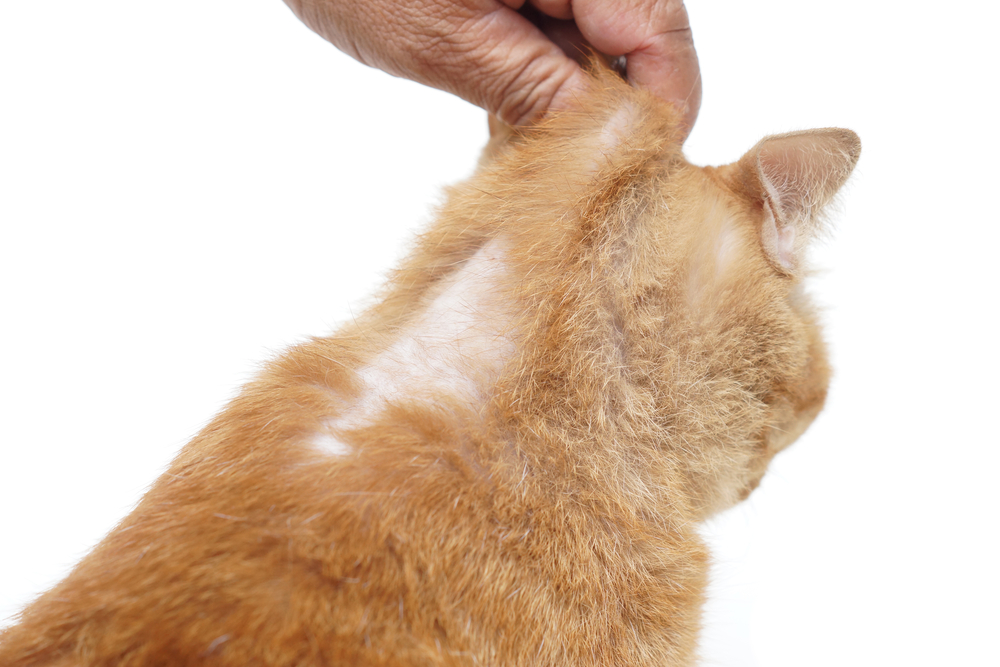
Another more common feline immune-mediated disease is called pemphigus foliaceus. It affects the skin, causing scabs, crusts, and sores around the eyes and ears, on the paws, and in the groin area. When it develops on the paws, the nail beds can be affected as well.
The Outlook
There is no cure for autoimmune disease, but effective treatment and management can control the signs, greatly improve quality of life, and allow most cats to live fairly comfortably. These conditions can be debilitating and life-threatening, yet it is often possible to manage them well enough for cats to lead relatively normal lives. Because the signs overlap with so many other conditions, a vet visit at the first sign that something is wrong is the surest way to get answers early.
Featured Image Credit: Ro_ksy, Shutterstock
Did You Know?
- Our brand-new posts are rounded up and included in our weekly emails. Don't miss out on the latest - sign up for our newsletter below!
Sources
Expert cat care, straight to your inbox
Vet-reviewed advice, behavior tips, and the best of Catster. Free, and you can unsubscribe anytime.
By signing up, you agree to our Terms & Conditions and Privacy & Cookies Policy.
Dan has been working in the pet world for over 4 years covering cats, dogs, and all other pets in between. He loves helping pet parents keep their companions happy, healthy, and of course, totally spoiled! Originally from London, Dan now travels and works remotely, which unfortunately means no pets at home, but it gives him plenty of opportunities to fuss over other people's furry friends.
Join the conversation
Ask a question, share your story, or send private feedback.