That Crusty Red Spot on Your Cat's Lip Isn’t What You Think


In this article
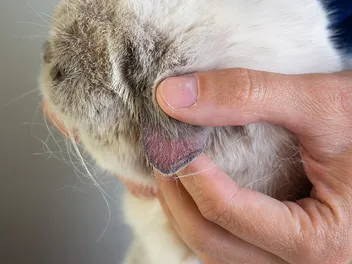
You're petting your cat when your thumb brushes something rough on their lip. You pull back to look, and there it is: a raised, reddish patch that definitely wasn't there last week. Your stomach drops a little. What is that?
If you've started googling, you might have stumbled across the term "rodent ulcer," which sounds absolutely terrifying. Take a breath. These lip lesions are more common than you'd think, and despite the creepy name, they have nothing to do with rodents.

The Weird Name, Explained
Veterinarians call these sores eosinophilic granulomas or indolent ulcers. The "rodent ulcer" nickname is a bit of a medical mystery. It stuck around from decades ago, possibly because the lesions were once thought to come from eating rodents (they don't).
These typically show up right where your cat's lip meets the surrounding skin, though some cats develop similar spots on their belly or the insides of their legs. The common thread? They're packed with eosinophils, specialized white blood cells that surge during allergic reactions. That's the key clue: these aren't infections or injuries. They're your cat's immune system overreacting to something.

What You're Actually Looking At
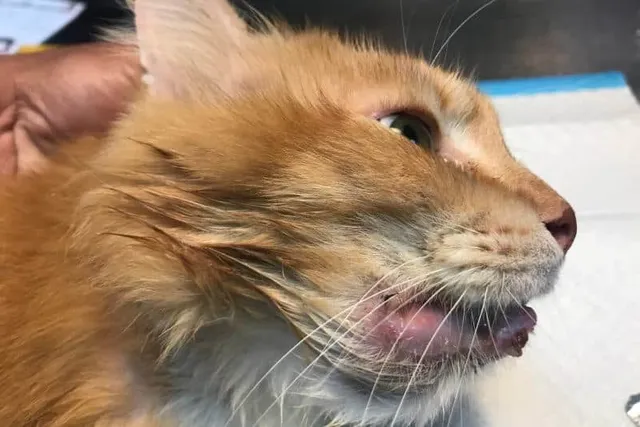
Most cat parents first spot these on the upper lip, though the lower lip can be affected too. They start small, maybe just a slightly raised, pink area, but can grow into angry-looking ulcers that change the shape of your cat's mouth. Some cats will develop them inside the mouth, where you can't easily see them.
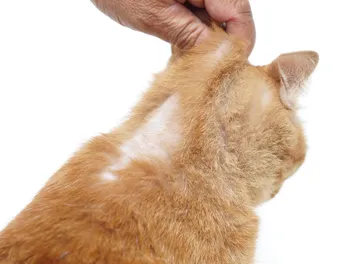
When these lesions pop up elsewhere on the body, they can look even more dramatic: bald patches, sticky discharge, and inflamed skin. Cats might scratch or kick at them obsessively because they itch like crazy, which only makes everything look worse.
The Detective Work: Finding the Trigger
Here's where it gets tricky. According to Cornell University's Feline Health Center, the most frequent culprits are allergic reactions to insect bites, like fleas, mosquitoes, and even mites. But the list doesn't stop there. Some cats react to specific food ingredients, certain antibiotics, heart medications, or even the plastic in their food bowls. Environmental allergens can trigger them, too.
Translation? Figuring out what set off your cat's reaction often requires patience and some trial and error.

When to Call Your Vet Immediately
If the lesion starts growing rapidly, oozes fluid, becomes obviously painful, or spreads to other parts of your cat's mouth or body, don't wait. Even mild-looking ulcers deserve early attention because quick intervention prevents secondary infections and lasting tissue damage.
The good news is that most cats respond beautifully to a combination approach: parasite control, dietary changes, environmental tweaks, and targeted medications. Recovery takes time, but most cats start feeling better quickly once the underlying trigger is identified and managed.

What Your Vet Will Do
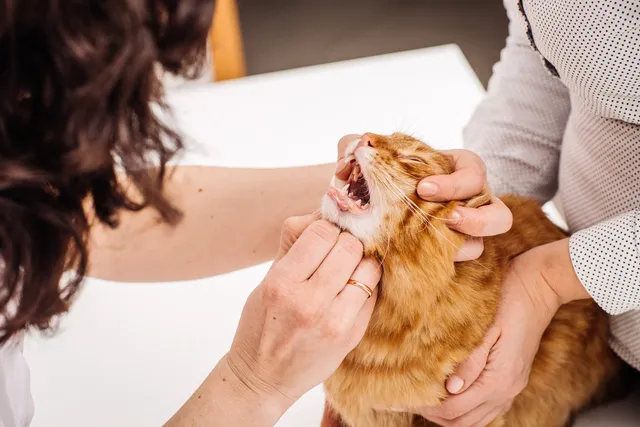
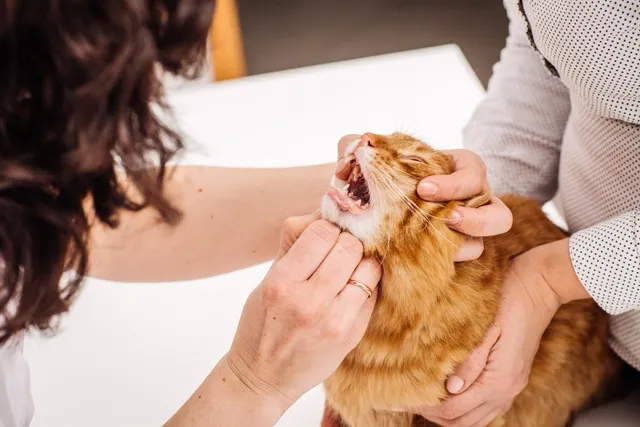
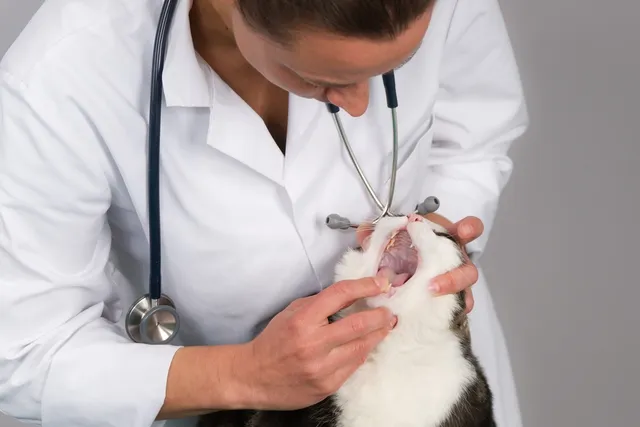
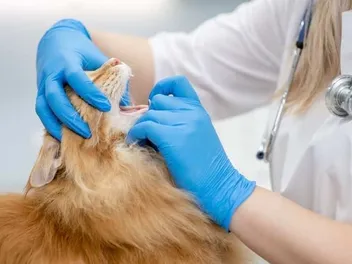
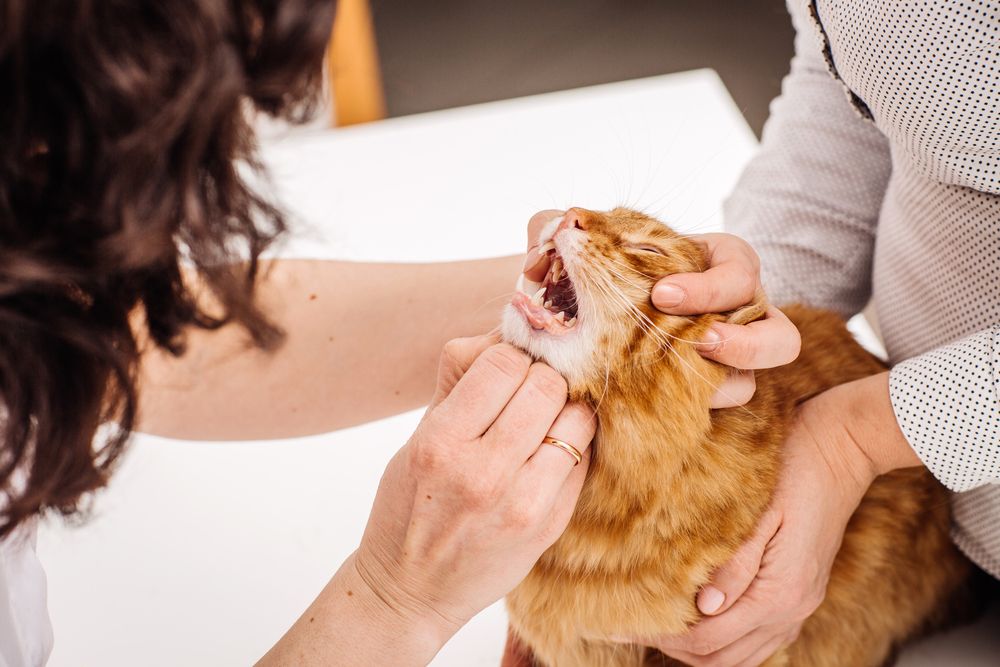
Even if the lesion isn’t growing rapidly, we recommend you do not put off that vet visit. Left untreated, these ulcers can cause permanent tissue damage, scarring, or lip deformities. Most vets can recognize eosinophilic granulomas on sight, but they may want to confirm with simple tests. A fine needle aspirate uses a small needle to collect cells for microscopic examination. A skin impression gently lifts surface cells onto a slide to check for eosinophils or bacteria. In stubborn cases, a small biopsy might be necessary.
Steps You Can Take Right Now
While you're waiting for that vet appointment, do a quick household audit. Check your cat's flea prevention - is it up to date? If you've missed a dose, apply it now (just not directly on the lesion itself).
Next, look at their dishes. Plastic bowls are surprisingly common triggers for allergic reactions in cats. Swap them out for glass or stainless steel and commit to washing them daily.
Consider whether you've recently switched food brands or flavors. If so, reverting to the previous diet might help. Your vet may eventually suggest trying a hydrolyzed protein or novel protein diet; basically, foods made with proteins your cat has never eaten before.
You can gently clean the ulcer with veterinary wound care products like Vetericyn. Some pet parents use colloidal silver as a natural antimicrobial. Whatever you do, skip the hydrogen peroxide. It damages healthy tissue and can make your cat vomit if they lick it off.
Treatment Options
Steroids are often the first line of defense because they quickly reduce inflammation. Your vet might prescribe oral steroids or give an injection. But steroids in cats come with real risks, like diabetes and heart failure being the most serious, so your vet will carefully weigh whether they're the right choice.
If steroids aren't suitable or aren't working well enough, your vet might turn to Atopica, a cyclosporine medication that dials down overactive immune responses. When an ulcer looks infected, antibiotics like Convenia or Clavamox may be added to the treatment plan.
Frequently Asked Questions
Can my other pets catch this?
No. Rodent ulcers aren't contagious to other cats, dogs, or people. In extremely rare cases, multiple cats in the same household might develop them if they're all reacting to the same environmental trigger, but that's highly unusual.
Will it just go away on its own?
Sometimes, if whatever caused it disappears. But here's the problem: some ulcers linger for years, gradually eroding tissue and leaving permanent deformities. That's exactly why early veterinary care matters so much.
The Bottom Line
That weird crusty spot on your cat's lip might look alarming, but it's a manageable condition once you know what you're dealing with. Work closely with your vet, be methodical about eliminating potential triggers, and stay patient. With the right approach, most cats heal completely and go right back to being their purring, affectionate selves, with crusty lip sores forgotten.
Feature Image Credit: PRESSLAB, Shutterstock
Did You Know?
- Our brand-new posts are rounded up and included in our weekly emails. Don't miss out on the latest - sign up for our newsletter below!
Expert cat care, straight to your inbox
News, insights, and useful advice, delivered to you.

No spam — unsubscribe anytime.
By signing up, you agree to our Terms & Conditions and Privacy & Cookies Policy.
How useful was this post?
Click a star to rate. You can leave written feedback afterwards. (We read all feedback.)
Dan has been working in the pet world for over 4 years covering cats, dogs, and all other pets in between. He loves helping pet parents keep their companions happy, healthy, and of course, totally spoiled! Originally from London, Dan now travels and works remotely, which unfortunately means no pets at home, but it gives him plenty of opportunities to fuss over other people's furry friends.