Can Cats Eat Cornstarch? Vet-Reviewed Health Risks & Advice


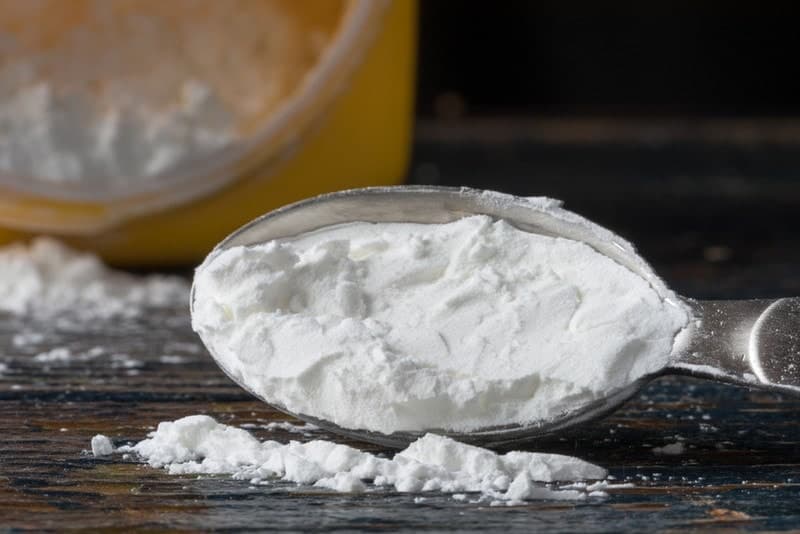
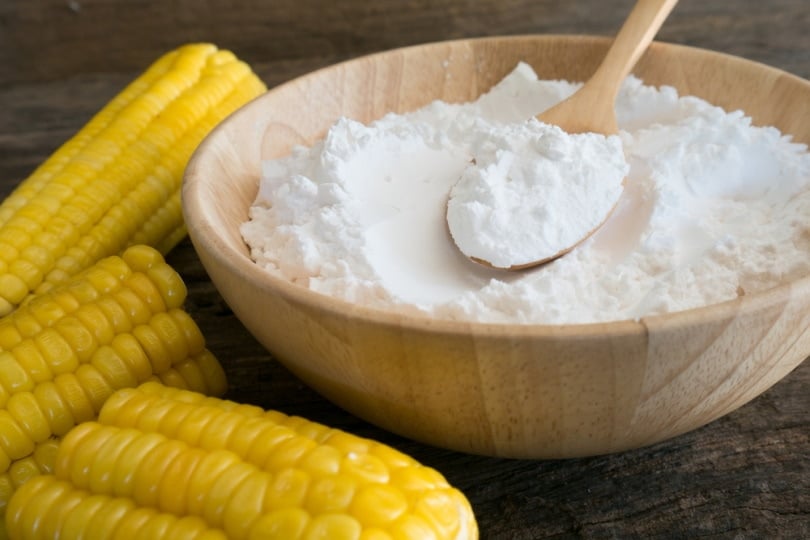
Cornstarch is one of those foods used as an ingredient in a variety of things. You may eat cornstarch without even realizing it because it is often used in foods as a thickener for a variety of foods, including stews, sauces, soups, and desserts.
It is often present in recipes in very small quantities due to its efficacy as a thickener, generally only appearing in teaspoons and tablespoons for entire recipes. Is cornstarch a safe ingredient for your cat to eat, though? After all, many people share nibbles of “people” food with their cats as a treat. If you share human food with your cat, you need to know that cornstarch is not an ideal food for cats for a few reasons. Keep reading to learn more about cats and cornstarch.

Can Cats Eat Cornstarch?
Cornstarch is not an ideal food for cats for a few reasons. The primary reason is that cats are obligate carnivores, which means they not only require meat proteins to survive, but they also require little to no plant matter in their diet. Cornstarch is made from ground corn, so it is not a requirement for cats to have in their diet. Overfeeding carbohydrates, like cornstarch, can lead to stomach upset and diarrhea, as well as obesity and obesity-related diseases like diabetes in the long run. Overall, though, cornstarch is not a harmful thing for your cat to consume.
Cornstarch and other food starches that have been processed and cooked are extremely digestible, even for obligate carnivores like cats. This does mean that cornstarch as an additive in cat foods can be a good addition due to its high digestibility and low likelihood of leading to stomach upset. On its own, cornstarch doesn’t give complete nutritional value, so it should not be used as a meal or snack.

Is Cornstarch Healthy for Cats?
Cornstarch in and of itself isn’t a healthy food for cats. However, one study indicated that cornstarch may be less allergenic to both dogs and cats than other carbohydrate sources. Cornstarch showed lower allergenic potential than corn flour did. Cornstarch is often included as an ingredient in hydrolyzed protein foods, which are fed to pets with extreme food allergies and sensitivities.
Hydrolyzed protein foods are highly processed in such a way that reduce the proteins in the foods to the point that the immune system won’t recognize them. This eliminates the chance of an immune reaction to the food, which is what causes allergy symptoms, like hair loss and itchiness. Cornstarch is an effective thickener and binder that can be used in cat food, and since it shows a lower risk of being allergenic to pets, it can be a healthy addition to cat food. However, it is not healthy to feed your cat large quantities of cornstarch.
Does Cornstarch Have Other Benefits for Cats?
Yes, there are other uses for cornstarch and cornstarch-based products for your cat. Some people use cornstarch-based baby powder and even straight cornstarch to sprinkle on their pet. If you brush cornstarch through your kitty’s fur, it can help absorb oils and reduce greasiness. This can be beneficial to cats that are extra oily due to poor grooming habits or health problems, but it is not necessary for most healthy cats as this can lead to excessive dryness of the skin. It can also be used to loosen up hair and help break up tangles if you’ve gotten behind on your cat’s grooming.
Cornstarch and cornstarch-based products can also be used as litter box deodorizers. Simply sprinkle the cornstarch directly into the litter and mix it well. It will help absorb excess moisture and trap odors, reducing mess and odors from your litter box. It may be less effective than commercial litter deodorizers and things like carbon and baking soda, but it still can be quite effective.

In Conclusion
Cornstarch has shown itself to be a highly effective and beneficial addition to cat foods due to its thickening and binding abilities and its high digestibility. It is less allergenic than many other carbohydrates can be for cats, especially those with food sensitivities.
However, you should not be feeding cornstarch directly to your cat as it is not a complete nutrition source.

Expert cat care, straight to your inbox
Vet-reviewed advice, behavior tips, and the best of Catster. Free, and you can unsubscribe anytime.
By signing up, you agree to our Terms & Conditions and Privacy & Cookies Policy.
Brooke Billingsley, a former veterinary assistant for nine years, became a nurse in 2013. She lives in Arkansas with her boyfriend of five years, surrounded by her beloved pets: three dogs, two cats, five fish, and two snails. Brooke has a soft spot for special needs animals, caring for a three-legged senior dog and a widely known cat with acromegaly and cerebellar hypoplasia. She has developed a keen interest in fish keeping and is always learning how to provide the best environment for her aquatic pets. In addition to her passion for animals, Brooke enjoys gardening and maintains a vegetable garden during the summer. She stays active with yoga and received her 200-hour yoga teacher certification in 2020. Brooke also hosts a podcast that delves into folklore and myth, dedicating her spare time to research and writing. She embraces the philosophy that every day is an opportunity for learning and growth, continually working to acquire new skills and knowledge.
Join the conversation
Ask a question, share your story, or send private feedback.