Can Cats Drink Coconut Water? Vet-Verified Nutrition Facts & FAQ

In this article
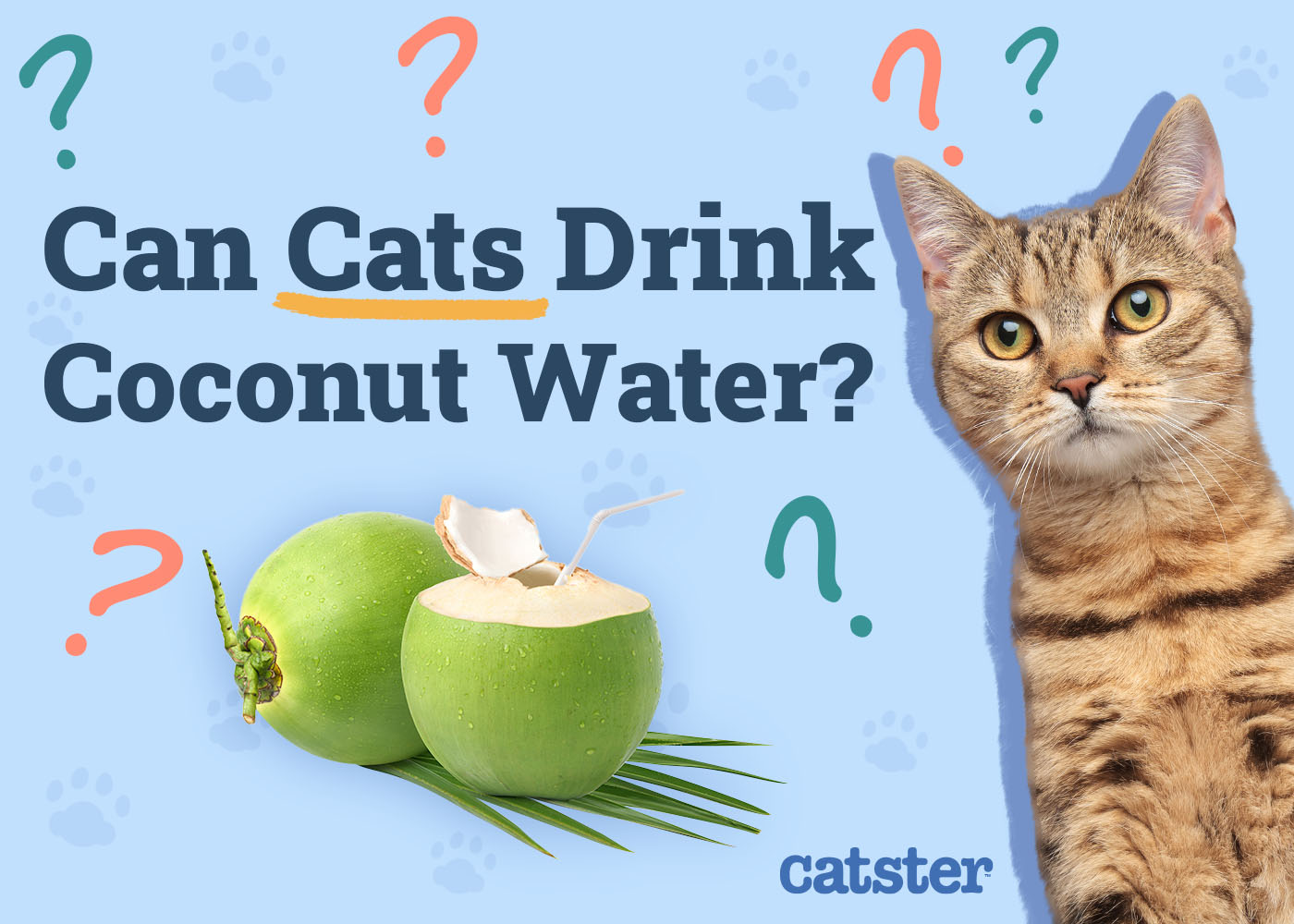
Coconut water is the clear liquid that is found inside young coconuts. It is packed with electrolytes and is known to offer benefits to humans when consumed. But can cats have coconut water? Coconut water is not toxic to cats but can cause digestive upset. It’s not natural for cats to drink, and they can’t appreciate the sweet taste. So while you could offer a small amount of coconut water to your cat, we don’t think it’s worth doing this.
If your cat has consumed a small amount, it likely isn’t anything to worry about, but if they have consumed too much, you will need to call your vet and monitor for signs of gastrointestinal upset. Some cats may be more sensitive to coconut water than others.

About Coconut Water
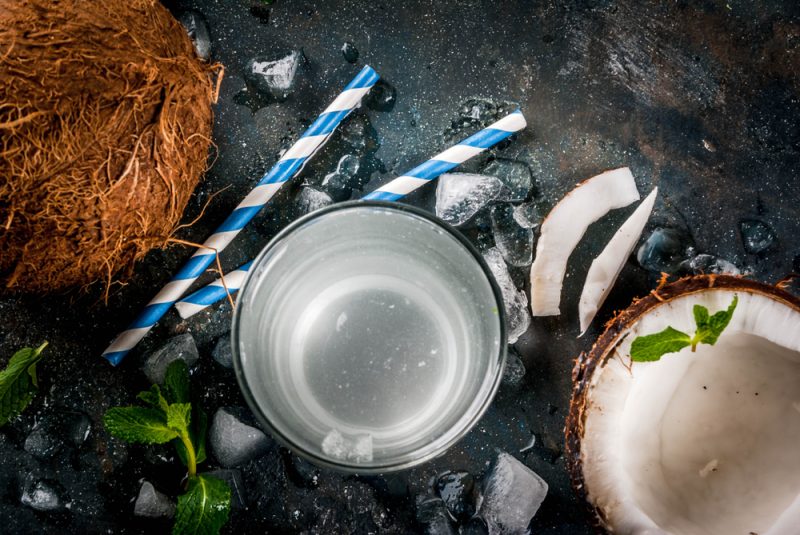
Coconut water is the liquid found inside young coconuts. As the coconut gets older, the moisture inside is replaced by flesh. The water is rich in carbohydrates and contains electrolytes like magnesium and potassium. People are encouraged to consume coconut water because it can help combat high blood pressure and is also a good source of hydration and electrolytes after exercise.
Coconut water is different from coconut milk which is made by mashing the flesh of the fruit with water. It is also not the same as coconut oil which is the oil extracted from coconut milk.
Is Coconut Water Good For Cats?
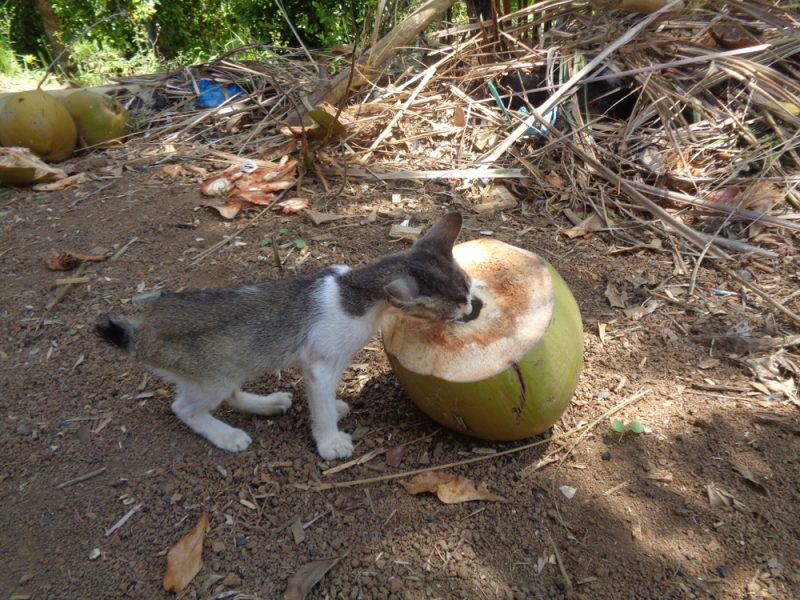
Coconut water is non-toxic to cats, so if your cat has consumed a small amount, there should be nothing to worry about. Watch for signs of diarrhea and vomiting, and speak to a vet, if your cat does suffer gastrointestinal upset.
If your cat can stomach small amounts of coconut water, it could help your cat combat dehydration by providing fluids and electrolytes.
Can Cats Have Coconut Water? The 4 Potential Risks
However, while a small amount of coconut water can be beneficial, it doesn’t agree with all cats, and there are some risks associated with giving too much of this ingredient.
1. Digestive Issues
As mentioned earlier, the most common issue after drinking coconut water is gastrointestinal upset, especially if large amounts are consumed. If you’re offering coconut water to boost their hydration, you might end up making them more dehydrated if they lose fluid due to vomiting and diarrhea.
2. High In Sugar
Natural coconut water is lower in sugar than some other drinks, but it still contains a lot more than water. Commercial coconut water is often sweetened with sugar. Cats can’t taste sweet flavors so the benefit is lost on them anyway. Over time, too much sugar can lead to weight gain and obesity which increases your cat’s risk of diabetes, urinary issues, and joint problems. While the artificial sweetener xylitol is more toxic to dogs, it’s still not something we recommend giving your cat.
3. High Potassium Levels
Potassium is an essential mineral that is found in a lot of ingredients and food sources. Your cat needs potassium because it helps in many bodily processes. Healthy cats can tolerate lots of potassium as their kidneys will remove any excess. However, if they have certain kidney or urinary tract problems, excess potassium could build up.
A high concentration of potassium leads to a condition called hyperkalemia which can prevent the heart from operating properly and may lead to paralysis, an arrhythmic heartbeat, and general weakness.
4. Sensitivities and Allergies
Although rare, some cats are allergic to coconut water. This can lead to signs of allergic reaction like itching, swelling, and redness. It can also cause stomach upsets and may lead to lethargy and other problems.

The 5 Tips to Help Encourage Your Cat to Drink
One of the reasons that some owners consider giving coconut water to their cats is as a form of hydration. While some cats will drink water from a bowl, many refuse, and even the liquid in wet cat food may not be enough to ensure they are properly hydrated.
Rather than offering coconut water, there are steps you can take to help encourage your cat to drink.
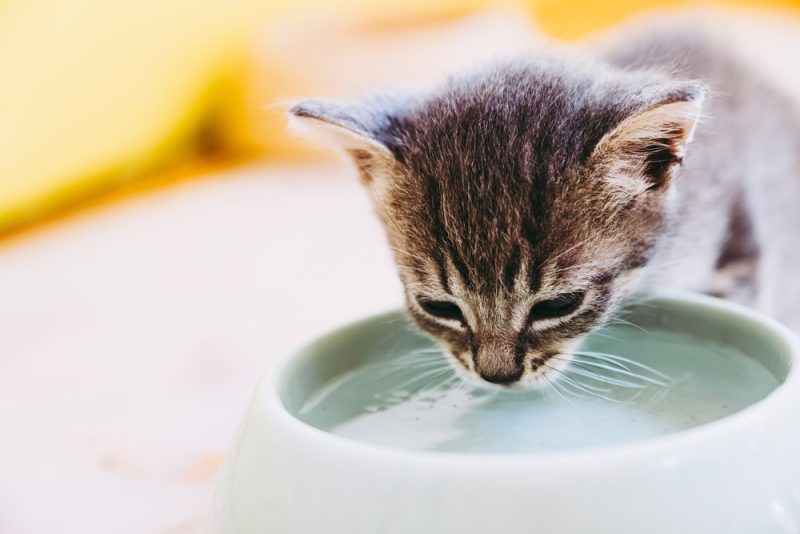
1. Ensure Proper Water Bowl Placement
Cats are sensitive creatures, and can easily be deterred from an area. As such, the water bowl needs to be placed appropriately to encourage a cat to drink from it.
Don’t put the bowl near the cat litter and keep it away from loud areas. It is fairly common for owners to put food and water bowls next to each other, but not only does this potentially lead to food contaminating the water, but anecdotally cats don’t drink water from near their food source.
2. Make Sure the Water Is Fresh
Cats prefer fresh water to stale water, just like people do. Refill the bowl when it gets empty but also get into the habit of changing out the old water and replacing it with fresh water once or twice daily. It is good practice to do this in the morning and at night.
3. Try a Different Bowl
Cats can be quite picky, and they have certain standards that need to be upheld. This isn’t just true of their food or toys; it can also be true of their bowls. If your cat is refusing to drink water, try a different bowl.
Small bowls could potentially cause discomfort if a cat’s whiskers touch the bowl when they drink. Therefore, most cats prefer wide, shallow bowls compared to narrow, deep ones. Some cats may prefer metal, glass, and ceramic bowls over plastic ones.
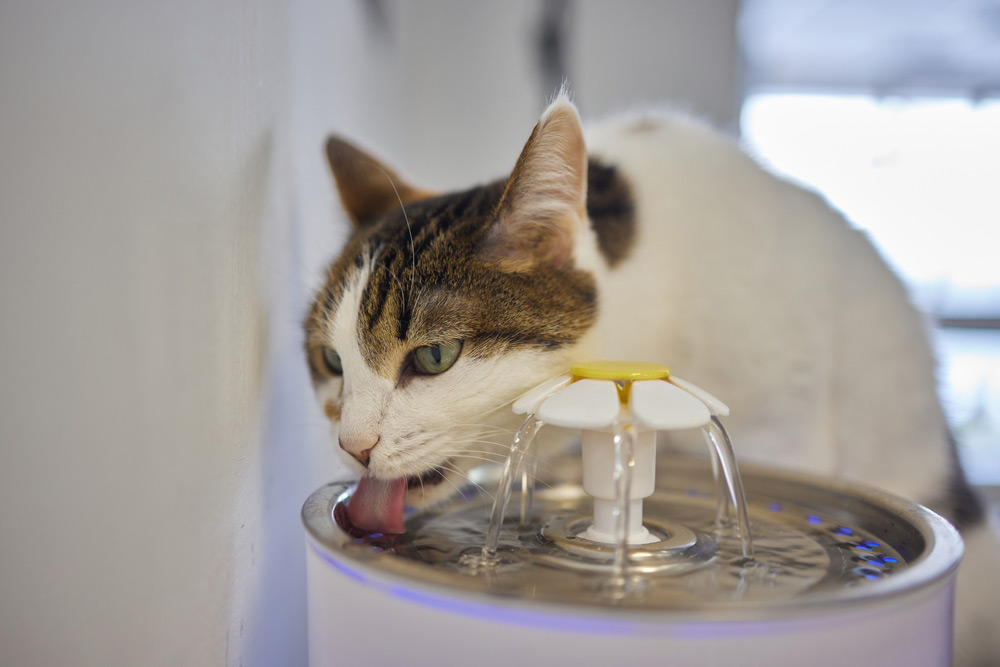
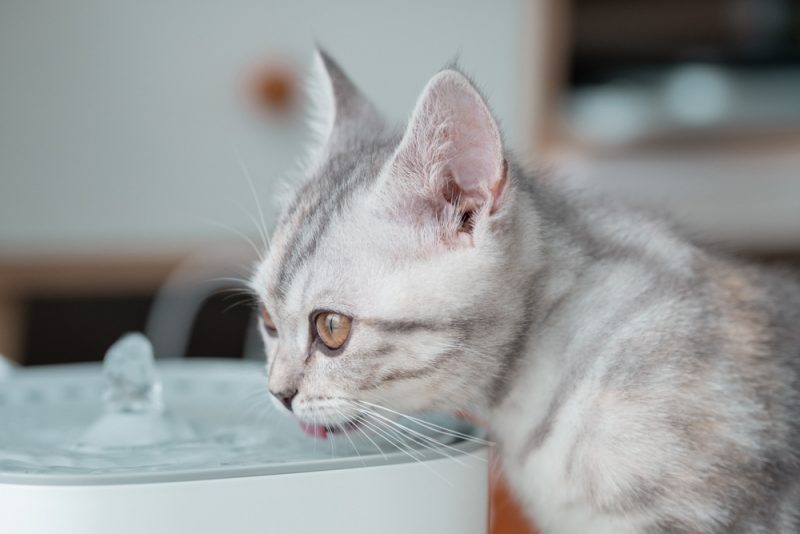
4. Try a Water Fountain
Cats prefer running water. A water fountain designed for cat use not only freshens the water and gets the attention of your cat, thanks to its constant movement, but it also lets the cat know that the water is fresh.
5. Add Some Flavor
A water bowl aims to ensure your cat is getting enough water but adding a few drops of something tasty won’t do any harm and may help ensure they are consuming enough fluids. Consider using plain spring water tuna juice or another fish oil. Add a few drops and see if this encourages your cat to drink the water.

Conclusion
Cats can be picky eaters and can be especially finicky over what they drink, which leads lots of owners to look for alternative sources of hydration to water. Coconut water is not toxic for cats but can cause gastric upset, although small amounts are likely to be fine. However, given too often or in too large volumes, it can cause diarrhea and weight gain.
Sources
Featured Image Credit: Photoongraphy, Shutterstock

Expert cat care, straight to your inbox
Vet-reviewed advice, behavior tips, and the best of Catster. Free, and you can unsubscribe anytime.
By signing up, you agree to our Terms & Conditions and Privacy & Cookies Policy.
Matt is a freelance writer from the UK. He lives with his partner and daughter, as well as one dog and two cats.
A data analyst by trade, Matt moved from numbers to words more than 15 years ago and has been writing content ever since. Having volunteered at a local animal sanctuary, he has a lot of experience with different breeds of cats, dogs and horses. He currently shares his home with his partner and daughter, as well as a rescue dog from Macedonia (which might be an Akita cross) and two cats. Matt has also kept bearded dragons, a variety of birds, fish, guinea pigs, hamsters, mice, and rats. His daughter has adopted the same passion for animals, keeping and breeding snakes.
A geek at heart, Matt is a member of a local board gaming group that meets weekly, and regularly forces his family to “enjoy” board games with him at home.
Join the conversation
Ask a question, share your story, or send private feedback.