How to Get a Picky Cat to Eat: 9 Vet-Reviewed Tips


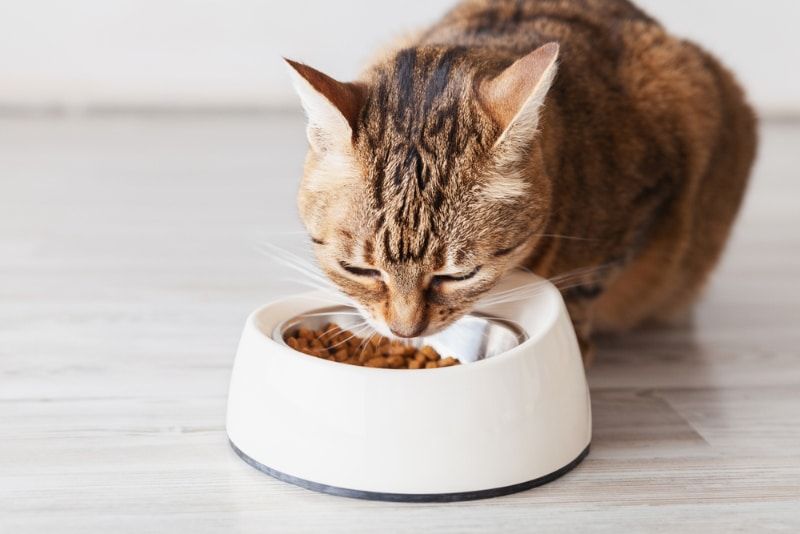
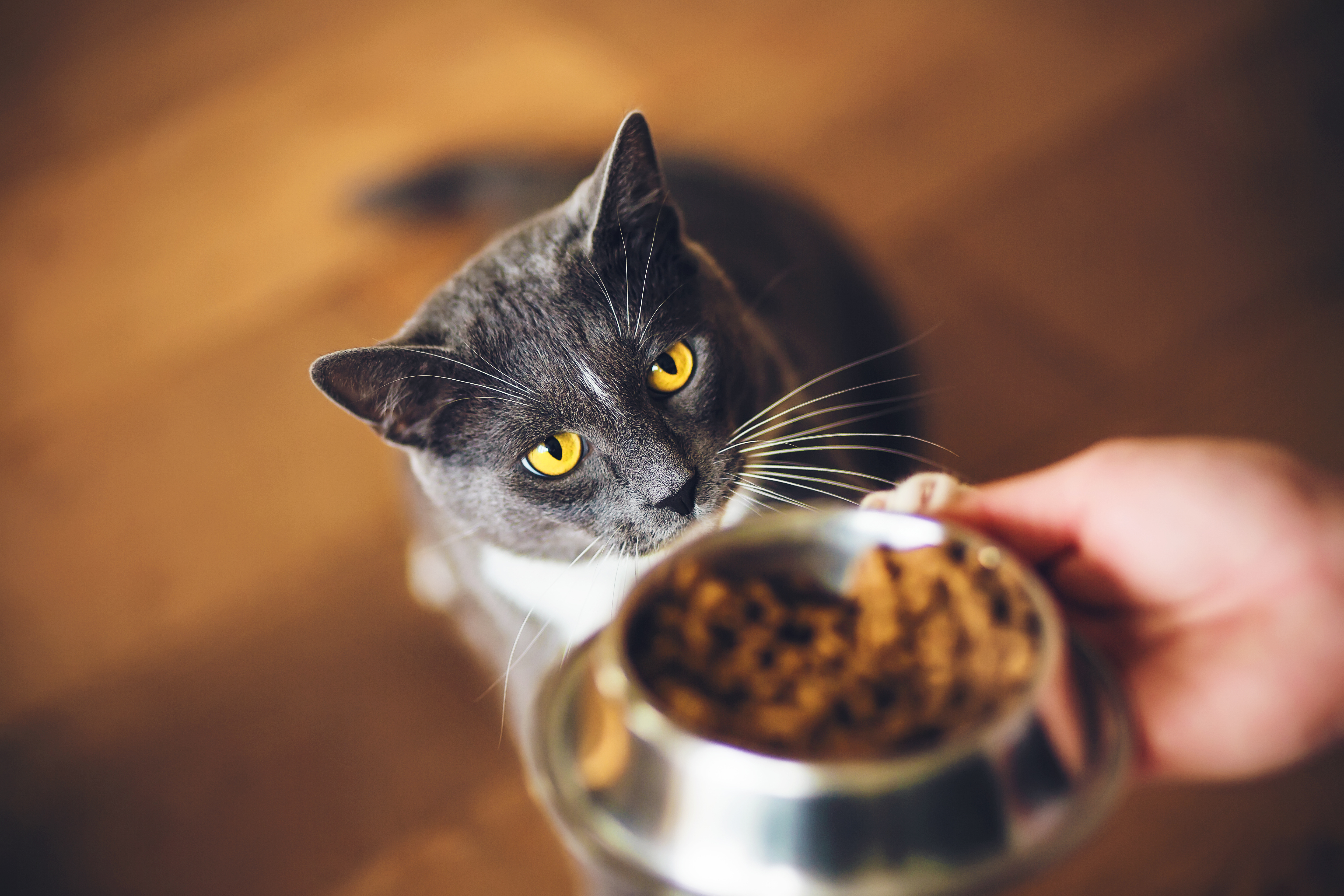
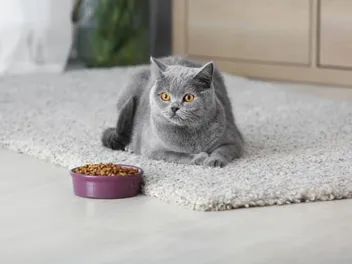
While many cats enjoy their food a bit too much and happily gobble up everything in sight, others are choosier regarding what they eat. Cats can be put off by something about their food, like its flavor or texture, but they can also become disinterested in eating if they’re unhappy with a facet of their dining situation.
Cats who suddenly stop eating need to be checked out by a veterinarian to ensure they’re healthy, as it’s often an indication of illness in cats, but there are few things pet parents can do to encourage healthy, picky eaters to look forward to mea l times.

The 9 Tips on How to Get a Picky Cat to Eat
1. Clean the Food Bowl

Cats have a strong sense of smell and can pick up on odors that humans can’t detect, and they can easily be upset by smells lingering in their food bowls. Regularly washing the food bowl helps get rid of bacteria, which keeps it hygienic and smelling fresh.
It should be washed with hot water and lots of soap after every meal. Water bowls also need regular attention to stay clean. Plastic food bowls often retain odors, which can drive cats away; stainless steel and ceramic models are easier to keep clean.
2. Consider Bowl Location
Cats feel more comfortable eating and drinking in relatively calm, quiet places far away from their litter boxes. When they can dine without interruptions from well-meaning children and dogs, cats can relax while eating, which may encourage them to linger for a few extra bites.
Having one food set up per cat and one extra in multi-cat homes allows all parties to eat peacefully.
3. Select a Larger, Flatter Bowl

Cats have incredibly sensitive whiskers that send information directly to their brains about their environment. They help cats balance and figure out where they are in space, and they even provide navigational assistance when they move around in low light by picking up on air currents that bounce off objects. Too much stimulation can sometimes become so overwhelming that cats develop whisker fatigue, which can lead to them being reluctant to eat.
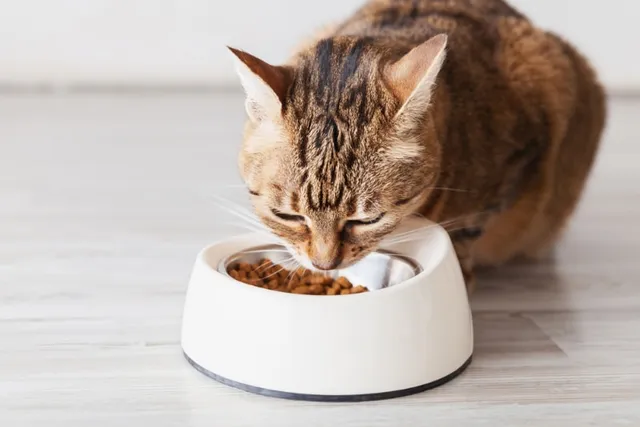
Providing cats with wide food and water bowls that are large enough for them to eat from without disturbing their whiskers may encourage them to eat more.

- NO MESS - The 360° tray on this cat food and water bowl set has a raised design to catch and contain stray crumbs and drips. Protect your indoors and floors from wet and messy meals!
- WHISKER FRIENDLY - Shallow and wide metal containers with flat bottoms ensure your kitty can enjoy mealtime free from whisker fatigue!
- CHEW-SAFE MATERIALS - Kittens and cats love chewing on silicone and soft rubber - but it's a choking hazard. Our cat feeding station materials are anti-chew for a 100% safe feeding frenzy!
Choosing the right food and water bowls for our feline companions can pose certain challenges for pet owners. The Hepper NomNom Cat Bowl provides a chic and innovative solution that supports cat specific needs, such as shallow bowls and a subtle elevation that fosters whisker relief, posture comfort, and improves digestion. It features an elegant contemporary design with a wide wrap-around tray aimed at minimizing any messes from ending up on your floor! Furthermore, this bowl is entirely dishwasher safe, so pet owners are able to spend more time with their cats instead of cleaning up after them. Discover why the Hepper NomNom Cat Bowl is right for both you and your kitty by clicking here.
At Catster, we’ve admired Hepper for many years and decided to take a controlling ownership interest so that we could benefit from the outstanding designs of this cool cat company!
4. Try a Different Flavor
Some cats become disinterested in eating when they get tired of their food. Giving them different flavors of their regular food can sometimes encourage picky eaters to reform their ways.
5. Try a Different Texture

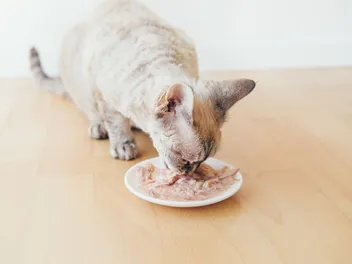
The food’s texture can make a difference in palatability for cats, particularly when it comes to wet food. Some love pâté, and others prefer chunks and gravy. There are also flaked, shredded, sliced, and minced formulas, as well as stews and blends. Gently cooked meals are worth a try as well.
Sometimes, offering cats who have been eating mostly dry food more wet food gets them interested, and the other way around.
6. Experiment with Toppers
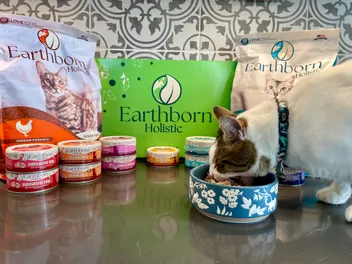
Toppers add moisture and taste to food and can be the key to tempting finicky cats to eat more. Commercial toppers can be added to kibble or mixed into wet food to add flavor.
They provide hydration, which is important for cats’ overall health and wellbeing,
7. Keep Freshness in Mind
Cats sometimes turn up their noses at food past its best-used-by date. They may refuse to eat if their kibble has become stale or just too old to be tasty. It’s best to leave the kibble in the bag it comes in and then put that in a container to keep it fresh.
Wet food that has been refrigerated for too long can also prompt cats to walk away from their food bowls. Wet food should only be left out for less than an hour to prevent it from becoming rancid.
8. Warm It Up or Cool it Down

Cats have temperatures at which they like their wet food to be served. Some enjoy eating it at room temperature, and many prefer wet food that’s been in the refrigerator to be warmed up a bit before being served. Surprisingly, others like their dinners cold. Cats' preferences when it comes to the food temperature can change over time, so it’s definitely worth trying a few options.
9. 9. Make Mealtimes Fun
Engaging and stimulating cats’ natural hunting instincts during mealtimes can make dining more enjoyable. Puzzle toys provide cats with physical and mental challenges that can make mealtimes fun. They also keep cats busy and provide lots of mental stimulation that can keep them engaged and content. A veterinarian can also give you some interesting tips on how to keep your cat busy and happy.
Conclusion
Some cats can’t seem to get enough food, but others are picky about their meals. A veterinarian should always see cats who suddenly stop eating or lose interest in their food since it can indicate an illness. However, there are several ways to encourage healthy cats to enjoy mealtimes a bit more, including ensuring their dining set-ups meet their needs and adding tasty flavor enhancers like toppers to their regular food. See Also:
Sources
Featured Image Credit: Prystai, Shutterstock
Expert cat care, straight to your inbox
News, insights, and useful advice, delivered to you.

No spam — unsubscribe anytime.
By signing up, you agree to our Terms & Conditions and Privacy & Cookies Policy.
How useful was this post?
Click a star to rate. You can leave written feedback afterwards. (We read all feedback.)
Lorre Luther is a writer who is firmly convinced that cats are smarter than humans. She left her law career in the United States and moved to the Netherlands to follow her dream of becoming a writer. Lorre currently lives in Rotterdam, she enjoys traveling and greatly appreciates the beauty of nature. Lorre has a spot for animals and admires the intelligence of cats.