How Long Do Siberian Cats Live? Vet-Verified Lifespan Facts & FAQ


In this article
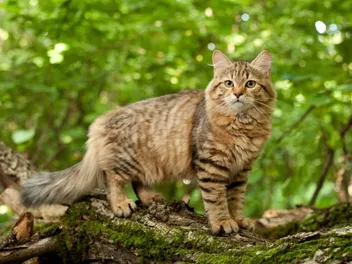
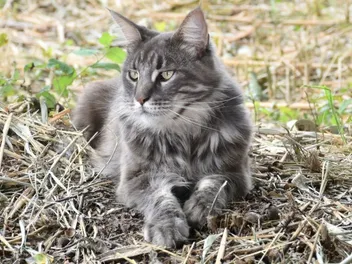
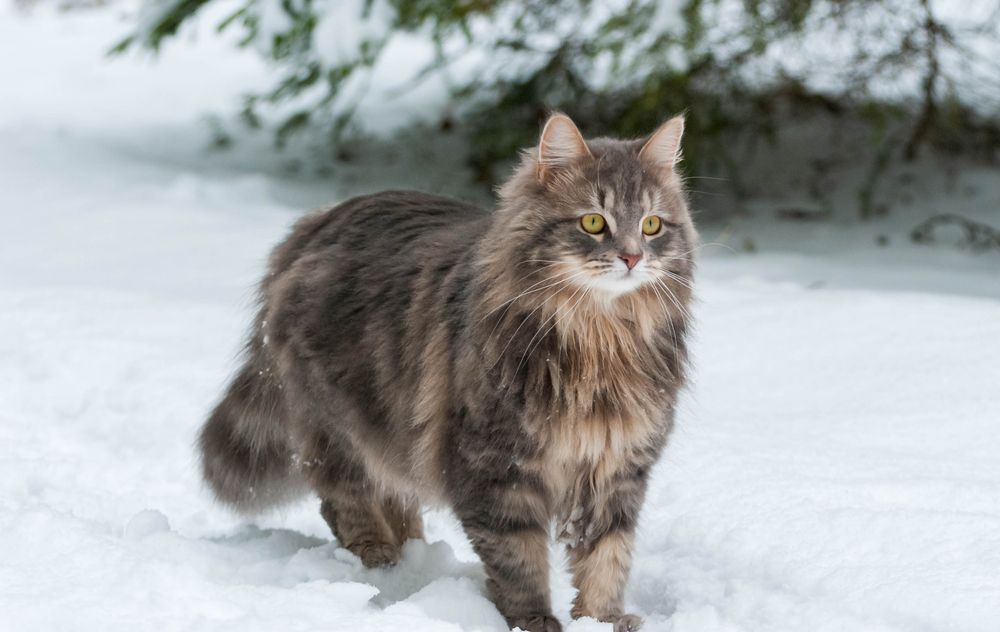
The Siberian, also known as the Siberian Forest Cat, originates from Siberia, Russia, and is highly resistant to cold weather and cold conditions. It has a fluffy tail, thick coat, and is slow to mature. It is considered a good pet cat breed because it is affectionate and loving while being rugged and adaptable, but the breed can find it difficult in hotter environments. Although it is prone to some health conditions, the Siberian is considered a generally healthy breed that will often make it to old age.
On average, the Siberian Cat lives around 12 to 15 years, with longer lifespans expected from cats with good nutrition and who have regular health checks. Below, we look at the typical lifespan of this stunning breed, as well as some factors that can determine the cat’s longevity.

Siberian Cat Average Lifespan
The Siberian Cat is a hardy and tough breed. It originated from an ancient, natural landrace that lived in the forests of Siberia in freezing conditions and amongst a host of larger animals.
Although many factors determine how long an individual cat will live, the Siberian does have a long life expectancy of between 12 and 15 years, and it is not unusual for cats of this breed to live to 18 years or longer. Indoor cats tend to live longer, as do cats that are spayed or neutered.

How to Care for Your Siberian Cat for a Long Lifespan?
There is no guarantee how long a cat will live, regardless of breeding or other factors. But there are certain steps you can take to help promote a long and healthy life for your feline companion. These steps are similar for all cat breeds, and for the Siberian include the following:
Breeding
The Siberian breed was developed from a naturally occurring breed found in Russia. Siberians have been selectively bred, with formal breed standards since the 1980s. They were recognized by the International Cat Association in 1992 and Championship status was granted in 1996.
Some of the work into a healthy, long lived cat happens before it is born. Responsible breeders will make sure the breeding parents are healthy and have had all the relevant health checks to reduce the risk of genetic diseases being passed to the kittens. Know the background of your Siberian’s family and determine whether its parents have any history of illnesses or conditions that might be passed on.
A reputable breeder will usually be part of an association such as TICA and CFA in the United States. They will offer you proof of parentage, health records for the parents and a health guarantee for the kittens with time limits and details. The kittens will have had a veterinary check up and relevant vaccinations and other preventative healthcare to make sure they are healthy before they go to their new homes.
Feeding & Diet
Good nutrition is important to your cat. Cats are obligate carnivores, although domestic cats have developed somewhat to consume more plant and vegetable matter. Their food should still contain good amounts of high quality animal protein, and meat should be the main source of protein in your cat’s food.
Buy a good quality food, ensure it is complete and balanced and has good protein levels. It is also a good idea to choose a food that is appropriate for your cat’s current life stage as kittens and senior cats do have different nutritional requirements to adult cats. An experienced veterinarian can help you with that.
Environment
When it comes to a cat’s environment, there are certain factors that may shorten a cat’s life. Outdoor cats are more likely to come into contact with cars and other traffic, and traffic accidents are a major cause of death in cats. They are also more likely to come into contact with toxic substances like poisons, and they may be predated by larger animals.
With an indoor cat, you have more control over their environment, which means you can keep them safe from potential accidents and other factors that might cause illness.
Care
General care includes everything from grooming to flea prevention. Cats can have very bad reactions to flea infestations, while internal parasites also pose a major threat. You should ensure your cat has regular deworming and flea treatments to help ensure they are happy and healthy. Don’t wait until your vet reminds you.
Get into the habit of deworming and applying flea treatment as often as the treatments suggest to keep on top of and prevent any possible problems. Dental disease is another common problem in cats, and it can shorten a cat’s life.
Start when your cat is still young and brush their teeth at least three times a week. Also ensure your cat gets plenty of exercise, even if it is an indoor cat, and isn’t allowed to put on excess weight.

Healthcare
As well as administering flea and worming treatment, you should take your cat for regular vet checkups. Have any vaccinations that are recommended and follow treatment guidelines offered by your vet if your cat does get ill.

Possible Health Problems in Siberian Cats
Although the Siberian Cat is described as being hardy and resilient, the breed is somewhat prone to certain health conditions you should be aware of:
- Hypertrophic Cardiomyopathy (HCM) – HCM is a condition where the heart muscle becomes abnormally thick meaning the heart can’t pump effectively. This can lead to heart failure.
- Polycystic Kidney Disease (PKD) – This is an inherited condition that causes cysts in the kidneys, affecting function and can lead to kidney failure. There is a DNA test available to see if a cat has the potential to be affected by this condition. It is not as common in Siberians as it is in other cat breeds also prone to this condition.
- Pyruvate Kinase Deficiency – This is a genetic abnormality that causes anemia and has been recognized in Siberians. DNA testing is also available for this condition.
Other health issues to look out for include:
The Life Stages of a Siberian Cat

Siberian Cats are medium to large cats that are known to be slow-maturing cats, which means they won’t reach their full 15-to-20-pound size until they are nearly 5 years old. However, they do go through the same stages of life as other cat breeds.
- Kitten – From the age when they can leave their mothers to around 12 months of age, Siberian Cats are considered kittens. They need high quality kitten food to achieve healthy growth, with higher levels of protein and other essential nutrients.
- Young Adult – Siberian Cats typically do not fully mature physically until they reach about 5 years of age. They are considered young adults between the ages of 1 and 5 years. They can be fed a standard adult food, but they will be very active and adventurous during these years, so you will need to take special care when letting them out.
- Adult – Adult Siberians between the ages of 5 and 8 years need a standard diet. They will have lost most of their kitten-like behavior, although some cats are naturally more playful than others even at this stage of life.
- Senior – There isn’t really a set age for when cats are considered senior, but you will notice signs of your cat slowing down and being less likely to indulge in kitten playtime. At this stage, you can discuss with your vet about whether you should move to a senior cat food. While older cats burn less energy playing, they are often less efficient at protein digestion and need highly digestible and high quality protein sources.
How to Tell Your Siberian Cat’s Age
It can be very difficult to tell a cat’s age, and you will have to use your best judgment in most cases. Siberian Cats don’t fully mature until they are about 5 years old, and this is when they will reach full size. Therefore, weight can be one determining factor, but some Siberian Cats are naturally smaller, while others are larger.
Another way to tell is by looking at the teeth, but if a cat has had its teeth brushed daily, this too can be an unreliable way to age a cat. Ask your vet for their best guess but remember that there is no surefire way of telling how old a cat is unless you know exactly when they were born.

Conclusion
The Siberian Cat is a breed that originated from the forests of Siberia, in Russia. It is a hardy breed that has a typical lifespan of between 12 and 15 years, but it can live to 18 years or more. To help ensure the longest life possible, you should ensure a good diet, take your cat for regular vet checkups, and consider keeping your cat indoors.
You should also have it spayed or neutered because this can help prevent some cancers and certain other diseases that might shorten your cat’s life expectancy.
Sources
Featured Image Credit: Emil Helge, Shutterstock

Expert cat care, straight to your inbox
Vet-reviewed advice, behavior tips, and the best of Catster. Free, and you can unsubscribe anytime.
By signing up, you agree to our Terms & Conditions and Privacy & Cookies Policy.
Matt is a freelance writer from the UK. He lives with his partner and daughter, as well as one dog and two cats.
A data analyst by trade, Matt moved from numbers to words more than 15 years ago and has been writing content ever since. Having volunteered at a local animal sanctuary, he has a lot of experience with different breeds of cats, dogs and horses. He currently shares his home with his partner and daughter, as well as a rescue dog from Macedonia (which might be an Akita cross) and two cats. Matt has also kept bearded dragons, a variety of birds, fish, guinea pigs, hamsters, mice, and rats. His daughter has adopted the same passion for animals, keeping and breeding snakes.
A geek at heart, Matt is a member of a local board gaming group that meets weekly, and regularly forces his family to “enjoy” board games with him at home.
Join the conversation
Ask a question, share your story, or send private feedback.