Get

In Your Inbox

Catster is reader-supported. When you buy via links on our site, we may earn an affiliate commission at no cost to you. Learn more.

The Importance of Regular Cat Checkups: 4 Vet Reviewed Benefits

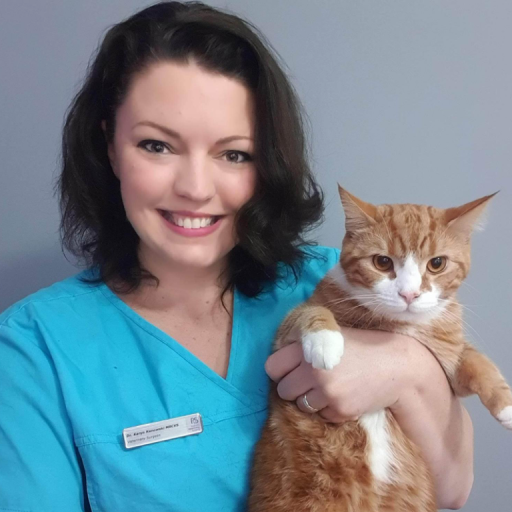
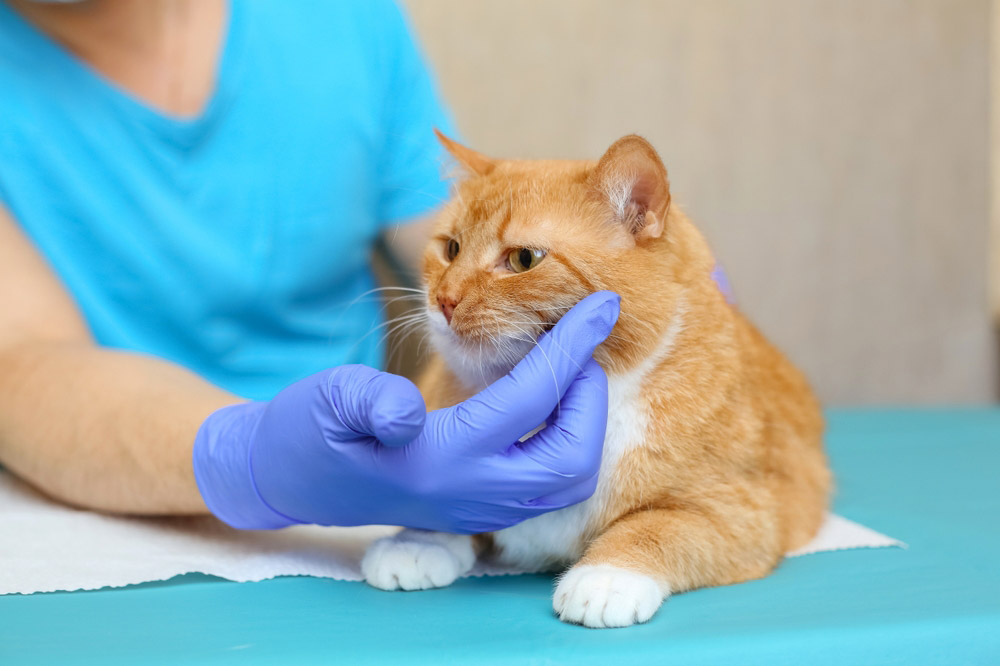
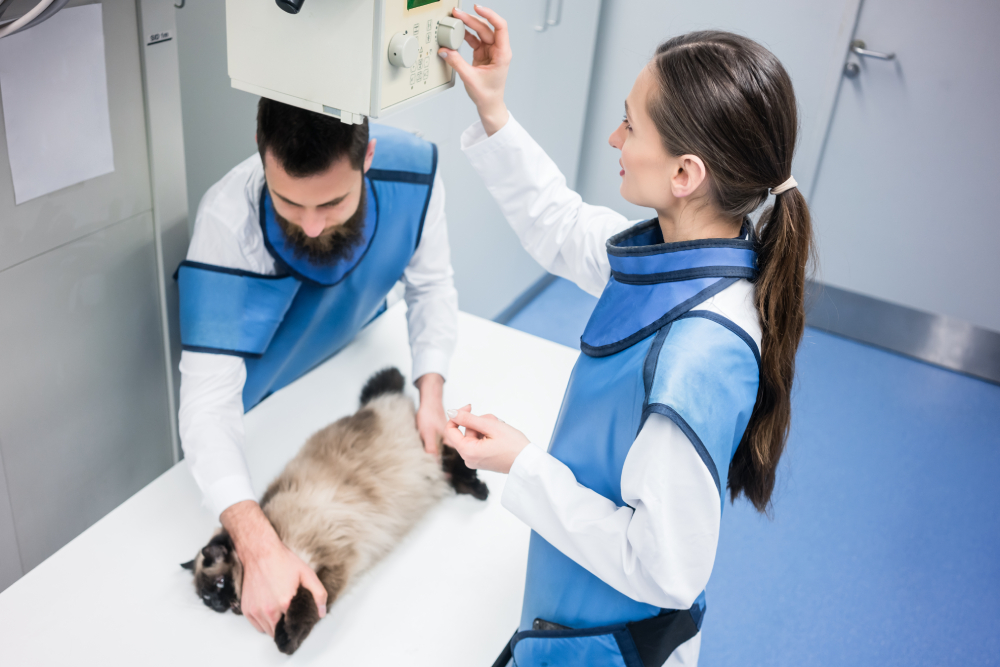
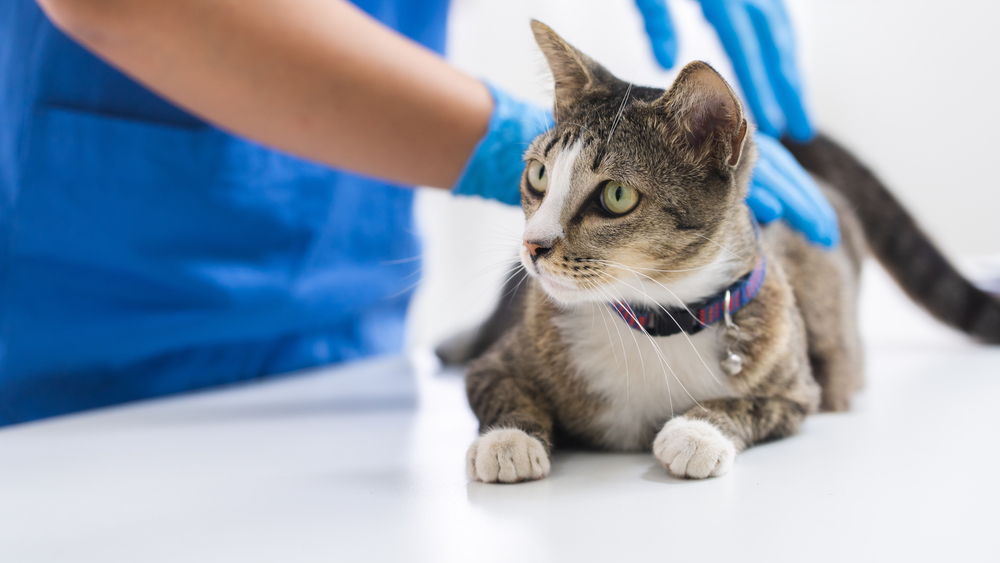
vet checking up the cat

Cats are biologically very different from humans, but what they have in common is a need for regular wellness checks. Even healthy cats should be examined at least once a year by a qualified veterinarian to ensure they are fit and healthy, and check for any signs of illness that aren’t easily seen. Let’s check out the benefits of regular cat checkups at the vet.

divider cats oct 2024

Top 4 Benefits of Regular Cat Checkups

1. Keeping Up With Their Different Life Stages

If you compare the average human life expectancy to that of our cats, we can see how our life stages line up:

Human Feline
Life expectancy 76.4 years 14 years
Geriatric > 60 years > 9 years
Middle age 36-60 years 2 -8 years
Young adult 19-35 years 10-24 months
Teenager 13-18 years 4-9 months
Child 0-12 years 0-3 months

By the time they’re 9 months old, our cats are the equivalent of an 18 year old human! So you can see why it’s important to have kittens checked regularly during those early months. As they get older, having a yearly check up is the equivalent to us visiting our doctor once every 7-8 years, which is why vets recommend that older cats be seen twice a year; the equivalent of older people having a check up every 3-4 years.

These health checks make sure that you and your vet are making sure that your cat is reaching appropriate milestones, eating the right foods, and staying healthy.

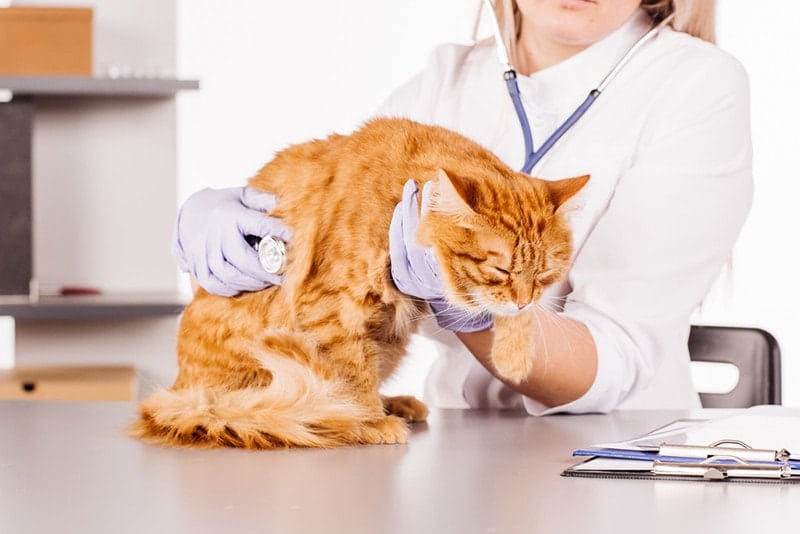
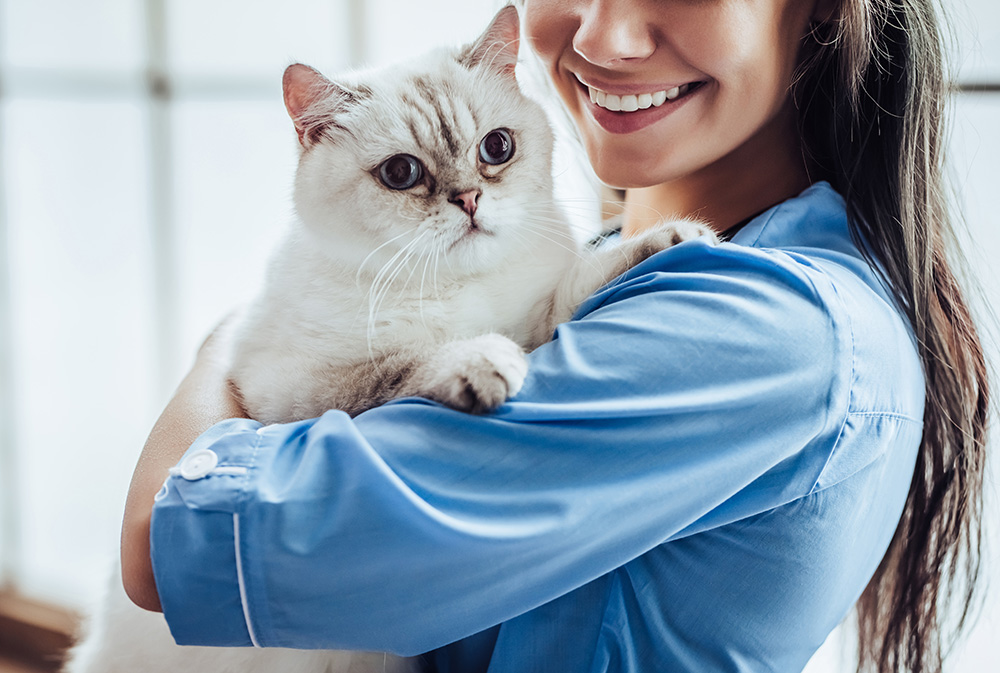
veterinarian examining a bengal cat at the clinic
Image By: Pressmaster, Shutterstock

2. Early Detection of Illness

Cats are very good at hiding when they’re sick, which can give us owners a run for our money as far as spotting signs of illness. It’s not unusual for a feline patient to be masking an illness long before they feel unwell enough for us to see the signs. Having regular wellness checks can result in early detection of disease, allowing us to be more proactive about treating it.

Here are some common problems picked up during a vet exam that might not be noticed at home:
  • Heart disease – a heart murmur or arrhythmia may be the sign of primary heart disease, or a range of other conditions, and can only be detected with a stethoscope.
  • Weight changes – we often don’t notice that our cat has lost or gained a lot of weight if it has happened over a period of time, so it is helpful to have regular weight and body condition checks in order to monitor changes over time.
  • Tumors – one of the things your vet is feeling for when they are squishing your cat’s belly is masses or tumors. If detected early enough, some tumors can be removed before they can cause more damage.
  • Kidneys – the size, shape, and feel of your cat’s kidneys can tell us a lot, even before a blood test might. Cat’s kidneys are usually quite easy for your vet to feel during a health check.
  • Pain – cats are masters at hiding pain, and it’s not until your vet checks certain areas that we might find that they are starting to get arthritis. When it comes to arthritis, early treatment gives the best long term results.
  • Dental disease – we might get a quick peek at our cat’s teeth when they yawn, but it’s not always easy to have a thorough look at home. Your vet can examine their teeth and gums, looking for early signs of dental problems.

3. Assessing Behavioral Issues

Things that might seem minor at home, can actually be an indicator of a significant problem, so never leave out any details about any changes you may have noticed.

Here are some examples of behavioral changes, and what they might mean:
  • Purring a lot more but not seeming happy – we all know that cats purr when they are happy and content, but sometimes they purr as a way of making themselves feel better. If you have noticed your cat purring at unusual times, it could be a sign that they are unwell or in pain.
  • Sleeping on cold surfaces – this might just be a way of staying cool in summer, but if they’re doing this in cooler weather too, it can be a sign of a fever. Cats can get high temperatures for a number of reasons, including infection, inflammation and cancer.
  • Excessive grooming – cats love to be clean, but sometimes their grooming regime goes into overdrive. This can be a sign of stress, pain, or skin disease, so be sure to mention it to your vet.
  • Staring into space, seeming confused – our older cats can be affected by dementia-like signs, referred to as Cognitive Dysfunction Syndrome. Although this sort of process is a normal part of aging, there are many things that we can do to help our geriatric felines. Vacant, staring behavior can also be a sign of kidney disease, high blood pressure (hypertension), and eye problems.

These are just a few examples, but it shows you how your cat’s behavior can tell us a lot about their health.

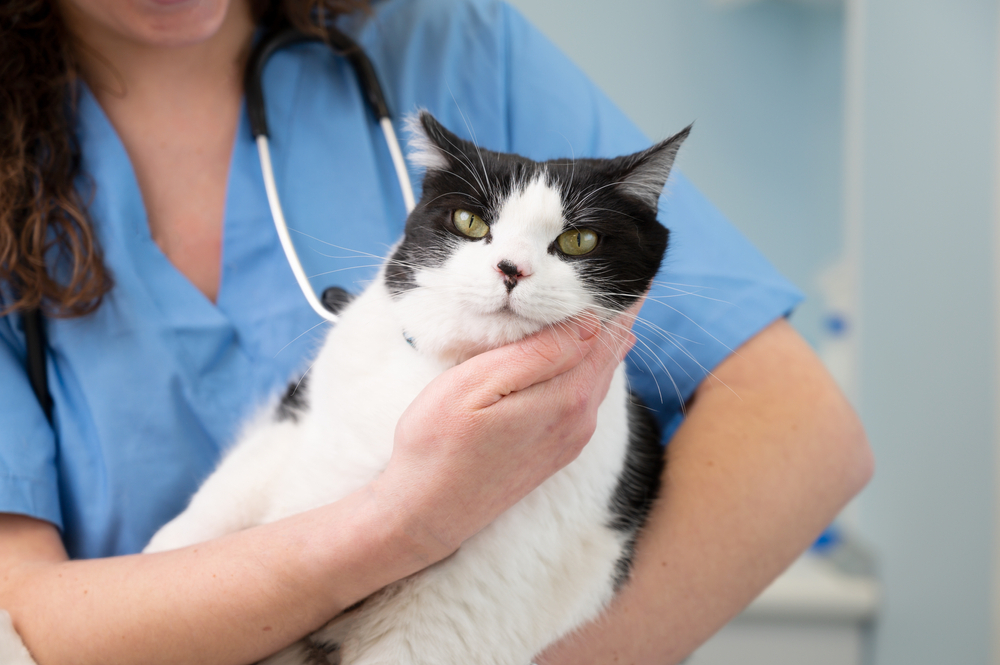
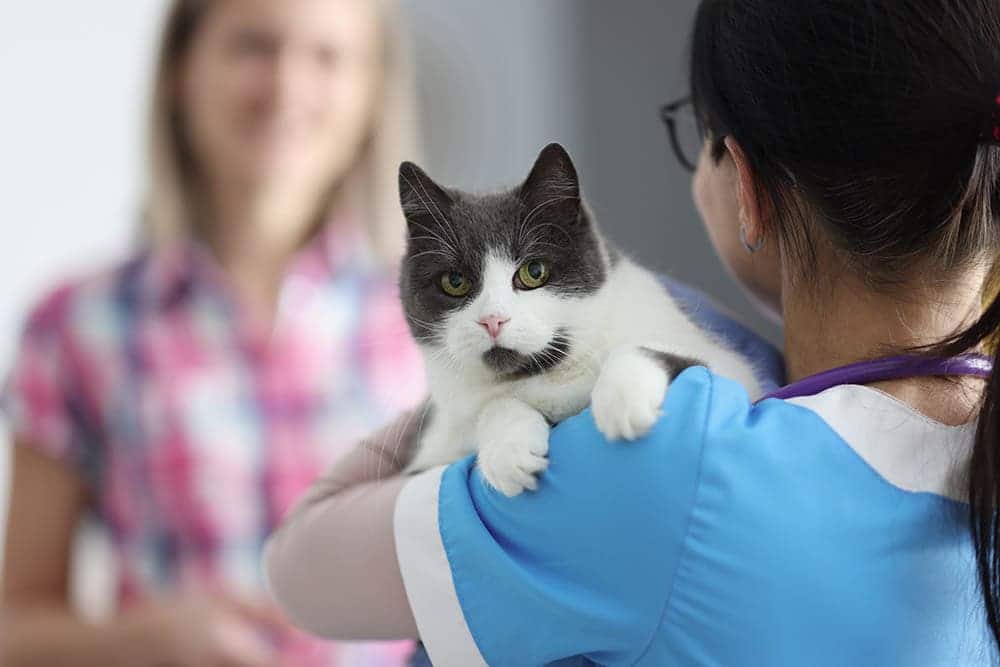
scottish-fold-kitten-in-vet-clinic
Image Credit: Ground Picture, Shutterstock

4. Keeping Up With Preventive Health

Depending on where you live, there may be different viruses and parasites that your kitty could be at risk from. Even cats that stay indoors can be infected with airborne viruses like cat flu, and fleas aren’t exactly deterred by a locked door. Kittens should be inoculated against common feline viruses, including rabies, and these vaccinations need to be boosted after a year. Even if you decide not to continue with yearly vaccinations, you should make it a priority to keep up with yearly checkups in case there are changes in disease prevalence in your area that you need to be aware of.

Flea, tick, heartworm and intestinal worm treatment and prevention is a must for outdoor cats, but is also important for those that stay indoors. Your annual check up is an ideal time to talk to your vet about your concerns and work out a plan that works for you and your cat. Don’t be afraid to talk to your vet if you prefer to use more natural remedies – they can advise you about what is safe, what is dangerous, and what might be most effective.

If you need to speak with a vet but can't get to one, head over to PangoVet. It's an online service where you can talk to a vet online and get the advice you need for your pet — all at an affordable price!

PangoVet_Mention-in-Content for PangoVet2 save money

divider cats oct 2024

How Often Should My Cat Have a Wellness Exam and What’s Involved?

The average adult cat should have a wellness exam every year, while kittens need wellness checks monthly until their growth levels out at maturity. Senior cats at higher risk for developing health problems should be examined more frequently—most experts recommend biannual wellness checks.

For a more precise idea of what a cat wellness exam entails, let’s take a look at what kinds of tests you can expect to see performed at your vet’s office.

Cat’s Wellness Exam Tests Typically Include:
  • Questions about your cat’s behavior and general lifestyle.
  • Questions about changes in your cat’s water and food intake or litter box habits.
  • Checks to ensure your cat is at a healthy weight and size for their age.
  • Updates on recommended vaccinations or medications for your cat.
  • Vital assessments such as taking your cat’s pulse, resting respiratory rate, and temperature.
  • Listening to your cat’s heart and lungs with a stethoscope.
  • Eye exam with an ophthalmoscope.
  • Physical assessment looking for unusual growths, bumps, and lumps that could indicate cancer.
  • Coat and muscle assessment to ensure the muscles and coat are in healthy condition.
  • Skin check to search for ticks, fleas, mites, and other skin-level problems.
  • Eye and ear check to look for excessive discharge, earwax, or other concerning signs.
  • Dental check to make sure your cat’s teeth are healthy and not in need of further dental care.

Depending on how healthy your cat is, that may be all that is involved. However, depending on your cat’s lifestyle, age, and physical condition, your vet may recommend some additional tests.

For example:
  • Elderly cats or those that are drinking more water than usual, or have lost weight, should have a blood test to check their kidney and liver function and screen for diabetes and hyperthyroidism.
  • Cats showing some gastrointestinal issues may need fecal screening to check for internal parasites.
  • If you are traveling with your cat, they may require additional blood tests and vaccinations.

Wellness checks are also the ideal time to ask your vet any questions about anything that’s been worrying you about your cat, whether it’s a change in their behavior or a change in their toileting habits. There are absolutely no silly questions when it comes to your cat’s health, so don’t be afraid to ask any questions if you believe it’s important!

divider cats oct 2024

Wrapping Up

Cats might prefer to hide it, but they get sick too. Our feline friends can’t tell us when they’re feeling under the weather, which is why regular cat checkups are essential for their continued development and health. Prevention is always better than cure, and early intervention leads to much more favorable outcomes. So if you think your healthy kitty doesn’t need a vet check, think again; it might just save their life.

See Also: 


Featured Image Credit: Eliz A, Shutterstock

Want content like this delivered to you?

Sign Up For Our Newsletter

News, insights, expert advice, and everything cat

* By submitting, you agree to our Terms & Conditions and Privacy & Cookies Policy.

How useful was this post?

Click on a star to rate (you can leave written feedback after clicking submit)

Help us improve Catster for pet parents!

Your feedback really matters.

What did you like about this post? Also how can we improve it?

Join the conversation

Leave a Reply

You’re very welcome to leave a comment or question. Please know that all comments must meet our community guidelines, and your email address will NOT be published. Let’s have a positive and constructive conversation.

Talk With A Vet Online

Peace of mind,
anywhere, anytime

Affordable vet advice

Calico Maine Coon Cat Breed: Info, Pictures, Temperament & More

Are you in the market for a colorful, sweet feline that is as soft and fluffy as your favorite blanket? The Calico Maine...

Can Cats Eat Waffles? Vet-Reviewed Facts & FAQ

Did your cat take a sneaky nibble from your breakfast? Don’t panic: a bite out of a waffle now and then isn’t going...

Seroma in Cats: Causes, Prevention, Signs & Treatment (Vet Answer)

It is not uncommon for owners to notice a swelling around the area where a surgical incision has been made. The most likely...

PetFriendly Subscription Box Review 2025: A Detailed Look

There’s a lot that goes into keeping your cat healthy and happy. If you’re looking for an easier way to get all the...

More related

Do Cats Like Pillows? Vet-Reviewed Behavior Science & Info

Cats are the queens and kings of sleep. They spend an average of 15 hours a day sleeping and sometimes as much as...

Cat People vs Dog People: Are They Really That Different?

As of 2024, about 66% of US households—86.9 million homes—own a pet. Dogs are more popular, with 65.1 million US households owning at...

Why Is My Cat Gagging? 7 Vet-Reviewed Reasons

If you’ve recently seen your cat gagging, you may wonder what causes it and whether you should be concerned. Gagging is a confusing...

Best Waters for Cats: 6 Vet-Reviewed Types & FAQ

Although cats aren’t known to lap up a bowl of water like dogs, they need to remain hydrated, and it is also crucial...

Keep reading

Can Cats Eat Hot Sauce? Vet-Verified Safety Guide

Knowing what your pet can and can’t safely eat is part of your responsibility as a pet owner. Unfortunately, no matter how careful you are, cats have their own mind. Sometimes they eat things that they shouldn’t, and smelly human...

Can Cats Eat Hot Sauce

Do Cats Feel Love When You Kiss Them? Facts & FAQ

For some of us, there is no greater love than the one we share with our pets. We will do whatever is needed to keep them safe and happy, spend a lot of time and money on them, and shower...

young man kissing a tabby cat in his arms

Why Is My Cat’s Nose Wet? Vet-Approved Answer

If you live in the Northern Hemisphere, the winter months bring with them cold and flu season. Red, runny noses plague humans during this time, but what does it mean when a cat has a cold, wet nose? If you’re...

nose and mouth and whisker of a cat close-up

9 Best Cat Wipes for Baths & Cleaning in 2025 – Reviews & Top Picks (Vet-Reviewed)

Cats typically are fastidious groomers. Pet owners don’t usually consider grooming their cats all the time, unless they have a skin condition necessitating it, are older and less able to take care of themselves, or if they get into something....

Woman-use-a-cleaning-cloth-Wipe-a-cats-fur-bathe-ginger-cat

Is Caladium Toxic to Cats? Vet Approved Facts & Safety Tips

The pinkish-red and green heart-shaped leaves of the caladium plant make it a vibrant addition to any household. However, its pretty appearance is deceptive: Caladium is toxic to cats, dogs, horses, and humans1. Ingesting the plant can make your cat...

Catster_Is Caladium Toxic to Cats

Can Cats Eat Vanilla? Vet-Reviewed Facts & FAQ

Vanilla, scientific name Vanilla planifolia, is not toxic to cats in its natural form, but it is also not something cats should be eating. As an ingredient, it doesn’t actually add much to the food but flavor, which cats do...

Can Cats Eat Vanilla

10 Best Cat Litters in UK (2025) – Reviews & Top Picks

Keeping our cat’s litter trays clean probably doesn’t rate highly on any cat owner’s list of favorite things to do, but it’s a job that’s certainly made easier by using the right type of cat litter. Whether you’re looking for...

Cat with Litter Box

Why Is My Cat Peeing in the Laundry Basket? 8 Vet-Reviewed Reasons

When your cat pees somewhere they’re not supposed to, it can be both distressing and completely baffling. Rest assured that your cat is not doing this out of spite or to annoy you. Peeing anywhere outside the litter box can...

cat in laundry basket