My Older Cat Is Losing Weight: 10 Vet-Reviewed Reasons


The average feline lifespan has increased over the years, and today, it's not uncommon to meet cats that are 18, 19, 20, and even 20+ years old! And while they are considered "seniors" at the ripe old age of 11-14 (and geriatric at 15 and older), some don't slow down until much later.
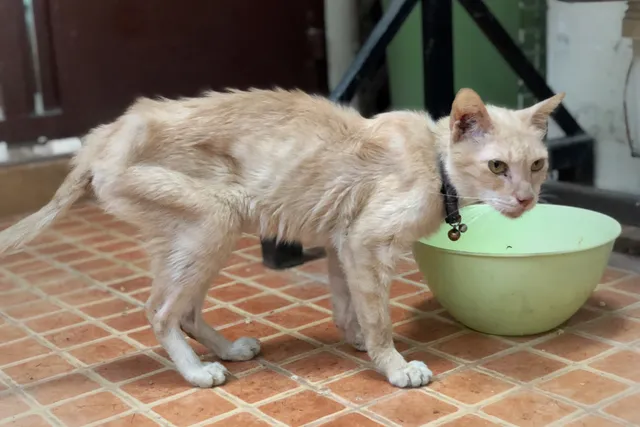
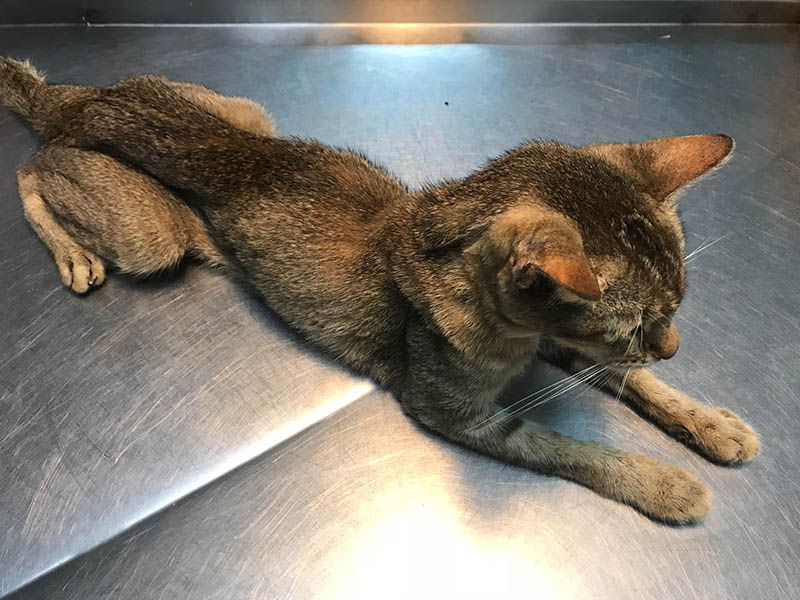
Weight loss is common in aging felines and is often an early sign of underlying illness and, as such, should never be ignored. Cats of any age who don't eat for 24 hours or more need to be examined by the veterinarian as soon as possible. Otherwise, this will easily lead to dehydration and many other serious health complications.
Read on to learn more about the 10 most common reasons older cats lose weight and a few tips on how to keep your buddies healthy as they age. Please keep in mind this article is not a replacement for veterinary advice and clinical exam, and if you are in any way worried about your older cat, get in touch with the vet immediately.

The 10 Common Reasons Your Older Cat Is Losing Weight
1. Dietary Changes
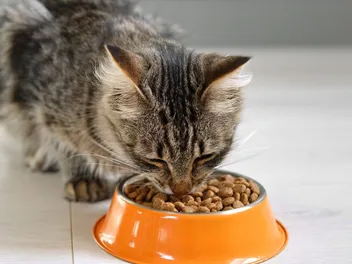
Cats are notoriously picky eaters, and some don't appreciate dietary changes. If you've recently switched your cat to a senior formulation or a prescription diet designed to support urinary tract or kidney health, your cat may still be adjusting to their new food.
To prevent this from happening, make sure to slowly transition your cat from one type of food to another over at least seven days. Start by adding a small amount of the new product to the food your cat is accustomed to.
Then, increase the amount of the new option just a bit every day while decreasing how much old food you give your cat. Never let an elderly cat or a kitty suffering from chronic kidney disease go without eating for more than 24 hours before having them evaluated by a veterinarian.
2. Dental Disease
Dental disease and oral pain are a relatively common cause of senior feline weight loss. Cats often suffer from dental diseases such as gingivitis and periodontitis. These will get worse as they age, leading to potentially harmful systemic health effects, particularly for the kidneys and the heart, if left unattended. Tooth root disease can lead to an abscess that makes it painful for kitties to chew and can even lead to tooth loss.
Common signs of dental disease in cats include bad breath, drooling, discharge from the mouth, occasional bleeding, tilting the head to one side while eating, chewing awkwardly, eating less, a preference for wet food over dry, and a complete loss of appetite. Your cat may need to have one or more teeth removed. When it comes to dental disease, prevention is hands down the best option.
Regular tooth brushing at home, ideally daily or every few days, between routine veterinary visits and regular professional teeth cleanings under anesthesia, are the best ways to keep your cat's teeth nice and healthy. Make sure to use feline-specific veterinary toothpaste when brushing your cat's teeth, as human dental care products often contain fluoride, which is toxic to cats.
3. Chronic Kidney Disease (CKD)
Chronic kidney disease is a common disease seen in elderly cats. While there's no cure, it can often be managed with lifestyle changes, such as feeding a prescription renal diet designed to support kidney health and bumping up the amount of water your cat drinks. Cats with kidney disease have signs of an excessive thirst and increased urination, alongside a reduced appetite and weight loss. Despite drinking more, they often struggle to stay hydrated, as their kidneys are not functioning properly and are unable to concentrate their urine.
Cats suffering from chronic kidney disease often have secondary trouble with anemia, protein in the urine, frequent urinary tract issues, and high blood pressure. The buildup of toxins in the bloodstream as the kidneys become less efficient often results in cats feeling sick, becoming lethargic, and losing interest in food.
With supportive therapy, cats diagnosed with CDK can live for anywhere from a few months to several years, depending on the stage at which the disease is discovered, the suspected underlying cause, and the cat's tolerance and acceptance of the required symptomatic treatments.

4. Diabetes
Diabetes affects a cat's ability to produce or use insulin effectively. It occurs more often in overweight, older male cats that don't get much exercise. Obese cats are at serious risk for developing the condition; they're four times more likely to end up diabetic than cats that don't suffer from weight issues.1
Long-term use of steroids can also contribute to the development of feline diabetes. There are technically two types of diabetes: type 1 and type 2. Most cats suffer from type 2 diabetes, and their bodies no longer respond appropriately to insulin. As a result, their blood glucose levels remain high while their cells can't receive the glucose needed to support metabolic and nutritional needs.
The most common signs include weight loss without a corresponding decrease in food intake, increased urination, and higher fluid intake than usual. Treatment most often involves dietary changes and insulin injections.
5. Hyperthyroidism
Hyperthyroidism, otherwise known as thyrotoxicosis, is another disease veterinarians commonly encounter in cats over 11 years old. It happens when your cat's thyroid starts producing too much of the T3 and T4 thyroid hormone and is commonly accompanied by excessive thyroid gland growth or the presence of an adenoma, a common benign feline tumor.
Veterinarians and scientists aren't sure what causes thyroid disease in cats, although there is speculation that the condition is associated with exposure to environmental toxins.2 Common signs include weight loss as well as increased appetite, urination, and fluid intake. Some cats have gastrointestinal signs, such as vomiting and diarrhea.
Blood tests and a physical exam are often used during diagnosis. Treatment options include medication, iodine treatment, surgery, and dietary changes. Radioactive iodine requires just one injection of a radioactive isotope and usually results in the restoration of thyroid function within months.

6. Cancer
There are many types of cancer in cats, and they become more common as they age. They may involve the mouth, gastrointestinal tract, skin, kidneys, liver, pancreas, or any other organ system. The most common feline neoplasia is lymphoma, which involves lymphocytes. The most common type of lymphoma in cats is intestinal lymphoma.
Signs of cancer in cats may involve difficulty eating or chewing, drooling, nausea, vomiting, diarrhea, reduced appetite, weight loss, skin lumps, breathing difficulties, and many more, depending on the type and location. There are several treatment options for some types of cancer, and they may include surgical removal, chemotherapy, corticosteroids, or palliative care. Early detection is crucial in providing the best possible outcome and making the cat feel more comfortable.
7. Feline Dementia
Unfortunately, our older kitties can also suffer from cognitive decline, including feline dementia.
The signs of cognitive decline may be linked to a neurological condition impacting the brain.3 Gradual changes begin to occur when an affected cat reaches 10 or so and continue undetected until there's so much deterioration that behavioral changes become impossible to miss. Common signs may include disorientation, excessive sleeping, an altered day and night cycle, reduced activity, lack of interest in interacting with humans, increased vocalization, staring at the walls, and going to the bathroom in inappropriate places.
Some cats with the condition show little interest in food and, as a result, may begin to lose weight. However, the changes in appetite, vocalization, and toileting habits may also indicate another underlying health issue and need to be assessed by a veterinarian. There's no cure for feline dementia, so "treatment" and environmental modification aims to keep your cat as healthy as possible and give them the best possible quality of life.

8. Inflammatory Bowel Disease (IBD)
Cats suffering from inflammatory bowel disease often lose weight because their bodies struggle to digest food due to digestive tract inflammation. While the condition is found in cats of all ages, it's most common in kitties over 10 years old.
It's surprisingly similar to both human and canine IBD when it comes to signs and treatment. Although the precise causes of the condition haven't yet been identified, it appears the disease is linked to the way the immune system interacts with the environment, the food a cat eats, and gut bacteria.
The most common signs of IBD are weight loss, diarrhea, vomiting, lethargy, and appetite loss. Diagnosing feline IBD can be difficult as many of the condition's signs overlap those of other diseases commonly seen in older cats, including cancer. Blood tests, fecal analysis, ultrasound of the digestive tract, and X-rays are regularly used to narrow things down.
9. Exocrine Pancreatic Insufficiency (EPI)
EPI occurs when a cat's pancreas has suffered so much damage that it can no longer properly produce digestive enzymes. Weight loss is characteristic of the condition as digestive enzymes are required for your cat to adequately break down food to obtain the nutrients they need to thrive.
Signs of the disease include weight loss, diarrhea, loss of appetite, and a dull coat.4 Chronic pancreatitis is the most common cause of the condition, particularly in older cats. Veterinarians rely mostly on blood tests to diagnose the disease. But keep in mind that many kitties with this condition have multiple health problems that must be addressed.
Treatment most often involves dietary supplementation to ensure your cat gets all the pancreatic enzymes they need for digestion. Many veterinarians prescribe supplements such as cobalamin and folate to address nutritional deficiencies.

10. Arthritis
If your cat is in chronic pain due to osteoarthritis, there's a good chance they may reduce their food intake and start to lose weight. Other signs a cat may be suffering from arthritis include gait changes and a reluctance to jump. Many cats with the condition walk gingerly, won't go near stairs, and generally have no interest in physical activity. They may struggle to get in their litter box and may stop going out altogether.
Pain relief is vital when it comes to arthritis, and a vet will recommend the most appropriate medicine for your cat, depending on their underlying health. Meloxicam, a popular non-steroidal anti-inflammatory often prescribed for feline pain, is contraindicated in cases of liver and kidney disease or gastrointestinal ulceration and is not licensed in the U.S., besides the single use for postoperative pain. The FDA has only approved the injectable version of the drug for one-time use in cats.
If you suspect that your cat is experiencing any of the above, it's best to contact a vet for more information and determine your next steps.
Conclusion
Older cats can lose weight for several reasons, including dental disease, oral pain, digestive issues, cancer, and systemic diseases, such as diabetes and hyperthyroidism. Most veterinarians recommend that cats over the age of 11 have twice-yearly checkups along with regular blood tests to keep an eye on their liver function, kidney health, and blood sugar levels.
But even with regular veterinary visits, high-quality food, and plenty of love, it's surprisingly common for older cats to lose weight and become relatively thin over time. Advocate for your cat and insist on a full workup if you notice any signs of illness, such as appetite changes, in addition to weight loss or changes in thirst and urination.
Sources
Feline Dental Disease | Cornell University College of Veterinary Medicine.
Chronic Kidney Disease | Cornell University College of Veterinary Medicine
Is It Dangerous for Cats to Go Without Food? | Why Cat Won't Eat | PetMD
Supporting Quality of Life in Feline Patients with Chronic Kidney Disease | The Veterinary Nurse
Feline Diabetes | Cornell University College of Veterinary Medicine
Hyperthyroidism in Cats | Cornell University College of Veterinary Medicine
The Special Needs of the Senior Cat | Cornell University College of Veterinary Medicine
How Often Should I Take My Cat to the Veterinarian? - Animal Medical Center of Chicago.
Is Your Cat Slowing Down? | Cornell University College of Veterinary Medicine
Inflammatory Bowel Disease | Cornell University College of Veterinary Medicine
Fluoride Poisoning in Animals - Toxicology - Merck Veterinary Manual
Image Credit: M. Sam, Shutterstock
Expert cat care, straight to your inbox
News, insights, and useful advice, delivered to you.

No spam — unsubscribe anytime.
By signing up, you agree to our Terms & Conditions and Privacy & Cookies Policy.
How useful was this post?
Click a star to rate. You can leave written feedback afterwards. (We read all feedback.)
Lorre Luther is a writer who is firmly convinced that cats are smarter than humans. She left her law career in the United States and moved to the Netherlands to follow her dream of becoming a writer. Lorre currently lives in Rotterdam, she enjoys traveling and greatly appreciates the beauty of nature. Lorre has a spot for animals and admires the intelligence of cats.