Why Won't My Senior Cat Eat? 6 Vet-Reviewed Ways to Help


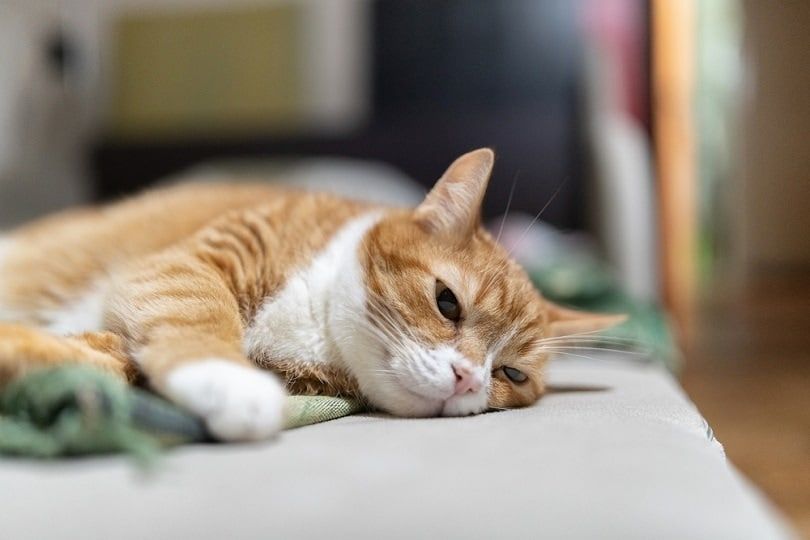
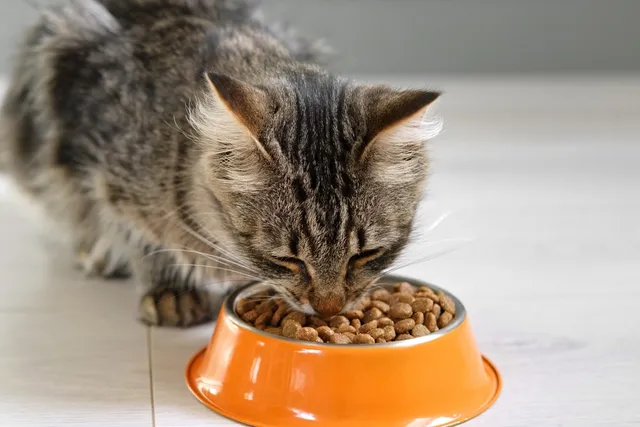
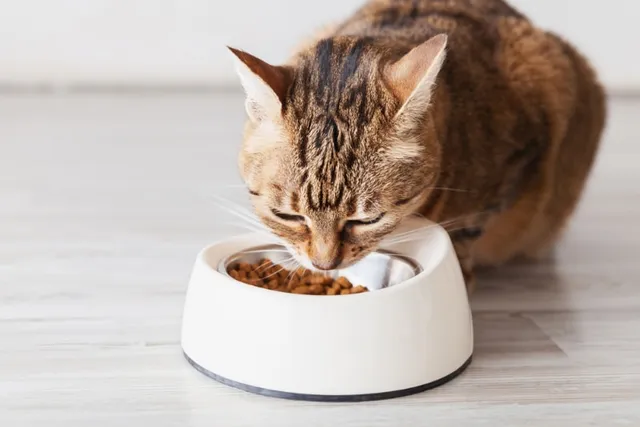
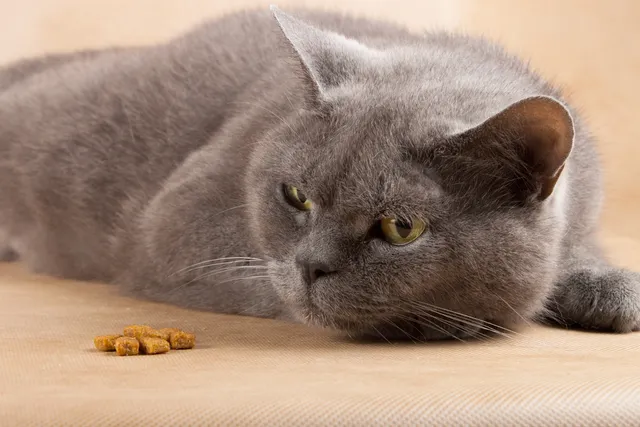
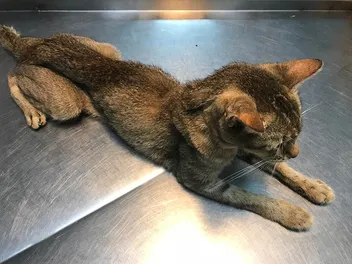
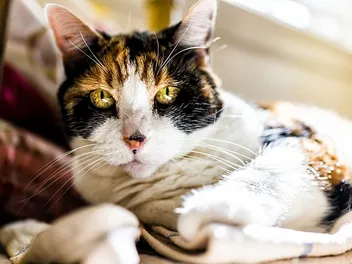
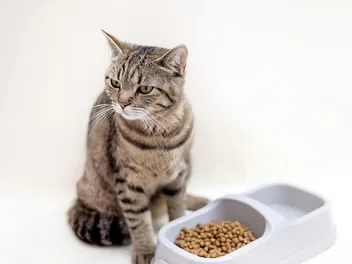
If your cat reaches their golden years, their appetite can decrease. This can happen for a few reasons, but cats will need intervention and care from their owners to feel well again. If your old cat is not eating their food, here are our recommendations to get them eating again.

The 6 Ways to Help Your Senior Cat Who Won't Eat
1. Take your old cat to the vet as a matter of urgency
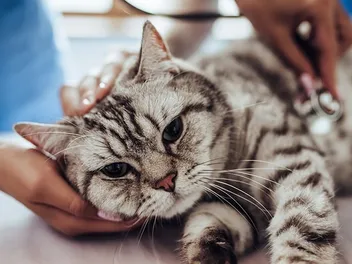
The first thing that you should do if your elderly cat isn’t eating as much is to book them for a check-up with your vet as soon as possible. Pain can cause your cat’s appetite to drop, so it’s important to rule out any possible issues causing your cat's pain.
Dental problems and gum disease can be common in older cats, and they are frequently accompanied by a lack of appetite. Infections, pancreatitis, cancer, and intestinal problems are all issues that your vet will rule out as they examine your cat.
Call your vet as soon as you notice that your old cat is not eating their food. Don’t wait longer than 12 hours before seeking medical advice. The longer you wait, the higher the chances that your cat will develop serious dehydration or medical issues.

2. Rule out feline upper respiratory infection
Feline upper respiratory infections (URI) are usually caused by the feline herpesvirus type-1 or the bacteria Chlamydophila felis (C. felis) and Bordetella bronchiseptica (B. bronchiseptica). Feline URI can affect your cat’s sense of smell, which can, in turn, lead to a decreased appetite.
Signs include:
Once diagnosed, cats with feline URI can usually be treated at home, but your vet will advise which medications you need to administer. If your cat is severely dehydrated, they may need to stay at a vet hospital for IV fluid replacements.
3. Consider changes to your cat’s environment
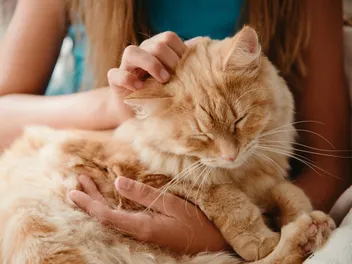
Stress and anxiety can cause your elderly cat to stop eating as much as normal. If there have been any recent changes in your cat’s environment, they may feel anxious. Moving to a new house, bringing a new baby or pet home, or more house visitors than normal can all trigger anxiety. Your cat may show the following signs:
Speak to your vet if you’re concerned that your cat’s lack of appetite is linked to anxiety or stress. They can prescribe anti-anxiety medication or recommend feline pheromones, which can help your cat feel more secure and calm.
4. Try warming your cat’s food
If your vet has checked over your cat and ruled out illnesses, pain, or anxiety, you can move on to encourage your cat to eat by adjusting a few things about their food. Sometimes, warming your cat’s food to around body temperature can tempt them to eat.
If your cat eats dry food, try dampening it with lukewarm water or a simple chicken broth without salt or seasonings. If they prefer wet food, you can place it in a water bath to gently heat it through. We don’t recommend heating in a microwave since it can leave hot spots that could be dangerous for your cat.
As cats age, their sense of smell and taste begins to decrease. Warming your cat’s food can make it smell stronger and potentially encourage your cat to try it.
5. Offer your cat a tempting wet food or broth
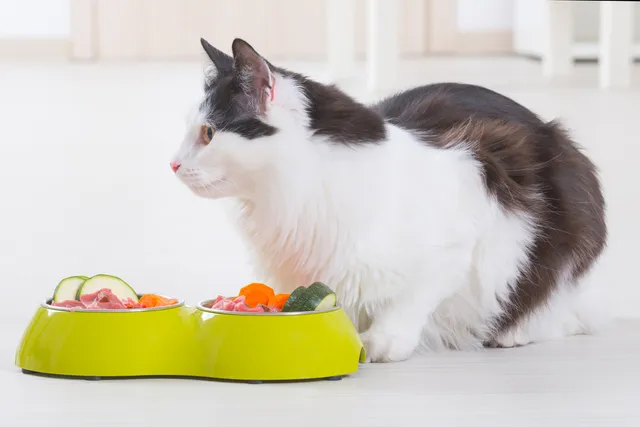
If your elderly cat is turning up their nose at their dry food, you may be able to tempt them to eat a palatable wet food or broth. Choosing a wet food that combines chunks of meat and gravy is a good idea, as your cat may lick the gravy and then be tempted to eat the chunks of meat.
The advantage of broths is that they help your cat stay hydrated, but choosing a nutritious one is always a good idea.

6. Offer a lickable cat treat
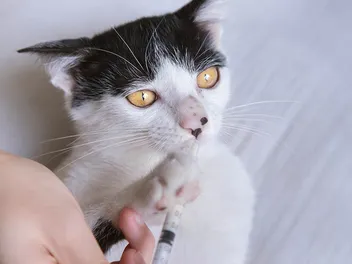
Lickable cat treats can encourage a fussy elderly cat to eat something. You can squeeze them out of the tube for your cat to lick or place the contents in a bowl. Bear in mind that the treats are not designed to provide long-term nutrition for your cat, so this should only be a short-term solution while you’re waiting for a vet appointment.
Why Not Eating is Dangerous for Cats
As soon as your cat stops eating, they need to use their fat reserves to create the energy needed for everyday activities. For the fat to be used by their bodies, it has to be processed by the liver. However, all the fat that is mobilized out of the body’s reserves and broken down rapidly to supply a cat's energy needs ends up overwhelming the liver’s ability to process it.
The excess fat is then stored inside the liver, compromising the natural tissue structures and functionality. This life-threatening condition is called hepatic lipidosis, which, if left untreated, can cause liver failure. Obese cats that stop eating are at a greater risk of hepatic lipidosis due to the larger amounts of body fat reserves stored in them.
Conclusion
There are a few issues that could cause your old cat to stop eating, and they all need investigating as soon as possible. If your elderly cat hasn’t eaten for 12–24 hours, it’s vital to call your vet and ask for advice. Waiting longer will increase the risk that your cat develops dehydration or medical complications.
You might also like:
Featured Image Credit: shymar27, Shutterstock
Expert cat care, straight to your inbox
News, insights, and useful advice, delivered to you.

No spam — unsubscribe anytime.
By signing up, you agree to our Terms & Conditions and Privacy & Cookies Policy.
How useful was this post?
Click a star to rate. You can leave written feedback afterwards. (We read all feedback.)
Emma is a freelance writer, specializing in writing about pets, outdoor pursuits, and the environment. Originally from the UK, she has lived in Costa Rica and New Zealand before moving to a smallholding in Spain with her husband, their 4-year-old daughter, and their dogs, cats, horses, and poultry. When she's not writing, Emma can be found taking her dogs for walks in the rolling fields around their home...and usually, at least some of the cats come along, too! Emma is passionate about rescuing animals and providing them with a new life after being abandoned or abused. As well as their own four rescue dogs, she also fosters dogs for re-homing, providing them with love and training while searching for their forever homes.