Why Is My Cat Not Eating After Our Move? Vet-Reviewed Stressors


In this article
Moving can be a very exciting experience, but it is also a very stressful time for all involved. After all, you are packing up your entire life and moving it elsewhere. Regardless of the distance and how smooth the process may be, you are still putting a wrench in your normal routine and are forced to adapt and readjust to a new lifestyle.
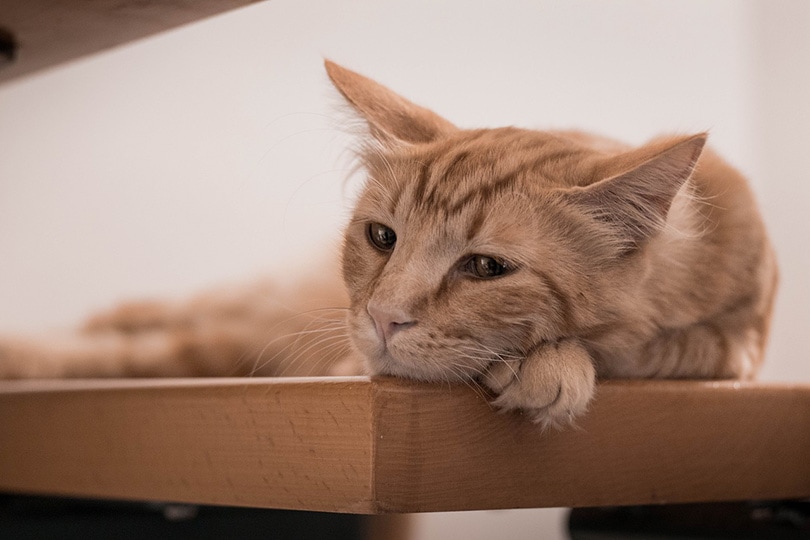
While we are busy dealing with all the stress and responsibility surrounding a move, it’s easy to forget how much our pets can be affected by the ordeal, especially cats. If your cat has been refusing meals since the move, it’s most likely due to stress. Here, we will discuss the impact a move can have on your cat, what to keep an eye on, and how to best help your cat adjust and regain their appetite.

Cats & Moving to a New Home
Cats are delicate creatures that are highly sensitive to changes in their environment and routine. These little creatures of habit can be greatly affected by moving to a new home. This life change is very disruptive, even under the best of circumstances. From packing up the old house to settling into the new one, the stress is bound to be high.
If the moving process is complete and you are no longer hauling in box after box, you’d think the stress would begin to subside. Well, that’s not always the case. If the adjustment period has begun and you have noticed your cat is refusing to eat, this is a telltale sign that their stress levels are still very high.

Other Signs Your Cat is Stressed
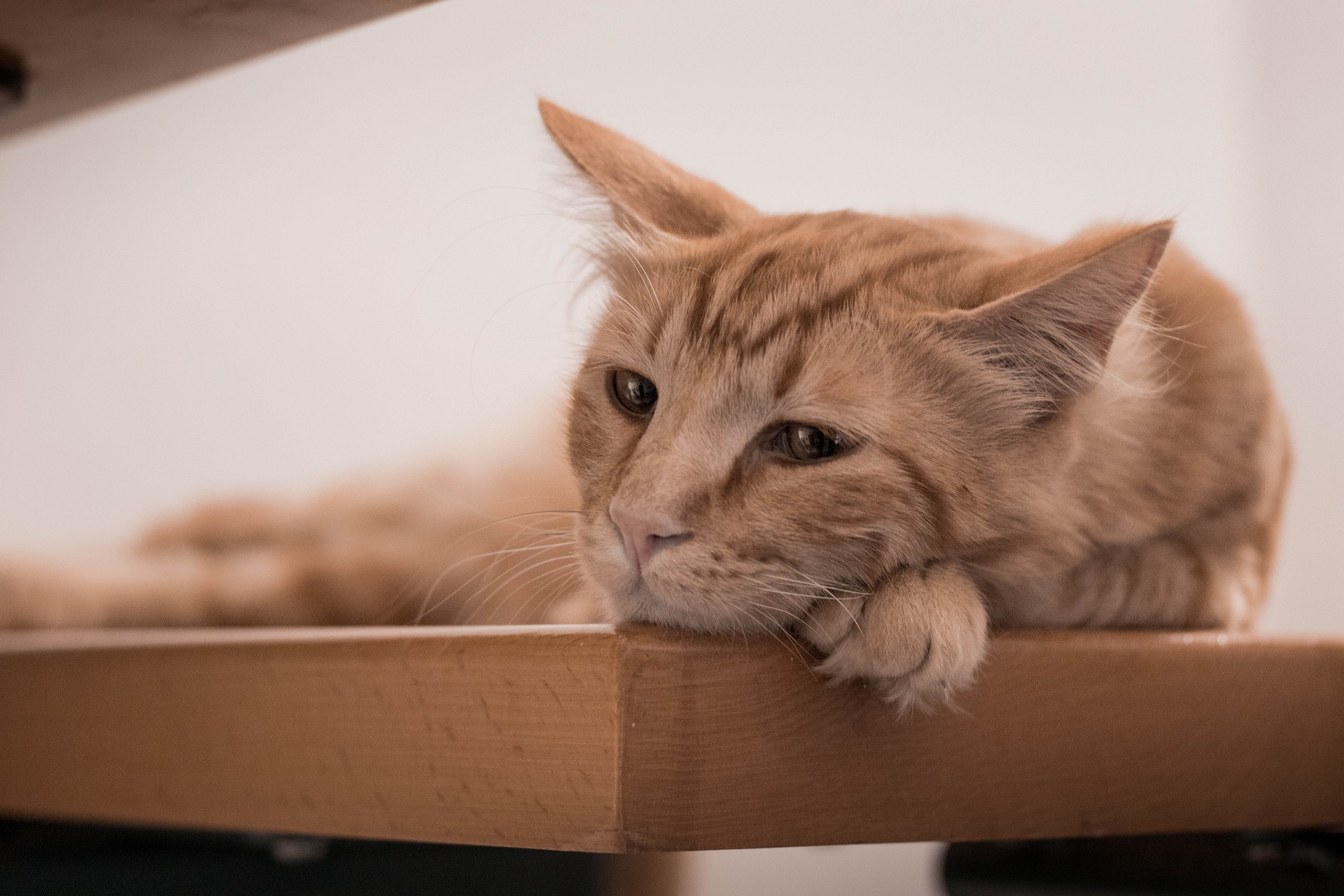
A lack of appetite is just one of the many signs a cat is experiencing high levels of stress. Below is a list of some other signs that also indicate your cat is suffering from stress. Keep in mind that these behaviors can also be indicative of underlying health conditions, and if these signs persist for more than 24 hours, you should contact your veterinarian to have your cat examined.
Appetite Changes
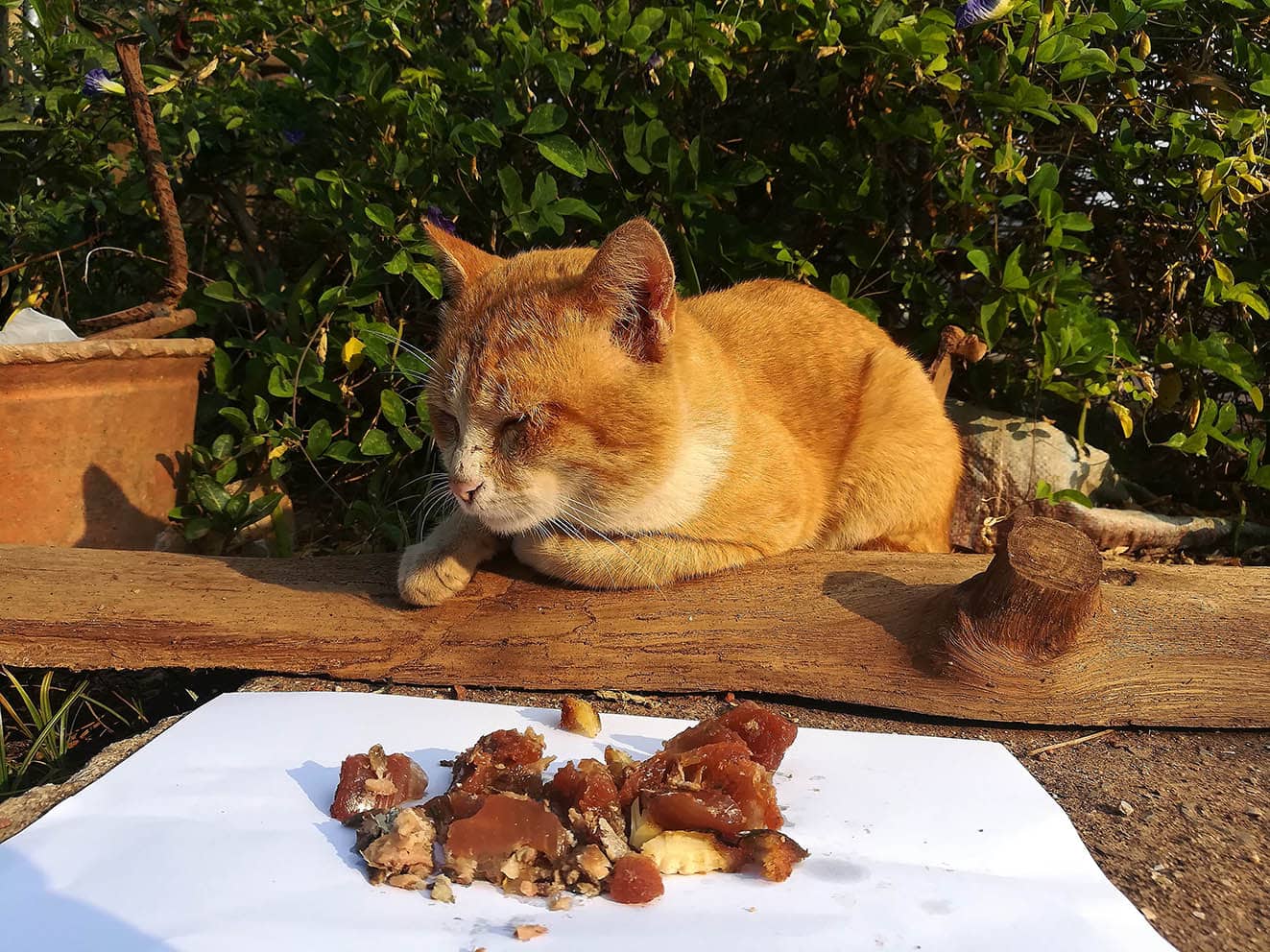
Refusing to eat is a common sign your cat is feeling stressed, but so are overall changes in appetite. Your cat may be displaying pickier tendencies than normal, may refuse to drink, or may even resort to overeating. Just like with humans, stress can affect all of us differently. These changes must be monitored closely, as cats need to eat and drink regularly for their overall health.
If your cat refuses to eat for 24 hours, it’s time to speak to a vet and get them checked out, to rule out an underlying health issue that may be occurring at the same time as the move. Not eating for more than 24 hours, particularly in overweight cats, can lead to further serious health complications, one of which is fatty liver, so do not ignore this sign if it persists longer than a day.
Hiding
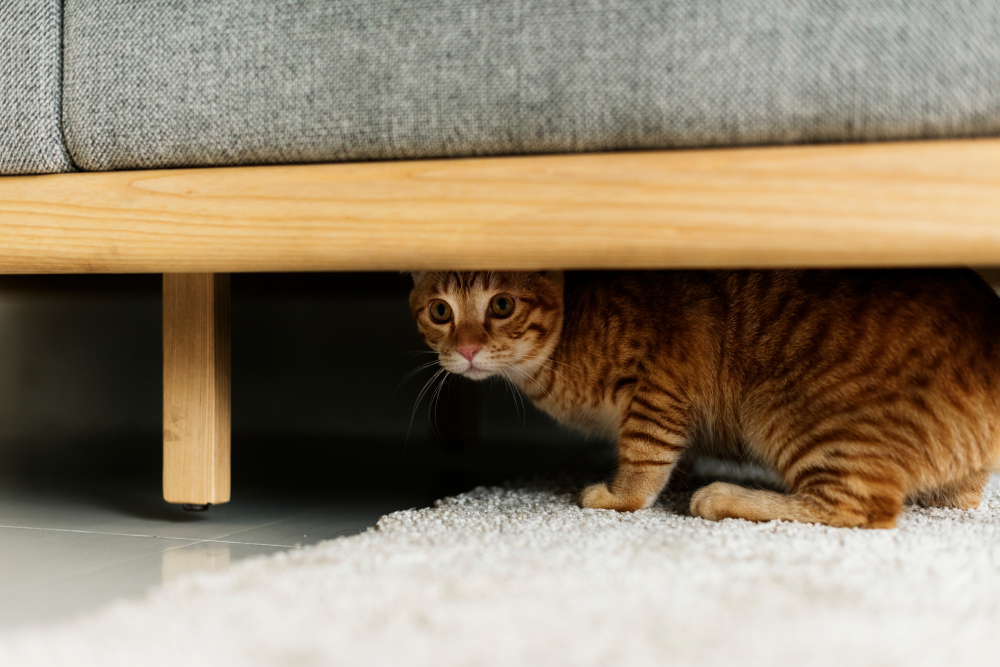
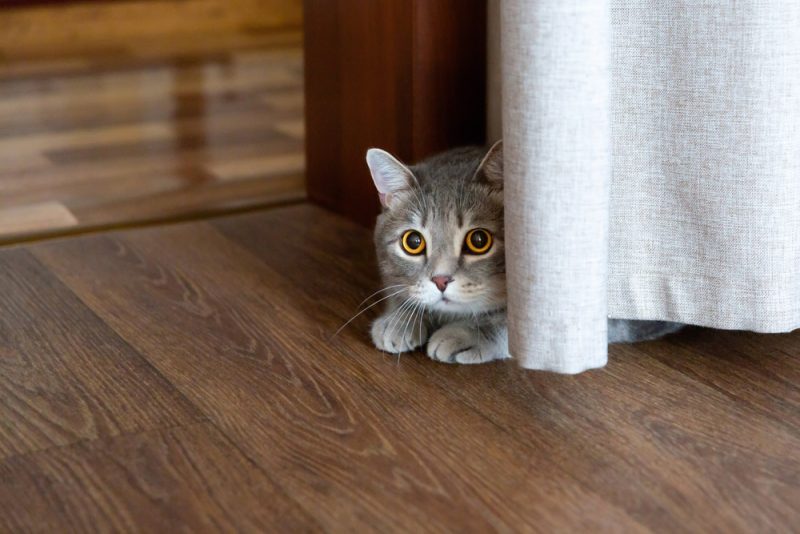
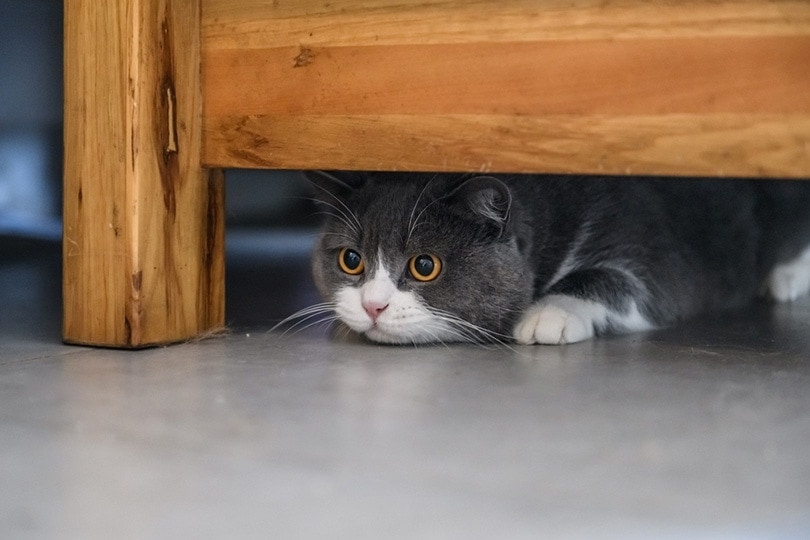
Cats tend to hide away when they feel stressed, anxious, or fearful. If you’ve just moved into a new home, you may notice your cat has disappeared. They likely feel so uncomfortable because of the new, drastic change, so they are seeking out a quiet, safe place to make them feel more secure. Some cats may not display this behavior, while others may hide for extended periods. Ideally, after a short period, they will begin to feel secure enough to come out of hiding and explore their new environment.

Aggression or Change in Normal Behavior
Do you ever feel so stressed and overwhelmed that you lash out at others? Well, your cat may do the same under stressful circumstances. A change in routine and environment leaves your cat feeling vulnerable and insecure, and it can leave them acting completely out of character. It can take time for them to adapt and adjust to a massive life change.
Increased Vocalization
Some, but not all, cats may dramatically increase their vocalizations during times of stress. The vocalizations can vary from growling, hissing, or spitting when frustrated to more of a howling sound or even excessive meowing. The vocalizations may depend on how they are reacting to human contact during this time.
Changes With Human Interaction
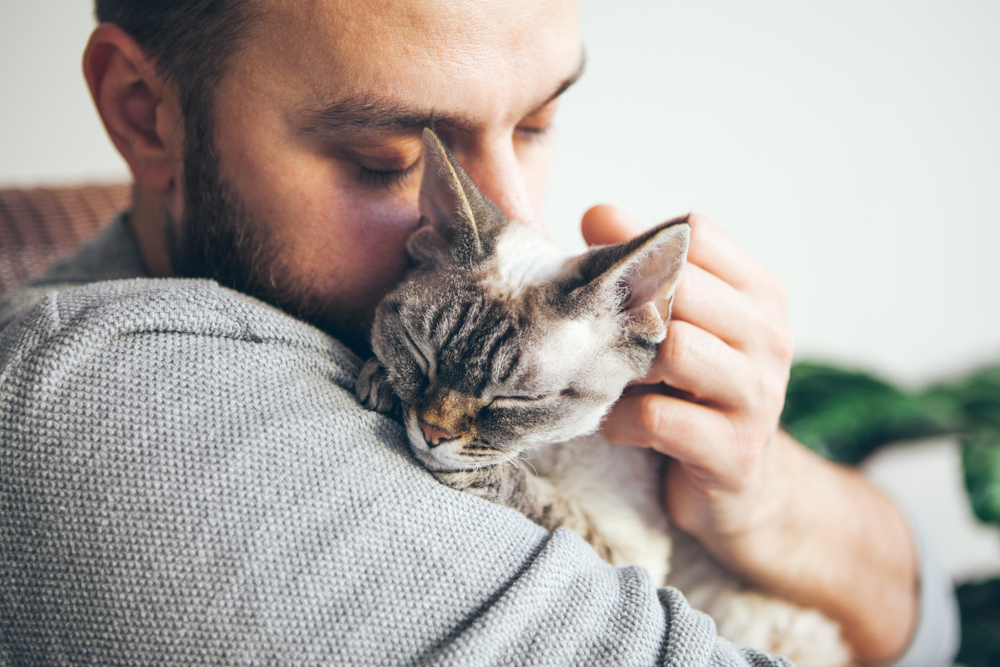
Cats are individuals who will deal with stress in their own way. Those who are clingier and more social with their owners may become even more so during times of stress. They may require some extra love, affection, and positive attention to help them feel safe and secure. Cats that are more aloof are likely to become more withdrawn and less tolerant of human contact. Even some of the friendliest cats may get distant during stressful times, however.

Eliminating Outside the Litter Box
Stress can cause many different behavioral changes, and it’s not uncommon for some kitties to start using the bathroom outside the litter box during times of distress. This can be due to the stress itself or even the result of some gastrointestinal upset, such as diarrhea. Keep in mind that if you’ve moved homes, the litter box is no longer in its usual comfortable spot, and this can take some getting used to. Make sure to place the litter box in a quiet, low-traffic area so your cat can be as comfortable as possible when transitioning.
Helping Your Cat Adjust
While stress is inevitable during a move, the key to helping your cat adjust more easily and return to their normal self is to help reduce the stress load by following some key pieces of advice.
Create a Safe Place
First and foremost, before the move takes place, it is a good idea to have your cat familiarized with their carrier so that when they are placed inside of it during the process, it doesn’t feel like a foreign and uncomfortable environment. Once you’ve moved them into the new home, place the carrier in a quiet room away from all the hustle and bustle of the move-in process.
They also need a safe place to relax while you ensure the home is cat-proof and there are no available escape routes. Do not allow your cat to free roam while you are moving in and unpacking; this can cause much more stress and even result in them escaping through an open door.

Introduce One Room at a Time
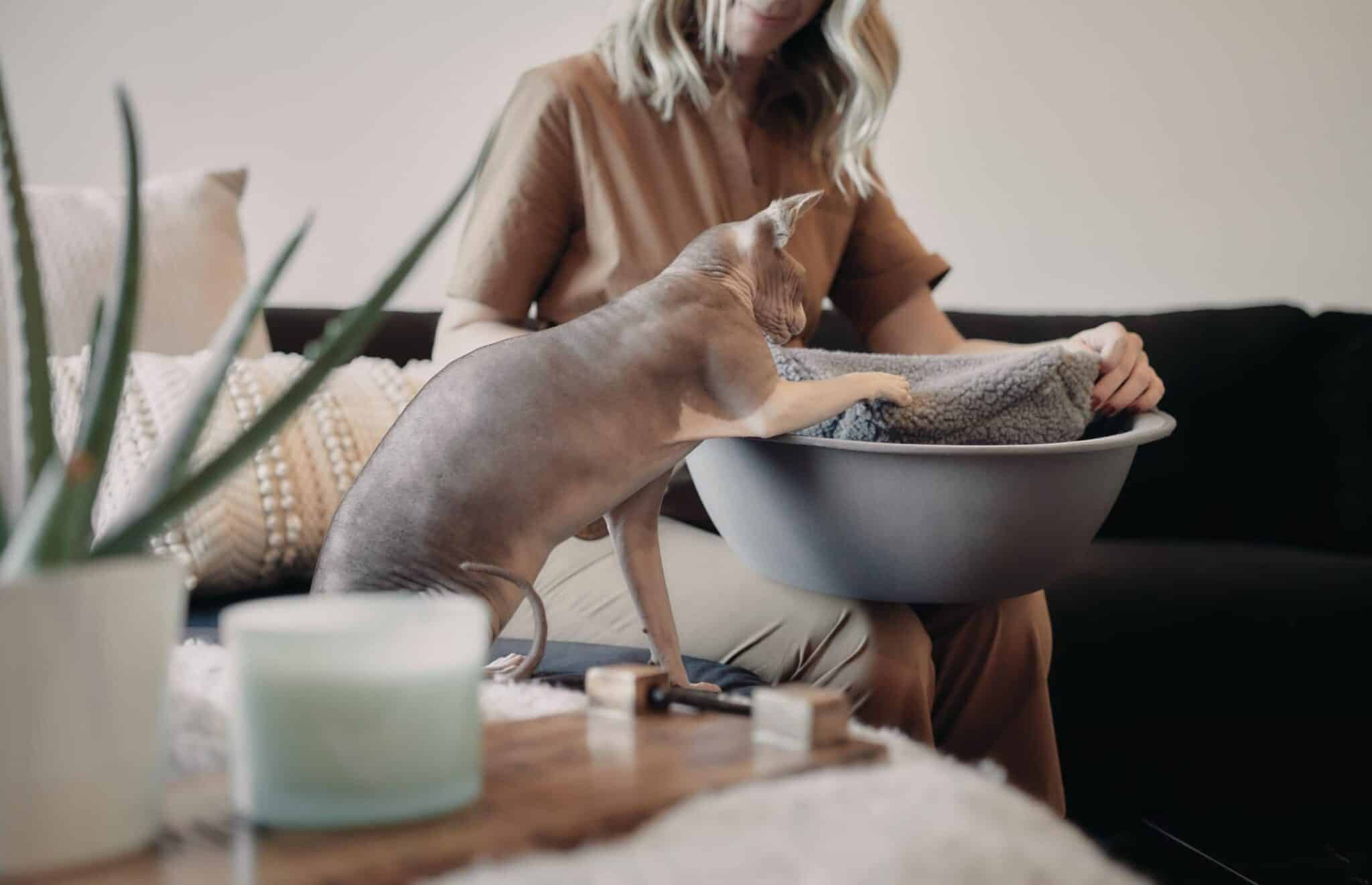
You don’t want to just set your cat free to explore the entire home right from the get-go. Try and pick a smaller room, like a bathroom or small bedroom, that offers some form of familiarity with their old environment. Try placing items with familiar scents within the room, like blankets and bedding.
You can place their litter box and food bowls in this designated room to give them time to adjust slowly without being locked inside the crate. The chances of your cat wanting to hide away during this time is very high, giving them a comfortable room away from all the sounds can help them feel much more secure.
Do Not Make Any Additional Changes
It’s easy to discard old items during a move and upgrade as you go. That’s a great idea for the family, but try not to make any more drastic changes to your cat’s items during this time. Make sure you keep their original litter box, stick to the same type of litter they are used to, and make no changes to their normal diet during this time. If they have bedding, blankets, toys, or scratching posts you’d like to upgrade, keep the old during their adjustment period and opt to upgrade once the stress of the move has long since passed.
Stay on Your Routine
Staying in a routine during the middle of a move is going to be a challenge. With so many changes happening so quickly, routines tend to get tossed to the side and must be redeveloped. If you are able, try to ensure your cat is still fed at normal times. If you have a certain time set aside each day for grooming or kitty cuddles, try to keep up with that routine to help your cat not feel so displaced.
Provide Some Extra Attention
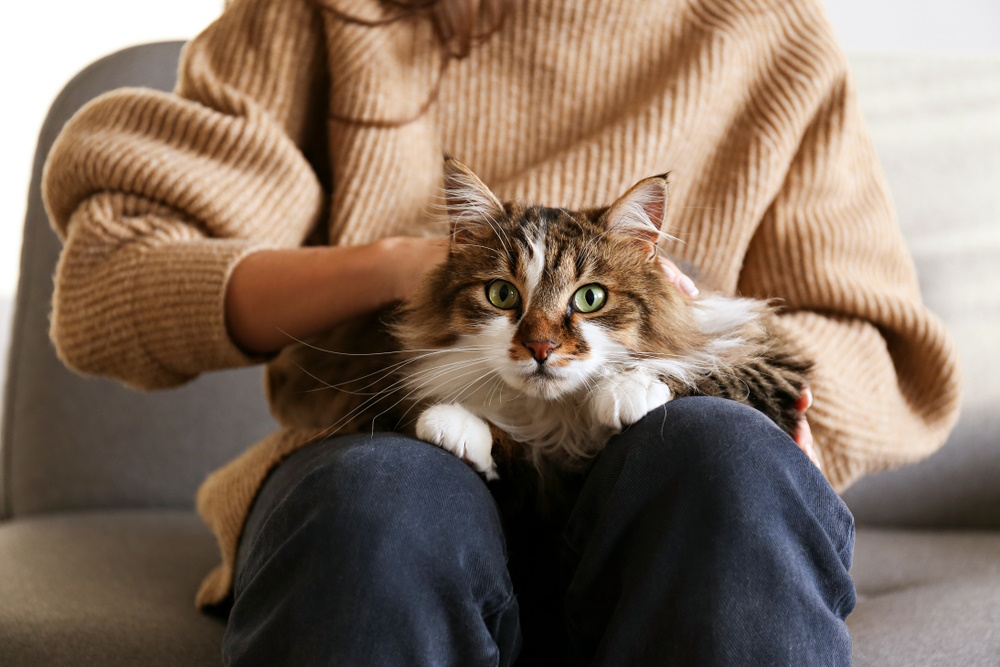
Most cats bond closely with their owners and look to them for comfort. Take some additional time out of your busy schedule to cuddle and spend some quiet time together. This can work wonders for cats that are highly social and like to be by your side. If you have a more aloof cat that isn’t so pleased with human contact, give them their space but also talk to them and interact calmly and pleasantly. Your positive energy, coupled with some time to adapt, will help them come around quicker.

Talk to Your Veterinarian
Some cats experience such high degrees of stress that it is ideal to speak with their veterinarian for some professional input. There are some over-the-counter and prescription options available to help during times of stress. Pheromone diffusers are sometimes used to help calm cats during times of stress, and in more severe cases, medication may be necessary to help calm their nerves.
If you notice your cat has missed several meals and continues to refuse food after the move for more than 24 hours, or they are becoming lethargic or suffering from diarrhea, reach out to your veterinarian as soon as possible. Their health can decline if they refuse to eat, and dehydration becomes a serious concern if they are also refusing to drink or experiencing diarrhea. Your vet will be able to evaluate your cat for any underlying conditions and assist you further.
Final Thoughts
If your cat has stopped eating after moving into a new home, it is likely due to the stress of the situation. Cats are very sensitive to changes in their environment and routine and can display some out-of-character behaviors during periods of high stress. It’s always best to speak with your veterinarian if your cat has a lack of appetite for more than 24 hours or exhibits any unusual signs, so you can rule out any other health concerns.
Featured Image Credit: FramelA, Shutterstock

Expert cat care, straight to your inbox
Vet-reviewed advice, behavior tips, and the best of Catster. Free, and you can unsubscribe anytime.
By signing up, you agree to our Terms & Conditions and Privacy & Cookies Policy.
Lindsey and her husband enjoy traveling the US with their kids and photographing wildlife. Her passion is to educate others on the importance of proper animal care, with an emphasis on reptiles and exotics since their care requirements can be much more complex. She is also a huge advocate for bully breeds. She feels most at home in the forest either on horseback or in hiking boots.
Join the conversation
Ask a question, share your story, or send private feedback.