How Often Should I Feed My Cat? Vet-Reviewed Considerations & Tips


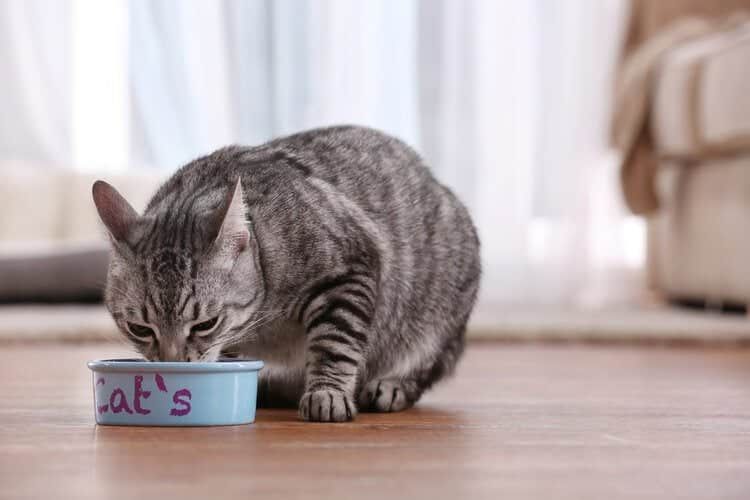
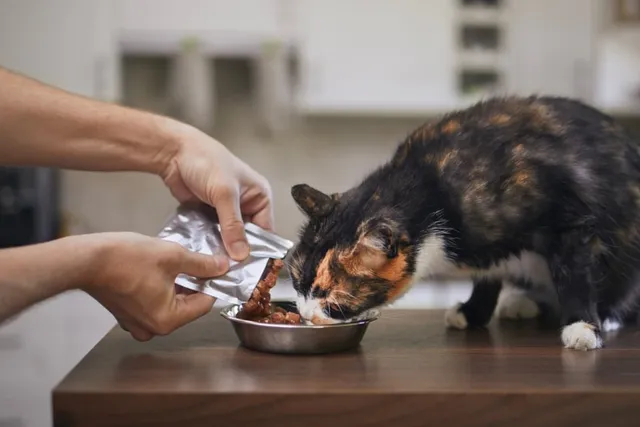
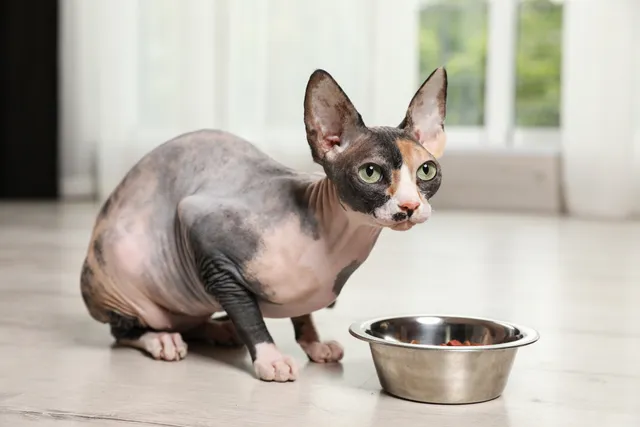
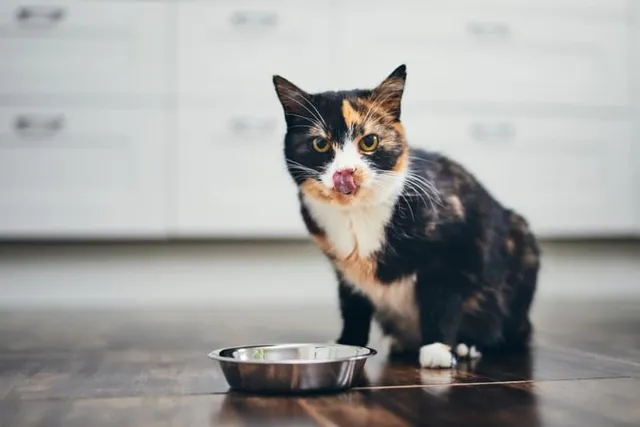
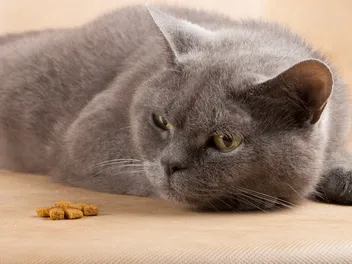
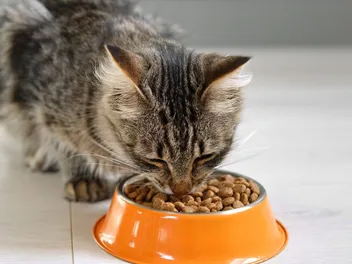
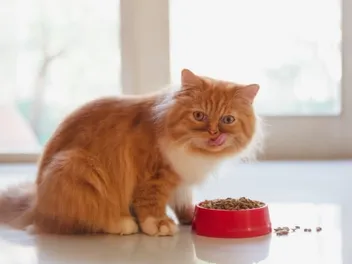
Next to feeding your cat just the right amount, you should also concern yourself with how often to feed your feline. There isn’t actually a one-size-fits-all answer for this. In many cases, it will depend on your schedule and your cat’s current needs. Different cats will need to be fed more often than others.
Typically, the recommendation was all adult cats need to be fed at least once a day.1 However, this can leave your feline going quite a long time between feedings. In many cases, you may want to increase the number of meals to two or even three. Certain cats will need to be fed even more than this. And more recent evidence suggests that feeding smaller meals more often is best.2
In this article, we’ll take a look at everything you need to know about setting up the best feeding schedule for your feline.

The 3 Factors That Affect How Often You Should Feed Your Cat
There are many things that affect how often you should feed your feline. In this section, we’ll discuss some of the most important points that you should consider.
1. Age
Your cat’s age will likely be the most important factor in your cat’s feeding schedule. The younger your cat is, the smaller they are. This is important because the size of your cat affects the size of their stomach and digestive system. Small cats simply can’t eat as much at one time compared to larger cats, but their metabolisms are faster and they need food to support the growth and development of their tissues.
When your cat’s digestive system runs out of food, your feline’s blood glucose will begin to drop. If they aren’t fed often enough, they can experience serious complications from low blood glucose. Many cats will begin to wobble and lose their coordination. They may get a bit fatigued and lethargic. Eventually, the lack of food will lead to seizures, coma, and even death.
The smaller your cat, the less amount of time they can go between eating before they begin to experience some serious health problems.
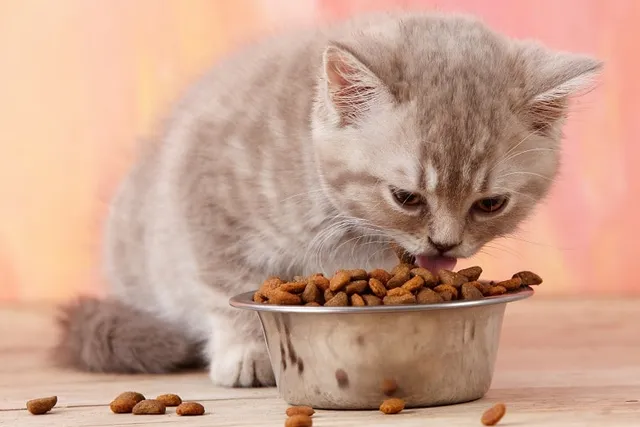
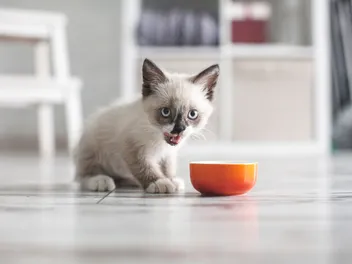
Growing kittens under 6 months of age will need at least three meals a day. Smaller kittens will likely benefit from four meals a day. Small and frequent meals are the key here. You shouldn’t feed your cat more just because they’re eating more often.
Between 6 months to maturity, your feline will need at least two meals a day. While they are much less prone to blood sugar problems than smaller cats, they can still experience some ill effects if they only eat once a day.
Most adult cats can survive with one meal a day. However, they would benefit from two. It mostly depends on your schedule and your cat’s size.

2. Health
Some health conditions may require a change in your cat’s eating schedule. For instance, cats may need medication that should be taken with food. If you give your cat medicine twice a day, you’ll need to feed them twice a day.
Some health conditions have a direct effect on how often your cat should eat as well. Speak to a vet about any chronic conditions your cat may have that can affect their eating schedule.
Other cats may have an excess appetite because of an underlying problem. For instance, cats with hyperthyroidism may want to eat all the time. However, this doesn’t mean that you should feed them all the time. You will need to speak to a vet and have a treatment and diet plan made for your cat
In most cases, you want to treat the underlying disease—not necessarily change your feeding schedule. However, in some cases, it will make the most sense to adjust how often your cat eats as well.
3. Your Schedule
While you should absolutely consider your cat’s needs, you’ll also need to take a look at your own schedule. You may love to feed your kitten four times a day. However, this may not fit into your schedule in any foreseeable manner.
You should manage to feed your kitten at least three times a day. This is sometimes possible by feeding them in the morning, when you get home from work, and then again before bed. Many people come home during their lunch break to feed their kitten, while others may invest in a timed feeder to feed their cat in the middle of the day.
Either way, it is important to consider what you can actually accomplish when deciding how often to feed your cat.
In multi-cat households, it can become even more complicated. Your cats may not all eat at the same time. Food aggression can prevent some cats from eating enough at all, while other felines may need help spreading the food out proportionally.

Should Cats Have Food Available at All Times?
Many cats are not very good at controlling their own intake. Therefore, they may overeat often and can become obese. Obesity can cause a wide range of issues. Sadly, the large majority of cats out there are obese, or at least overweight. It has been estimated that 60% of all cats are overweight or obese.
Obesity puts excess weight on your cat’s joints, causing joint problems. It can also make them have difficulty grooming and make them more susceptible to skin problems. Overweight cats are more likely to develop diabetes. Cats are also more likely to have cardiovascular problems if they are obese. Based on all this information, it is essential that your cat is not obese.
The best way to control obesity is by feeding your cat the appropriate amount of food and encouraging exercise. You should carefully use your cat’s body condition score and weight to judge how much food they should be eating. This should be calculated as a daily calorie allowance and take into consideration any treats the cat gets. Do not base this amount on a random number of cups a day, as it will differ from product to product.
Always check the cat’s food to ensure that they are consuming the appropriate amount.
You might also like: My Cat Doesn't Chew His Food: Should I Worry?

Finding a Cat Food Bowl
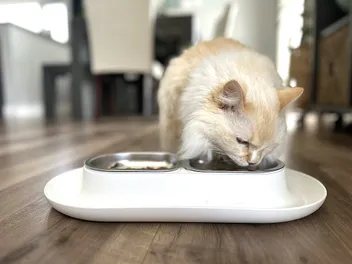
While many kittens grow out of the essential supplies you buy for them when they are young, finding a product that can last them a lifetime is like hitting the cat jackpot - which is why we love the Hepper NomNom Cat Bowl so much. Its unique cat-inspired design offers dual, stainless steel bowls that are wide and shallow, crucial for neck support when kittens are little and benefits mature cats by offering whisker relief. If you want to learn more about what other advantages the NomNom will provide for your growing kitten, click here.

- NO MESS - The 360° tray on this cat food and water bowl set has a raised design to catch and contain stray crumbs and drips. Protect your indoors and floors from wet and messy meals!
- WHISKER FRIENDLY - Shallow and wide metal containers with flat bottoms ensure your kitty can enjoy mealtime free from whisker fatigue!
- CHEW-SAFE MATERIALS - Kittens and cats love chewing on silicone and soft rubber - but it's a choking hazard. Our cat feeding station materials are anti-chew for a 100% safe feeding frenzy!
At Catster, we’ve admired Hepper for many years and decided to take a controlling ownership interest so that we could benefit from the outstanding designs of this cool cat company!

What Time Should I Feed My Cat?
While in the wild, cats would be more inclined to hunt during dusk and dawn; they eat several times per day. The specific times you feed your pet cat aren’t particularly important. It depends far more on your schedule. If you don’t normally wake up until 7 a.m., there is no reason to get up and feed your cat at 6 a.m. Our cats are very adjustable; they can adjust to our schedule.
In most cases, the best time to feed your cat is when it is most quiet and peaceful in your home. This isn’t so much for the cat’s benefit as it is for your benefit. If you feed your cat around the times you’re less busy, then you’re far more likely to remember. Plus, some cats do like it a bit quieter.
The only time a cat may need to be fed at a specific time is if they are on certain medications. Some medications must be taken alongside food. If your cat needs to take their medicine at a certain time each day, then it may be necessary to feed them then as well. This depends on the cat and their health, though. You can speak to a vet about when your cat should be fed.
Preferably, you should try and keep the same number of hours in between each meal. If you feed your cat twice a day, feed them in the morning and the evening. This schedule helps ensure that they are going the same number of hours between each feeding. Don’t feed them in the morning and then around lunch, as that adds a lot of evening hours they are without food.
However, that doesn’t mean that you need to space the feedings exactly twelve hours apart. Feeding your cat at 7 a.m. and then 5 p.m. is perfectly okay—even though the meals aren’t exactly equal length apart.

Final Thoughts
Most adult cats are perfectly fine with one to two meals a day. However, some cats may need to eat more often.
For instance, kittens usually need to be fed at least three times a day. Some particularly small kittens may need to be fed even more.
The main issue with fasting cats is that their blood glucose will start dropping. Cats have a unique metabolism that relies heavily on protein intake to maintain normal blood glucose levels. Without adequate nutrition, their bodies cannot sustain normal glucose levels, leading to weakness, lethargy, and, in severe cases, neurological signs. And prolonged fasts have other complications.
Certain health conditions may also require that your cat be fed more often. Most of the time, frequent meals aren’t required to directly control the health problem, but you may have to space their meals around the time they need to take their medication.
If your cat needs medication with food three times a day, they’ll need to be fed three times a day—even if they could otherwise go longer without food.
In the end, how often you should feed your cat depends on your specific cat. Many felines can go all day with only one meal, but you should keep your cat’s age and health in mind. Modern evidence suggests it is better to provide frequent feedings to promote your cat’s welfare.
Featured Image Credit: Africa Studio, Shutterstock
Expert cat care, straight to your inbox
News, insights, and useful advice, delivered to you.

No spam — unsubscribe anytime.
By signing up, you agree to our Terms & Conditions and Privacy & Cookies Policy.
How useful was this post?
Click a star to rate. You can leave written feedback afterwards. (We read all feedback.)
Kristin is passionate about helping pet parents create a fulfilling life with their pets by informing them on the latest scientific research and helping them choose the best products for their pets. She currently resides in Tennessee with four dogs, three cats, two fish, and a lizard, though she has dreams of owning chickens one-day!