Get

In Your Inbox

Catster is reader-supported. When you buy via links on our site, we may earn an affiliate commission at no cost to you. Learn more.

How Long Can Cats Go Without Food? Vet-Verified Dangers & Tips

Share

well-fed-cat-looking-for-food-and-not-eat

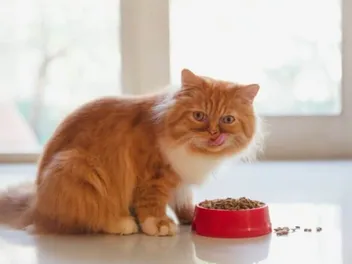
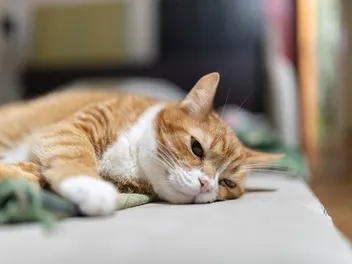
Cats are often hungry little monsters devouring their food rapidly. Conversely, they may be picky eaters that refuse to eat anything but their favorites! In either case, if your cat stops eating, this is a cause for concern.

Cats are independent creatures and like to handle things on their own, meaning they have an innate ability to hide or disguise any illness until they can no longer do so and will only stop eating when the condition or injury has reached a well-developed stage.

How long cats can go without eating is an important topic due to their unique system, as we will investigate. A cat’s age and health condition makes a big difference here. A healthy adult cat that doesn’t eat for more than 24 hours should be seen by a vet, even if they are still drinking. On the other hand, young kittens that stop eating for more than 12 hours can suffer from serious consequences. Cats that suffer from a health condition such as obesity, diabetes, or kidney disease, or are experiencing digestive signs including vomiting or diarrhea should be seen by a vet as soon as they skip a meal. Essentially, this means that healthy adult cats really should not go longer than a day without eating.

Cats can’t go long without food so don’t assume they are eating elsewhere or can fend for themselves. Have a veterinarian examine them even if you believe they are eating their food elsewhere and you have noticed no other changes with your cat.

divider cat faces oct 2024

Why Is My Cat Not Eating?

If your cat isn’t eating or drinking it’s for a good reason. Eating and drinking is an instinctual process they possess to survive. They won’t starve themselves in defiance until you bring in some cooked chicken or their preferred cuisine simply because they object to your chosen diet for them. Missing an odd meal or two might be normal in some cats, but a strong and healthy cat won’t continue to not eat.

Anorexia is the term used when an animal is not eating. Anorexia can be due to many causes, whether this is partial or complete, and a veterinarian should always be consulted if your cat has not eaten anything for 1 day.

Need veterinary advice but can't get to the clinic? Catster recommends PangoVet, our online veterinary service. Talk to a vet online and get the answers and advice you need for your cat without having to leave your living room — all at an affordable price!

PangoVet_Mention-in-Content for PangoVet2 save money

Causes for Cats Not Eating

This list is by no means exhaustive, but it is helpful to understand the plethora of conditions that can affect your cat’s eating habits so they can be addressed as soon as possible. Potential causes include:

  • Underlying systemic illness or disease or progression of a current one, such as kidney disease, tumors, and diabetes
  • Infection or abscesses
  • Gastrointestinal ulcers
  • Dental disease, including all aspects of the mouth, gums, and teeth
  • Problems with the jaw
  • Nausea
  • Foreign body (a blockage)
  • Behavioral/psychological issues, such as a new home, new pet, new cat on the street, another cat bullying them, stress
  • Vomiting and diarrhea
  • Abnormal environmental temperatures
  • Pain
  • Medications
  • Poisons
  • Fear

divider cat faces oct 2024

The Dangers of Not Drinking and Eating

Cats’ bodies function differently from dogs in numerous ways, and they can suffer from a potentially fatal condition called Hepatic Lipidosis (Fatty Liver Syndrome) if they stop eating for a number of days. Overweight cats are at high risk of developing this condition.

Hepatic Lipidosis begins in response to a few days of no food causing the body to begin breaking down fat to supply nutrition and energy. The mobilized fats get sent to the liver and accumulate in the liver cells. This can severely compromise the liver and requires immediate veterinary intervention.

cat-not-eating
Image Credit: Alena Lebedzeva, Shutterstock

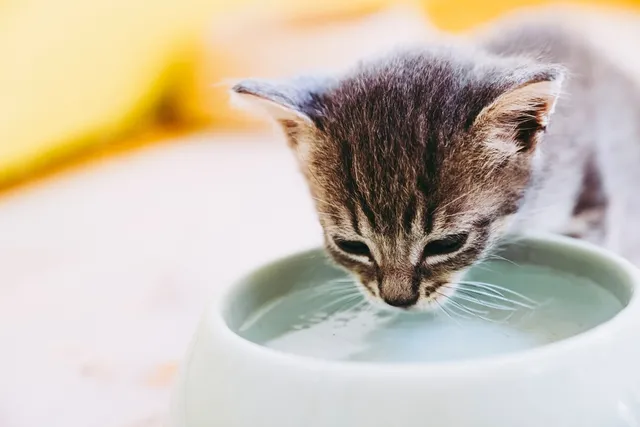
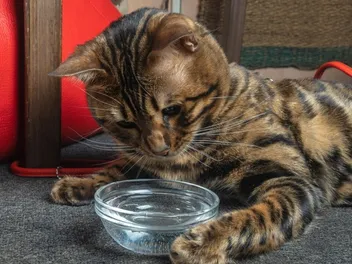
How Long Is It OK for a Cat Not to Drink?

We are all aware of how important water is to maintain life, and if your cat is not drinking, it is a state requiring immediate veterinary attention, especially if they are also losing fluid via vomiting and/or diarrhea.

So, how long can a cat go without water? Generally speaking, cats need to drink water every day, otherwise dehydration may begin to affect the cat’s body and organ function within hours. A visit to your vet is required to prevent this situation from spiraling as a lack of water (fluids), if not treated, rapidly progresses with potentially devastating outcomes and problems.

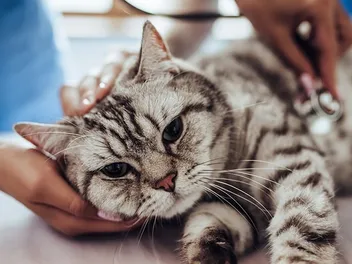
How Long Should I Wait to See a Vet?

Not long! As soon as you notice they have skipped one meal, you should start monitoring your cat closely and implement some tempting measures. If your cat still refuses to eat, call a vet to discuss. Let them know if you notice any other signs and issues with your kitty. As their pet parent, you know them the best and should never discount any inklings or a feeling something isn’t right.

If they are not drinking, speak to a vet straight away.

Tips to Get My Cat to Eat

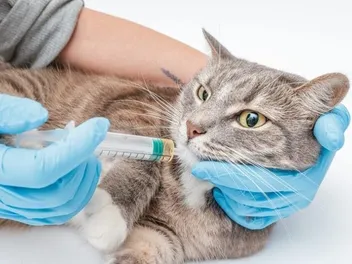
Here are a few clever tips and tricks to get your cat eating again and back on the road to full health and happiness. You may wish to try these as soon as you notice your cat not eating, but they can also be helpful during recovery from an illness or trauma. It is advisable to check with a vet if some of these foods suggested are suitable for your cat and not contraindicated because of a medical condition.

Cats rely heavily on smell, so anything which can be done to enhance the smell of tasty food will surely help.

  • Check the environment where they eat. Is it clean and relatively quiet? Is the air free of any weird smells or scents? Are there any nearby windows where other cats from the neighborhood are watching them from the outside?
  • Make sure their food and water bowls are clean.
  • Change their feeding area to a different room.
  • Try a different bowl, particularly if you have recently changed it. Some cats dislike the smell of plastic bowls. Others don’t like hearing the ting noise a collar or tag may make when knocking against a metal bowl as they eat.
  • Try a different flavor of their usual diet.
  • If they are fed kibble/dried food, switch it up to a canned meat or pate version, you may wish to warm the meat slightly, as it increases the potency of the smell.
  • Place a small amount of warm cat gravy over their kibble.

divider cat faces oct 2024

Conclusion

Some cats are very greedy and others are very picky. You know your cat best, so if your feline friend shows a change in appetite, or even stops eating, this is a sign to be worried about.

If this occurs, you can follow our tips and tricks to tempt your cat to regain their appetite. However, if they fail to work, contact a veterinarian as soon as possible. This will increase the chances of success and will avoid the complications associated with not eating.

Also See:


Featured Image Credit: Elena Kutepova, Shutterstock

Want content like this delivered to you?

Sign Up For Our Newsletter

News, insights, expert advice, and everything cat

* By submitting, you agree to our Terms & Conditions and Privacy & Cookies Policy.


How useful was this post?

Click on a star to rate (you can leave written feedback after clicking submit)

Help us improve Catster for pet parents!

Your feedback really matters.

What did you like about this post? Also how can we improve it?

Join the conversation

Leave a Reply

You’re very welcome to leave a comment or question. Please know that all comments must meet our community guidelines, and your email address will NOT be published. Let’s have a positive and constructive conversation.


Talk With A Vet Online

Peace of mind,
anywhere, anytime

Affordable vet advice

Do Cats Cause Schizophrenia? Scientists Find a Link – Here’s What It Means

Being a fierce advocate (and occasional recipient of) mental health support and awareness, the term ‘crazy’ is not one I like to fling...

One in 100 Cats Gets Diabetes – Here’s How to Catch It Early

One in every 100 cats develops diabetes.1 That’s not a rare, unlucky condition reserved for cats with obvious health problems. It’s common enough...

Dramatic Rescue Turns Into Dramatic Reunion

What started as a routine call for the RSPCA became a heroic, five-hour rescue featuring one trapped and traumatized cat, an emotional family...

Ask Dr. Paola – Help! How Do I Know if it’s Ear Mites! (May 4, 2026)

Welcome to our “Ask Dr. Paola” series, where every Monday we bring expert advice straight from Dr. Paola Cuevas (MVZ) to help our...

More related

4 Richest Cats in the World (With Info & Pictures)

Cats are one of the most beloved pets in the world, and they are known for their charming personalities and adorable looks. But...

How Cats Improve Your Mood: Olga’s Ways of Relieving My Stress

Hi, I’m Christopher! Read my introduction to learn more about me and my silly Russian Blue cat, Olga. Researchers have studied how cats...

Cats & Toddlers: 6 Tips How to Keep the Peace Between Your Pet & Child (Vet-Verified)

Toddlers are curious, and most love to explore as they learn about our world. It’s natural for them to want to pet and...

150 Cat Names That Start with E for Your Furry Friend

When you welcome a new cat into your life, it can be tricky to find a name that fits them. Cat owners are...

Keep reading

Does Cold Weather Kill Fleas on Cats? Vet Approved Advice

Do fleas die in winter or cold weather? According to Athens Animal Wellness Center1, fleas can survive for up to 5 days in temperatures as low as 46 degrees Fahrenheit. That means unless you keep your house at sub-50 temperatures,...

close up flea on a cat

Can Cats Have Panic Attacks? Vet-Approved Facts & FAQ

Pet owners know that curiosity is a formidable driver of cat behavior. It’s almost like a challenge to them if you bring something new into the house. They sniff around it and jump into the air if it suddenly moves....

A,Timid,Black,Domestic,Shorthair,Cat,Hiding,And,Peeking,Out

My Cat Has a Limp Tail, What’s Wrong? 5 Vet-Reviewed Possible Issues

Cats are expressive creatures, especially through their body language. Felines give many clues about their feelings and communicate widely using various parts and positions of their bodies. Their tails, for example, are used to display their mood. An upright tail...

cat tip tail

Does Salt Kill Fleas on Cats? Vet Reviewed Effectiveness & Safety

A flea infestation can really ruin your week. Not only are fleas a nuisance for your cat, but they can also be a nightmare to get rid of in your home. There are plenty of products to treat flea infestations,...

Salt

Why Do Cats Chatter at Birds? 5 Possible Reasons & FAQ

Cats are vocally gifted and can produce up to about 21 distinct vocalizations.1 Although cat owners are accustomed to their pets meowing, they may be baffled by their chattering. Chattering is a unique sound that cats make after seeing potential...

cat and bird

How Do Cats Play With Dogs? Vet-Approved Body Language & Behavior Explained

Cats and dogs are natural enemies, right? Wrong. Many cats and dogs actually enjoy each other’s company; they can even become friends! It’s not uncommon to see best buds of different species cuddling up together or playing with one another....

dog and cat on floor

Kitten Development: First 12 Weeks (Vet-Reviewed Guide)

Bringing a new kitten home is a joyous and exciting occasion for all soon-to-be cat parents. This usually occurs when a kitten is between 8 and 10 weeks of age, depending on their size, health, vaccination protocol, and breed. However,...

american shorthair kitten

Do Male Cats Have Nipples? Vet-Reviewed Feline Anatomy Facts

If you’ve never owned a male cat, this may be a question that you’ve asked yourself. Female cats need nipples to feed their babies if they ever have a litter of kittens. But do male cats have nipples as well?...

Ginger cat lying on its back

Love Cats? So Do We! Join the Catster Community

Stay informed with expert pet care insights delivered straight to your inbox! Discover professional guidance on animal behavior, feeding tips, trusted product picks, and much more.


Sign up for the Catster Email Newsletter

Stay informed with expert pet care insights delivered straight to your inbox! Discover professional guidance on animal behavior, feeding tips, trusted product picks, and much more.