How Long Can Cats Go Without Water? Vet-Verified Science & Facts


In this article
Cats are notorious for not drinking enough water, to the point that there is an entire industry of pet fountains to entice cats to drink more. Even if you’re one of the lucky cat owners whose cat does drink enough water, it’s possible that your cat didn’t have access to water at some point.
Maybe the dog finished off the whole water bowl, or your kitty slipped past you and ended up accidentally closed in a bedroom or closet all day. These situations may have made you wonder how long your cat could have safely gone without water. Medically, cats need somewhere around 4 ounces of water for every 5 pounds of lean body weight per day

How Long Can Cats Go Without Water?
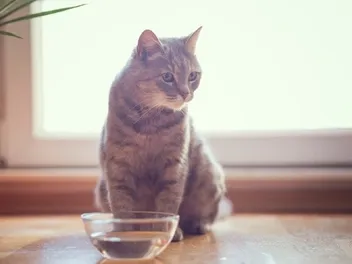
Generally speaking, cats need to drink water every day and should be offered it in an unlimited amount (also known as ad libitum). If your cat doesn’t drink water for a day, it’s a sign that something is seriously wrong, and you should promptly seek veterinary advice.
How Much Water Do Cats Need?
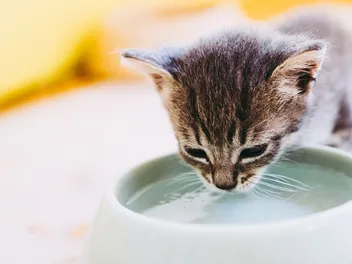
Cats need around 4 ounces of water for every 5 pounds of lean body weight daily. This means that a 10-pound cat needs approximately 1 cup of water daily. That doesn’t mean you should only leave a cup of water for your cat. Instead, their water bowl should be refilled every day.
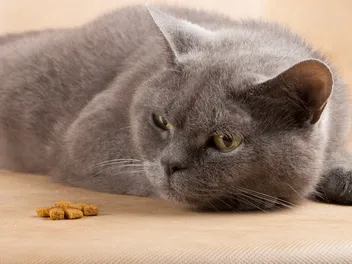
Don’t panic if your cat doesn’t finish an entire bowl of water every day. Cats get moisture from their food, especially wet food. Wet food generally has a great deal of moisture, while dry food doesn’t provide much.
Outdoor and feral cats often get moisture from the creatures they catch and eat, like birds and lizards, but they also drink from water sources (such as a puddle, stream, or lake).

What Are the Risks If My Cat Isn’t Drinking Water?
Without enough water, cats can go into organ failure. Severe dehydration can also lead to disorientation, lethargy, and changes in heart rate and breathing.
Cats who have access to water but choose not to drink enough are at an increased risk for kidney and urinary problems, especially urinary tract infections and urinary blockages. Male cats are especially at risk for urinary blockages. These blockages are a medical emergency and are extremely painful for cats.
What Do I Do If My Cat Isn’t Drinking Water?
The first thing to do if you notice your cat isn’t drinking water is to figure out if your cat really isn’t drinking water or if they're drinking water from sources other than the water bowl.
You can do this by evaluating your cat for signs of dehydration. Another tip is to install cameras in your house to observe your cat’s behavior and drinking habits when you’re away.
In addition, evaluate your cat’s behavior. Is your kitty acting lethargic or withdrawn? Are they hiding or showing abnormal aggression? Are they urinating outside the litter box or not urinating at all? Are their stools normal, or are they having diarrhea or constipation? If you notice abnormal behaviors or changes in eating, drinking, or potty habits, contact a veterinarian.
Experiment With Ways to Increase Your Cat’s Fluid Intake
Once you’ve ruled these issues out and discovered that your cat just doesn’t like drinking water, start experimenting with ways to get your cat to drink more water.
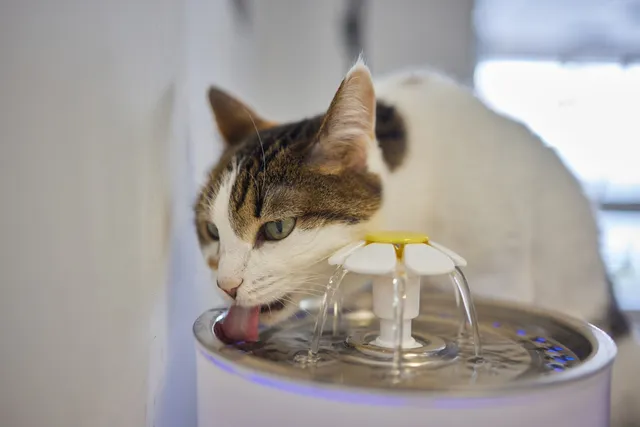
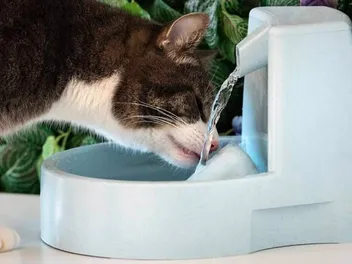
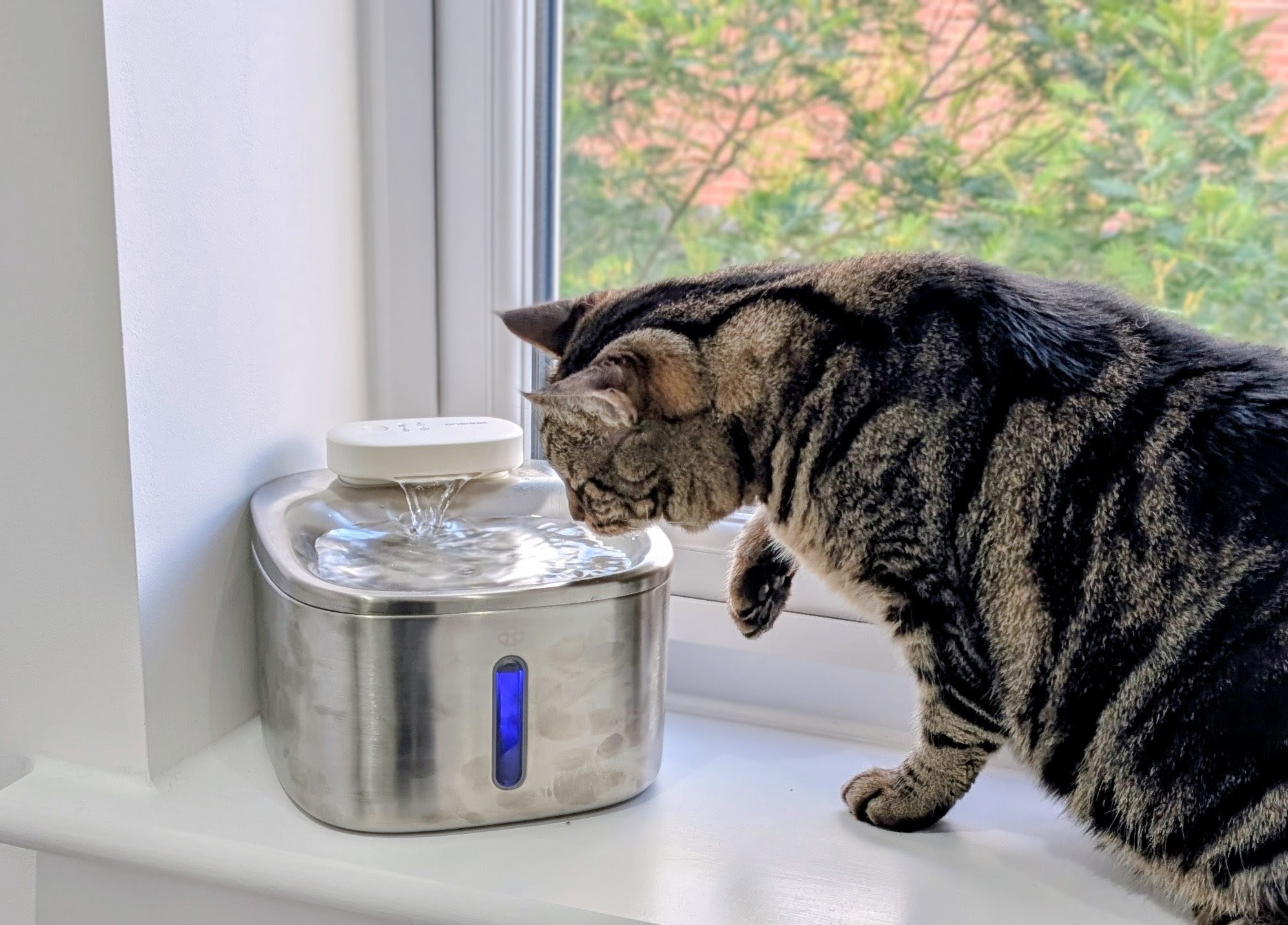
You can try different types of water fountains with different shapes and flow settings to see if your cat will drink from them. Most cats readily drink more from a fountain as the flowing water usually piques their interest.
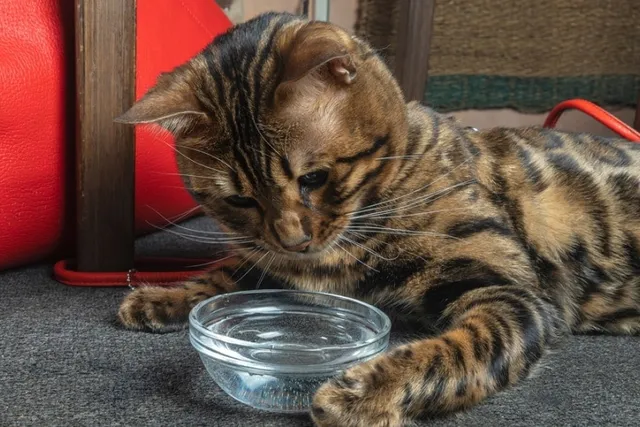
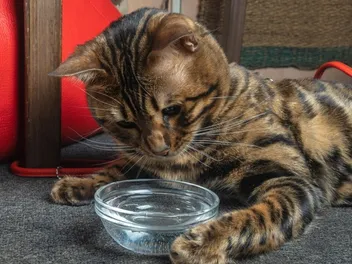
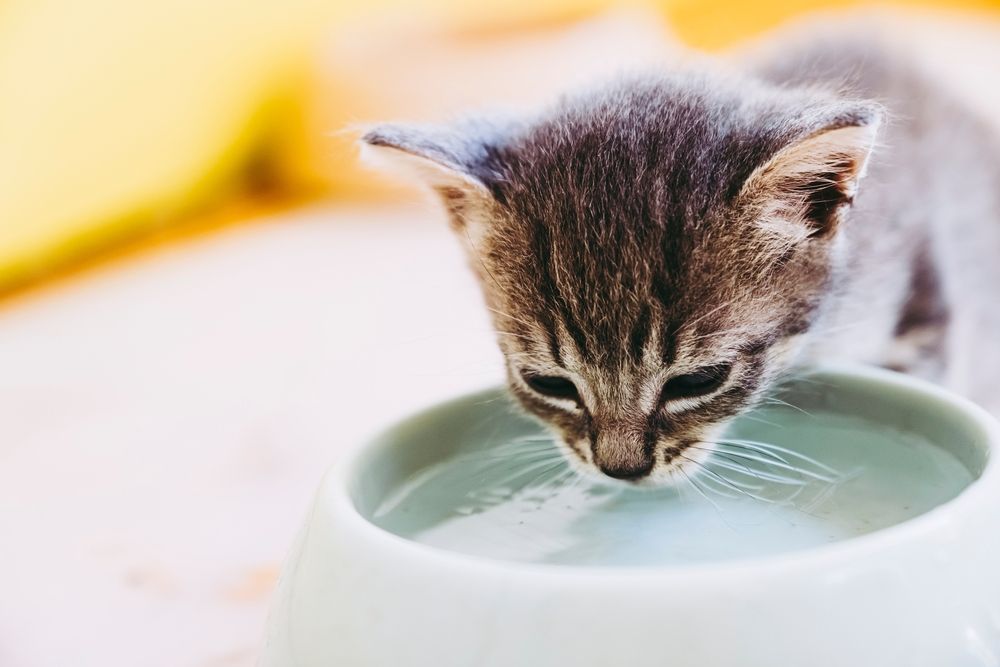
Some cats prefer to drink out of dripping water in a sink or a tub. Cats have very sensitive whiskers, and many cats don’t like drinking or eating out of bowls that allow their whiskers to brush against the sides, so trying out a wider drinking bowl for your cat may help encourage more water intake.
If your cat enjoys wet food, you can slowly increase the amount of wet food or add food toppers (such as a cat-safe gravy) in their diet under the guidance of your vet.
Conclusion
Cats are perceived as tough creatures, but domestic cats rely on us to provide adequate care in a safe environment. Ensuring your kitty has enough water at all times is an essential part of pet ownership, but the good news is that you have options, even for the most stubborn, non-water-drinking cat!
Monitor your cat’s water intake, and if you notice any changes in drinking habits or behavior, talk to your veterinarian. Sometimes, you deal with a cat who would rather play or nap than drink water, but other times, there may be a more insidious cause.
Experiment with water fountains, wet foods, and even water bowl shapes to find what works best for your kitty.
See Also: How Much Water Does a Cat Need per Day?
Featured Image Credit: Impact Photography, Shutterstock
Expert cat care, straight to your inbox
News, insights, and useful advice, delivered to you.

No spam — unsubscribe anytime.
By signing up, you agree to our Terms & Conditions and Privacy & Cookies Policy.
How useful was this post?
Click a star to rate. You can leave written feedback afterwards. (We read all feedback.)
Christian started writing for a local newspaper as a teenager, and he's been involved in the publishing industry for most of his adult life. Combining his love of writing with a passion for animals, he is currently the Director of Editorial at Pangolia and the Editor-in-Chief at Catster.
Christian lives in the Philippines with his wife, son, and four rescue cats: Trixie, Chloe, Sparky, and Chopper.