Get

In Your Inbox

Catster is reader-supported. When you buy via links on our site, we may earn an affiliate commission at no cost to you. Learn more.

Why Does My Cat Lay Down to Drink Water? 6 Vet-Reviewed Reasons & Treatment

Share

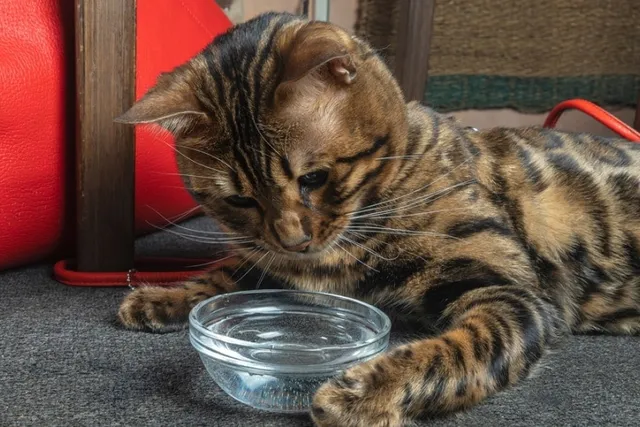
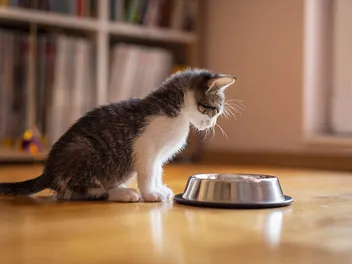
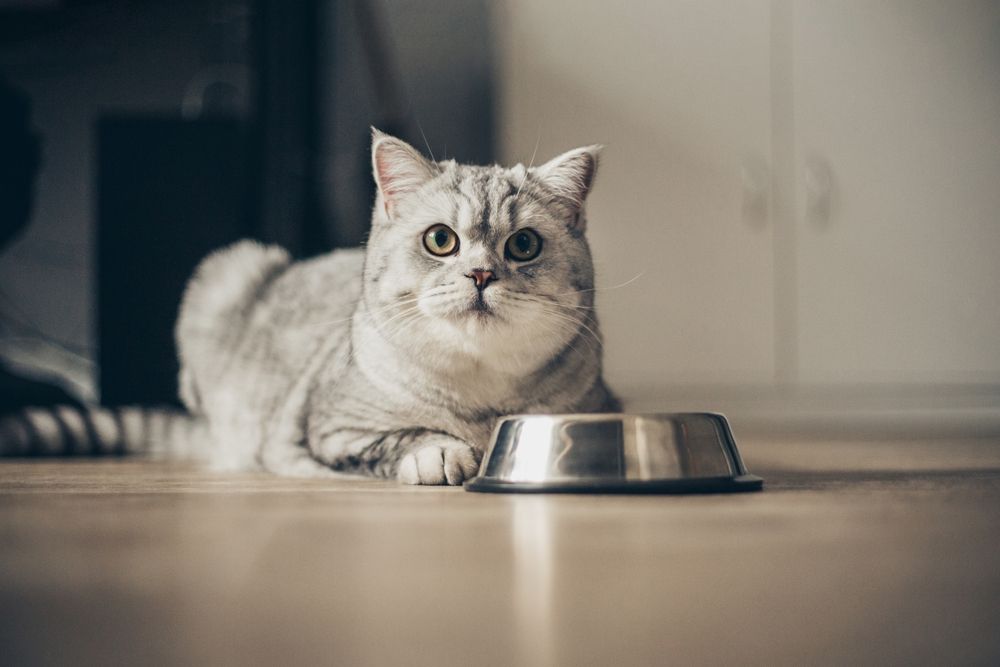
cat by a bowl

Cats will usually sit, stand, or lay on all four paws when having a drink, but there are times when you might see them having a proper lay down at the water bowl, not supported by their feet. This isn’t a ‘normal’ posture for a drinking cat, and there are a few reasons why they might have adopted it. Some are not too worrying, but others are a sign that your cat needs to be seen by a vet. If you are concerned about where, how, and how much your cat is drinking, the best thing to do is make an appointment for a check-up with your vet so they can perform a physical examination and run any tests needed to ensure your cat is fit and healthy.

Let’s take a look at some possible reasons to explain why a cat might lay down to drink.

divider single cat paw oct 2024

The 6 Possible Reasons Why A Cat Lays Down To Drink

1. It May Be Normal for Some Cats

Some younger cats may occasionally drink water lying down, especially if they have just returned from an outdoor adventure or they’ve been running around the house doing zoomies. This may also happen if the weather is warm and your cat is feeling particularly tired.

How to Treat

Rather than thinking this is normal, it’s important to interpret the drinking in the context of the situation, as well as your cat’s age, health, and behavior. If a young cat has lain down and drunk water after strenuous exercise, this is likely quite normal given the circumstances. If an older cat is lying down and drinking water, this is a cause for concern and will require prompt input from your vet.

Let’s look into possible medical causes for your cat drinking water from a lying down position.


2. They’re Anxious or Stressed

Just like humans, cats can suffer from anxiety or feel stressed. This may happen if there have been sudden changes in the household, such as a new pet or a baby, or building work, causing your cat to feel scared and insecure, especially in cats that haven’t been adequately socialized as kittens. Cats that are in pain or ill may also become anxious. Most cases of anxiety develop in cats younger than a year, but they can occur at any time throughout their life.

Anxiety can cause behavioral changes in your cat. They may be restless, leading to pacing, hiding, or hypervigilance. They may also drool or have a decreased appetite. Depending on the severity of the case, your cat may also display other signs such as toileting outside of their litter box, shaking, sleeping more, or overgrooming. In turn, this can lead to health issues such as urinary problems.

How to Treat

Treating anxiety requires understanding its root cause and creating a balance between managing your cat’s environment, teaching them coping mechanisms, and consulting with your vet. They may recommend particular calming supplements, as well as using a pheromone diffuser. If left untreated or ignored, your cat’s anxiety will grow worse over time.

It is vital to catch this issue as early as possible so treatment can begin shortly. Therapy for anxiety requires time and dedication, so don’t expect your cat to be better overnight. Your feline will need your support and patience to manage their anxiety in the long term.

If you need to speak with a vet but can't get to one, head over to PangoVet. It's an online service where you can talk to a vet online and get the advice you need for your pet — all at an affordable price!

Preventative wellness PGV mention keep cat healthy Preventative wellness PGV mention keep cat healthy mobile
Veterinary Surgeon Woman Applying Medical Bandage On A Cats Leg
Image Credit: Prostock-studio, Shutterstock

3. Dehydration

This may have been apparent to you, but one reason that your cat is behaving oddly around their water bowl could be that they’re dehydrated.

Hydration is vital in cats. If there is insufficient water intake, their bodies can lose regulation of several vital functions. Cats often experience weakness, lethargy, poor appetite, and dry mucous membranes when dehydrated. If you suspect your cat has not been getting enough water for whatever reason, contact your vet as soon as possible.

How to Treat

To help your cat increase their water intake, you can set out extra water bowls or feed them wet food. If you take your cat to the vet, they may suggest that your cat undergo fluid therapy to help bring their hydration levels back up, as well as find the cause. There are many health conditions that can lead to dehydration, including kidney disease, diabetes, gastroenteritis, some types of cancer, and more.


4. Kidney Disease

Kidneys are an essential organ system responsible for your cat’s fluid maintenance, as well as other crucial body functions. When they are suffering from kidney disease, fluid maintenance is thrown out of balance.

There are two types of kidney disease. One is known as acute kidney disease, and the other is chronic kidney disease. The cause of either of these could be several factors, such as injuries, bacterial or viral infections, toxin exposure, a consequence of a urinary blockage, cancer, or genetics.

Signs of kidney disease often include increased thirst and urination, dehydration, poor appetite, weight loss, poor coat, vomiting, lethargy, halitosis, or bad breath, while in the acute disease urine production can be severely reduced or even absent, causing the cat to feel very ill and often collapsed, while not passing much urine. A urinary blockage on the other hand, caused by stones, crystals, inflammation, or sediment, especially in male cats, leads to frequent straining in and out of the litter box, while not being able to pass any urine, or very little, which can be stained with blood. This is a life-threatening condition and requires immediate veterinary care.

How to Treat

All types of kidney disease, no matter their cause or duration, need to be treated by your vet urgently. Through various medications, fluid therapy, oral hydration, appetite stimulants, and a special renal diet, many cases of kidney disease can be managed going forward, while urinary blockage requires urgent medical and sometimes even surgical management and may be fatal if left untreated. Depending on the stage of your cat’s disease, a different approach to treatment may be recommended.

Unfortunately, cats can’t live without their kidneys. Since chronic kidney disease is often progressive and debilitating, it can lead to gradual deterioration and worsening quality of life. Some cats may need to be humanely euthanized.

However, providing a good quality of life for felines with kidney disease is possible. If your cat has kidney disease, reach out to your vet for long-term management and treatment options.

sick cat lying on the sofa
Image Credit: Zhuravlev Andrey, Shutterstock

5. Diabetes

If your cat has diabetes, that often means that their body and cells are not able to appropriately respond to insulin, which is referred to as Type II diabetes. Less commonly in cats, in Type I, the body is not producing enough insulin. Without enough insulin or due to an inappropriate response to it, the affected cat will not be able to balance their own blood sugar levels. Feline diabetes is relatively common. Indications that your cat may have diabetes include increased thirst, excessive urination, higher appetite, with the risk of diabetes being 4 times greater in obese cats.

If your cat’s diabetes is not treated, it can lead to a host of other serious health problems. Untreated diabetes can result in vomiting, loss of weight and appetite, dehydration, impaired motor function and nerve damage, coma, ketoacidosis, and death. If you think your cat may have diabetes, it is essential to talk to your vet as soon as possible.

How to Treat

The primary treatment for diabetes is insulin therapy. Regular visits to your vet will be necessary, as well as scheduled shots. You will need to administer the shots, but as daunting as that can sound, your vet will be able to walk you through the process.

Diet management may also be a part of the treatment. A diet low in carbohydrates is essential for cats with diabetes. However, consult your vet before making any significant dietary changes, as this may impact their insulin therapy and blood glucose measurements.


6. Pain

If your cat is in pain for whatever reason, this may make it harder for them to sit down comfortably for a drink, and they may choose to lie down. You may notice them limping, being stiff, not jumping as much, or holding one of their legs up. If your cat recently had an orthopedic surgery or is wearing a bandage that may limit their normal movements, they may drink while lying down. Older cats suffering from arthritis may struggle to get comfortable, and besides drinking while lying down, they may also miss their litter box if the sides are too high. However, dehydration and underlying illness can also cause similar signs.

How to Treat

Take your cat to see the vet, so they can prescribe adequate pain relief. In case of an injury or recovery after surgery, your vet may recommend you keep your cat in a crate to rest, so they can get to their food and water bowls more easily. For older cats suffering from arthritis or other painful musculoskeletal conditions or illnesses, your vet will make a treatment plan to ensure they are not in pain.

Sad-cat-lying-on-carpet
Image Credit: medveda, Shutterstock

divider cats oct 2024

Final Thoughts

It is unusual for a cat to eat or drink when lying down unless they are being hand-fed. Although it may not necessarily be cause for concern, this behavior should not be ignored as it could be an indication of serious illness or injury. Assess the whole picture to get an idea of what your cat has been doing recently, and whether they have shown any signs of illness, lethargy, pain, or discomfort.

A cat that has been running around, getting hot and bothered, may lay down to drink just because they’re knackered, but it is more likely a sign that there’s a problem. If you are at all worried about your cat, contact your vet immediately, or you can even schedule an appointment to talk to one of our vets online.


Featured Image Credit: TarasBeletskiy, Shutterstock

Want content like this delivered to you?

Sign Up For Our Newsletter

News, insights, expert advice, and everything cat

* By submitting, you agree to our Terms & Conditions and Privacy & Cookies Policy.


How useful was this post?

Click on a star to rate (you can leave written feedback after clicking submit)

Help us improve Catster for pet parents!

Your feedback really matters.

What did you like about this post? Also how can we improve it?

Join the conversation

Leave a Reply

You’re very welcome to leave a comment or question. Please know that all comments must meet our community guidelines, and your email address will NOT be published. Let’s have a positive and constructive conversation.


Talk With A Vet Online

Peace of mind,
anywhere, anytime

Affordable vet advice

The Cat Biting Mistakes Most Owners Make (And What Works Instead)

Cat bites sent more than 400,000 people to emergency rooms in the US each year.1 Not scratches. Bites. And the reason they’re so...

Do Cats Cause Schizophrenia? Scientists Find a Link – Here’s What It Means

Being a fierce advocate (and occasional recipient of) mental health support and awareness, the term ‘crazy’ is not one I like to fling...

One in 100 Cats Gets Diabetes – Here’s How to Catch It Early

One in every 100 cats develops diabetes.1 That’s not a rare, unlucky condition reserved for cats with obvious health problems. It’s common enough...

Dramatic Rescue Turns Into Dramatic Reunion

What started as a routine call for the RSPCA became a heroic, five-hour rescue featuring one trapped and traumatized cat, an emotional family...

More related

Lynx Point Siamese Cat: Info, Pictures, Facts & Traits

You may be a Siamese lover, but what happens when you mix a high-strung, strong-willed Siamese with a friendly, lazy tabby cat? You...

Catster Photo Contest: Cats of the Week Winners (October 2, 2025)

Every week our team gets the privilege of sorting through our readers photos to choose what cats will win this weeks contest! See...

Cat Shock Collars: How They Work, Safety Advice & Alternatives (Vet-Reviewed)

Several products are available to train pets, but the shock collar is one of the most controversial. It’s a device more commonly associated...

9 Best Cat Foods for Diarrhea in 2026: Reviews & Top Picks

When your cat has diarrhea, it affects the entire household. There can be additional messes to clean up and unpleasant odors to contend...

Keep reading

How to Brush Your Cat’s Teeth: 7 Vet-Approved Steps With Video

Dental disease is incredibly common in domestic cats, with experts estimating that between 50%–90% of cats over the age of 4 years old have some kind of dental disease. The good news is that most of these diseases are preventable...

Vet Cat Toothbrush

Why Is My Cat Suddenly a Picky Eater? 7 Vet-Reviewed Reasons

Cats are known to be relatively pickier than most animals out there. In a way, this helps them stay alive. They aren’t prone to eating things that they shouldn’t (usually), which would help them stay alive in a natural setting....

cat not eating

Feline Upper Respiratory Infection: Vet Reviewed Causes, Signs & Care

Respiratory infections are unfortunately pretty common in cats, but are they something your cat will get over, or do you need to take them in to see the vet? And what about secondary illnesses? We’ll take a closer look at...

A cat having a check-up at a small animal vet clinic

10 Best Diabetic Cat Foods in Canada in 2026: Reviews & Top Picks

When your cat gets diagnosed with diabetes, it can be scary, but diabetes isn’t a life-limiting illness if it’s properly managed. A huge part of this management is feeding your cat an appropriate diet. Fortunately, there are many options for...

Beautiful feline cat eating on a metal bowl

How Much Water Does a Kitten Need Per Day? Vet-Approved Facts & Tips

If you’re a new kitten owner, you may not know that many cats drink too little water to keep themselves properly hydrated. So, how much water do kittens need? It depends on their age and size, but as a general...

kitten drinking water from the water bowl

How Do I Know When My Kitten Needs to Pee or Poop? 5 Vet-Approved Signs to Look For!

One particularity of cats is that felines’ bathroom habits are significantly different from ours. While you may have heard that some cats with great trainers as owners can learn to use an actual human toilet, this does not allow them...

black and white kitten playing

5 Cat Marking Behaviors: Vet-Reviewed Facts & Prevention

Cats may be small, but they are territorial little things. It makes a lot of sense if you think about your cat’s wild ancestors. They were only able to survive if they were successful hunters with access to a secure...

cream silver tabby norwegian forest cat marking its territory

Can Cats Eat Donuts? Vet-Reviewed Nutritional Facts & FAQ

Many cats are clingy and are interested in everything their owner does, especially eating. So, if you are snacking on a delicious doughnut, your cat might be nosing around, acting like they want a bite, especially if it has a...

Can Cats Eat Donuts

Love Cats? So Do We! Join the Catster Community

Stay informed with expert pet care insights delivered straight to your inbox! Discover professional guidance on animal behavior, feeding tips, trusted product picks, and much more.


Sign up for the Catster Email Newsletter

Stay informed with expert pet care insights delivered straight to your inbox! Discover professional guidance on animal behavior, feeding tips, trusted product picks, and much more.