How to Dispose of Cat Poop: 4 Hygienic & Safe Methods
In this article
We love our crazy and adorable cats, there’s no doubt about that! But one of the side effects of owning a cat is dealing with kitty litter and, furthermore, cat poop. So, you’ve arrived at this article to look at your poop removing options. Perhaps you’re looking for the more environmentally conscious disposal methods or maybe just the quickest and easiest.
Rest assured, we will have a look at some of the different options available. However, one warning before we get into the full swing of things: Under no circumstances should you ever flush cat poop down the toilet. More about this later.
Without further ado, here are the four best ways to dispose of your cat’s poop.

How to Dispose of Cat Poop (4 Ways)
1. Get a Pet Waste Composter
Pet waste (dog or cat poop) contains lots of bacteria and viruses that are not safe for people, animals, or the environment. You can’t drop your cat poop into a regular composter, so you will have to establish a separate one specifically designed for animal waste. You can research how to make one, or you can purchase a composter online or at a local pet store. You can’t always use compost that contains animal waste as a fertilizer for your edible garden, it depends on the composting process.
The safest way to use any fertilizer derived from animal poop is usually on your lawn or in a flower garden unless you have a composter that can kill the bacteria with heat. If this is something you’d like to pursue, we recommend doing some research first. It can take a lot of time, patience, and a strong stomach since you’re dealing with rather stinky material.
We said earlier that you can’t put your animal waste in the regular composter, but there’s a loophole to that rule. You can chuck your kitty poop in there as long as you’re sure it’s biodegradable and does not contain any scents or additives. You also won’t be able to use it as fertilizer if you are adding litter to the mix.
2. Bury It in the Backyard
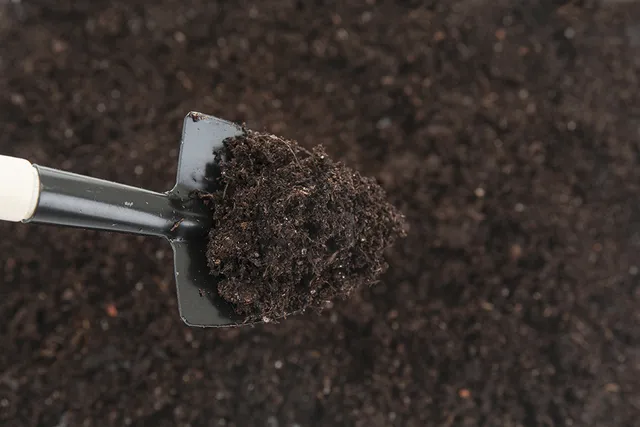
Another option to consider is to dig a hole in your backyard – around 1.5 feet deep – throw in the poop, and cover it back up. If you happen to own a post-hole digger, this would be an easy and efficient way to dig your holes. Again, you’ll need to be using biodegradable litter for this method to work as it will act as a composting method.
Cat poop will take anywhere from 3 to 6 months to properly decompose under the soil, depending on the weather conditions, of course. Just be careful using this approach if you also own a dog since they love to dig things up that usually shouldn’t be dug up. You’ll probably need to dig a deeper hole if this is the case.

3. Use Biodegradable Bags
The next idea is to use biodegradable bags that can hold either your cat’s poop, the kitty litter, or both. Bags make scooping your kitty litter a little easier on the environment. You can throw the poop in the bag, and rest assured that you’re not adding another plastic bag to the landfill.
You could also consider putting the cat poop in a brown paper bag. They are cheaper and might take less time to break down the poop than some biodegradable bags found on the market.
Always double-check with your municipality’s rules on how to handle cat litter, as it should provide you with an idea of what you can and can’t do with your cat’s poop and litter. Most cities have some kind of recycling program that allows you to place animal waste in a compostable bag and put it in a green bin or organics waste bin.

4. Toss It In the Trash
Some of you don’t have a yard and can’t compost or dig holes for the cat poop. Or maybe you just don’t want to dig up your lawn, and composting is too much of an ordeal. Then you’re left with just tossing it in a garbage can. The problem with this is the odor.
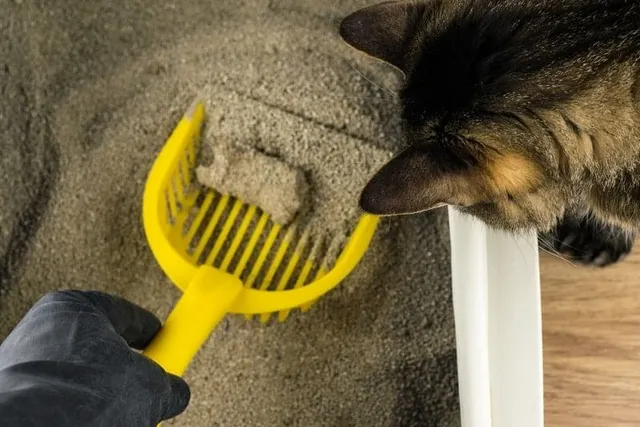
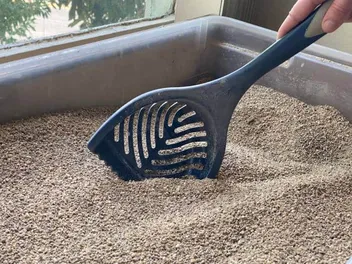
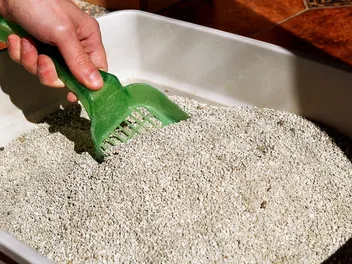
You could consider investing in a trash can designed specifically for animal waste, like those that have up to three doors to help contain the odor. Every time you scoop, just dump the waste directly into the canister. When it’s time to clean the entire contents of the litter box, just empty it in with the rest. This way, it only takes one garbage bag over the course of a few weeks or up to a month.
You could also just use a regular trash can, just don’t open it too often and understand that it may not contain the odor as well.

What to Do With Cat Poop
We’ve looked at methods you can use to dispose of cat poop, but there are some additional issues that you should be aware of when carrying out this process.
Toxoplasma Gondii
Be very careful while handling the cat poop as some cats might be carrying Toxoplasma gondii. This is a parasite that can cause in humans and even other animals. Consider wearing gloves and be sure to wash your hands well after you’re finished dealing with the cat litter.
Toxoplasmosis is harmful to people with weakened immune systems and can cause headaches, seizures, brain inflammation, confusion, and coma. It is also linked to causing the deaths of sea otters, as well as birds and livestock. This can occur if you don’t dispose of the cat litter in the proper way, particularly if you are flushing it down the toilet.
Do Not Flush Cat Poop
As mentioned in the introduction, never flush cat poop or cat litter down the toilet. Cat waste has the potential to cause blockages in your toilet pipes and could contaminate ecosystems and drinking water. And there are mammals and fish that could be fatally harmed.
Some litter is advertised as being flushable, but it still might be harmful to your pipes and septic system. Many septic systems aren’t capable of breaking down material such as cat litter, regardless of what it’s made from.
Avoid Certain Litters
Multiple cat litters on the market are made from some materials that are not environmentally friendly and might not be good for your cat either. You’ll want to avoid litters that contain silica dust, as they may cause upper respiratory infections in humans and cats. Scented litter might also contain harmful ingredients for your cat, and they might avoid using the litter altogether if the scent offends them.
If you are looking to swap to a more environmentally friendly litter, look for products that contain wheat, grass seed, pine, recycled paper, and corn. Most of these are plant-based, and while they might be more expensive than regular litter, they are better for the environment.
You might end up having to try a few different litters before your cat is happy with the new litter (they are such picky critters, aren’t they?), but persistence and patience will work best.
Conclusion:
So, now you have four different ways to get rid of your cat’s poop. Utilizing composters, burying it, using biodegradable bags, or investing in a special cat waste bin. Some of these methods are cheap and easy, and others are pricey and challenging. The most important outcome is that you find a way that works best for you and your cat and, hopefully, for the environment.
Featured Image: Zoran Photographer, Shutterstock

Expert cat care, straight to your inbox
Vet-reviewed advice, behavior tips, and the best of Catster. Free, and you can unsubscribe anytime.
By signing up, you agree to our Terms & Conditions and Privacy & Cookies Policy.

Christian started writing for a local newspaper as a teenager, and he's been involved in the publishing industry for most of his adult life. Combining his love of writing with a passion for animals, he is currently the Director of Editorial at Pangolia and the Editor-in-Chief at Catster.
Christian lives in the Philippines with his wife, son, and four rescue cats: Trixie, Chloe, Sparky, and Chopper.
Join the conversation
Ask a question, share your story, or send private feedback.