Can You Compost Cat Litter? Vet Approved Facts & Tips

In this article
Americans recycle or compost nearly one-third of the 292.4 million tons of municipal solid waste (MSW) they generate annually. It takes effort, but it’s worth it in the long run, especially if you want to lower your environmental impact and carbon footprint. Reducing the amount of waste you add to the landfills is an excellent start.
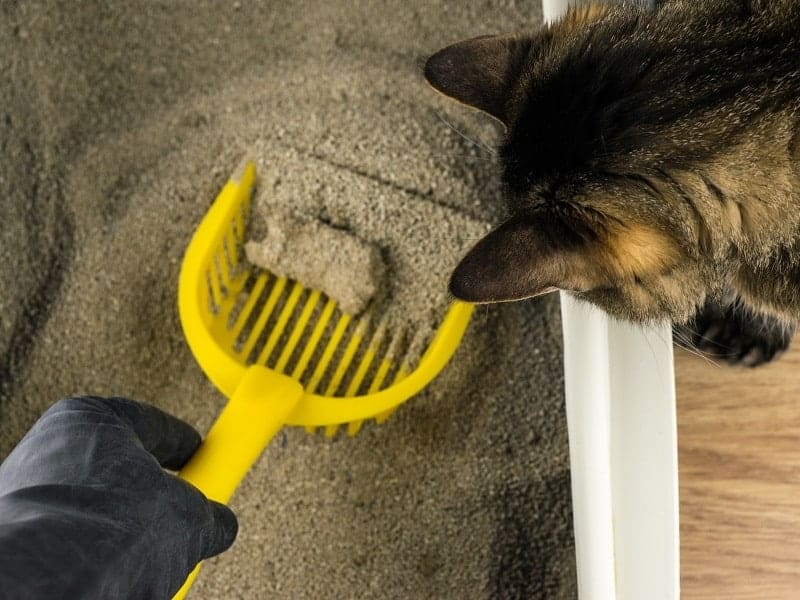
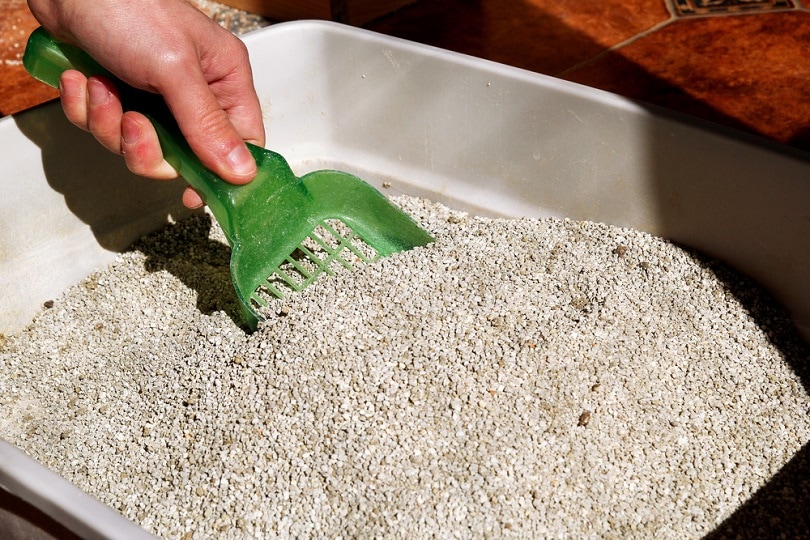
If you’re a cat owner, you wonder if you can compost cat litter. After all, you probably go through a lot, making it seem a shame just to throw it away. The answer depends on the type of product you use and the setup of your composting operation. While plant-based litter made from wood, grains, or paper is fine to compost, clay or silica-based litter is not. Let’s run down what you need to know to make it work for you.

Composting 101
“Composting” describes the process of a controlled method of converting organic waste into a beneficial soil amendment. “Control” refers to your setup, including the container and the maintenance. “Organic” is another keyword since it describes what you can and cannot compost. It’s essentially the same thing that occurs in nature but in a container that lets you guide its course to create humus.

Benefits of Composting
Perhaps the primary benefit of composting is reducing the waste generated by your household. It can take the carbon that exists in these materials and sequester it in the soil, where it can’t contribute to the greenhouse gases in the atmosphere. Therefore, it can help you do your part to fight climate change and global warming.
If you’re a gardener, the compost can supply a ready soil amendment that can improve its organic matter content. It can, in turn, lessen the amount of fertilizer you add to enhance its quality. Your soil will be healthier with this addition. You can also substitute it for mulch. Of course, it takes work and time. You won’t see the benefits immediately. However, they will come with time.

What You Can and Can’t Compost
We mentioned using organic materials. They must be in a balance of greens (nitrogen rich) and browns (carbon rich). The former includes things such as crushed eggshells, coffee grounds, produce scraps, and grass clippings. Good choices for the latter are shredded white paper, twigs, and dry leaves. Nature will provide the oxygen and moisture to get things cooking. Acceptable materials are as close to natural as possible.
Things to Avoid
Organic items won’t go rancid but decompose instead. Compost is a scrap pile for much of your kitchen waste.
Things you shouldn’t put in it include the following:
These things spoil. They can also attract nuisance wildlife, like raccoons and rodents. You should also avoid invasive plants or noxious weeds, which often grow aggressively and are damaging to animals or the environment. The last thing you want is for your garden to become a monoculture of unwanted vegetation. Avoiding pesticide-treated plants will prevent harm to your garden varieties. Now, we must address the question of kitty litter.
Types of Cat Litter
Ed Lowe changed the lives of cats and their owners forever with the invention of kitty litter from absorbent clay. People had used sand before it came on the market. The clay simplified matters. However, it wasn’t long before manufacturers developed other types of products. Now, we have clumping litter, silica gel, and biodegradable offerings.
The problem with the first two is that they’re not organic and will not decompose in the compost pile. There are also fears surrounding the silica dust produced by clay based litters. They can also impede the process by reducing airflow and encourage bacterial development. Biodegradable litter has many sources, including soy pulp, crushed walnuts, and recycled newspapers. They fit the bill for being organic. However, it’s not that simple.

Risks of Composting Cat Litter
Biodegradable litter will decompose in a compost pile like any other materials we’ve listed as acceptable. That’s not the problem. The issue exists with the associated waste the spent litter will contain. Undoubtedly, you wash your hands after cleaning the box. Cats, even our pets, can carry many zoonotic diseases and parasites that can affect you or your family.
They include the following:
It’s worth noting that felines can pass Salmonella poisoning to pet owners, particularly if they feed their cats raw or undercooked diets. It’s one reason the American Veterinary Medical Association (AVMA) cautions against giving your pets these foods.
The only way you can increase the safety of your compost is if you can maintain a temperature of at least 131℉ for three consecutive days. Most pathogens that cause human and animal disease are destroyed at temperatures over 131℉. That only adds to the difficulty of maintaining the proper conditions. However, it will get rid of additional issues, such as weed seeds. Nonetheless, there is another caution you must take.
Tips for Composting Cat Litter
Ensuring your compost stays above the recommended temperature isn’t easy. However, it’s not worth the risk of adding cat litter to the pile if you can’t be sure of its safety. Additionally, you shouldn’t use compost for any edible plants to lessen the threat the pathogens pose. If you use it for your garden, make sure to wear gloves and wash your hands and your tools after using the compost.
The alternative is to create a separate compost pile that is inaccessible to children and other pets in your household. The same precautions after use still apply.
Final Thoughts
Composting kitchen waste is an excellent way to reduce your household’s environmental impact. It is a commitment because of the time involved. While cat litter would seem an appropriate addition, it adds a wild card to the mix that isn’t worth the risk it can pose to you and your family, unless you can be sure that you can maintain it at a safe temperature and are only composting biodegradable litter. On top of that, you shouldn’t use the compost for food plants and should wash your hands after handling it.

Expert cat care, straight to your inbox
Vet-reviewed advice, behavior tips, and the best of Catster. Free, and you can unsubscribe anytime.
By signing up, you agree to our Terms & Conditions and Privacy & Cookies Policy.
Chris has been a science-focused pet writer since 2009, specializing in health and the environment. She lives with her husband Norm and three amazing cats in the land of 10,000 lakes. When she's not writing about cats, Chris also enjoys boating and sampling wine. She has her WSET 1 and 2 certifications and is currently pursuing her Certified Wine Specialist Award (CSW).
Join the conversation
Ask a question, share your story, or send private feedback.