Can Cats Drink Wine? Vet-Verified Safety Information


In this article
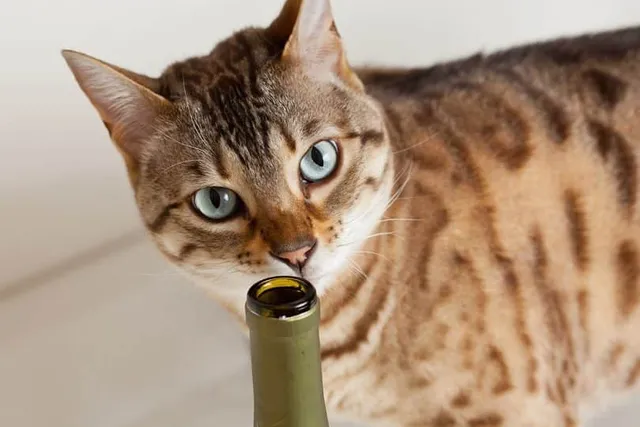
Many cat lovers appreciate a nice glass of wine in the evening to help them relax. Not only is it a crisp and refreshing drink, but it can also cut the edge after a stressful day and allow you to enjoy some much-needed personal time, curled up on the couch with your cat. But if you noticed your cat taking a few sips from your glass while you were off in the kitchen, you might be wondering if wine is safe for cats to drink or if you need to be heading to the vet.
In truth, alcohol is toxic for most domesticated pets, including cats. Given a cat’s small size, even a small dose can be dangerous.
Fortunately, there are a few signs that might indicate that your cat might have alcohol toxicity, and there are even some pet-safe alternatives to wine for your feline so you can share a glass with your furry friend and they won’t feel left out.

Cats and Alcohol
Cats are highly susceptible to alcohol toxicity, and even a small amount of alcohol can have terrible consequences for them.
So, what happens to a cat after they drink? 15 to 30 minutes after alcohol ingestion, cats might appear weak, sleepy, and disoriented, with a loss of coordination, a staggering gait, and nausea. Some cats might vomit, drink more water, or urinate more. The effects of alcohol can rapidly go from those effects to a lower body temperature, a lower respiratory rate, and low blood glucose, resulting in tremors, seizures, coma, and even death.

Can Cats Drink Wine?
Let’s say you caught your cat in the act of drinking from your wine glass. Do not hesitate to contact your vet, as time is precious. Wines vary in their alcohol content, from 5.5% to 25%. The higher the content of alcohol in the wine, the greater the risk for your cat. While it might seem that the early signs look similar to those of a human being “buzzed,” know that your cat is at high risk. Alcohol toxicity can and likely will quickly worsen, and you need to make that trip to the vet ASAP.
The signs of alcohol toxicity include the following:
Signs of Alcohol Toxicity
If your cat is experiencing severe alcohol toxicity, the signs are even more severe:
Signs of Severe Alcohol toxicity
What Happens When Cats Drink Wine?
What happens once your cat has consumed alcohol depends on how much they ingested. Knowing exactly how much alcohol will affect a cat and how they will be affected is unfortunately not straightforward, as different wines have different grades. One thing that we do know is that felines are highly sensitive to it, and the faster they get medical help, the greater the chance they have to recover.
The vet can help by inducing vomiting or giving your cat intravenous fluids to help flush their system, stabilize their electrolytes, and ensure that they stay adequately hydrated. Extreme cases might require other treatments or even assisted ventilation.
What Alcohol Is Worst for Cats?
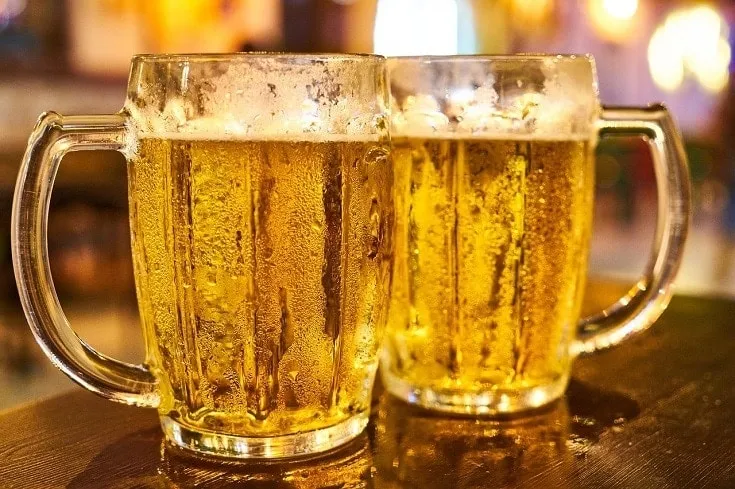
As we all know, wine isn’t the only alcohol out there, and your cat could possibly get into beer or hard liquor instead. While none of these are safe for cats to drink, some are more detrimental than others. For cats, it all boils down to the ethanol content of the alcohol.
Light beer has the lowest alcohol content. Next are craft beers, followed by wines. Hard liquor is about as bad as it gets for your cat, only outdone by hard-grain alcohols, such as Everclear.
Other Sources of Alcohol
For the most part, you’re unlikely to find your cat drinking beer, wine, or hard liquor. They don’t enjoy the taste of these drinks, so they generally steer clear.
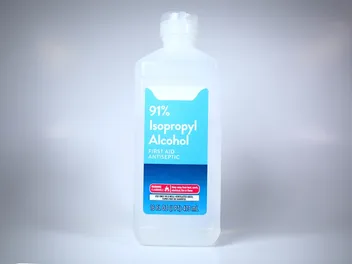
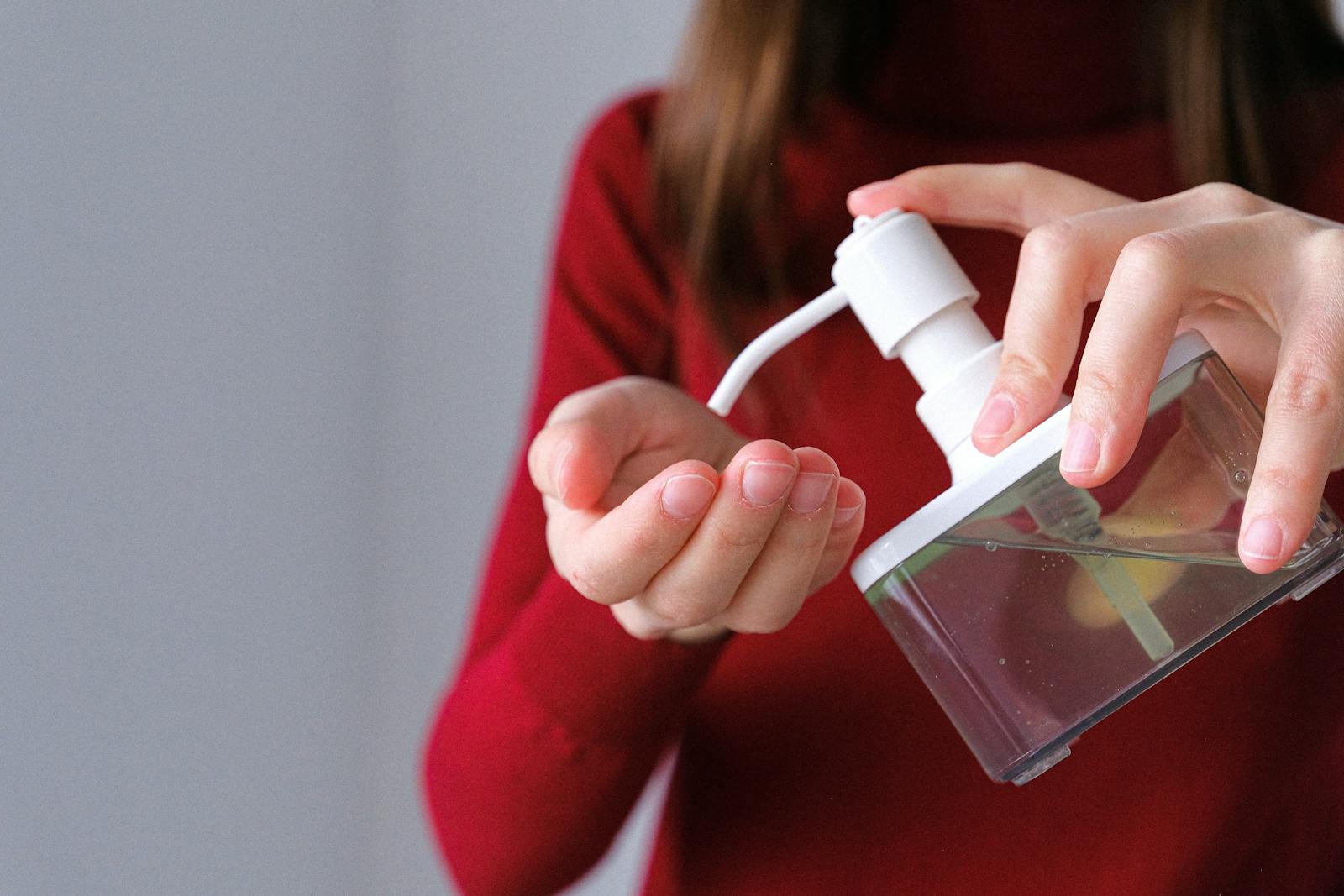
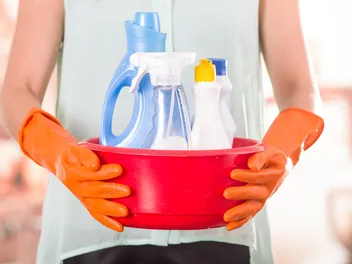
That said, other alcohol-containing concoctions might be more attractive to your feline, and these you need to watch out for. Alcohol-based cakes are sweets but are aromatic and can still have enough alcohol content to negatively affect your cat. While your cat is unlikely to drink tequila straight, they’re much more likely to go for a taste of that rum cake. Similarly, mixed drinks might have much more appeal to a cat than beer or wine. These drinks are loaded with sugary sweeteners or have a salty rim that can easily convince your cat to take a sip. There’s also alcohol hidden in other additives. For instance, vanilla flavoring contains alcohol. Non-food items also often contain ethanol, such as cleaning products, mouthwash, and hand sanitizer. These probably won’t appeal to your cat’s taste buds, but you never know what you might find your pet licking up. You should also keep in mind that cats can get intoxicated by significant absorption of alcohol through their skin or even inhalation. Perhaps the most important mention goes to raw dough with yeast in it. If a cat ingests it, the natural reaction of the yeast (which causes the dough to rise in a bakery) will release ethanol in the body and lead to ethanol alcohol toxicity.
Wine Alternatives That Are Safe for Cats
Please Note
Have you ever felt guilty at the way your cat eyes you while you enjoy that nice glass of wine? If you have, you should know that there’s a cat-safe alternative to traditional wine that you might want to consider.
Cat wines are made specifically for cats using a blend of ingredients they love. These wines are made with organic catnip, salmon oil, and filtered water. Obviously, these drinks don’t contain any alcohol, but they can still get your cat buzzed thanks to the catnip. This way, the two of you can enjoy a relaxing buzz together while you cuddle up on the couch.
Conclusion
As you probably suspected, wine isn’t safe for cats to drink. The ethanol in wine is likely to poison your cat, and it won’t take much either. If you are enjoying a glass of wine, please keep it away from your cat. Of course, accidents can happen, so know the signs of alcohol poisoning in felines and watch out for them, so you can take your cat to the vet if needed.
While wine isn’t the most concentrated alcoholic beverage, it’s still not safe for a cat. But if you would like to cheer with your kitty, know that thanks to new products like pet wine, you can share a buzz with your beloved cat. What else could you really need besides a nice glass of wine and your favorite feline?
Featured Image Credit: congerdesign, Pixabay
Expert cat care, straight to your inbox
News, insights, and useful advice, delivered to you.

No spam — unsubscribe anytime.
By signing up, you agree to our Terms & Conditions and Privacy & Cookies Policy.
How useful was this post?
Click a star to rate. You can leave written feedback afterwards. (We read all feedback.)
Christian started writing for a local newspaper as a teenager, and he's been involved in the publishing industry for most of his adult life. Combining his love of writing with a passion for animals, he is currently the Director of Editorial at Pangolia and the Editor-in-Chief at Catster.
Christian lives in the Philippines with his wife, son, and four rescue cats: Trixie, Chloe, Sparky, and Chopper.