Do All Cats Hate Water? Vet-Verified Info & Bathing Tips


Lots of dogs love jumping into ponds, swimming pools, or the ocean. But would a cat even take the plunge and dip their feet into water? Not all cats hate water. Yes, you heard us correctly! Some cats even like water and may enjoy playing in the water or taking the occasional dip to cool off. The key to understanding why not all cats like water is in their evolution.

Why Cats Avoid Water: The Top 3 Reasons
A Note From Our Veterinarian
It's hard to know precisely what makes cats so repulsed by water. It's not like they can open their mouths and tell us, after all! However, based on their actions and behaviors, we can infer what makes them so averse to swimming.

1. No Need to Swim
While wild cats may need to swim to find food or shelter, cats under human care haven't needed to swim for thousands of years! The domestication of cats started several millennia ago. The ancestors of our modern cats were raised in the desert. Though these cats would have had to drink water, the odds of them requiring frequent swimming is probably not that high.
As with any desensitization, a lack of experience with a stimulus often results in fear and apprehension. Think of it in more relatable terms. Most people don't like getting shots, but people who get fewer shots on average tend to be more afraid of them.
Therefore, one theory suggests that cats are apprehensive towards water because of their ancestry. It is, however, not without its holes and controversy, as many cats in the present day are comfortable with baths and swimming. Therefore, to attribute fear to just ancestry is seen by many as a stretch.
2. Wet Fur Is Annoying
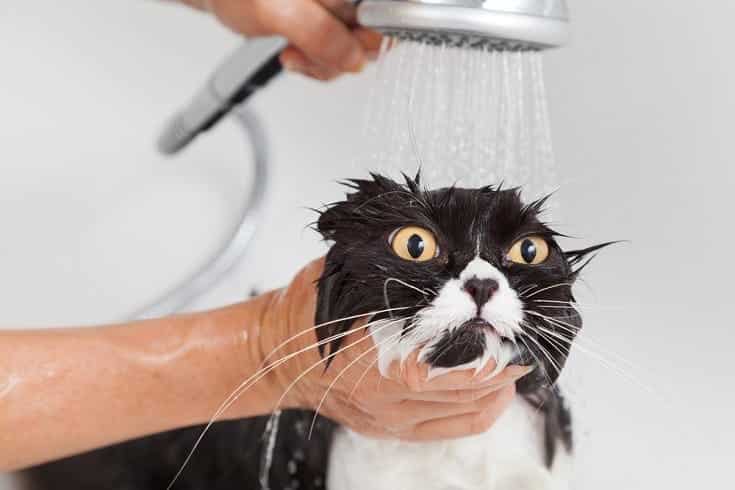
Furthermore, wet fur has got to be annoying, right? I mean, think about how wild your own damp hair can be! Imagine if you had wet hair all over your body; that would be uncomfortable!
Wet fur affects a lot of facets of a cat's life. It's heavy. So, it would be hard to run away from predators and even harder to stalk your own prey. It's uncomfortable on your skin, and it makes the cat less nimble and agile when moving.
Seeing as being wet is uncomfortable and dangerous for cats, it makes sense that they'd go to great lengths to avoid it.
3. Shock Value
Most people don't like falling into the water, and it would be wholly unreasonable to expect our cats to enjoy it any more than we do. So, it makes sense that falling into a bathtub would frighten a cat and even ward them off interacting with water for the rest of their lives.
This often ties in with a lack of desentization. Cats who are introduced to baths at a young age in a positive manner are generally not as opposed to baths as those that aren’t used to such experiences.

Some Cats Like Water
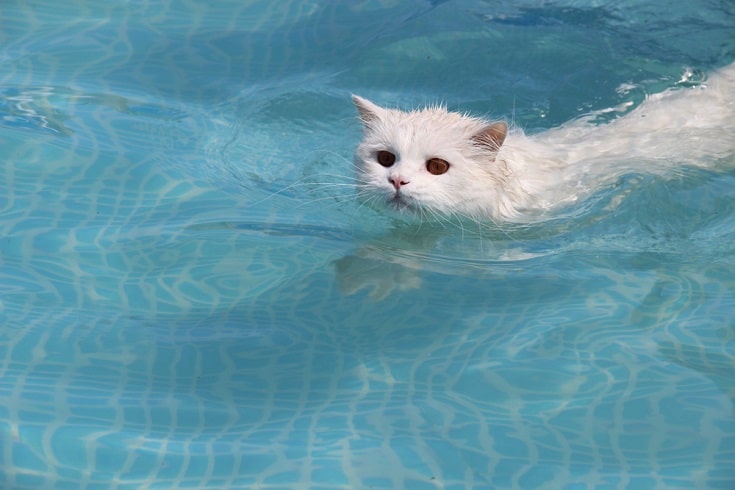
Not every single cat hates water. Some cats love to take a swim and play in the water. Domestic cats often rely on the owner to properly acclimate their cat to the feeling of being wet. But big cats usually love water! Tigers, lions, and leopards are well-known swimmers who will chase prey into the water without the slightest hesitation. Tigers are even known to take a swim just to cool down on a hot day!
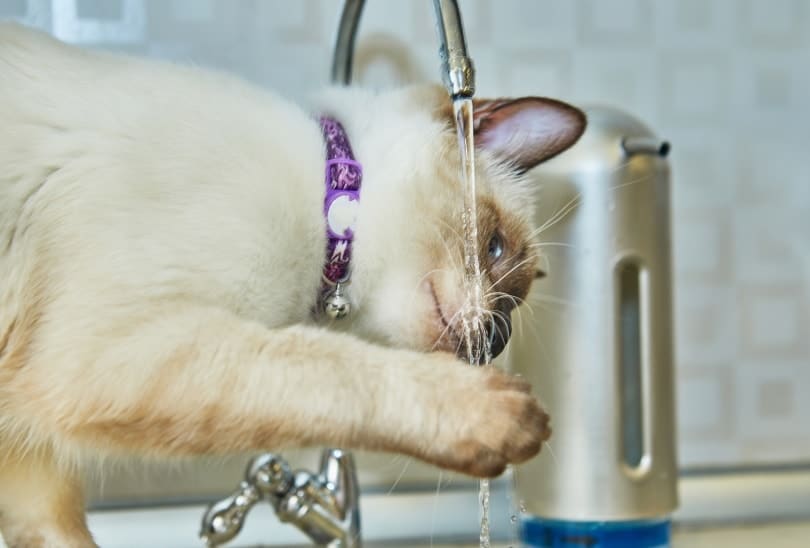
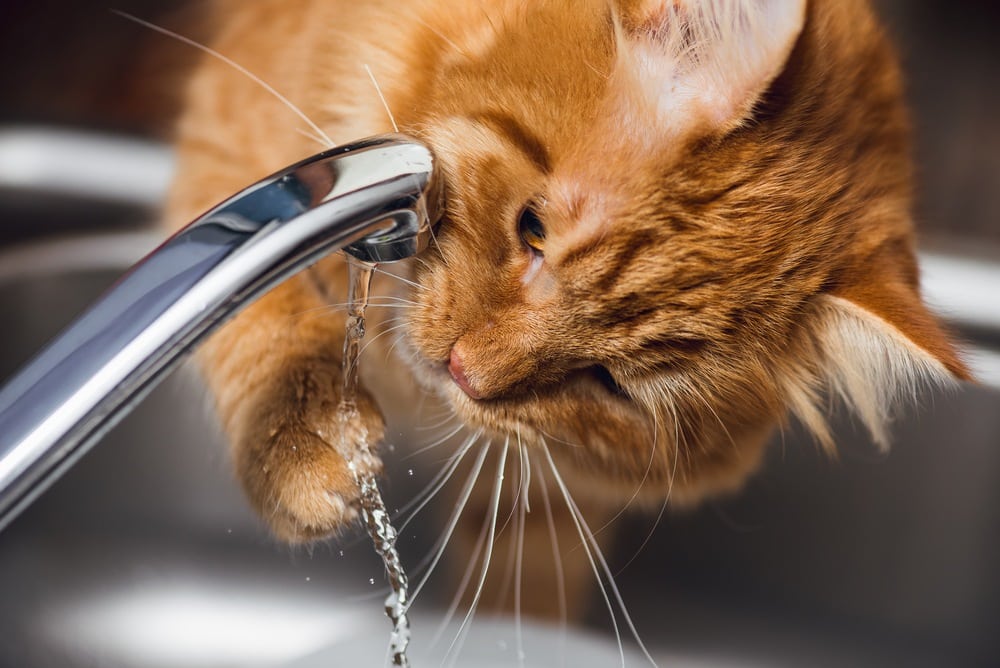
Additionally, plenty of domestic cat breeds love playing in the water. Breeds like the Norwegian Forest Cat, Maine Coon, Turkish Van, and Bengal are anecdotally known for their water-loving ways. Many breeds of cats also possess partially water-resistant coats, and don’t immediately become wet when they run their paws through water or when they adoringly dunk their heads under an open tap.
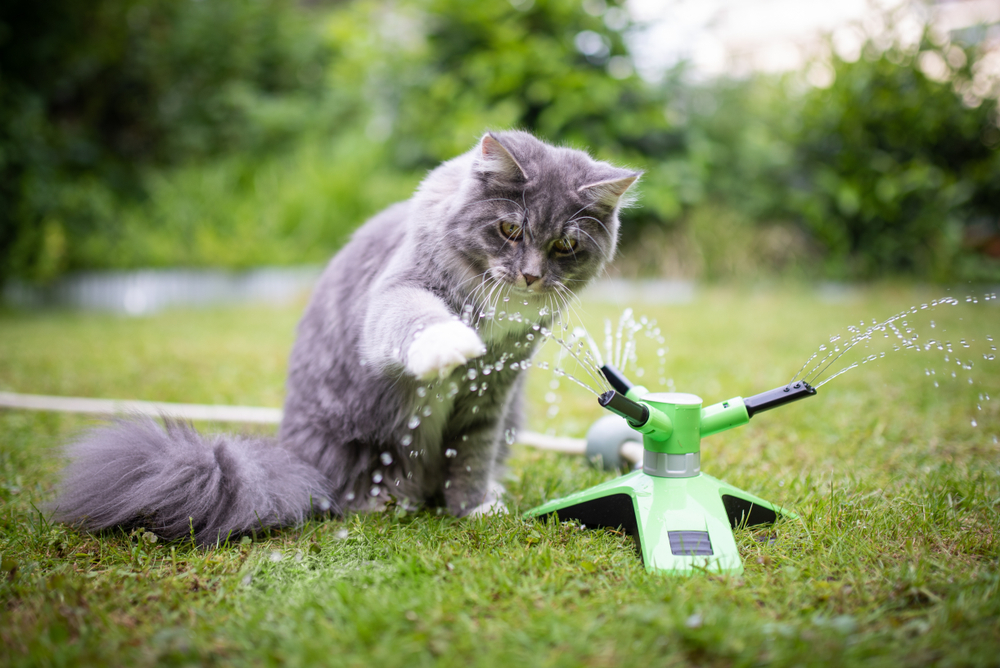
Even if your cat doesn't like water, they may even get used to water and learn to enjoy it!
How to Introduce Your Cat to Water in 5 Steps
These are general guidelines for introducing your cat to a bath or swimming experience; there’s no guarantee that they will definitely work. You may also have to modify some steps, depending on how your cat responds to the experience.
Some cats have had extremely uncomfortable experiences with water in the past and may protest these measures. It’s best to seek the services of a professional groomer or the advice of a veterinarian if your cat does not agree with these recommendations. Remember that excessive stress associated with being forced to bathe can be detrimental for some cats.
1. Introduce Your Cat to a Dry Tub or Sink
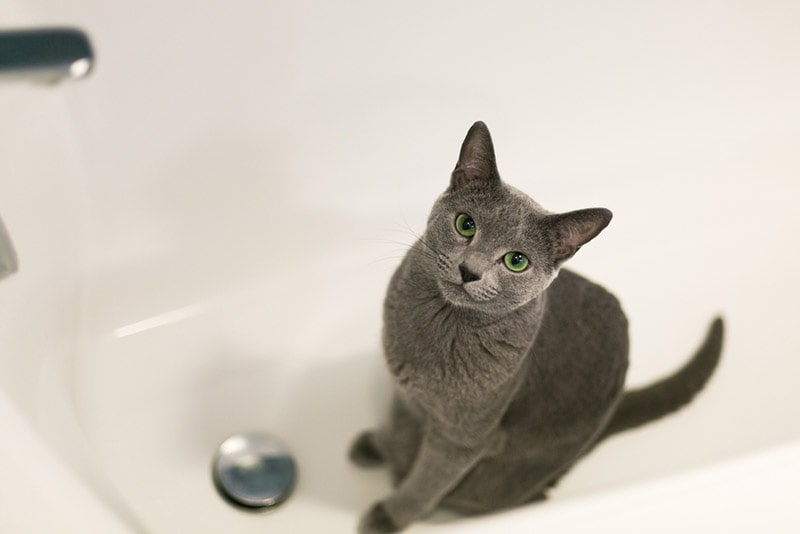
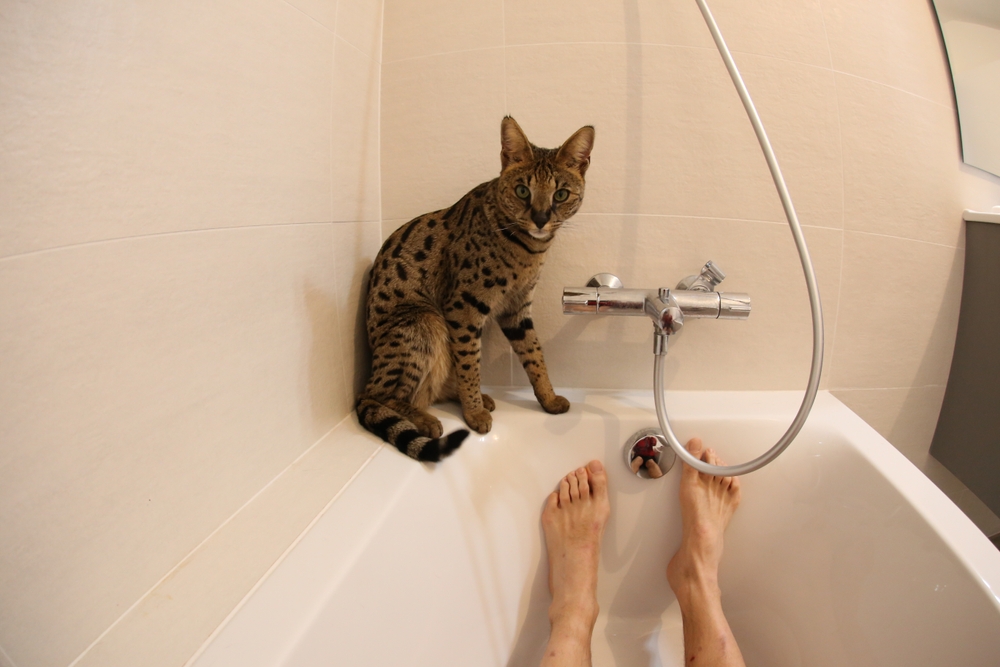
Start by introducing your cat to a dry sink or tub. Bring their favorite toy with you and play with them there. You want to make time spent in the sink or bathtub fun for them and create positive associations between the bathtub or sink and your cat.
2. Introduce a Little Water
Once your cat is used to the feeling of being in the dry bathtub, you'll want to introduce a wet washcloth to your cat. This will help them get used to feeling damp without the shock of suddenly being drenched in water.
3. Put Some Water in the Bottom of the Basin
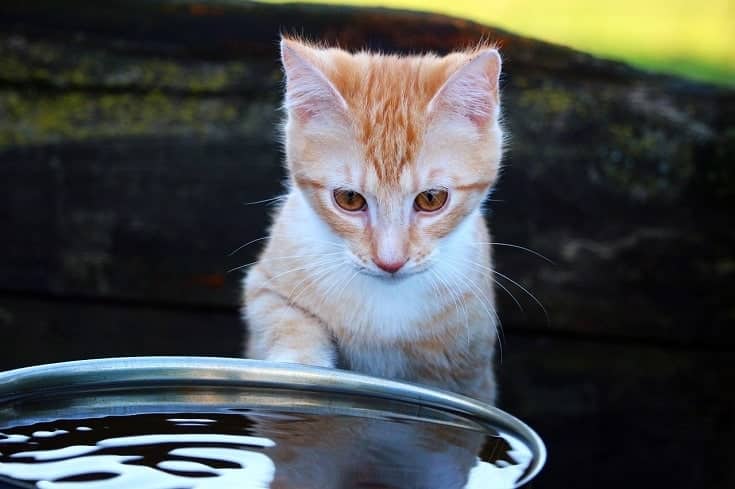
Once your cat is used to the washcloth, fill the bottom of the bathtub with water and let your cat feel it on their paws. Bringing their favorite toy with you may help them create positive associations with the water in the bathtub and teach them how to play in the water.

4. Use a Cup or Your Hand to Pour Water Over Your Cat
You don't want to stick your cat under the faucet or submerge them in water just yet. That will scare them. Instead, use a hand or a cup to pour some water over your cat's body. Avoid the head and the face since that will probably scare them as well.
5. Take Your Time, Be Gentle and Quiet, and Dry Your Cat Thoroughly
Your cat probably won't like being wet. Their instincts will tell them that they need to stay dry as much as possible. So, they're not inclined to enjoy it right away and will want to be dry as soon as they can.
Be gentle with your cat and understand they're doing a new, scary thing. It's important to be proud of them! Dry the cat as thoroughly as you can so that they feel comfortable again after their bath!
Final Thoughts
There are many reasons a cat may not like water. Some of these reasons are possibly evolutionary, but many are a product of a lack of experience and desensitization to water.
Even with your help, your cat may never fully acclimate to water. Even after desensitization, your cat may still have lingering apprehension about water since they've likely grown up fearing it. Still, with some effort and patience, you might be able to get your cat playing and frolicking in the water with you!
Related Reads:
Featured Image Credit: AJR_photo, Shutterstock

Expert cat care, straight to your inbox
Vet-reviewed advice, behavior tips, and the best of Catster. Free, and you can unsubscribe anytime.
By signing up, you agree to our Terms & Conditions and Privacy & Cookies Policy.
Luxifa is a freelance writer with a passion for animal science and technology. She loves to share the world of animal science with people to help them make informed decisions for themselves and their pets. Luxifa has worked in professional pet care for over six years and strives to help change the world of pet care by bringing the information people need to them in terms they can understand. Knowledge is power, and Luxifa loves to help everyone become the most informed they can be.
Join the conversation
Ask a question, share your story, or send private feedback.