Can Cats Swim? Truths & Myths About Felines (Vet-Reviewed)


In this article
Cats are nimble, agile, and incredibly curious. However, they can also be accident-prone, especially when startled. They can be nervous, shy, and even scared of things that they are not used to.
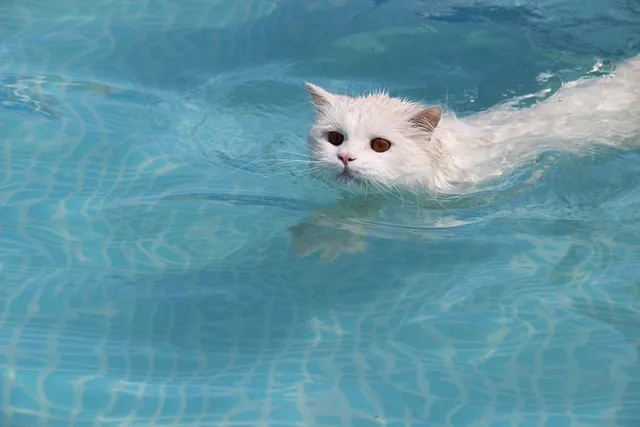
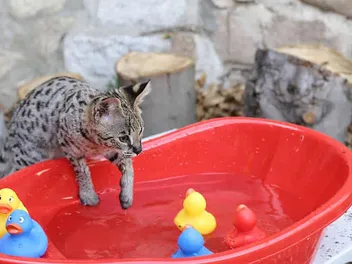
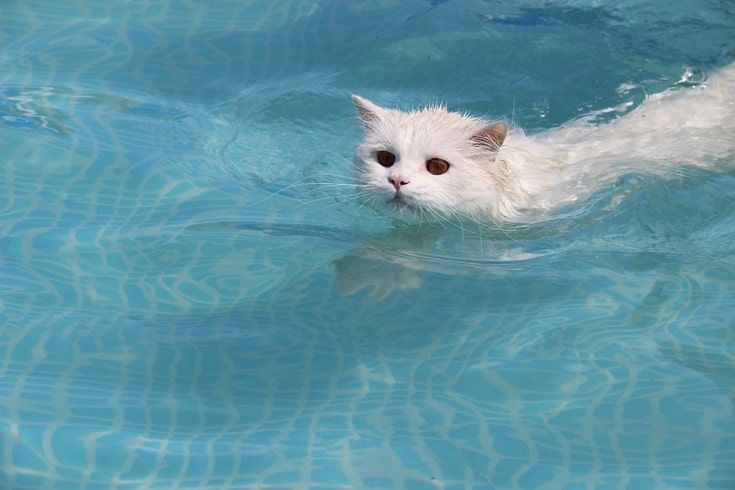
One myth that tends to surround cats is that they have a natural fear of water and are unable to swim. The reality is quite different. Cats are not born with a fear of water, and in fact, cats instinctively know how to swim. Read on as we explain this phenomenon further!

Are Cats Afraid of Water?
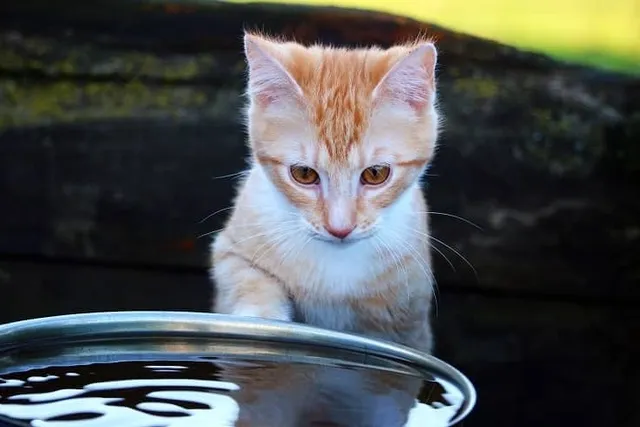
Cats are not born with a fear of water. In fact, it would make no sense if they were born with such a fear. Cats need water to survive, and though they can get plenty of hydration from their prey, they will need to drink water daily. Having a fear of water would be counterproductive to their existence. In reality, the fear of water is a sign of advanced stages of rabies!
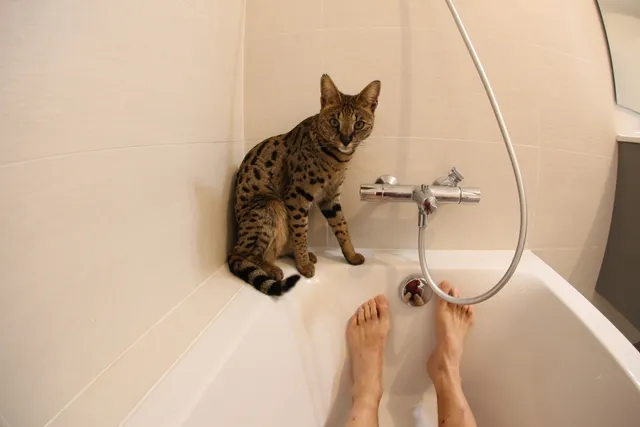
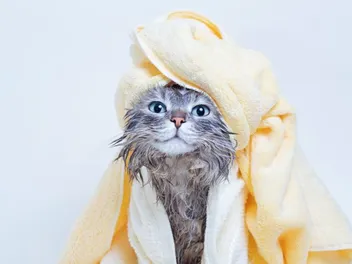
However, cats can learn to become wary of certain activities or certain places if they associate them with a negative experience. If they're plunged into water when they slip into the bath or a pond, their instinct is to get out as quickly as possible. Your cat will (hopefully) likely be able to quickly escape. However, they may definitely not find the experience pleasurable, and if they’re exposed to such a scenario again (for example, brought near the bath), they would naturally protest to protect themselves.
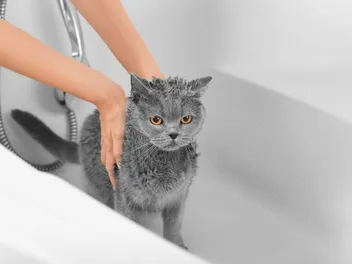
Likewise, a cat that’s not used to having baths and is given a bath out of the blue may not react favorably to the experience. After all, they wouldn’t understand why they’re suddenly wet and heavy, why their claws cannot grip the floor of the tub they’re in, what that mysterious elixir (shampoo) in your hand is, and why you’re suddenly rubbing them so intensely! Top this off with them being in a completely different “territory” and you’ve got a cat that would definitely try to avoid the experience in the future.
At other times, some cats just don’t like the prospect of being bathed or being made to swim. This can be attributed to their personality, but some believe that it might be a survival instinct too. Cats with double or triple coats may become too weighed down when wet and may even become overly cold. They’ll also take longer to dry off, which is definitely not something a predator who would rather sit on top of their cat tree and survey the surroundings would want to experience.

Can Cats Naturally Swim?
Some breeds of cats are not only well adapted to going in the water, but they also enjoy it. The Turkish Van, for example, is nicknamed “the swimming cat” because they have a more suitable coat for swimming. They also enjoy getting out and taking a dip in any body of water. No matter the breed, though, cats can instinctively swim. However, some cats may find swimming unpleasurable if they have a multilayer coat. Such a coat would quickly become waterlogged and heavy. Exceptions do exist though, and some breeds of cats do have partially water-resistant coats.
Cats with a high proportion of fat will float better than those that have lower percentages of body fat. However, fat cats with poor muscular condition may tire out quicker when made to swim. Therefore, their tolerance for swimming might be lower. Likewise, cats with mobility issues may struggle to swim as efficiently as normal cats.
Do Cats Enjoy Swimming?
Some cats do enjoy the water. They will actively seek out water that is deep enough for them to paddle around in. These traits can be attributed to their breed or early positive exposure to baths or large bodies of water. Sphynx cats are frequently bathed from the time they are weaned as kittens and often don’t mind a bath, as they’re very much accustomed to the activity.
How Long Can a Cat Swim?
Big cats can swim for distances of several miles, but no matter the breed of your domestic cat, they are unlikely to achieve these kinds of distances. The exact distance that your cat can swim will depend on their breed, overall health, body fat percentage, muscular condition, coat, the current of the water, and their experience in water. Like humans, cats can swim greater distances with practice and training.


Can I Get My Cat to Like Water?
Though most cats don’t need frequent baths on a fixed schedule, it’s still a good idea to get your cat accustomed to baths at the off chance that you do need to bathe them. It’s best to expose your cat to the activity as a young, weaned kitten. Kittens have a crucial “socialization window” from the ages of approximately 4 to 10 weeks. During this period of time, experiences and encounters can lead to long-term acceptance and positive habits.
However, keep in mind that bathing a kitten isn’t the same as bathing an adult cat. Kittens usually require different shampoos, have a lower cold tolerance, and need much shallower water than an adult cat does. If you aren’t sure on how to bathe a kitten, it’s best to ask a professional groomer to show you the ropes.
With adult cats though, the answer isn’t as clear or obvious, and there’s no formula that will work to ensure that they enjoy water, particularly if they’ve had negative experiences with it before. In this case, there’s an ethical dilemma to ponder: forcing your cat to accept water may be more stressful to them (and you!), which may, in turn, condition them to become more wary of your actions. Therefore, it’s best to have your cat assessed by a feline behavior specialist to ascertain the extent of their fear before beginning.
Which Breeds of Cats Like Water?
Numerous breeds of cats are anecdotally known to like water more than others, although the likes and dislikes of an individual cat will outweigh any breed-based tolerance.
- Turkish Van: Known as “the swimming cat,” the Turkish Van has semi-long fur that is water retardant, so the feline will come out of the water quite dry. Because they don’t get waterlogged, the Van tends to like water more than other breeds.
- Turkish Angora: Another Turkish breed, the Angora will paddle in streams and ponds, and if you own an indoor Angora, you may find that they try to join you in the bath or jump in the shower when you run it. The breed is known for their intelligence and love of playing.
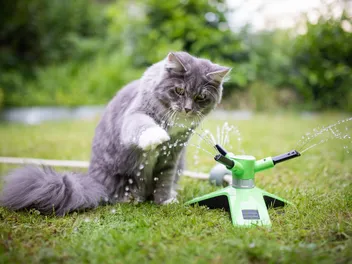
- Maine Coon: The Maine Coon is best known for being a giant breed of domestic cat, but they have a water-resistant coat that enables them to withstand very cold temperatures. This cat is known for being clever and was once used for rodent control aboard ships, which may be the cause or the effect of their affinity to water.
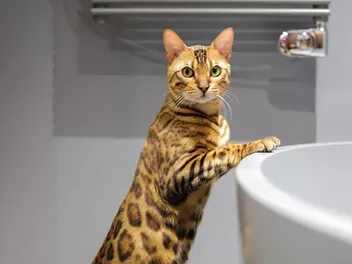
- Bengal: Named after a breed of Tiger, the Bengal loves to get in water and splash around. They especially enjoy chasing things that live in water, but they will make do with chasing the drops of water coming from taps and showerheads.

Conclusion
Cats can indeed swim, and far from being afraid of water, many cats enjoy spending time getting wet, especially those with naturally water-resistant coats that will not get water-logged after a quick dip. Cats that are afraid of water have usually picked up this fear because they have never been exposed to baths, large bodies of water, or have previously had a bad experience.
See Also:
Can British Shorthair Cats Swim? Do They Like Water? Vet-Verified Info
Can Ragdoll Cats Swim? Do They Like Water? Vet-Reviewed Information
Featured Image Credit: Irina Kovynyova, Shutterstock
Expert cat care, straight to your inbox
News, insights, and useful advice, delivered to you.

No spam — unsubscribe anytime.
By signing up, you agree to our Terms & Conditions and Privacy & Cookies Policy.
How useful was this post?
Click a star to rate. You can leave written feedback afterwards. (We read all feedback.)
Christian started writing for a local newspaper as a teenager, and he's been involved in the publishing industry for most of his adult life. Combining his love of writing with a passion for animals, he is currently the Director of Editorial at Pangolia and the Editor-in-Chief at Catster.
Christian lives in the Philippines with his wife, son, and four rescue cats: Trixie, Chloe, Sparky, and Chopper.