Why Is My Elderly Cat Suddenly Pooping on the Floor? 9 Vet-Reviewed Reasons


In this article
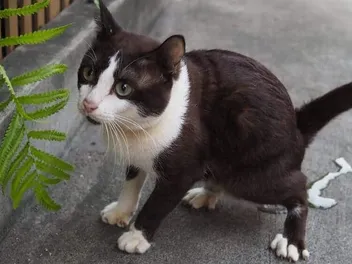
Our cats are known to be fastidious creatures, and it can be disconcerting when you find your beloved pet pooping on the floor. Cats are typically good at using their litter boxes, and if your cat is a senior, you would expect them to continue using it correctly.
However, as your cat ages, there are several reasons that they may suddenly start eliminating your floors and rugs. Knowing why your cat is pooping outside of their litter box can help you get to the root of the problem.

Effectively Cleaning Pet Messes
The first part of cat mess prevention is ensuring you are taking the time to properly clean any accidents - and that starts with investing in the right products! Of course, you'll want to opt for something safe first and foremost, to protect your feline's health, but secondly, you'll need a solution powerful enough to lift the toughest, stinkiest, most set-in stains. An enzyme cleaner is a great go-to option to do just that.
Our Favorite Enzyme Cleaner
The Hepper Advanced Bio-Enzyme Pet Stain & Odor Eliminator Spray is our favorite enzyme cleaner out there. It permanently removes even the very worst kitty stains and smells, leaving your home fresh and clean! Click here to learn more about this amazing product and get yourself a bottle.

- ADVANCED ENZYMATIC CLEANER - Penetrates the most stubborn smells and stains at the deepest molecular levels to dissolve any pet mess you encounter and lift it away at the source.
- FOR ANY MESS, ON ANY SURFACE - This pet odor eliminator cleans your carpets, floors, furniture, fabrics, and more. Whether it's urine, feces, vomit, or drool, you can erase all foul spots and smells!
- FRESH, NATURAL ODOR - Our unique formulation doesn't rely on dangerous or unpleasant chemical fragrances to get the job done. We eradicate smells and stains, not just cover them up.
At Catster, we’ve admired Hepper for many years, and decided to take a controlling ownership interest so that we could benefit from the outstanding products of this cool cat company!
The 9 Reasons That Your Senior Cat Is Pooping on the Floor
1. Medical Condition
Several medical conditions could lead to your cat pooping on the floor. Something like constipation can cause your cat to associate any pain or discomfort that they experience with the litter box, so they choose to poop elsewhere.
Conversely, if your cat has diarrhea, they might not make it to the litter box in time and end up pooping on the floor. There are also various health conditions, such as inflammatory bowel disease (IBD), that can lead to poop issues, including:
- Intestinal tumors
- Muscle and joint issues
- Arthritis
- Food allergies
- Poor vision/blindness
- Thyroid problems
- Liver conditions
- Dementia
- Musculoskeletal injuries
If your cat was using their litter box as usual and suddenly stopped, you should take them immediately to a vet to rule out any medical conditions.

2. Stress
Some cats handle changes in the household better than others. If things have recently changed, a senior cat might have more trouble coping, particularly if they have a nervous temperament already.
Disruptions in the home, such as new people moving in, renovations, or a new pet, can cause stress for most cats, and pooping on the floor could be the result. Usually, your cat will adapt (with your help). They will likely start using the litter box again, but see a vet if the behavior continues.
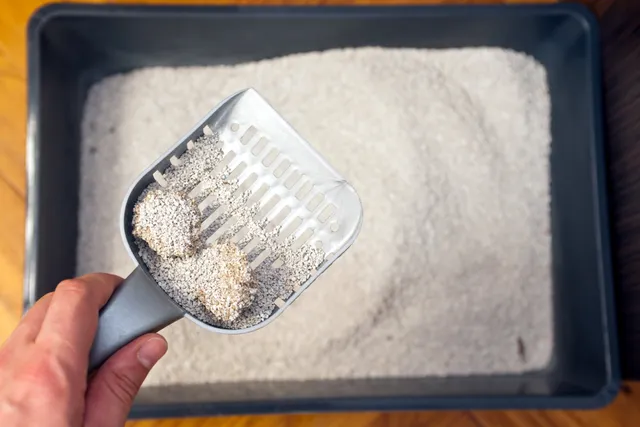
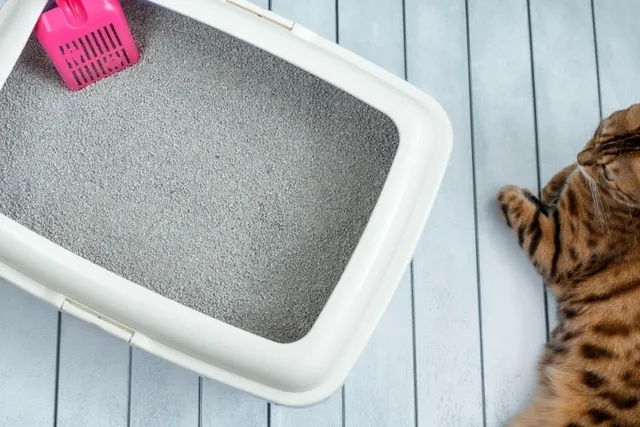
3. The Litter Box
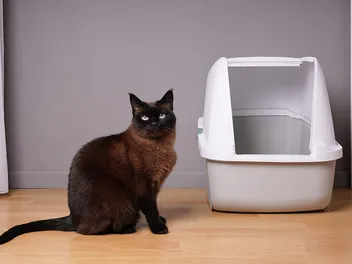
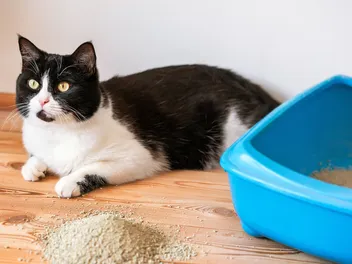
Sometimes, the litter box is the issue. Litter boxes should be about one and a half times the length of your cat. They should be able to stand at their full height and comfortably turn around. If you’ve recently changed your cat’s litter box and the pooping on the floor seems to have happened soon after, it’s likely that your cat doesn’t like the new box.
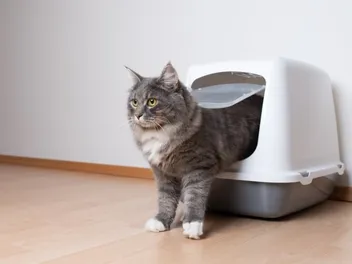
If it’s a covered box, some cats prefer something that isn’t enclosed, or if it’s an automatic litter box, some cats might be put off by the sound and movement of the mechanics. Most importantly, if it has high edges, it might be too difficult for your cat to get into, particularly if your senior cat has arthritis or mobility issues.
Aim for a litter box with low sides that is easier for your cat to get into. You might have to clean up the litter that will get kicked out frequently, but it might allow your cat to use the box again, and no more poop on the floor will be worth it. Try investing in a good litter mat that can catch some of the excess litter.

4. Litter Box Location
This isn’t a likely option if you haven’t moved the litter box recently, but if you have, the new location may be irritating your cat. Some cats might find it stressful if it’s in an area that could be considered busy, such as close to the front door or next to the washer and dryer.
You should ensure that your cat’s litter box is in a quiet and private location and that they can be left in peace while using it. This means no other pets, children, or adults should bother the cat while they’re using the litter box.
5. The Litter
If you’ve changed the litter recently, it could be an issue. Most cats prefer litter that is similar to sand since they descended from desert-dwelling cats that would bury their waste in the sand. If the texture of the litter bothers your cat, they might prefer pooping on your floor.
Additionally, ensure that you only use unscented litter; cats have a sensitive sense of smell and don’t enjoy strong fragrances, particularly in their litter boxes. The litter should be a minimum of 3 inches deep, and if you previously used plastic liners, try going without, as your cat might not appreciate the sound and texture of the bag under the litter.

6. Cleanliness
If you haven’t cleaned your cat’s litter box often enough, they might avoid it. Litter boxes should have the waste scooped once a day. Some cat parents scoop every time their cat uses it.
Once a month, the entire litter box should be dumped out, cleaned, disinfected, and then filled with clean litter.
7. New Cat
If you’ve recently adopted a senior cat, pooping on the floor could be a reaction to the stress of the change in their environment. It might take a few weeks for your cat to readjust to their new home.

8. New Pet
If you’ve recently introduced a new dog or cat to your household, your elderly cat might be pooping on the floor in response. New cats, in particular, can trigger territorial behavior from the resident cat, which can result in spraying and pooping around the home.
Make introductions gradually, and ensure that your senior cat is safe at all times, with an escape route if needed. If a new neighborhood cat is roaming around, it can also bring up stress and territorial behavior from your senior cat.
9. Enough Litter Boxes
If you have a multi-cat home, you should have enough litter boxes. You need one litter box for each cat, plus one more. So, if you have one cat, you need two litter boxes, but three litter boxes are required if you have two cats.
Each litter box should be placed apart from each other. If you have two levels in your home, it’s a good idea to have at least one box upstairs and the others downstairs, especially your elderly cat’s box.
If you only have one cat, they might still prefer multiple litter boxes; some cats prefer to urinate in one and defecate in the other.


A Few Solutions
Watch your cat around the litter box. Sometimes, you can determine what the problem is through observation. For example, most cats typically spend a while burying their poop, but if your cat dashes in and out of the litter box, the problem might be the litter.
Try placing a few litter boxes side by side with different litter. Whichever litter your cat seems to prefer should be the one to use. If your cat appears to prefer pooping just in your bedroom, make the room off-limits. Or, consider placing a separate litter box in that location.
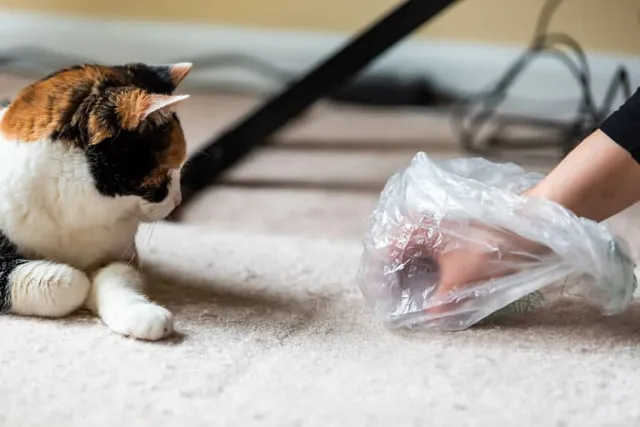
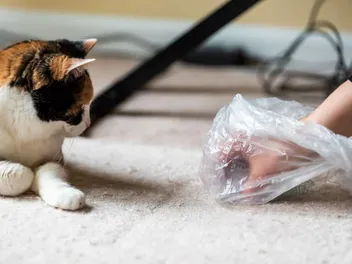
Finally, try cleaning up the areas that your cat seems to be pooping on with an enzyme cleaner. It helps neutralize the odor and might prevent your cat from returning to that spot.

Conclusion
Don’t view your cat pooping on the floor or in your shoes or bed as devious behavior. More than anything, it’s a sign of distress. Medical problems, anxiety, and litter box issues are common motivators for inappropriate elimination.
Speak to a vet. They should be able to give you helpful advice and help rule out any medical problems.
Featured Image Credit: Kristi Blokhin, Shutterstock
Expert cat care, straight to your inbox
News, insights, and useful advice, delivered to you.

No spam — unsubscribe anytime.
By signing up, you agree to our Terms & Conditions and Privacy & Cookies Policy.
How useful was this post?
Click a star to rate. You can leave written feedback afterwards. (We read all feedback.)
Kathryn was a librarian in a previous lifetime and is currently a pet writer. When she was a child, she hoped to work in ZOOs or with wildlife in some way, thanks to her all-consuming love for animals. Sadly, she's not strong in the sciences, so she fills her days with researching and writing about all kinds of animals and spends time playing with her adorable but very naughty tabby cat, Bella. Kathryn is hoping to add to her family in the near future – maybe another cat and a dog.