Can Stress Cause Seizures in Cats? Vet Reviewed Facts & FAQ


In this article
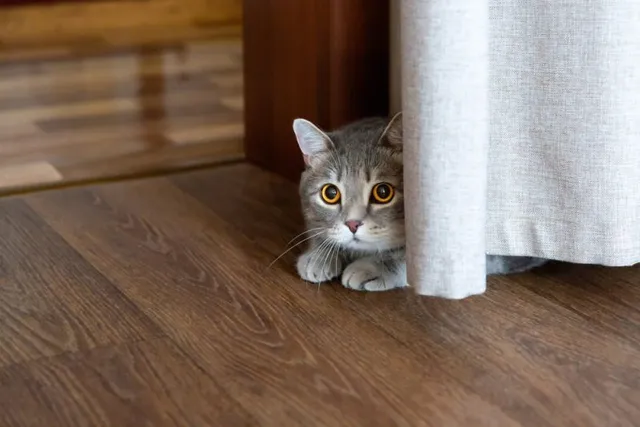
Cats are creatures of routine that do not tend to adjust too well to significant life changes. With any change in environment, your cat can become easily frazzled, giving them a heavy burden of stress. Stress, as we know, can lead to health concerns, and internal bodily stress may perpetuate some forms of seizures in cats.
This article will go over seizures in cats, what causes them, and how you can handle your cat’s seizures. We will further discuss signs that your cat may be stressed as well as how to reduce your cat’s stress.

What Causes Seizures in Cats?
As mentioned, head trauma or other issues with the brain can lead to seizures, although these are not the only possible causes. Other parts of your cat’s body may also play a role in their seizures, such as the liver. If your cat has liver disease, toxins may build up in their brain and cause them to have seizures. The kidney is another organ that, if diseased, could cause seizures in your cat.
Stress may also cause your cat to have seizures. However, environmental stress is rarely a factor for seizures, and instead, internal body stressors are indicated as a potential cause for following:
Seizures That Internal Stress May Perpetuate or Exacerbate:
What Is a Seizure?
A seizure is a clinically detectable manifestation of abnormal discharged from a group of hyperexcitable cerebral neurons. These occur when an uncontrolled electrical disturbance surges in the brain, causing your cat to twitch, tremble, convulse, or spasm.
You have likely also heard of epilepsy, which is a neurological condition that can cause repeated seizures. The term reactive epileptic seizure is used when the normal brain reacts to transient systemic issues or physiological stresses; these seizures are not considered recurrent.
Other seizures may occur due to head trauma, brain abnormalities, low blood oxygen and glucose levels, or genetic factors. Most seizures in cats are due to a prior head injury; however, some cats may experience seizures spontaneously with seemingly no cause.

How to Know if Your Cat Is Having a Seizure
Depending on the type of seizure, your cat's behavior will vary. Shortly before a seizure begins, your cat may exhibit some odd behavior. This may include strange movements such as pacing or circling. Your cat may yowl or even vomit before a seizure occurs.
During a seizure, your cat may collapse on the ground. A cat's body will likely be stiff before they begin to experience uncontrollable muscle contractions or convulsions. This may look like your cat is jerking around, snapping their jaw, or running in place. Seizures generally only last for a minute or two at most. If the attack does not stop soon or if your cat continues to have repeated episodes in a short time, they will need emergency care immediately.
After the seizure, your cat will likely be disoriented. Your cat may be momentarily immobile or seemingly blind. It is also possible that they will vomit and experience some temporary behavioral changes.
How to Care for a Cat During and Immediately After a Seizure
When your cat is having a seizure, the best thing you can do for them is to ensure that they do not hurt themselves. You will want to move them to a safe place with no stairs or furniture to hit. Keep your seizing cat away from other pets in the household, as they may be curious and come too close or attack in confusion.
When moving your cat, be cautious. Likewise, when they recover from their seizure, they may be so confused and not recognize you. This may cause your kitty to lash out in fear. As soon as the seizure is over and your cat is calm enough to be moved, it would be best to talk to a vet.
How the Cause of a Cat’s Seizure Is Diagnosed
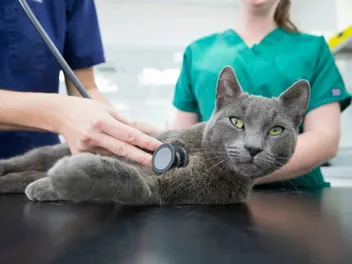
Since there are so many potential causes of seizures, from stress to brain abnormalities to medical conditions, a vet will need to run a series of tests to diagnose the cause of your cat’s seizures.
The vet may take blood and urine samples to test for causes outside of the brain, such as toxins. Blood tests, X-rays, MRIs, cerebrospinal fluid analyses, and CT scans may also be used to evaluate the fluid around the brain or to examine the structure of the brain itself.

Signs That Your Cat Is Stressed
If your cat is experiencing internal forms of stress, there will likely be some common signs. Indications of stress include urinating outside of the litter box, gastrointestinal issues, excessive grooming or scratching, increased vocalization, a change in appetite or sleeping patterns, isolation, and aggression.
How to Reduce Cat Stress
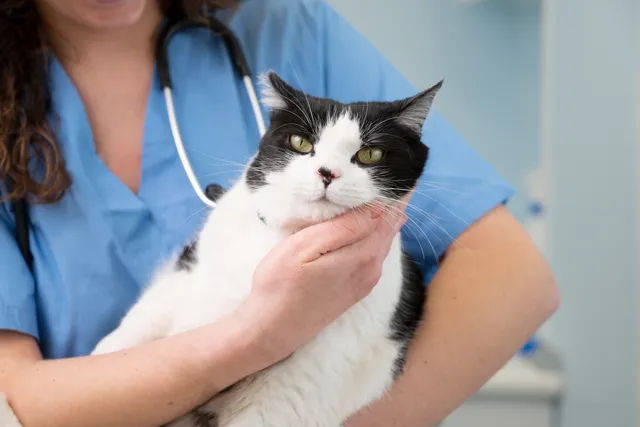
The stressors involved with seizures aren't environmental but rather internal. Though being a good cat owner goes a long way in ensuring your cat's health, there are some circumstances where you might not be aware of your cat's internal environment. Therefore, routine veterinary checkups are key to ensure that your pet is indeed in good health.
These welfare visits often happen at least once per year for healthy adult cats, and once per six months for seniors.
Conclusion
Although stress can cause seizures in cats, many other possible causes could also contribute. Still, minimizing stress is vital for your cat’s health. Cats can become easily stressed, and too much stress can cause significant problems. So, if you notice your cat seeming more stressed than usual, take them to the vet to rule out any medical concerns and start working on reducing stressors in their environment.
See also:
Sources
https://www.mayoclinic.org/diseases-conditions/epilepsy/symptoms-causes/syc-20350093
https://www.petmd.com/cat/emergency/common-emergencies/e_ct_seizures_and_convulsions
https://www.aspcapro.org/resource/most-common-causes-toxin-seizures-cats
https://vcahospitals.com/know-your-pet/seizures-and-epilepsy-in-cats
Featured Image Credit: Zhuravlev Andrey, Shutterstock
Expert cat care, straight to your inbox
News, insights, and useful advice, delivered to you.

No spam — unsubscribe anytime.
By signing up, you agree to our Terms & Conditions and Privacy & Cookies Policy.
How useful was this post?
Click a star to rate. You can leave written feedback afterwards. (We read all feedback.)
Cats are Jordyn’s passion. Whenever she has the opportunity she loves to learn about animals and share her knowledge with everyone. She is devoted to her sassy tabby cat named Jack and works hard to buy him his favorite treats and toys. Discovering new ways to better care for her cat is always on her to-do list, and she is eager to help pet parents everywhere. In Jordyn's spare time, she loves to write, read, and take long walks. She has a creative spirit, which often helps her to come up with funny cat names.