How to Tell if Your Cat Has Separation Anxiety: 8 Vet-Reviewed Signs to Look For


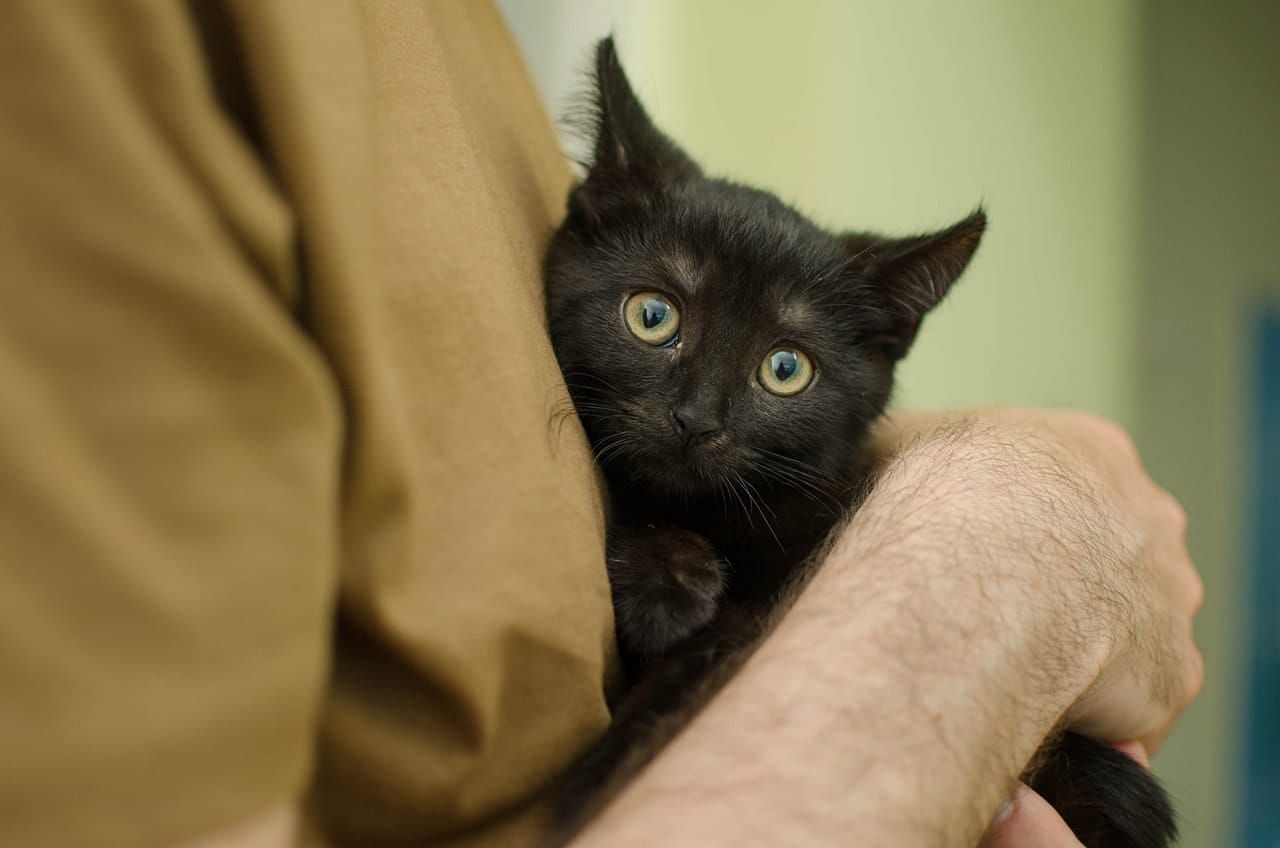
You may have heard about dogs having separation anxiety, but this condition can affect cats, too. If you're wondering if cats can have separation anxiety, they can. While cats may seem more aloof than dogs and not appear to be as bonded to their owners, each cat has their own personality. Some cats may never experience separation anxiety, while others may experience it to the extreme. Here are eight signs that cat owners should be aware of so they can tell if their cat has separation anxiety and what they can do about it.

The 8 Signs That Your Cat Has Separation Anxiety
1. Increased Vocalizations
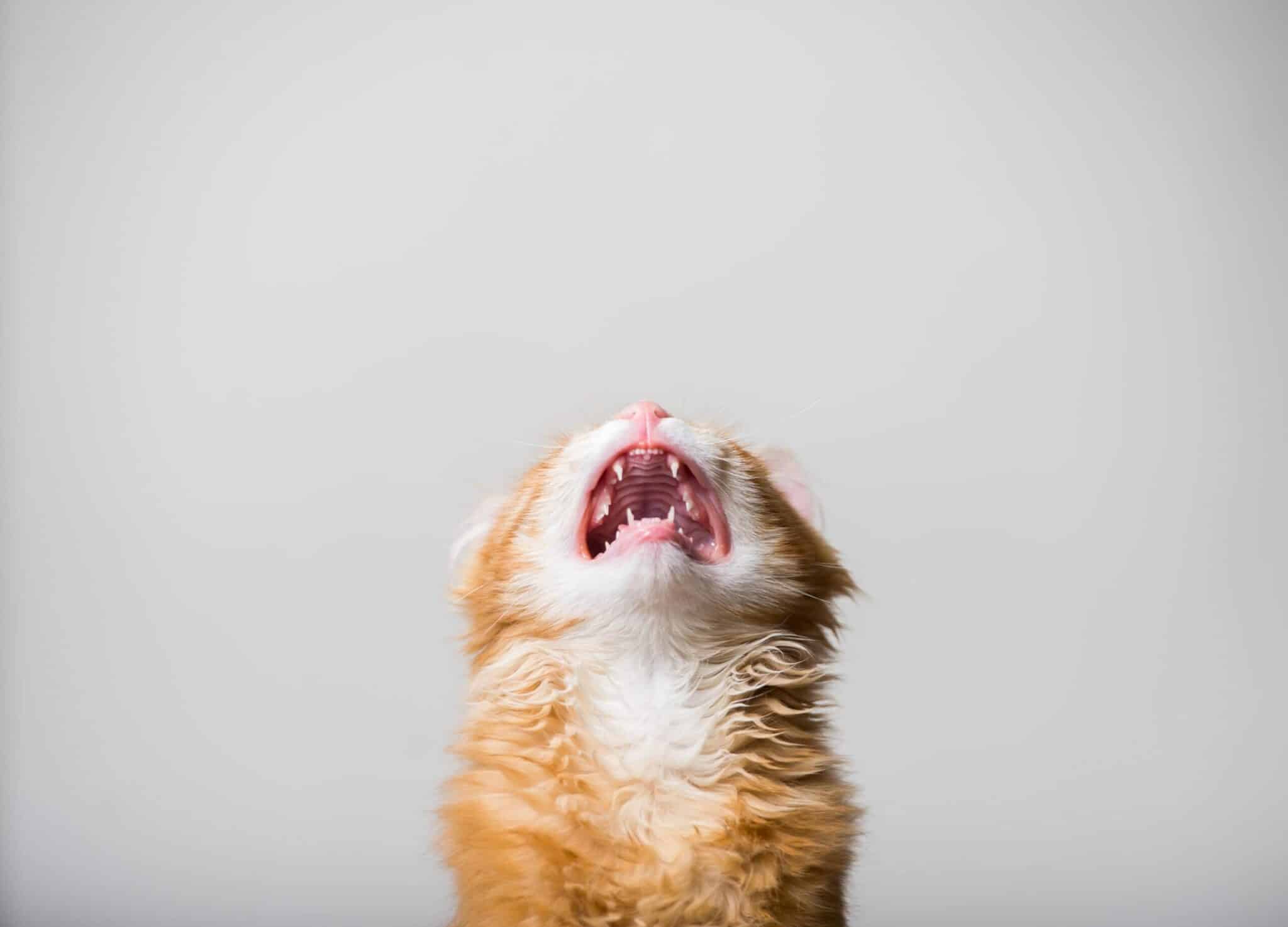
If you notice that your cat is more vocal when you come home from being gone or when you’re getting ready to go out, they may be experiencing separation anxiety. The incessant meowing, yowling, or crying can continue even when you’re not home, causing your cat to appear exhausted or even sound hoarse when you return. Some cats are vocal by nature, so you may not know if they are vocalizing because of separation anxiety, boredom, or a desire to communicate or because they may not be feeling well. After you leave the room or home, listen outside the door to see if the meowing stops. If the vocalizations continue, this is a sign that they are caused by the fact that you left.

2. Changes in Eating Habits
Your cat could have separation anxiety if they refuse to eat their food while you’re gone. If you notice that your cat’s bowl remains full until after you come home, they could be too anxious to think about food because you left. This may also mean that once you return, they run to their bowl and gobble up everything that they can, which can lead to regurgitation. Anxious cats may also try to eat as quickly as they can before you leave.
3. Over-Grooming
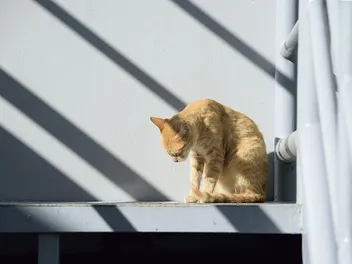
Cats spend long periods of their days grooming themselves. They enjoy being clean, and grooming is part of normal cat life. This behavior is healthy and nothing to worry about. However, when the grooming becomes excessive, it could be a cat’s way of trying to self-soothe. You’ll notice excessive grooming by the appearance of bald spots in your cat’s coat. They will be anywhere, but most likely on the belly or lower legs. If you’ve noticed these bald spots following a period of time that the cat spent alone, separation anxiety may be the cause.

4. Unusual Urination
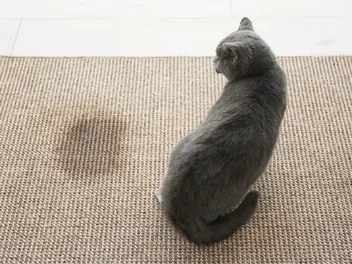
Cats can become so upset that they urinate involuntarily. They can't help but pee wherever they are. If you're noticing pee outside of the litter box, especially if it happens when you're not home, they could be missing you and feeling anxious without you. Cats may also pee on the furniture, including your bed. In addition to urine, you may also find vomit or poop around the house. If you’re concerned about your cat’s health, they should be examined by a veterinarian. If this behavior is only done when you’re not home, their anxiety could be the cause.
5. Being Destructive
Separation anxiety may cause a normally well-behaved feline to cause destruction in your absence. Clawing furniture, knocking things off tables and counters, and chewing on items in the house are signs of anxiety. This will most likely only occur when you're not home. If your cat is doing this regularly, it could be a sign of a behavioral issue that will need to be resolved with positive reinforcement training. If the destruction stops when you’re home, it is likely caused by separation anxiety.

6. Trying to Escape
Separation anxiety can cause so much stress in cats left alone that they try to escape. This can include scratching at curtains, blinds, doors, and windows. They may also try to bolt out the door when you open it as you come home. Open windows are dangerous to cats with separation anxiety because they may push out the screens to try to leave. If you're getting ready to leave the house, your cat may also try to leave before you do. If you notice that this behavior only happens when you're not home or are getting ready to leave, this is a sign that your cat is anxious.
7. Overly Excited When You Return
It’s cute when our cats are waiting at the door when we walk in, but a cat that’s been anxious all day will be overly excited to see you. Jumping on you, weaving between your legs, and excessive vocalizing may be signs that they’ve been unsettled since you left. Your cat may also not leave your side for a while afterward.

8. Pacing
If your cat seems restless, they could be anxious. Excessive pacing and circling can occur as you’re getting ready to leave the house and right after you return home. If your cat can’t seem to relax and settle down, their separation anxiety may be to blame.
How to Help a Cat With Separation Anxiety

- Have a friend or family member check on your cat when you’re not home. A visit may help calm your cat and reduce their anxiety about you being gone. You can also hire a pet sitter to sit with your cat for a set amount of time if you’re going to be gone for long hours or a few days.
- Leave background noise for your cat so they don’t feel so alone when you are away. Leaving a radio or television on can help them stay calm. There are even channels that play calming music for cats that are made to help them sleep and feel relaxed.
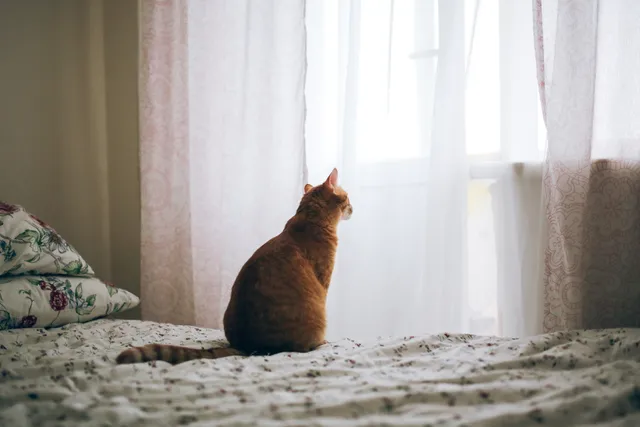
- Give your cat plenty of things to do while you’re gone. Treats, toys, puzzle feeders, cat trees, and scratching posts can help your cat stay entertained. Place a bed by a window, and open the curtains to give your cat something to watch when you’re not home. This also gives them a sunspot to curl up and nap in if they feel like it.
- Don’t make a huge deal out of returning home. Greet your cat normally in a calm, even tone. Then, go about your business as usual. If you shower them with attention and affection, they will feel justified in their anxiety and associate you leaving with negative emotions. The same goes for when you are leaving the house. Making a big deal about leaving can create more anxiety in your cat.
- Use calming pheromones to relax your cat. These are usually spread in the air by a plug-in diffuser. These pheromones mimic those of a mother cat so cats can feel safe and secure in their environment. They can relieve tension and behavior problems. You can also try calming treats to relax your cat.
- Get another cat. If your cat would get along with a feline friend, consider adding another to your home. If your cat has a buddy, they won’t be alone when you leave the house. This can do wonders to calm their anxiety.
- Don’t punish your cat. If you notice that they are peeing in unusual places or destroying their surroundings, understand that they are dealing with stress and anxiety and aren’t doing these things to upset you. Getting angry won’t fix the situation. If they know that you’re upset, it may even increase their anxiety, making the problem worse.
Conclusion
Some of the signs that your cat has separation anxiety may be subtle. Others are hard to miss. Once you know that your cat has separation anxiety, you can take the steps necessary to help calm them. We hope that this article has given you a few ideas for helping your cat feel better when you leave the house.
Featured Image Credit: Pixabay
Expert cat care, straight to your inbox
News, insights, and useful advice, delivered to you.

No spam — unsubscribe anytime.
By signing up, you agree to our Terms & Conditions and Privacy & Cookies Policy.
How useful was this post?
Click a star to rate. You can leave written feedback afterwards. (We read all feedback.)
Jessica is a lifelong resident of Chicago who has shared her home with furry, feathered, and scaly pets for over 30 years. Animal enthusiast since childhood Jessica owned and operated a pet care company. Nowadays, Jessica is a full-time writer who loves to explore all animal topics while contemplating the birds and squirrels enjoying the oasis of her backyard.