One in 100 Cats Gets Diabetes - Here's How to Catch It Early


One in every 100 cats develops diabetes.1 That's not a rare, unlucky condition reserved for cats with obvious health problems. It's common enough that most vets see it regularly, and common enough that any cat owner should know what it looks like before it gets serious.
The challenge is that the early signs are easy to explain away. More trips to the litter box, a bit more water consumed, and some weight loss. Each one on its own sounds unremarkable. Together, they point to something that needs a vet's attention sooner rather than later.
What's Actually Happening in a Diabetic Cat's Body
Like humans, cats can develop two types of diabetes. Type I means the body isn't producing enough insulin. Type II, which is far more common in cats, means the body isn't responding properly to the insulin it does produce. In both cases, glucose can't get into the cells the way it should, so it builds up in the bloodstream instead.
When blood sugar stays elevated, the kidneys try to compensate by flushing the excess glucose out through urine. That process pulls water with it, which is why diabetic cats urinate so much and drink so heavily to keep up. Meanwhile, because the body can't actually use the glucose for energy, it starts breaking down fat and muscle instead. A cat can be eating perfectly well and still losing weight because the energy from food simply isn't reaching the cells.
Obesity is the biggest known risk factor. Overweight cats are up to four times more likely to develop diabetes than cats at a healthy weight. Middle-aged male cats are the most commonly affected group, though any cat can develop the condition at any age.

The 7 Signs of Diabetes to Watch For
Increased thirst and frequent urination tend to be the first things owners notice. Bigger litter clumps, more frequent litter box visits, and occasionally accidents just outside the box are all part of this pattern. The accidents aren't behavioural. A cat with weak hind legs or urgency from high blood sugar simply may not make it in time.
Weight loss despite a normal or increased appetite is one of the clearest indicators. If your cat is eating well but visibly losing condition, that combination warrants a vet visit.
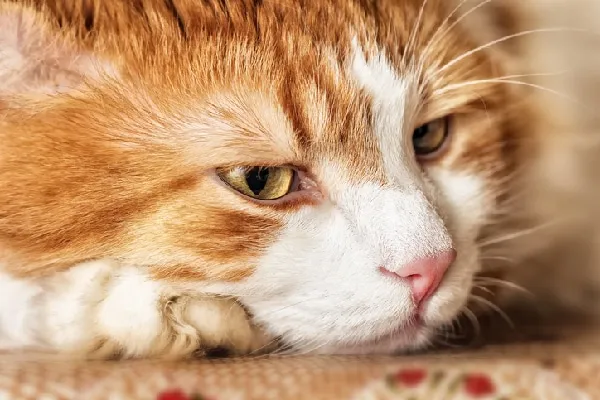
Lethargy and reduced activity are common as the condition progresses. A cat that used to jump onto furniture and engage in play, becoming noticeably quieter and less mobile, is worth taking seriously.
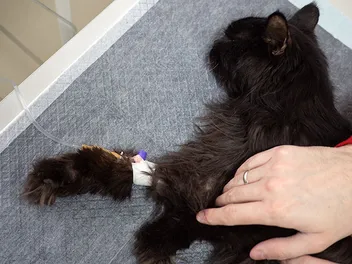
Changes in gait are a more advanced sign. Diabetic neuropathy affects the nerves in the hind legs, causing some cats to walk flat on the backs of their legs rather than on their toes, which vets call a plantigrade stance. This is a sign that the condition has been going on for some time. Left untreated, it can lead to permanent paralysis.
Appetite changes can go either way. Some diabetic cats eat more than usual, others lose interest in food entirely, particularly as the condition becomes more severe. Vomiting is also associated with more serious cases and should be treated as urgent.
A dull, unkempt coat is another indicator. High blood sugar affects skin and coat condition, and cats that feel unwell often stop grooming as frequently.
Finally, a shift in personality or loss of interest in things the cat usually enjoys can signal the fatigue and malaise that diabetes brings. A sudden change in how your cat interacts with you or their environment, particularly in a middle-aged or older cat, is always worth investigating.
What Diagnosis Involves
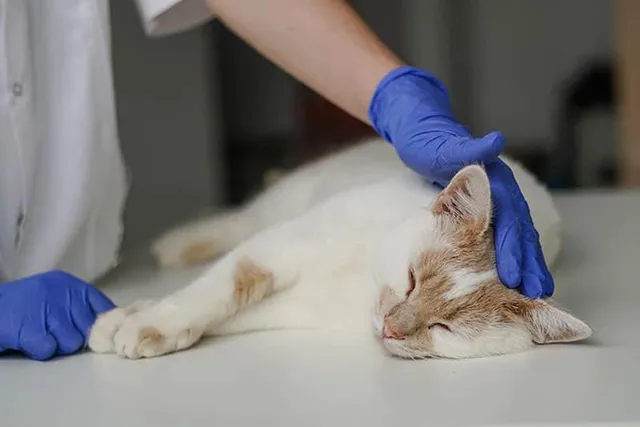
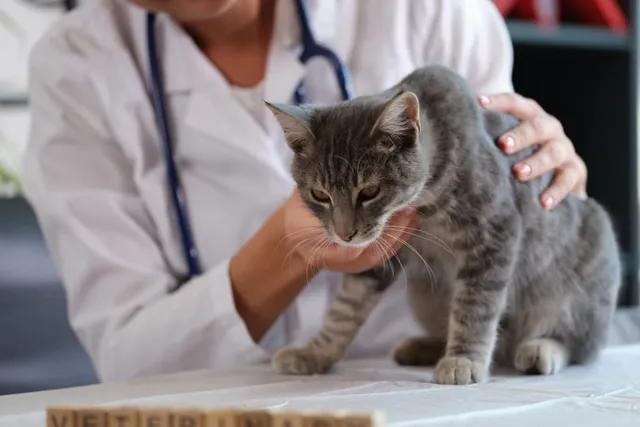
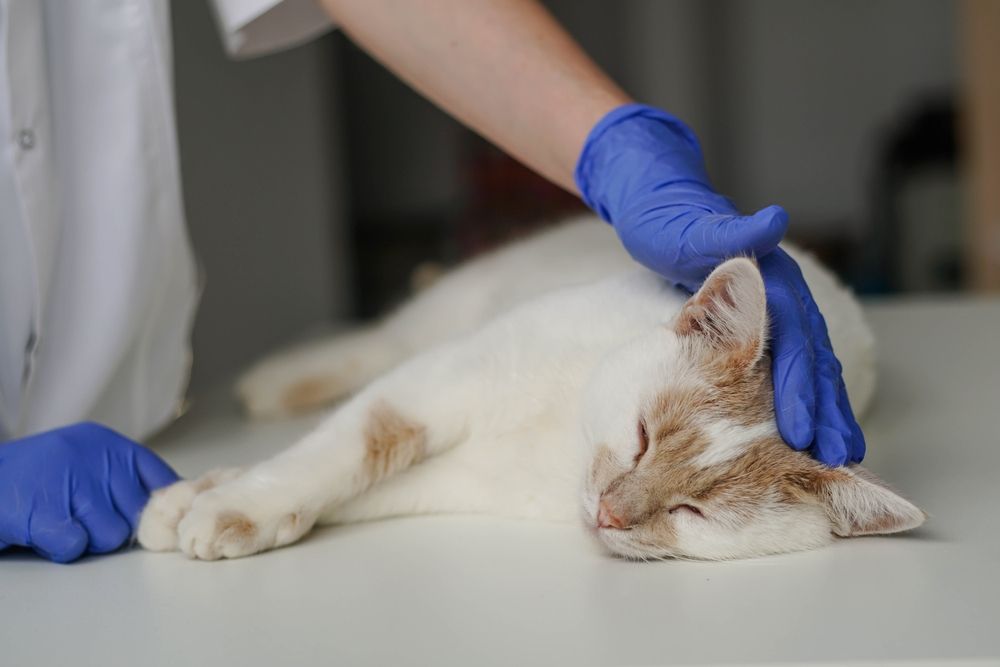
A single blood glucose reading at the vet isn't always enough to confirm diabetes. Cats can experience what's called stress hyperglycemia, a temporary blood sugar spike triggered by the anxiety of a vet visit, which can mimic diabetic readings. Diagnosis typically requires persistently elevated blood glucose alongside glucose detected in the urine. Vets will often also run a fructosamine test, which provides an average of blood sugar levels over the preceding one to two weeks and isn't affected by in-clinic stress.
Other conditions, such as kidney disease, hyperthyroidism, and pancreatitis, can cause similar symptoms, so additional blood work is usually done to rule those out as well.
What Treatment Looks Like Day-to-Day
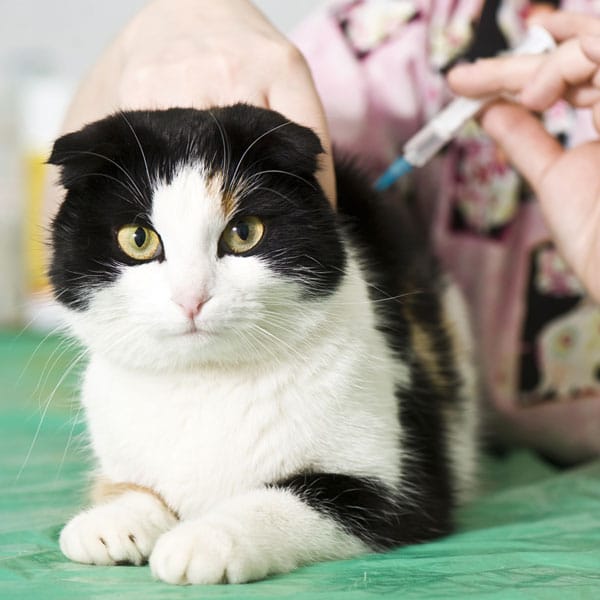
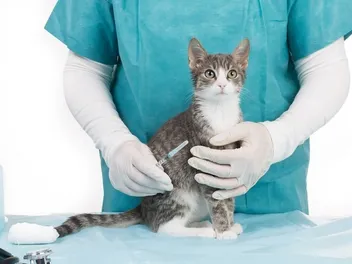
The standard treatment for feline diabetes is once or twice daily insulin injections, combined with a strict low-carbohydrate diet to support stable glucose levels and a healthy weight. It's a genuine commitment and one that involves the whole household, but it's very manageable with guidance from a vet.
The prognosis is better than many people expect. A properly managed diabetic cat can live for 13 to 17 years, and some cats achieve remission entirely with early intervention and consistent treatment. The key word is early. The sooner diabetes is identified and addressed, the more options there are and the better the outcome tends to be.
If several of the signs above sound familiar, don't take the wait-and-see approach. One vet appointment and a blood test are all it takes to know where things stand.
Featured Image Credit: Gleb Usovich, Shutterstock
Did You Know?
- Our brand-new posts are rounded up and included in our weekly emails. Don't miss out on the latest - sign up for our newsletter below!
Expert cat care, straight to your inbox
News, insights, and useful advice, delivered to you.

No spam — unsubscribe anytime.
By signing up, you agree to our Terms & Conditions and Privacy & Cookies Policy.
How useful was this post?
Click a star to rate. You can leave written feedback afterwards. (We read all feedback.)
Dan has been working in the pet world for over 4 years covering cats, dogs, and all other pets in between. He loves helping pet parents keep their companions happy, healthy, and of course, totally spoiled! Originally from London, Dan now travels and works remotely, which unfortunately means no pets at home, but it gives him plenty of opportunities to fuss over other people's furry friends.