Why Is My Cat So Small? Our Vet Explains

In this article
Who doesn’t love a kitten? A kitty will never be as small and energetic as they are in those first months of life. Some might wish that their kitten would remain as that tiny and playful ball of fluff, but a healthy cat will grow quite a bit during their first year.
If you find that your kitten is not developing as you expected, it is likely normal for your cat. However, you may become concerned about why your cat is so small so contact a vet for a consultation to rule out any health reasons for their size. Read on to learn more about what to do if you find that your kitten is too small for their age.

What Should a Cat or Kitten Weigh?
While cats don’t vary in weight as much as dogs, they still have a wide range of "normal" weights. While the average cat is around 10 pounds at adult weight, cats can vary from 5 pounds to 25 pounds and still be fit and healthy. This variation is mostly dependent on breed. However, within the mixed-breed or Domestic Shorthair cats, they can still easily vary from a slim but fit 5 pounds to a large-boned 15 pounds!
In other words, every cat is unique! So how can you tell if your kitten is growing normally or if your cat being so small is a problem?

How Do I Know That My Kitten’s Growth Is on Track?
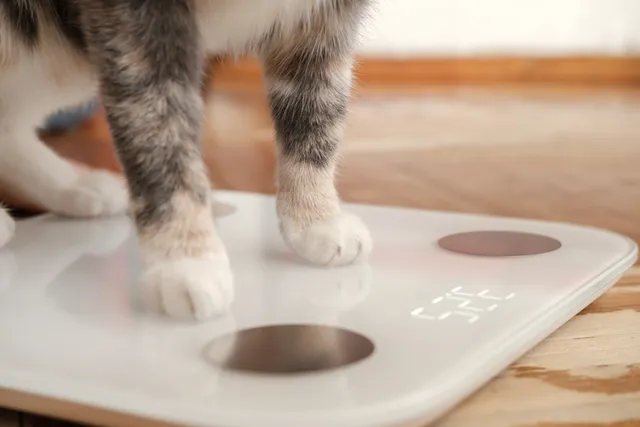
The growth period is a critical part of a cat’s development. One thing you can do is invest in a baby scale and weigh them each day to track their growth on a graph. The curve connecting each point should be steep at first and then slowly level off as they get to 6 months of age. As a rough guideline, most kittens gain 3.5 ounces (100 grams) of body weight per week until they are 6 months old.
A vet may also be able to provide you with a kitten growth chart, which works like a baby growth chart. You can plot your kitten’s growth, and make sure they’re staying within two percentiles of where they started. In other words, a small kitten should grow at the same rate, proportionally, as a large kitten, but they’ll end up as a small cat. Similarly, a large kitten will follow the same growth curve and should end up as a larger cat as an adult.
An average-sized kitten’s weight usually follows the rule of weighing about 1 pound (450 grams) for every month of age until 10 months of age. Keep in mind that males are usually larger than females. Other markers that your cat is growing properly is that they show interest in food, are active in spurts during the day, and are playful with other members in the household.

Do I Need to Do Anything Different if My Kitten Was the Runt of the Litter?
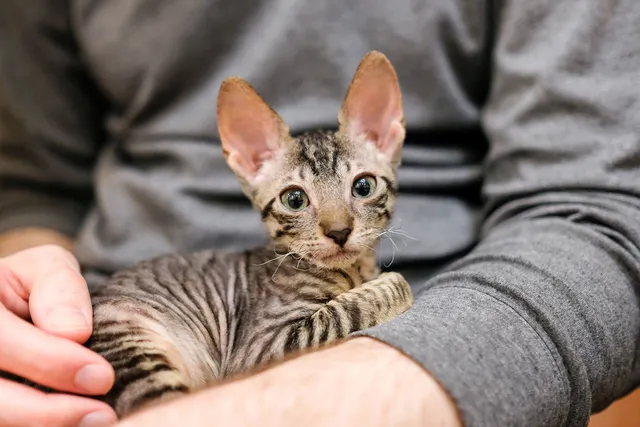
Even if your kitten was the runt of the litter, there is nothing special that you need to do to support their growth. They can still eat the same diet as their larger brothers and sisters and will have a similar growth curve, just on a smaller scale. The most important thing is to make sure that you are watching out for any signs of illness and talk to a veterinarian if you have any concerns.
How Do I Know When My Cat Reaches Their Adult Body Weight?
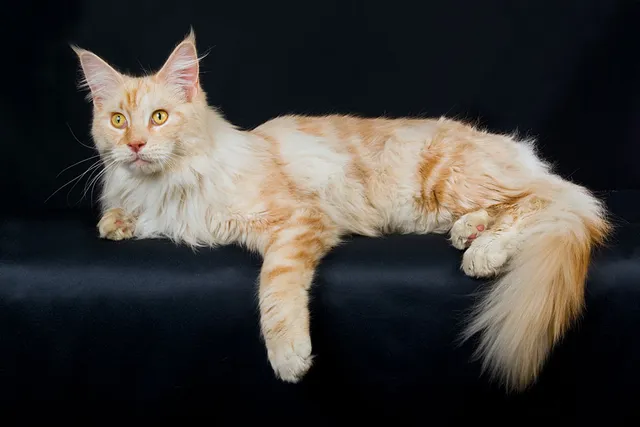
The age at which a cat stops growing is dependent on the breed and their expected final size. For most cats, this will be around 1 year of age. Bigger breeds, like the Maine Coon or Ragdoll, may take a few years to mature to their full adult size. You can get a few hints about the expected final body weight of your own kitty by asking the breeder about the siblings’ and parents’ growth.
Kitten growth slows considerably at around 6 months or when they are neutered. Although this won’t quite be their final body weight, it’ll be close. At this point, your cat will start putting on excess weight as fat rather than longer bones and muscles, so you’ll need to keep track of their diet carefully. Your veterinary team will be able to help you determine when your kitten reaches their adult body weight, and discuss their diet.

What Are Some Things That Can Cause a Cat or Kitten to Be Underweight?
If you notice that your kitten is not gaining weight and is showing other clinical signs of illness, you should take them to the veterinarian immediately. The following are a few things that a vet may suspect in an underweight kitten.
1. Intestinal Parasites
Gut parasites, such as roundworms, will prevent your kitty from absorbing the nutrients in their meals. An affected kitten may also show clinical signs, including tummy pain, decreased appetite, a rounded belly, and a dull coat. Fortunately, intestinal parasites are often fairly simple to treat by the vet using a course of medication.
2. Fleas
A kitten with fleas needs a lot of energy to overcome the losses associated with parasitic infestation. A kitten with fleas will be very itchy and may have red bumps on their skin. If you look closely enough, you might be able to spot a few fleas on the fur. They look like little moving flecks of ground black pepper.
A flea infestation can be treated with medication from your veterinarian. If your kitten is very young, you should be cautious about using over-the-counter treatments, as these are not all appropriate for baby cats or those that weigh little.

3. Liver Shunt
A liver shunt is a birth abnormality that can occur in kittens where blood flow by-passes the liver. This means that the liver is prevented from performing its regular functions in the body, including metabolic functions necessary for growth.
Diagnosis of a liver shunt can be confirmed by your veterinarian through X-ray imaging or ultrasound scan. Treatment for liver shunt is complex and may involve surgery. Your veterinarian can help make a plan that works best for you and your kitty.
4. Not Eating Enough
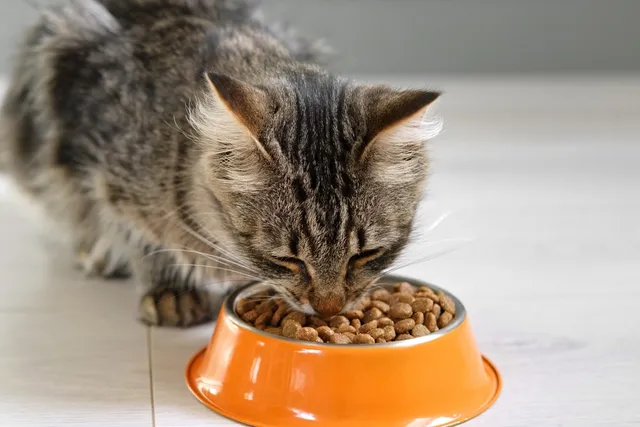
There are a few reasons that can explain why a kitten may not be eating enough. Cats tend to be very picky, and your kitten may have simply developed a preference for a different type of food. Fortunately, commercial kitten foods come in a wide variety of textures and flavors. You are sure to find one that suits even the most persnickety feline!
Your kitten may also have a preference for where they choose to eat their meals. A food bowl that is placed too close to the litter box or in a noisy area may be ignored. If you choose to change the location of the food bowl, make sure you show your kitten exactly where it is. Always ensure that your kitty is offered fresh food and promptly remove any uneaten portions.

What Can I Do if I’m Worried That My Cat Isn’t Eating Enough?
As long as your cat remains bright and playful with no signs of illness, you can be confident that they are eating enough calories to support their growth or maintenance. You can offer your kitten free access to food up until 6 months of age.
As they grow beyond 6 months, it is advised to measure out their meals to match their daily requirement. Over-consuming calories as a kitten can cause early obesity, which is very challenging to treat later in life, so talk to a veterinarian about calculating your kitten’s specific energy requirement, which will vary based on a kitten’s activity level and neuter/spay status.
When measuring out your kitten’s meals, use a weighing scale to maintain accuracy and avoid over-feeding. It is important to get into these good habits early on to ensure your kitten has a long and healthy life.
Conclusion
If you're wondering why your cat seems so small for their age, don't fret, cats can be "normal" at many different sizes, and being small is likely normal for your cat. Regular monitoring of your cat or kitten’s weight will help you to keep track of their growth. However, there are some diseases and conditions that can cause your cat to be small, so do contact your veterinarian if you are concerned!
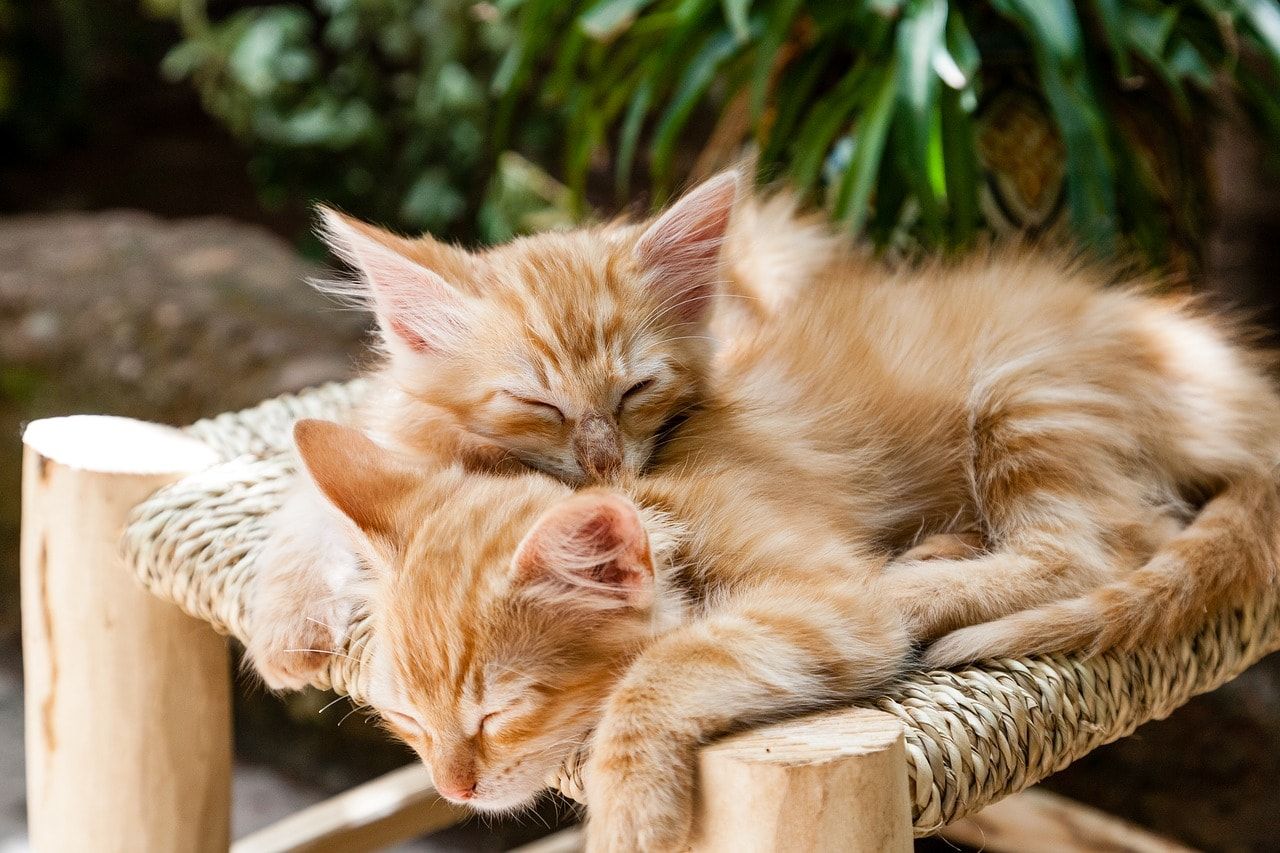
Featured Image Credit: luxstorm, Pixabay
Expert cat care, straight to your inbox
News, insights, and useful advice, delivered to you.

No spam — unsubscribe anytime.
By signing up, you agree to our Terms & Conditions and Privacy & Cookies Policy.
How useful was this post?
Click a star to rate. You can leave written feedback afterwards. (We read all feedback.)
Dr. Joanna Woodnutt BVM BVS (Veterinarian)
Joanna is an experienced veterinarian working in the UK. She has written about pets and their health for many blogs, pet magazines and pet websites and loves to help readers understand their pets through her writing.
She has started her own freelance company so she can help more pet parents than just the one standing in front of her in a consultation room.
She enjoys teaching and educating clients, so a career in writing, public education and pet health is the perfect combination for her.