Why Is My Cat Wheezing? 8 Possible Reasons (Vet Answer)

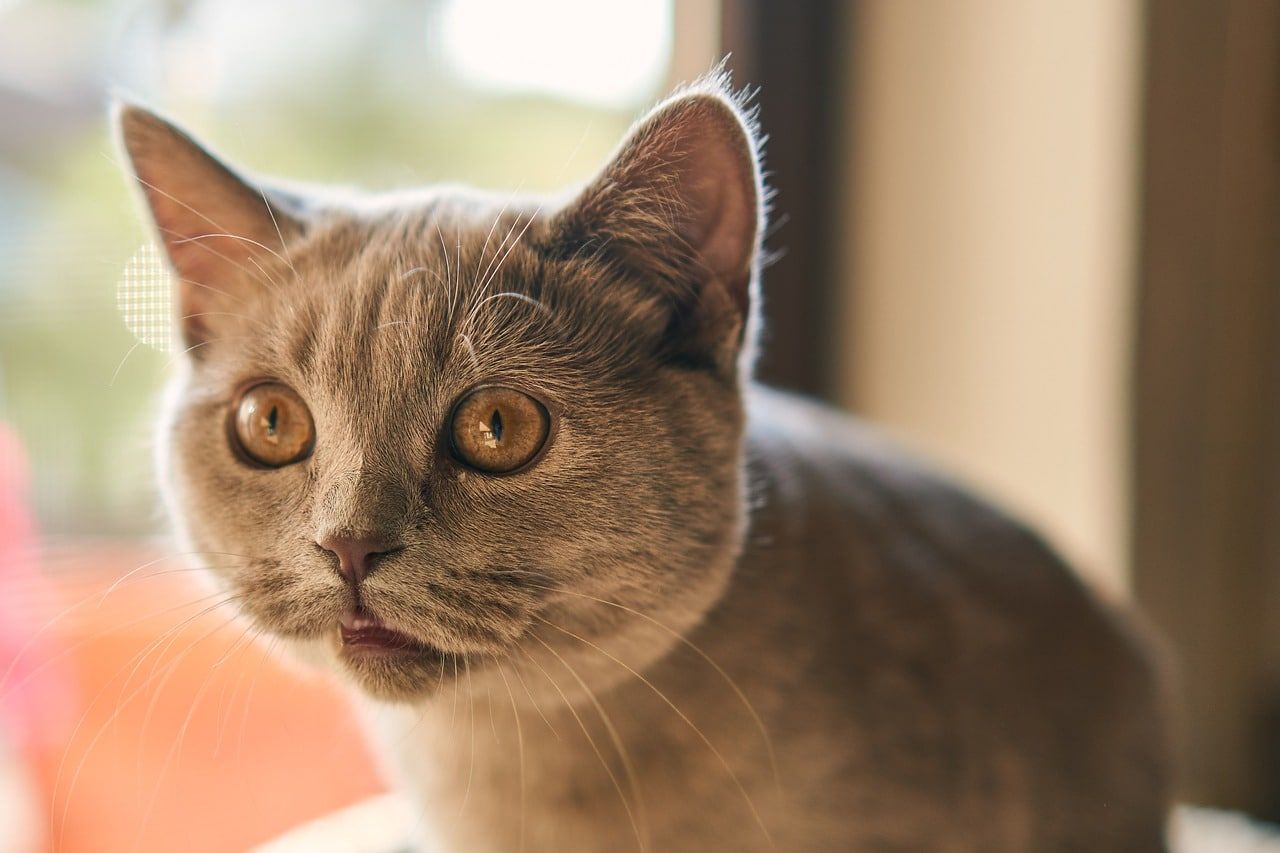
Although cats are skilled at hiding illnesses, some signs are easier to detect than others. It can be distressing to see your cat wheezing, but it is not always a cause for immediate concern. Below, we'll discuss the common causes of cats wheezing and when you should seek help from a vet.

What is wheezing?
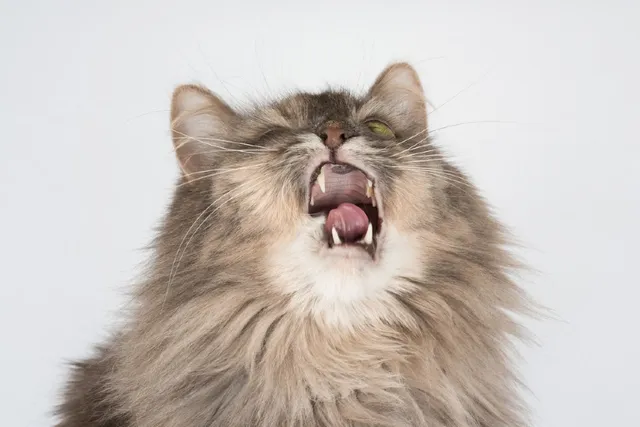
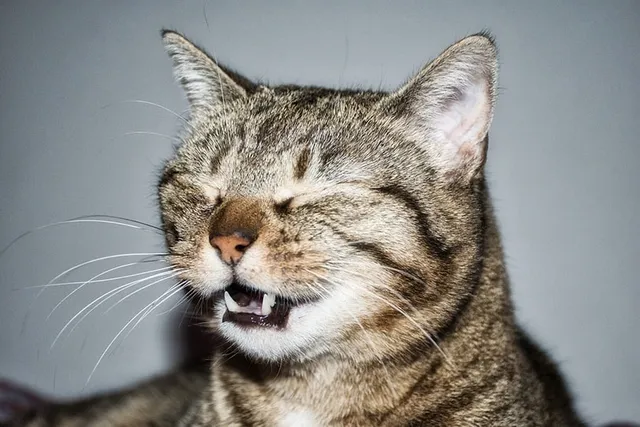
First, it is important to know if your cat is, in fact, wheezing. Wheezing in cats sounds similar to that in humans. It might sound like rattling or whistling while your cat is breathing in and out or like they are trying to bring up a hairball. It is important to note that coughing or retching are different and are more harsh, like a human cough or gagging sound, and could have different causes.
Wheezing in cats usually means that something is going on in their airways. A few things could be the cause, from harmless to more severe.
The 8 Reasons Why Your Cat is Wheezing
Now you have identified that your cat is wheezing, what could be causing it? There are many possible causes, and, in most cases, you will need your vet to help determine what they are.
1. Hairballs
The first thing to look for when you hear your cat wheeze is if it is trying to bring up a hairball. Hairballs are formed in the stomach from hairs collected when your cat grooms. They then start to irritate the stomach and are vomited up.
They are common, but if your cat gets hairballs often, you can talk to your vet about preventative measures. If your cat is wheezing with no hairball making an appearance, there might be something else going on.
2. Feline asthma
Feline asthma is a common cause of wheezing in cats. It can be triggered by allergens or stress, but some cats are also genetically predisposed. Like asthma in humans, it is not treatable but can be managed with medication.
Other signs of feline asthma are struggling breaths, sleepiness, blue-tinted gums, and mucus around the mouth. If you suspect asthma in your cat, call your vet immediately.
3. Foreign object
Your cat might be wheezing because something is caught in their throat. It could be hair, part of a toy, food, or a household object. A vet can look down your cat’s throat and remove the object, but you should act quickly if you see your cat struggling to breathe.
4. Respiratory infection
A respiratory infection is a disease of the airways and is sometimes called cat flu. Much like a human cold, it can cause wheezing, coughing, sneezing, and fever. Your vet can diagnose cat flu and advise further treatment.
5. Parasites
Parasites could be the cause of wheezing in your cat. Heartworms and lungworms are parasitic worms that can cause wheezing sounds, coughing, and weight loss. Your vet can carry out further tests to see if your cat is infected with either parasite.

6. Heart problems
Cats can have difficulties breathing when there is a problem with their heart. Heart failure causes fluid to build up around the lungs. This makes it difficult to breathe and could cause your cat to be wheezing. It is normally accompanied by a reluctance to exercise and lethargy. A vet can do further tests, such as an x-ray, to decide if it is a cardiac problem causing the wheezing and advise further treatment.
7. Obesity & breed
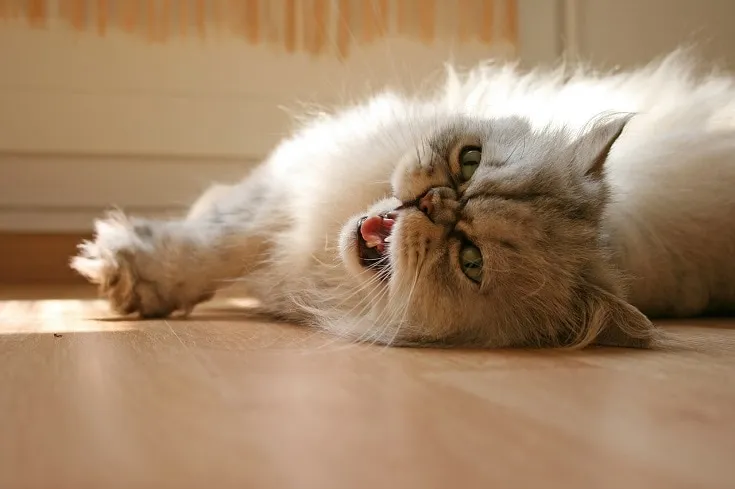
Obese cats have more pressure on their airways, which can cause them to struggle to breathe clearly. Flat-faced (brachycephalic) breeds— such as Persian, Burmese, and Himalayan—are more susceptible to breathing difficulties since their noses are narrow and short.
If your cat is wheezing when sleeping, it could be that their weight or facial structure is making it difficult for their airways to stay completely open. It is, therefore, important to keep an eye on your cat’s weight; your vet can advise you on how to keep this in check.
8. Cancer & other growths
Like humans, cats can get tumors in their lungs and airways, which could make it difficult to breathe. Some growths could be benign, meaning that they don’t spread and cause further damage, but others can be more serious. An x-ray will help to determine if there is an abnormal growth in your cat’s airways.
When Should I Be Worried?
Your cat's wheezing might not be any cause for concern; however, it is crucial to see a vet to find out what is causing it and treat it if necessary.

If you see any of the following signs alongside the wheezing, you should call your vet immediately.
- Struggling to take breaths
- Coughing or choking
- Very pale or blue-tinted gums
- Dribbling/mucus pooling in the mouth
- Signs of distress (asthma attack)
- Prolonged wheezing
- Very lethargic
Treatment
When you take your cat to the vet for wheezing, the vet will first check him all over for any other signs of ill health and listen to his lungs with a stethoscope. Your vet will then go through a series of tests to rule out possible causes. These could include a blood test, x-ray, and fecal egg count. From the results of various tests, your vet will be able to diagnose and suggest a suitable treatment plan.
Managing Feline Asthma
Feline asthma is a common reason for wheezing in cats. Like in humans, there is no cure, but there are many ways that we can manage it. Your vet will advise you on medicine that will help ease your cat's wheeziness; it can be administered through an inhaler, tablet, or injection.
Some feline asthma is triggered by substances in the environment. You may find that limiting your cat’s exposure to smoke, aerosols, and dusty cat litter eases their signs. Many cats live with feline asthma, and with the help of your vet, your feline friend should be able to live a happy and comfortable life.
Conclusion
So, your cat may be wheezing for several reasons. The first step is to let your vet know, and they can work with you and your cat from there to find the source of the problem. Remember, no question is too silly, and a vet will be more than happy to help.
Featured Image Credit: Pixabay
Expert cat care, straight to your inbox
News, insights, and useful advice, delivered to you.

No spam — unsubscribe anytime.
By signing up, you agree to our Terms & Conditions and Privacy & Cookies Policy.
How useful was this post?
Click a star to rate. You can leave written feedback afterwards. (We read all feedback.)
Dr. Joanna Woodnutt BVM BVS (Veterinarian)
Joanna is an experienced veterinarian working in the UK. She has written about pets and their health for many blogs, pet magazines and pet websites and loves to help readers understand their pets through her writing.
She has started her own freelance company so she can help more pet parents than just the one standing in front of her in a consultation room.
She enjoys teaching and educating clients, so a career in writing, public education and pet health is the perfect combination for her.