6 Vet-Reviewed Reasons Why Cats Drool & What to Do About It


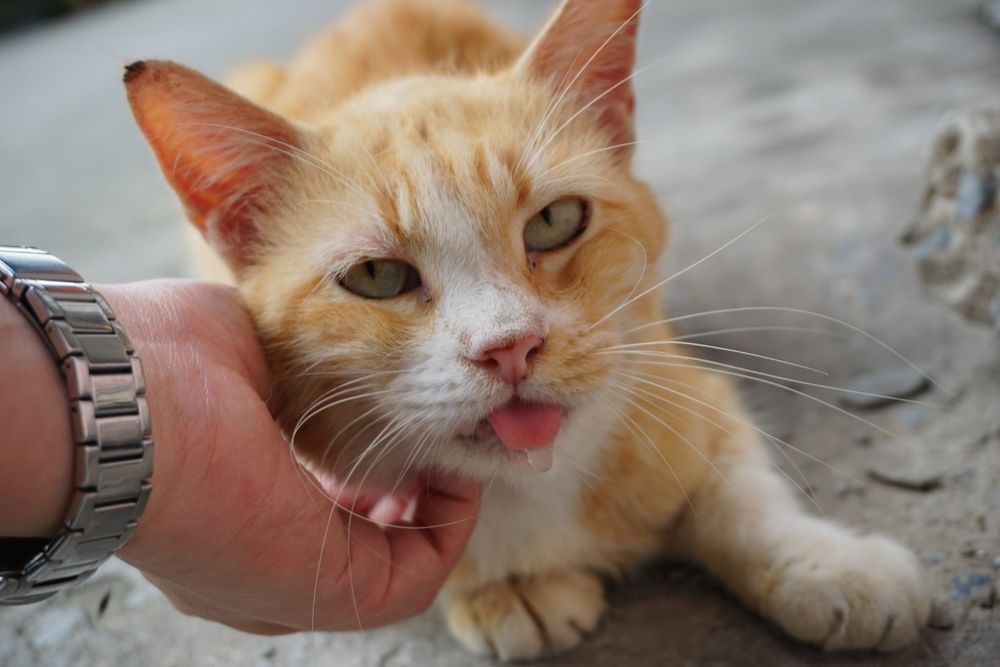
Cats are much less likely to drool than dogs, which is why the phrase, “Cats rule, and dogs drool,” is so appropriate. In fact, some cats have never been seen to drool in their lifetime. However, other cats might do so frequently. There are a few reasons why a cat will drool. Some are nothing to worry about, while others require the care of a veterinarian. Here are six possible reasons that cats drool and what to do about it.

The 6 Possible Reasons Why Cats Drool
1. Dental Disease

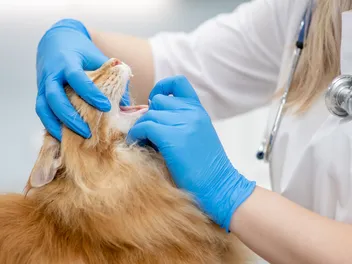
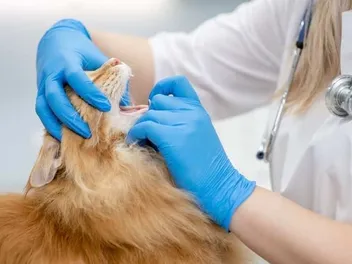
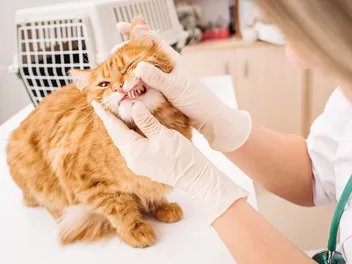
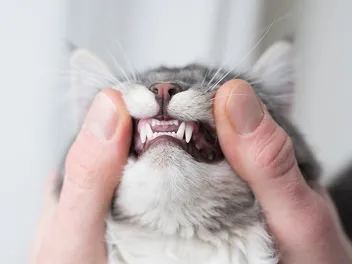
One of the most common causes of excessive salivation in cats is dental disease. Inflammation of the mouth and gums, infection, or loose teeth will trigger an inflammatory reaction which includes an increase in saliva production. If infection is present, the drool may be tinged with yellow or contain blood. Cats are masters at hiding pain and discomfort, so early intervention is essential.
What to do about it: The best solution to dental disease in cats is prevention. Providing them with a healthy diet, dental chews, daily brushing, dental supplements, or toys that encourage them to use their teeth, can go a long way to keeping their teeth and gums healthy. If your cat is showing signs of dental disease, such as drooling, pawing at the mouth, smelly breath, food avoidance, or difficulty eating, it is essential that they be checked by a vet.
2. Nausea
If you’ve ever witnessed a cat about to vomit, you may have noticed that they drool, swallow and lick their lips first. Increased salivation often accompanies nausea and vomiting, though you may not always see them drooling as cats may swallow it down.
What to do about it: Cats are renowned for being ‘vomity’ creatures, and the occasional vomit or regurgitation is not necessarily a cause for concern. However, if that vomiting is occurring more than once or twice a month, or they are eating less and losing weight, it’s important to book a check up with your vet. Nausea and vomiting can be signs of metabolic disease like kidney failure, hyperthyroidism, or gastrointestinal disease, or could even be a sign of an intestinal blockage.
3. Emotional State

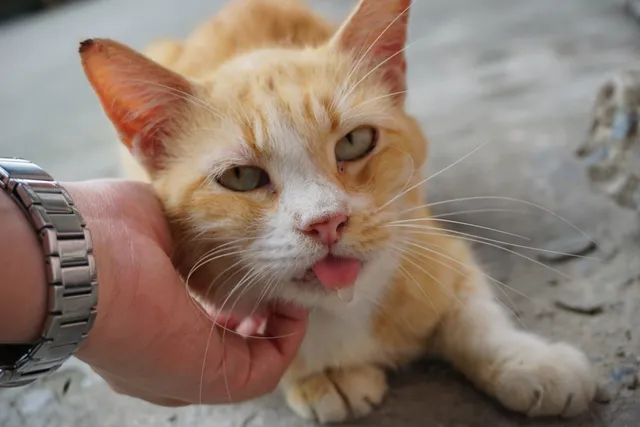
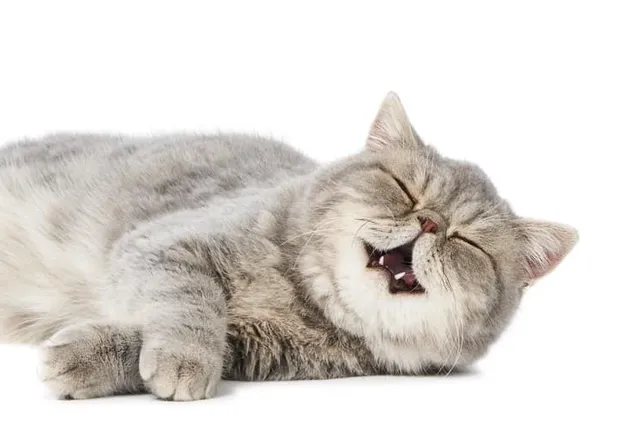
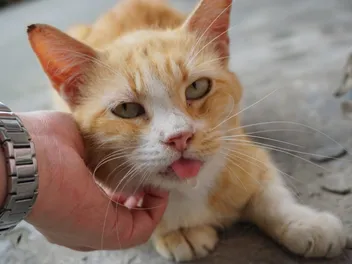
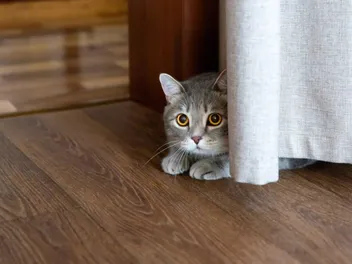
Some cats drool when they are feeling happy and relaxed. You might find that your cat drools when they are kneading or while they are getting petted. They might drool when their toys or playmates excite them. However, in certain cases, some cats may also drool when they are feeling particularly stressed or anxious, such as during vet visits or riding in the car. By observing your cat’s body language and interpreting it in accordance with the situation, you should be able to tell easily if they are feeling happy or stressed, causing them to drool.
What to Do About It: No solution is necessary if your cat is drooling when kneading, playing or being petted, because everyone wants a happy cat in their life! If, on the other hand, they are scared or stressed, try and remove them from the situation or minimize the stressful experience.
4. They Have A Mouth Injury
Injuries to the mouth may cause your cat to drool. If they cut their mouth, scrape their tongue, or damage their jaw, they are likely to salivate, and in some cases, there could also be blood, pawing at the mouth, inability to fully close it, poor appetite, lethargy as well as other signs of injuries such as cuts and wounds elsewhere on the body.
Regardless of the extent of the injury, as a cat’s mouth is not easy to be examined at home, you should schedule an appointment with a veterinarian as soon as possible to determine the location and seriousness of the injury and start appropriate treatment, as well as rule out any other injuries that may be less apparent and equally serious.
What to Do About It: Consult with a veterinarian promptly and follow their instructions. Some cats will need to take antibiotics and pain killers, as well as eat wet food rather than dry until their injuries have healed.
5. They Ate Something That They Didn’t Like

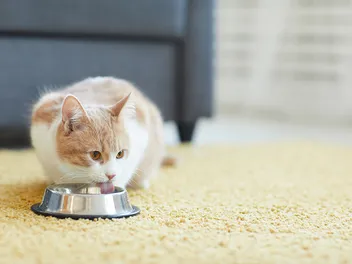
If a cat chews on or licks something they do not like the taste or texture of, drooling may occur as the body’s natural defense to help clean their mouth. The drooling should be temporary and not accompanied by any other signs. Your cat might head to their water dish for a drink to quell the drooling.
If the drooling lasts longer than a few minutes or is accompanied by vomiting or diarrhea, your cat may have eaten something poisonous, and an emergency trip to the veterinarian is necessary.
What to Do About It: Try to determine what your cat ate, and keep it away from them in the future. In case of a toxic substance or your cat exhibiting signs of ongoing drooling, vomiting, diarrhea, lethargy or tremors, seek immediate veterinary attention.
6. They Have A Health Problem
If you cannot figure out why your cat is drooling, and they continue to do so on and off, an underlying health problem may be responsible. A respiratory problem, a viral infection, or oral cancer can cause drooling. There is no way to be sure until a veterinarian is consulted.
What to Do About It: Make an appointment with a veterinarian as soon as possible.
Final Considerations
Luckily, drooling is not something that your cat should do regularly unless they are prone to drooling whenever they are feeling euphoric. If your cat seems to drool often for no reason, take your cat to the vet's office. A veterinarian can provide you with peace of mind, if nothing else. Have you noticed your cat drooling before? If so, what were the circumstances, and what was the outcome? Share your experience with us by leaving a comment.
Featured Image Credit: Ling_Chen, Shutterstock
Expert cat care, straight to your inbox
News, insights, and useful advice, delivered to you.

No spam — unsubscribe anytime.
By signing up, you agree to our Terms & Conditions and Privacy & Cookies Policy.
How useful was this post?
Click a star to rate. You can leave written feedback afterwards. (We read all feedback.)
Christian started writing for a local newspaper as a teenager, and he's been involved in the publishing industry for most of his adult life. Combining his love of writing with a passion for animals, he is currently the Director of Editorial at Pangolia and the Editor-in-Chief at Catster.
Christian lives in the Philippines with his wife, son, and four rescue cats: Trixie, Chloe, Sparky, and Chopper.