Why Is My Cat Drooling All of a Sudden? 13 Vet-Reviewed Reasons


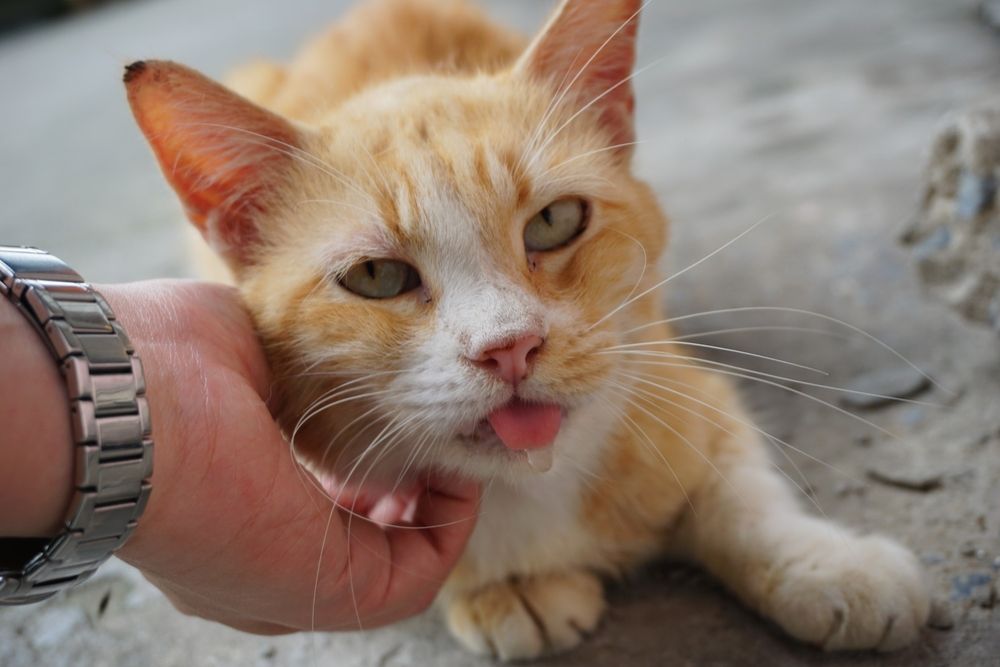
Our feline friends can sometimes do odd things, so you may not always know what’s normal cat behavior and what isn’t. One feline behavior that you might be wondering about is drooling. If you see your cat drooling all of a sudden, should you be concerned, or is it fine and normal?
It depends on why your cat is drooling as to whether you should be concerned or consider a vet visit. Unfortunately, most of the time, drooling does indicate that something like an illness is going on. Here are 13 possible reasons that your cat is suddenly drooling, including the ones that have the most cause for concern!

The 13 Reasons Why Your Cat Is Suddenly Drooling
1. Tooth Decay or Other Dental Diseases

Did you know that 50–90% of felines over the age of 4 years have some form of dental disease? That may be the cause of your cat’s drooling. Dental diseases that can result in drooling include tartar rubbing against the inside of the mouth, gingivitis, cavities, stomatitis, and feline oral resorptive lesions (or FORL). If dental disease is the cause of your pet’s drooling, though, you’ll also see other signs, such as:
- Difficulty eating
- Dropping food when trying to eat
- Preferring soft food over hard food
- Brown teeth
- Red or bleeding gums
- Bad breath
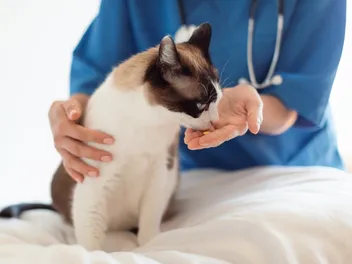
If you notice these other signs on top of the drooling, you’ll want to take your cat to the vet for dental treatment.
2. Foreign Material in the Mouth
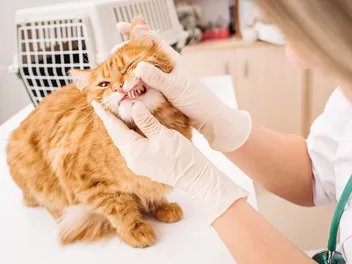
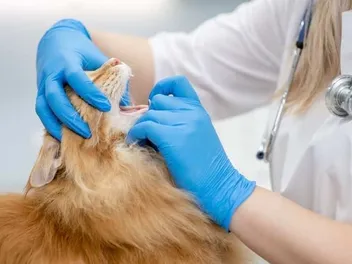
If your cat is drooling and you can’t find any sign of dental issues, keep looking at their teeth because there might be a foreign object of some kind stuck in their mouth. Cats sometimes eat things they shouldn’t, such as string, and these things can get stuck between the teeth or in the back of the mouth and cause discomfort. If you do find something, don’t take it out on your own! Take your cat to the vet so they can remove the foreign material safely.
3. Consumption of Something Toxic

Remember how we just said cats sometimes eat things they shouldn’t? That’s partially because of their curious natures and partially because one of the ways they explore the world is via their mouth. However, that means they run the risk of consuming something toxic or poisonous.
Take plants, for example. There are a host of plants that are toxic to our feline friends, so if your cat nibbles on some leaves or flowers that they shouldn’t, drooling could occur.
Other common items that cats get into are household cleaners. These products usually contain chemicals that can burn the mouth of your pet, which can cause drooling.
4. Anxiety
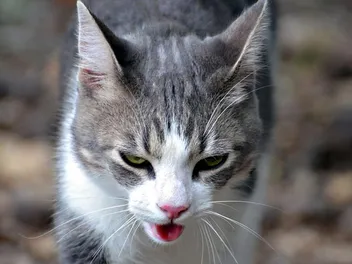
If your cat is highly anxious or stressed out, you may notice them drooling, along with exhibiting other signs of stress, such as flattened ears, growling, a stance that's low to the ground, and aggression. This could be due to anxiety, such as a dreaded visit to the vet, or because a new pet or person has entered the home. If you think your cat’s drooling is stress-related, there are a few things you can do to aid them become less anxious.
5. Nausea
If your cat is dealing with a stomach ailment of any kind that involves nausea, it can result in drooling. The same goes for if the cat is vomiting a lot. If it’s an upset stomach or another digestive issue your pet is dealing with, you’ll see other signs, such as loss of appetite or diarrhea. This is yet another instance where a visit to the vet is in order!
6. Happiness
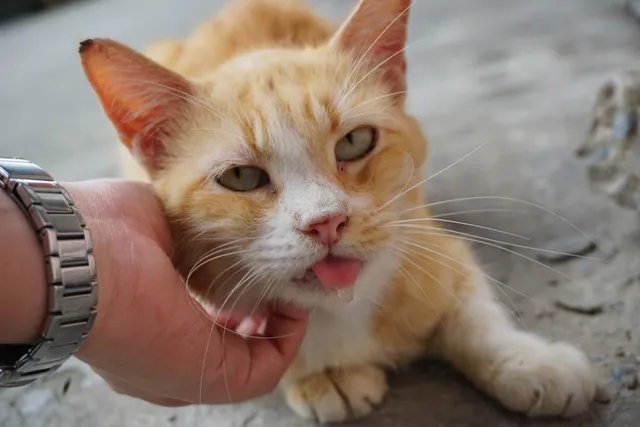
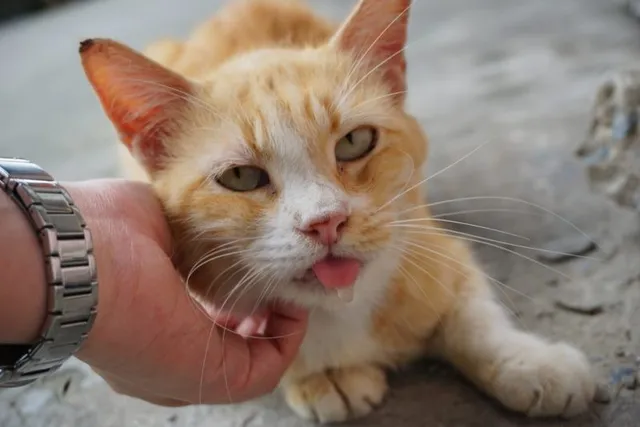
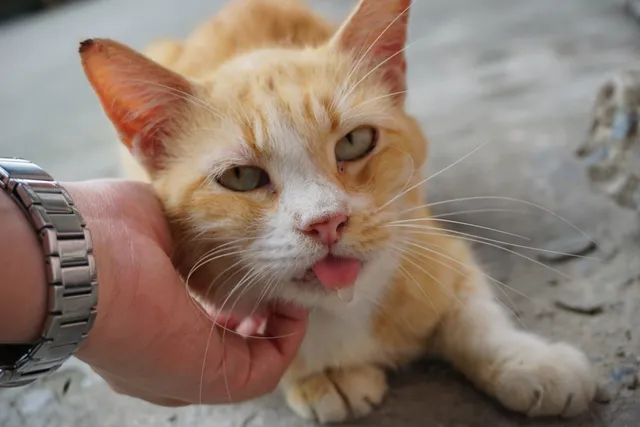
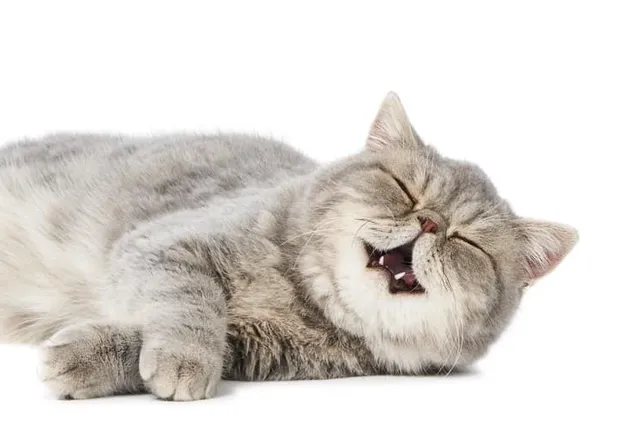
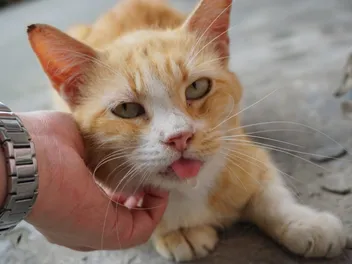
Have you ever noticed your cat drooling when they're entirely at ease and relaxed? This will most likely occur when they're kneading something soft and cuddly. Why is that? It’s believed that a cat drools while kneading because of the memory of anticipating food when they kneaded their mama cat for milk as a kitten. This instance of drooling may be a bit gross, particularly if it gets all over you or your soft, cuddly item, but it’s not cause for concern.
7. Tumors

As with dental disease, drooling may occur if your feline has developed a tumor in their mouth. Most likely, a tumor will show up on the tongue or in the back of the throat, and while there’s a possibility that it can be surgically removed, that possibility depends on where it’s located.
If your pet is dealing with a tumor in the mouth, you’ll also likely see them having difficulty eating or swallowing. You may also notice blood in the mouth or your cat having issues closing their mouth fully. This is an instance where you and your cat want to take a trip to the vet to see what can be done.
8. Trauma to the Mouth
A broken tooth or fracture in the jaw can lead to drooling (and pain) in our kitty friends. The same goes for your cat eating something they shouldn’t have that’s damaged their mouth somehow. If your pet is drooling and you haven’t noticed any signs of illness or your cat doesn’t seem to be experiencing happy drooling, you’ll want to take a look to see if trauma to the mouth has occurred. Then, it’s time for a visit to the vet!
9. Illness

We’ve already mentioned that digestive issues, dental disease, and cancer can cause drooling in our furry friends, but several other illnesses can do the same. A big one is upper respiratory infections, since they occasionally cause ulcers in the mouth, which can lead to drooling, sneezing, and eye and nasal discharge. Neurological diseases can also be responsible for drooling, along with trouble moving the tongue, difficulty eating, and balance issues.
Any health condition that can cause nausea, such as diabetes, kidney disease, or liver disease, can result in drool. So, if your cat is exhibiting other signs of illness while drooling, you’ll want to get them to a vet immediately to figure out the cause.
10. Teething
This one only applies to the kittens out there, but when kittens teethe, they may start drooling. Our tiny furry friends aren’t that different from human babies in that way. However, not all kittens will drool while teething, so whether yours does or doesn’t, it’s normal. That said, if your kitten is drooling excessively, it could be because something got caught in their teeth, so check the mouth just in case!
11. Insect Sting

This technically falls under the “trauma to the mouth” category, but if your pet eats an insect, it could be stung. This sting can cause inflammation, swelling, and pain, all of which can lead to drooling. That means if your pet is drooling for no other discernible reason, and you’re checking the mouth to see if there’s an issue, insect stings are another thing to check for. If you find one, go see your vet.
12. Bitter Taste
It might seem odd, but if a cat tastes something bitter, it can lead to extreme drooling. If you’ve ever given your pet medication via the mouth, maybe you’ve seen this occur. Felines have at least 12 genes related to bitterness, so eating something bitter is an unpleasant experience. In this instance of drooling, you can try getting your pet water, a treat, or food to help them get rid of the icky taste. That should help clear things up!
13. Heat Stroke
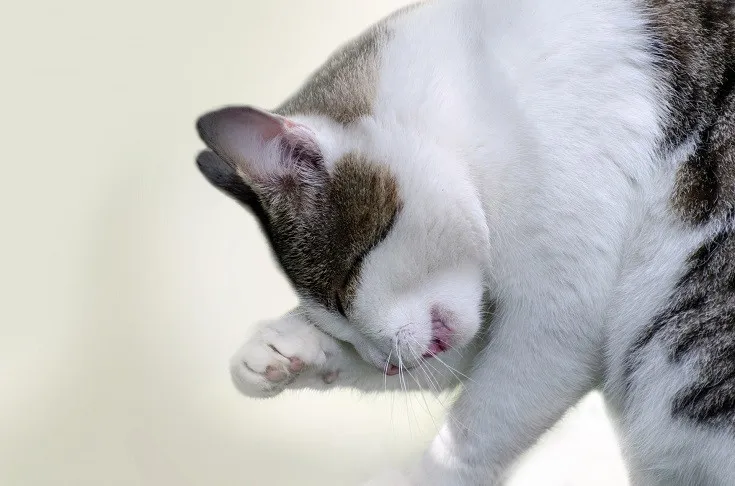
If your cat spends time outdoors during the warmer months, you’ll want to keep an eye on them to make sure they don’t suffer heat stroke. As much as felines enjoy being warm and toasty, they are just as susceptible to heat stroke as we humans are. Signs that the heat is starting to get to your pet include drooling, panting, restlessness, excessive grooming, rapid breathing, vomiting, and lethargy. If your cat gets overheated, you’ll need to cool them down by wetting them with cool water and then take your pet to the vet.
Final Thoughts
Our feline friends drooling isn’t uncommon, but a lot of the time, it can be a cause for concern. The majority of the time that a cat drools, it’s due to either dental disease, illness, damage to the mouth, something foreign to the mouth, etc. There are occasions when your cat's drooling shouldn’t worry you, though, such as drooling when they're happily kneading away on your lap or after eating something bitter.
Most of the time, you’ll need to see if they are experiencing other signs that go along with the drooling, so you can give the vet an idea of where to start their exam when you take your pet in.
Related Read:
Sources
Featured Image Credit: Ling_Chen, Shutterstock
Expert cat care, straight to your inbox
News, insights, and useful advice, delivered to you.

No spam — unsubscribe anytime.
By signing up, you agree to our Terms & Conditions and Privacy & Cookies Policy.
How useful was this post?
Click a star to rate. You can leave written feedback afterwards. (We read all feedback.)
Christian started writing for a local newspaper as a teenager, and he's been involved in the publishing industry for most of his adult life. Combining his love of writing with a passion for animals, he is currently the Director of Editorial at Pangolia and the Editor-in-Chief at Catster.
Christian lives in the Philippines with his wife, son, and four rescue cats: Trixie, Chloe, Sparky, and Chopper.