Can Cats Eat Vaseline? Vet-Approved Benefits & Precautions


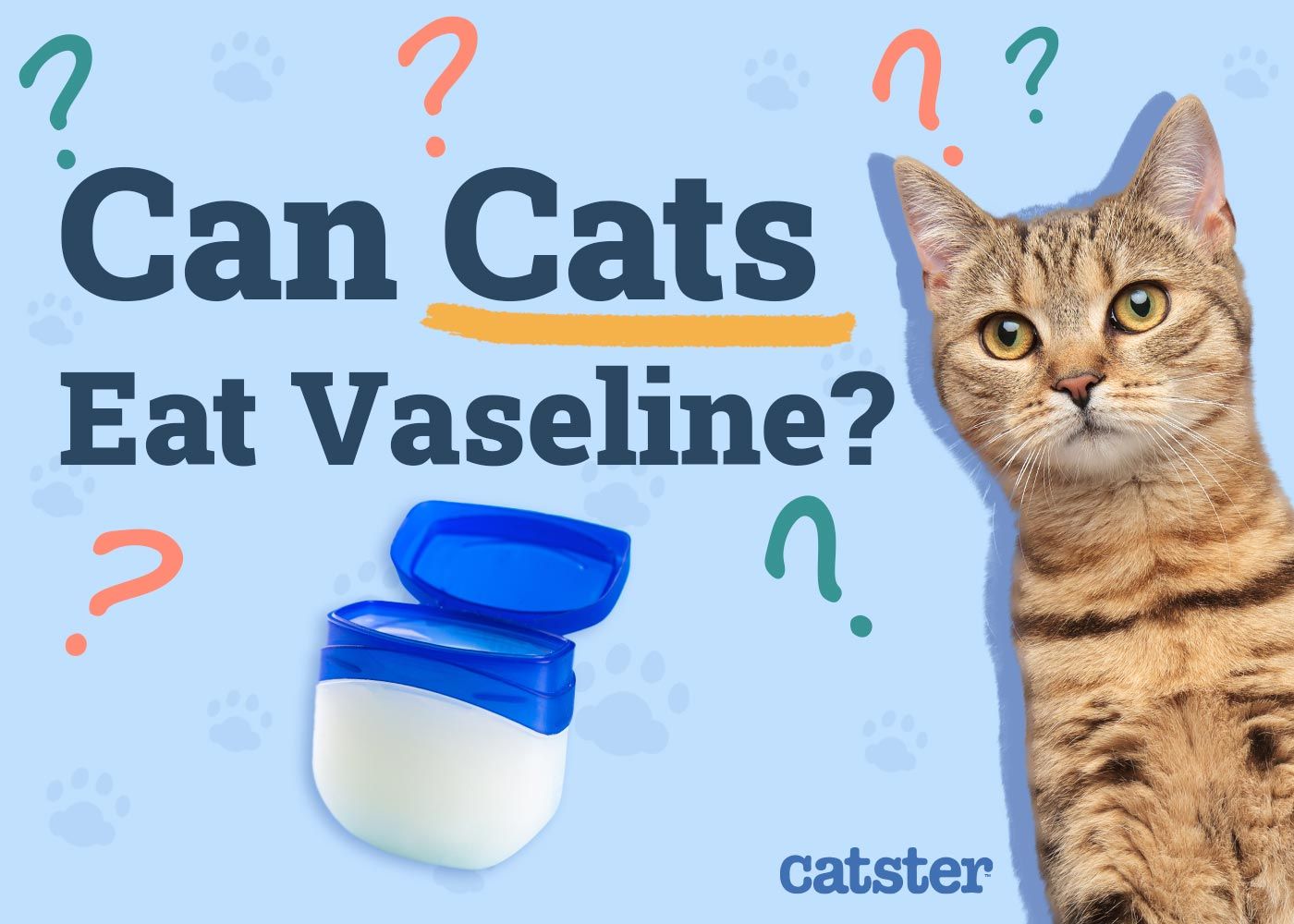
Vaseline is a staple item in many people’s bathroom cupboards. It’s useful for many things, but have you ever considered using it on your cat? Is it even safe for cats? What exactly could you use it for? Vaseline is not considered toxic for cats as long as it’s ingested in small doses. It has even been used for the treatment of hairballs.
However, there are a few risks that depend on how much your cat ingests and your cat’s current health. Here, we discuss the risks of Vaseline and how much is safe to give your cat.

A Little About Vaseline
Vaseline is petroleum jelly, sometimes called petrolatum, made with a mix of waxes and mineral oils. It was discovered by American chemist Robert Chesebrough in 1859 when he was visiting an oil field. The oil pumps had a residue called “rod wax” that needed to be occasionally removed, and the workers used this “wax” to treat their burns and cuts.
Chesebrough, being a chemist, started experimenting with the substance and eventually extracted and purified it and gave the world his “Wonder Jelly,” which he trademarked as Vaseline. Interestingly, Chesebrough ingested a spoonful of Vaseline every day until he died at the ripe old age of 96!
Vaseline is known for its many benefits:
- Heals minor burns and cuts
- Might reduce crow’s feet and remove eye makeup
- Moisturizes pet’s paw pads
- Can be used to lubricate squeaky doors or rings stuck on fingers
- Prevents diaper rash
- Moisturizes face, hands, and body
- Prevents skin stains when dyeing hair or putting on nail polish
- Helps with split ends in hair and adds shine
Vaseline can benefit us and our pets in several ways, but what are the side effects?

Cats and Vaseline
Now that you know where Vaseline comes from, it can give you an idea of why it might be unsafe. Petroleum jelly was initially removed from machinery and petroleum products, including gasoline and crude oil.
However, the petroleum found in petroleum jelly is safe for humans and pets. It doesn't contain any cancer-causing substances because it has been triple-purified. It acts as an occlusive substance that forms a protective layer on the skin's surface and is not absorbed into the skin.
Therefore, putting Vaseline on a cat's skin or pads is safe, and small amounts ingested are not toxic. It isn't absorbed through the skin, and the digestive tract will also not absorb Vaseline. The petroleum jelly will form a layer along the digestive tract and on hairballs.
A Little About Hairballs
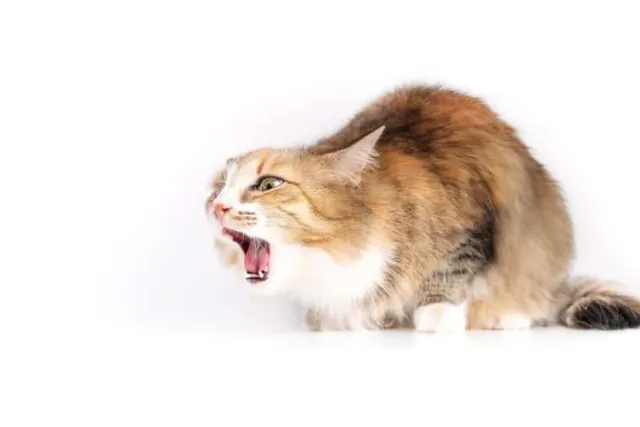
If you own a cat, you’re probably familiar with hairballs. They tend to be prolific in the spring and fall when cats shed more heavily and ingest more fur. Hairballs may be year-round in some households!
Most fur passes through the digestive system and is eliminated in the poop without any issues. Hairballs form when the digestive system cannot properly move the ingested hair out of the stomach and intestines through the feces.
Motility issues, or the movement of the hair through the digestive system, are what cause problems most of the time. Some illnesses can slow down digestion, such as hyperthyroidism and inflammatory bowel disease, as well as other gastrointestinal problems, like gastroenteritis.

Vaseline and Hairballs
Most cats throw up hairballs on occasion, which is perfectly normal, but there are supplements to help prevent them. Most contain petroleum jelly and flavors, making them more palatable for cats. They work to help move the hair through the cat’s digestive system.
Some veterinarians recommend using one of these supplements. If you are considering using Vaseline to help with hairballs, it’s best to discuss it with your vet to see if it's the best option for your cat.
Problems With Vaseline
While Vaseline can be effective for hairballs and even with constipation, there are a few risks that you need to be aware of.
Danger of Aspiration
Vaseline is petroleum jelly, which is a blend of mineral oils and waxes. Mineral oil is harmful for cats to inhale, which can cause aspiration pneumonia and fatal lung toxicity.
There isn’t a strong chance of this occurring, but it’s safest to keep Vaseline away from your cat’s face, particularly around their nose, where there’s a stronger risk of them inhaling it.
You should never force your cat to eat Vaseline, as this will increase the risk of them accidentally inhaling it. If your cat does breathe it in, it can get into the lungs, and the danger of pneumonia will become more likely.
Water and Nutrient Loss
What helps move the hairballs along can also prevent the digestive tract from absorbing water and nutrients. This can eventually cause stomach issues like diarrhea and dehydration. The lack of nutrients can also eventually lead to health complications.
A healthy cat should be fine with ingesting a small amount of Vaseline, but if your cat already has underlying health issues and regularly consumes Vaseline, it can lead to further health problems.
Speak to your veterinarian before you consider giving your cat Vaseline as a home remedy. Their hairball problem might be related to an underlying health issue that will need to be addressed by your vet. You don’t want to contribute to further health problems.
Conclusion
Vaseline can provide many benefits for cats, including a remedy for hairballs. However, petroleum jelly can harm cats if they inhale it accidentally. Before you give your kitty Vaseline, speak with your veterinarian to see if it is the best option. Keeping your feline friend happy and healthy is vital!
See Also:
Featured Image Credit: JenJ_Payless, Shutterstock
Expert cat care, straight to your inbox
News, insights, and useful advice, delivered to you.

No spam — unsubscribe anytime.
By signing up, you agree to our Terms & Conditions and Privacy & Cookies Policy.
How useful was this post?
Click a star to rate. You can leave written feedback afterwards. (We read all feedback.)
Kathryn was a librarian in a previous lifetime and is currently a pet writer. When she was a child, she hoped to work in ZOOs or with wildlife in some way, thanks to her all-consuming love for animals. Sadly, she's not strong in the sciences, so she fills her days with researching and writing about all kinds of animals and spends time playing with her adorable but very naughty tabby cat, Bella. Kathryn is hoping to add to her family in the near future – maybe another cat and a dog.