Is Vaseline Safe for Cat Paws? Vet Reviewed Facts & FAQ


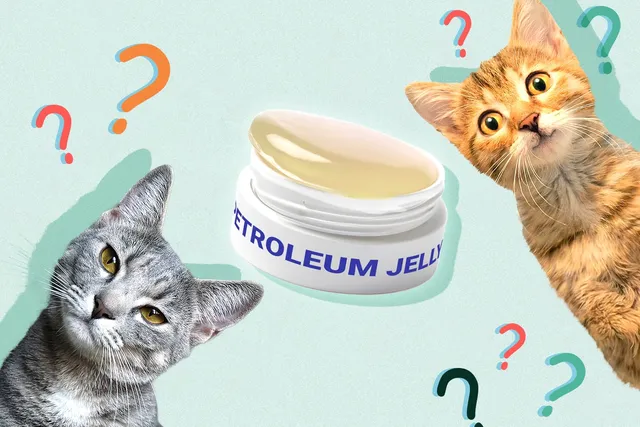
Vaseline is a type of petroleum jelly that is commonly used as a method to trap moisture in the skin. It is also used for makeup removal and has been shown to help small cuts and wounds during the healing process. And it isn’t just humans that can benefit from the moisturizing effects of Vaseline. It is just as safe for cats, too, as long as it is applied externally.
It has proven especially beneficial as a means of moisturizing cats’ dry and cracked paws. It is considered safe if your cat consumes a small amount, so if your feline friend is likely to lick anything off that you put on their paw, Vaseline is a good solution. However, it does not provide any nutritional benefit and may not be safe in larger amounts, so you should never intentionally feed Vaseline to your cat.

Is Vaseline Safe for Cats?
Vaseline contains a variety of mineral oils and waxes. Original Vaseline is pure petroleum jelly, which is safe for external application on humans but also cats and dogs. One of the ways that owners use Vaseline on their cats is to apply it to cracked and dry paws. The moisturizing effects of the jelly help soothe and also enable the cracked paws to recover.
If you are using Vaseline in this way, massage it gently, and don’t use it too much. If you leave globs of the substance and your cat doesn’t like the feel, they may shake their paw to get rid of the alien substance and you will be left with Vaseline on walls, floors, and other surfaces.
Although you shouldn’t feed it to your cat, Vaseline is not considered toxic in small amounts. This is beneficial if yours is a cat that likes to investigate everything new by licking it or if your cat attempts to get rid of the Vaseline on its paws by chewing it. If your cat does lick or chew the Vaseline, you should limit the amount you use or find another solution to cracked paws.
Causes of Cracked Paws
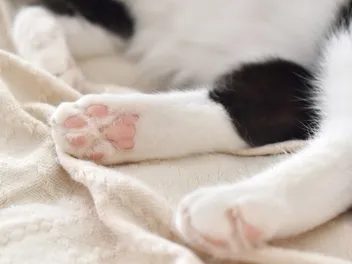
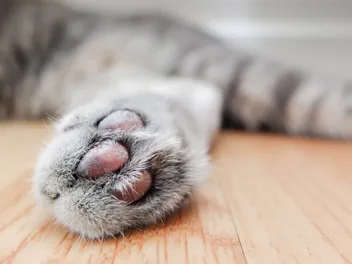
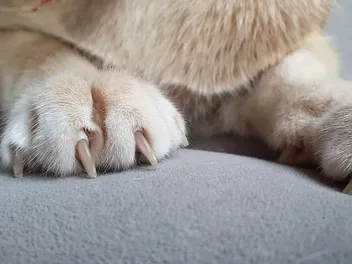
Cat paws are meant to have a slight texture. This provides grip and enables cats to walk, run, and climb on different surfaces. However, the paws should not be cracked. Bad weather, dry air, too much licking, or too much walking on rough surfaces can cause cat paws to crack. Cracked paws can be painful and they can also lead to infection, which will need treatment.
Signs of Cracked Paws
Cats are very good at hiding pain. In the wild, showing signs of injury or weakness may lead to them being attacked by other cats and predators, and while your cat may have the luxury of a fully furnished home and a loving family, they do retain some of their basal instincts.
If you do notice your cat avoiding walking on one of their feet or if they look to be in some discomfort when walking, check the pads and look for signs of injury including cracked pads.
If you are concerned about the health and well-being of your pet, seek veterinary advice for the best course of action.
Other Cracked Paw Solutions
Vaseline is one possible treatment for cracked pads, but there are other solutions that you can also try:
- Clean the Pads – Start by cleaning the pads. Use a soft cloth and avoid using anything that might cause additional pain. While you're at it, you can clean between your cat’s toes. This will help remove dirt but will also get rid of any chemicals or other substances that might be causing damage to the pads or making them worse.
- Edible Oil – You can use any of several human cooking or kitchen oils that are edible and considered safe for cats to consume. This includes olive oil and coconut oil, as well as fish oil. Fish oil is highly nutritious for cats, so this can make a good choice.
- Hydrate – Ensure your cat is drinking enough water. A well-hydrated cat is less likely to suffer cracked paws and good hydration will help the paws rebuild and recover. Cats can be very difficult to give water to because many dislike drinking water from a bowl. Consider using a fountain or a bowl that agitates the water. You can even move from dry food to canned food, which will provide some additional moisture.
- Socks – Cracked paws can be caused by walking on abrasive, hot, or cold surfaces. They can also be caused by walking on harmful chemicals, including bleach. If you can get them on and convince your cat not to rip them off, protective booties provide a physical barrier between the paws and anything that might potentially be causing damage.
- Paw Moisturizers – If oils and Vaseline fail, speak to your vet and ask them to recommend a pat paw moisturizer. These are designed specifically for the purpose, are safe to use on cats, and might succeed if other solutions have failed.
- Time – If cracked paws are a one-off problem and have been caused by an unusual incident, such as extreme temperatures or your cat walking in a particular substance, time might be enough for the pads to heal. Keep your cat away from whatever caused the cracking in the first place and consider using one of the healing techniques above to help ease irritation and speed up the healing process.
Conclusion
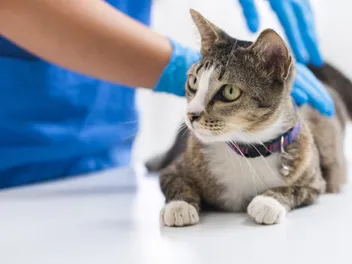
If your cat is showing signs of being in pain and considerable discomfort because of their cracked paws, you should consult with your vet. They will be able to check to ensure that the site has not become infected and that there is nothing in the pads that might be causing additional pain. They can also prescribe a moisturizer or advise you on the wearing of protective booties.
If your cat’s paws are not badly cracked but you want to do something to try and help aid the healing process, applying a small amount of Vaseline is not only safe but could offer the moisturization required. It is also non-toxic in small amounts so you don’t need to worry if your cat licks it off as soon as you put it on.
Related Reads:
Featured Image Credit: JenJ_Payless, Shutterstock
Expert cat care, straight to your inbox
News, insights, and useful advice, delivered to you.

No spam — unsubscribe anytime.
By signing up, you agree to our Terms & Conditions and Privacy & Cookies Policy.
How useful was this post?
Click a star to rate. You can leave written feedback afterwards. (We read all feedback.)
Christian started writing for a local newspaper as a teenager, and he's been involved in the publishing industry for most of his adult life. Combining his love of writing with a passion for animals, he is currently the Director of Editorial at Pangolia and the Editor-in-Chief at Catster.
Christian lives in the Philippines with his wife, son, and four rescue cats: Trixie, Chloe, Sparky, and Chopper.