Get

In Your Inbox

Catster is reader-supported. When you buy via links on our site, we may earn an affiliate commission at no cost to you. Learn more.

Can I Put Catnip in My Cat’s Food? Vet-Reviewed Potential Pros & Cons

Share

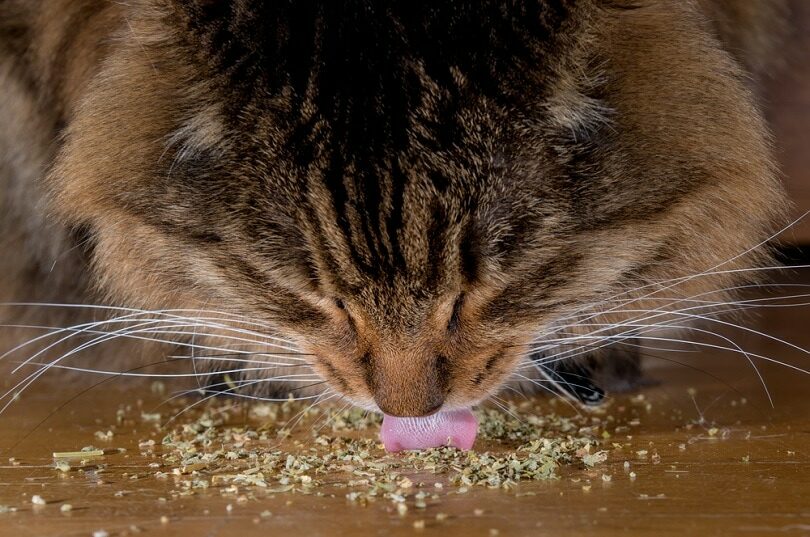
cat-eating-catnip

People are always looking for ways to improve their cat’s life and diet, and one thing that often gets paired with cats is catnip. But whether you’re looking at putting catnip in their food for health purposes or just want to get them interested in it, is it a good idea?

We break it all down for you here, but most of the time, there’s nothing wrong with putting a small amount of catnip into your cat’s food.

divider 3 paws


Can I Put Catnip in My Cat’s Food?

Absolutely! Not only can you put catnip in your cat’s food, but it’s also relatively good for them. There is no exact dosage as it depends on each cat, but moderation is key. It’s best to start with a small sprinkle and observe, and you can gradually increase it as needed. However, it’s important to keep in mind that catnip may not be ideal for all cats. Check out the following perks and drawbacks.

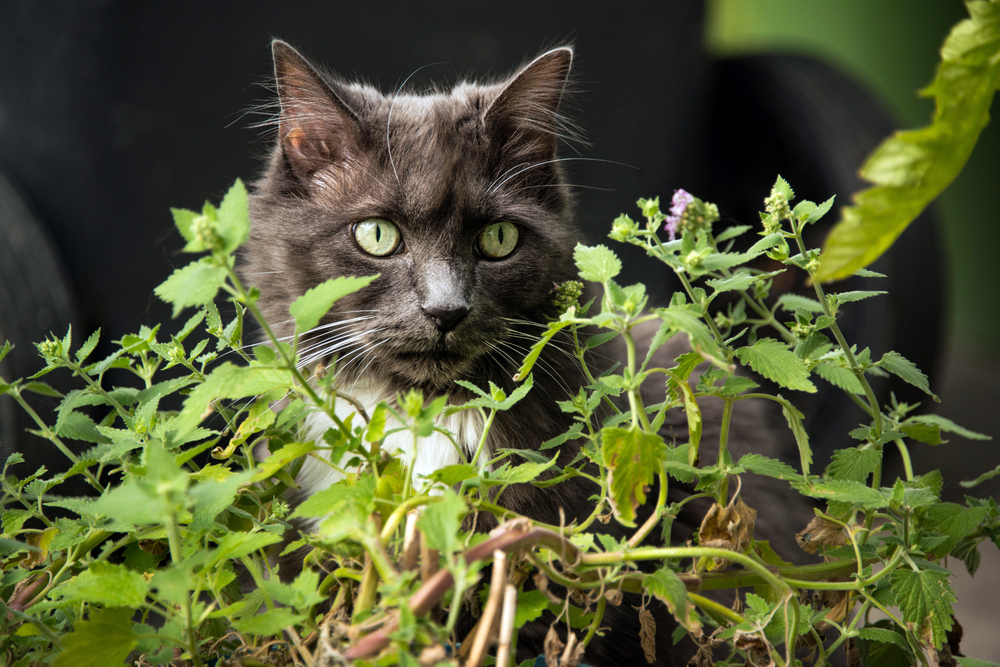
cat with green eyes in catnip
Image Credit by: Georgia Evans, Shutterstock

The 3 Possible Perks of Catnip

There’s a reason you can find catnip so prominently in pet sections; for the most part, it’s good for cats! Here are the perks of giving your cat catnip, with two benefits making it a great choice to put into their food!

1. Catnip May Calm Your Cat

This is one of the most well-known benefits of catnip. While the primary effects of catnip typically only last about 10 minutes, your cat might be calmer after ingesting catnip.

Lots of cats go bananas for catnip. If your cat is one of them, we recommend Hepper's durable, engaging Catnip Stick Toy! These sturdy toys come in several fun colors and feature bite-proof double bagging and 100% organic catnip fill. They're also handmade in the USA and designed to look like your cat's natural prey.

No products found.

At Catster, we’ve admired Hepper for many years and decided to take a controlling ownership interest so that we could benefit from the outstanding designs of this cool cat company!

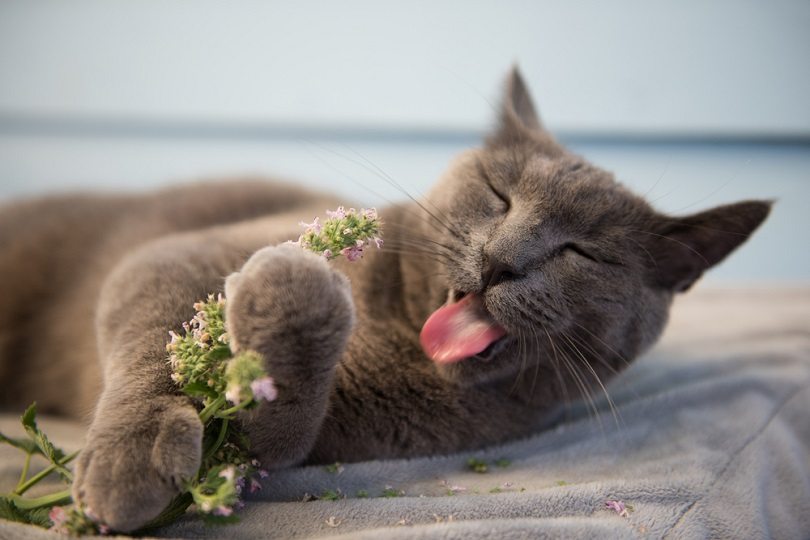
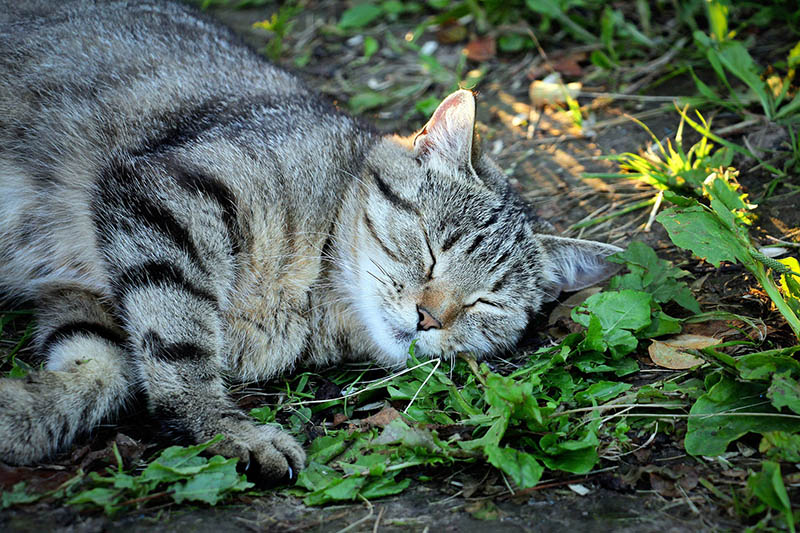
gray tabby resting on catnip
Image Credit by: Kelly Magnuson, Shutterstock

2. It May Aid Digestion

While most owners know catnip helps calm cats, many don’t realize it can help their digestion. This makes it a great choice to add to their dinner. Not only will they get a great meal, but they’ll also get something that helps them process all their food!


3. It May Help Prevent Diarrhea

This isn’t a well-known effect of catnip, but in small amounts, catnip can act as an anti-diarrhetic. This makes it great to mix into your cat’s food if they have a sensitive stomach. Just ensure that you’re adding the right amount for your cat; if you add too much, it can cause diarrhea.

divider cat faces 2 oct 2024

The 3 Potential Drawbacks of Catnip

While giving your cat catnip is usually perfectly safe and effective, there are a few drawbacks. These are usually rare unless you give your cat too much catnip.

Catnip or catmint green herb background
Image Credit: wasilisa, Shutterstock

1. It Can Make Cats Aggressive

While most cats mellow out after consuming catnip, that’s not the case for every cat. Some cats, especially males, can become hostile and aggressive.

Some attribute this to a potential mating reaction, but it depends on the cat. If your cat gets aggressive after you give them catnip, it’s best to cut it out of their diet entirely.


2. There’s a Risk of Vomiting or Diarrhea

While a bit of catnip can help with digestion and help prevent diarrhea, too much can have the opposite effect. That’s why it’s important to portion out catnip when giving it to your cat and not give them too much.

Moreover, while most cats are fine with catnip, your cat can have a reaction if they don’t process it well.


3. It Can Cause Excessive Dizziness or Sedation

Sedation is a well-known side effect of catnip, and while a bit of dizziness isn’t a problem, some cats get far too dizzy. If that’s the case for your cat, we recommend cutting back the amount of catnip that you give them.

cat sleeping on bed with a ball of catnip
Image Credit: Lizavetta, Shutterstock

divider 3 paws

Final Thoughts

When you’re thinking about adding catnip to your cat’s food, start slow and small. Don’t put a large amount in there; just add enough to see if it can help with their diet. If you’re noticing positive benefits and no adverse side effects, you can increase the quantity to the normal dosage, but don’t overdo it because problems can occur!


Featured Image Credit: Doug McLean, Shutterstock

Want content like this delivered to you?

Sign Up For Our Newsletter

News, insights, expert advice, and everything cat

* By submitting, you agree to our Terms & Conditions and Privacy & Cookies Policy.


How useful was this post?

Click on a star to rate (you can leave written feedback after clicking submit)

Help us improve Catster for pet parents!

Your feedback really matters.

What did you like about this post? Also how can we improve it?

Join the conversation

Leave a Reply

You’re very welcome to leave a comment or question. Please know that all comments must meet our community guidelines, and your email address will NOT be published. Let’s have a positive and constructive conversation.


Catster's Digital Magazine is Back!

Vet-approved health & behavior advice

Real cat stories & community features

Your Cat Isn’t Picky – Their Nose Is Just Bored

If you’ve ever sighed while scraping uneaten cat food into the trash, you’re certainly not alone. Many cat owners know the routine: their...

Ask Dr. Paola – Help! My Kitten Won’t Use the Litter Box! (July 27, 2026)

Welcome to our “Ask Dr. Paola” series, where every Monday we bring expert advice straight from Dr. Paola Cuevas (MVZ) to help our...

Chatting with Petra Luna About CatCrazy, Cat Food Ingredients & The Secret of E-Beams | Chatty Cattys, Episode 28

In this episode of Catster’s Chatty Cattys podcast, Nicole and Dr. Karyn welcome back Petra Luna from CatCrazy to catch up on her...

According to Vets, Most Owners Miss These Signs That a Cat is Sick

Cats are famously good at hiding discomfort. It is not stubbornness or indifference; it’s a deeply ingrained survival instinct. In the wild, showing...

More related

What Breed Is My Tabby Cat? How To Tell, Types & Helpful Tools

Tabby cats have been around for centuries, going back to ancient Egypt and likely further. Where many people get confused, however, is thinking...

What Do Cats Think About All Day? Facts & FAQ

Your cat is sitting in their favorite spot, staring into the distance. They look just like they’re contemplating the mysteries of the universe—but...

How Long Does It Take to Train a Cat? 5 Vet-Approved Tips to Speed Up the Process

Training a cat might sound impossible, especially if you’ve ever owned one before (we know how stubborn they can be!). But the truth...

11 Fascinating Vet-Verified Facts About Tabby Cats (2026 Update)

The tabby cat is one of the most popular coat patterns in cats, inherited from their ancestor, the African wild cat, scientific name...

Keep reading

Can Cats Get Bitten by Mosquitos? Vet-Reviewed Risks & Preventions

Pesky mosquitos can ruin a peaceful summer evening. As you swat and scratch your way through a swarm of these pesky insects, you might envy your pets’ protective fur coats. But is your kitty truly safe, or can cats get...

Macro photo of a mosquito on a leaf

Can Cats Eat Celery? Vet-Reviewed Nutrition Facts & FAQ

Celery is a popular chips-and-dip accompaniment, and while your cat definitely shouldn’t have the chips or the dip, what about the celery itself? Can cats eat celery? In fact, there’s nothing wrong with giving them a few celery stalk pieces...

Can Cats Eat Celery

How Long Can You Leave Wet Cat Food Out? Vet-Verified Health & Safety Info

The clock starts ticking as soon as you open your cat’s can of food. Feline wet food will grow bacteria, accumulate bacterial toxins, and spoil much faster than dry food. Generally, wet cat food can only stay out for around...

cat eating wet tuna food

Can Cats Eat Rice Cakes? Vet-Approved Nutrition Facts & Safety Guide

Rice cakes are a popular snack among vegan and health-conscious people. But are they a healthy snack for your cat? Rice cakes might seem harmless, but should you let your animals eat them? The answer is that rice cakes are...

Can Cats Eat Rice Cakes

Can Cats Eat Prunes? Risks & Safe Alternatives

For humans, the health benefits of antioxidant-packed dried plums can’t be understated. They’re commonly eaten to ease constipation and nausea. Therefore, you may be wondering if you can give prunes to your cat. Unlike humans, cats shouldn’t eat plums or...

Can Cats Eat Prunes

7 Vet-Reviewed Tips for an Attention-Seeking Cat in a Multi-Cat Household

It’s no secret that our cats have very different personalities. If you are the owner of more than one kitty, you know just how different their love languages and attention requirements can be. So, if you have a cat that...

cat rubbing its head against the owner's legs

Do Cats Get Winter Coats? Vet-Verified Fur Facts & Care Tips

The trees turning colors and the weather growing colder aren’t the only changes that happen during the fall months. Like many dogs, cats also get winter coats. This fur coat is thicker and denser than their summer coat and serves...

black long-haired cat winter snow

Can Cats Eat Salt & Vinegar Chips? Vet-Reviewed Risks & FAQ

Does your cat inch towards you when they hear the crinkle of a chip bag? Felines are nosy creatures that are often intrigued by what they can’t have. This may include salt and vinegar potato chips. While eating a couple...

Can Cats Eat Salt & Vinegar Chips

Love Cats? So Do We! Join the Catster Community

Stay informed with expert pet care insights delivered straight to your inbox! Discover professional guidance on animal behavior, feeding tips, trusted product picks, and much more.


Sign up for the Catster Email Newsletter

Stay informed with expert pet care insights delivered straight to your inbox! Discover professional guidance on animal behavior, feeding tips, trusted product picks, and much more.