Why Cats Pee on Furniture (And How to Make Them Stop)


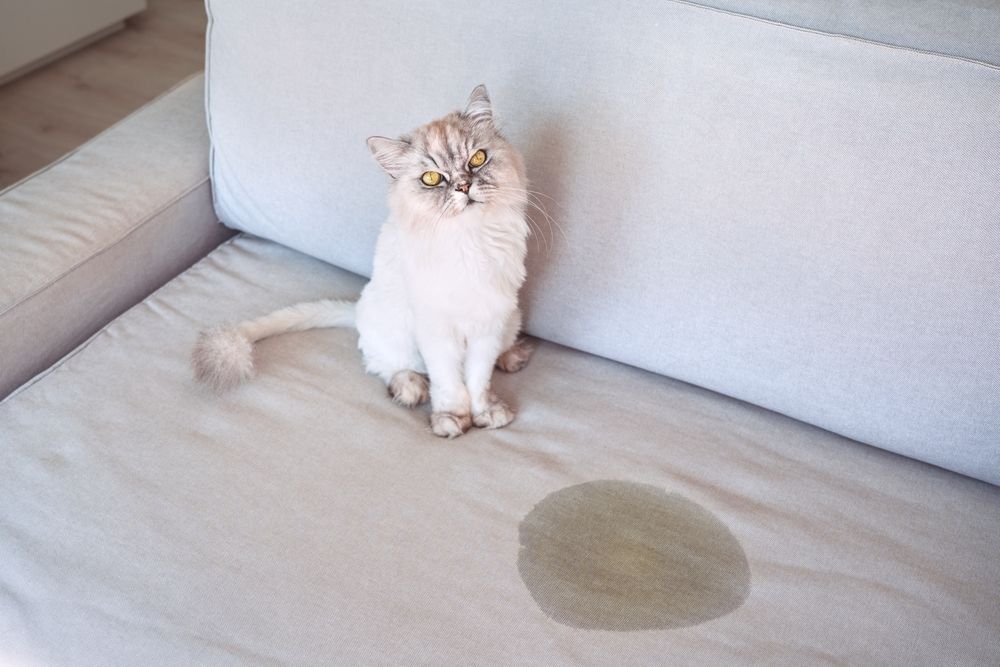
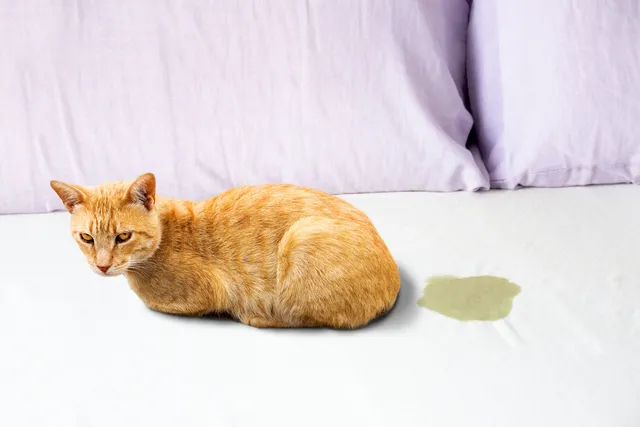
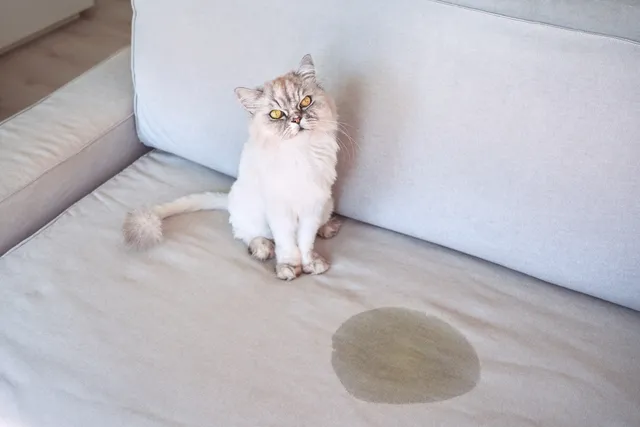
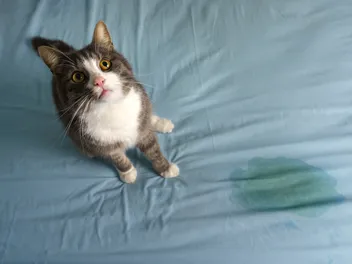
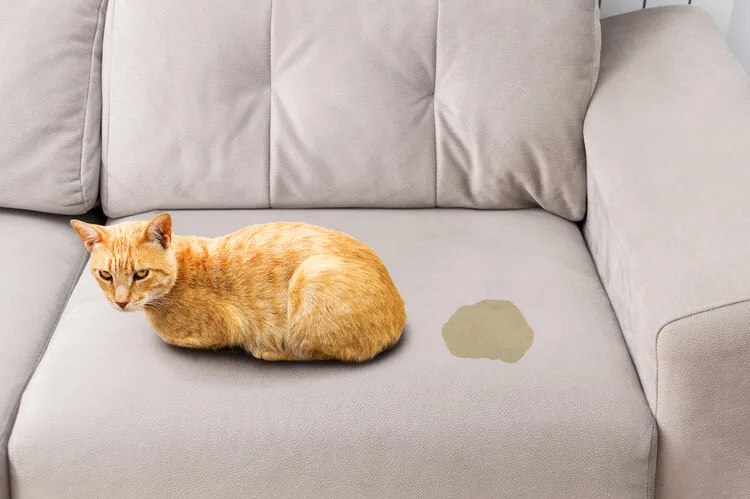
Cats peeing on furniture isn't a behavior problem. It's a communication problem. Your cat can't tell you their litter box hurts to use, or that the new dog is stressing them out, or that the box itself is too small and smells terrible. So they find somewhere else to go - usually your couch, your bed, or that chair you just reupholstered.
The frustrating part is that what looks like one problem (cat peeing on furniture) can have a dozen different causes. Medical issues, anxiety, litter box setup, territorial marking, multi-cat household dynamics - any of these can trigger the same behavior. And treating the wrong cause just wastes time while the problem gets worse.
But once you identify what's actually driving this behavior, most cases are fixable. But that means starting from the right place: ruling out medical problems first, then methodically working through environmental and behavioral factors.
Here's how to figure out why your cat is doing this and what actually works to stop it.

Why Your Cat Is Peeing on Furniture
Medical Problems (Check These First)
If your cat previously used their litter box without issues and suddenly stopped, your first call should be to the vet. Several medical conditions make urinating painful or urgent, and your cat may have started associating their litter box with that pain. Bladder stones, urinary tract infections, and even arthritis can all interfere with normal litter box use. Conditions like diabetes, kidney disease, and liver disease increase urination frequency, making accidents more likely. If your cat is 11 years or older and showing distress while trying to urinate, this is urgent. Get them to a vet as soon as possible.
Stress and Life Changes
Cats are creatures of habit who prefer their world to stay predictable. A new baby, a new pet, a move, or even a loved one leaving the household can trigger tremendous anxiety. That stress often manifests as inappropriate urination. If you know a major change is coming, talk to your vet beforehand about anti-anxiety options to help your cat through the transition.
The Litter Box Itself
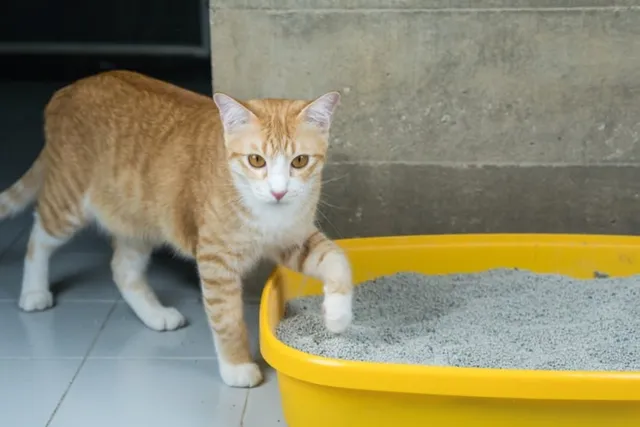
Sometimes the problem isn't your cat, it's their bathroom setup. Most cats dislike covered litter boxes and liners. They need a box that's at least 1.5 times their body length. The litter matters too. Most cats prefer fine or medium clumping litter that's unscented and easy on their paws. If you're not sure what your cat likes, set up a few temporary boxes with different litter types and let them vote with their paws.
Even the best litter box won't work if it's not kept clean. Scoop daily and do a deep clean with soap and water weekly. Cats have incredibly sensitive noses, and a dirty box will send them looking for alternatives.
Location, Location, Location
Where you put the litter box matters just as much as the box itself. If it's in a high-traffic area near the front door, next to a noisy washing machine, or tucked away in a hard-to-reach basement, your cat might avoid it. The ideal spot is quiet, private, and easily accessible on the main floor of your home.

Getting In and Out
For small kittens, senior cats, or any cat with mobility issues, high-sided litter boxes create a physical barrier. If your cat has to struggle to climb in, your couch starts looking like a much easier option.
Multi-Cat Dynamics
The rule for multiple cats is simple: one litter box per cat, plus one extra. Three cats need four boxes. Without enough boxes, conflicts arise. Sometimes one cat will guard the litter box and prevent others from using it, creating a stressful situation that leads to accidents.
Territory Marking
Both male and female cats use urine to mark territory, especially when a new pet enters the home or if they haven't been spayed or neutered yet. Getting your cat fixed while they're young typically stops this behavior.
New Adoptions Need Time
Newly adopted cats need time to adjust to unfamiliar environments. Stress from the transition can lead to inappropriate urination until they settle in and feel safe.

How to Actually Fix This
The solution depends entirely on the root cause. Here's what works:
For Medical Issues: After your vet rules out or treats any health problems, focus on making the litter box as appealing as possible. Place it in a quiet, safe location. If your cat still avoids it, try multiple boxes in different areas. Place treats and toys near the box and play with your cat nearby, but keep food away from it since cats don't want to eliminate near where they eat. Use the litter your cat prefers, filled 1 to 2 inches deep. If nothing works, consult an animal behaviorist.
For Stress-Related Problems: Keep the box impeccably clean with daily scooping and weekly washing. Avoid corn-based, crystal, or scented litters. Remove covers and liners. Place boxes in stress-free locations. Give your cat plenty of high perches where they feel safe and secure above other household members. Ask your vet about calming supplements if needed.
Home Remedies That Help:
- Citrus deterrent spray: Mix water with fresh citrus juice (lemon or orange) and spray problem areas. Never use essential oils, as these are toxic to cats. The scent acts as a natural deterrent.
- Pheromone products like Feliway help cats relax and reduce marking behavior. Sprinkling catnip near the litter box can make that area more appealing.
- Clean thoroughly with enzymatic cleaners to completely remove odor from previous accidents.
- Vinegar spray: Mix equal parts white vinegar and water as a natural repellent for furniture. Test a small area first to ensure it won't damage the material.
- Mental stimulation: Interactive toys and play sessions reduce stress-related behaviors.
Last Resort Tactics:
If you've tried everything and your cat still targets your furniture, make those spots less appealing. Cover them with aluminum foil or double-sided tape. Cats hate the sticky feeling on their paws and the texture of foil. If this doesn't work, it's time to call in a professional behaviorist. You might have missed something, or there could be an underlying medical issue that wasn't initially apparent.
What Not to Do
Never use ammonia-based cleaners. Urine contains ammonia, so these products actually encourage repeat offenses. Stick with enzyme cleaners only.
Don't carry or drag your cat to the litter box, don't scold them, and absolutely never rub their nose in their urine. They won't understand what you're trying to teach them. They'll only learn to fear you.
Don't confine your cat in a small space with their litter box for extended periods. This creates more stress and won't solve the problem.

Final Thoughts
Your cat isn't peeing on your couch to make you miserable. They're telling you something is wrong, whether that's a health issue, environmental stress, or a problem with their bathroom setup. Start with a vet visit to rule out medical causes. From there, evaluate your litter box situation honestly: Is it clean? Is it accessible? Is there enough space and privacy?
Show your cat patience while you work through this. Play with them, give them safe spaces to retreat, and address the underlying cause rather than just the symptom. With time and the right approach, you'll have both a happy cat and furniture that stays dry.
Feature Image Credit: Creative Cat Studio, Shutterstock
Did You Know?
- Our brand-new posts are rounded up and included in our weekly emails. Don't miss out on the latest - sign up for our newsletter below!
Expert cat care, straight to your inbox
News, insights, and useful advice, delivered to you.

No spam — unsubscribe anytime.
By signing up, you agree to our Terms & Conditions and Privacy & Cookies Policy.
How useful was this post?
Click a star to rate. You can leave written feedback afterwards. (We read all feedback.)
Dan has been working in the pet world for over 4 years covering cats, dogs, and all other pets in between. He loves helping pet parents keep their companions happy, healthy, and of course, totally spoiled! Originally from London, Dan now travels and works remotely, which unfortunately means no pets at home, but it gives him plenty of opportunities to fuss over other people's furry friends.