How Many Litter Boxes Per Cat Should I Have In My Home? Vet-Approved Info & Tips


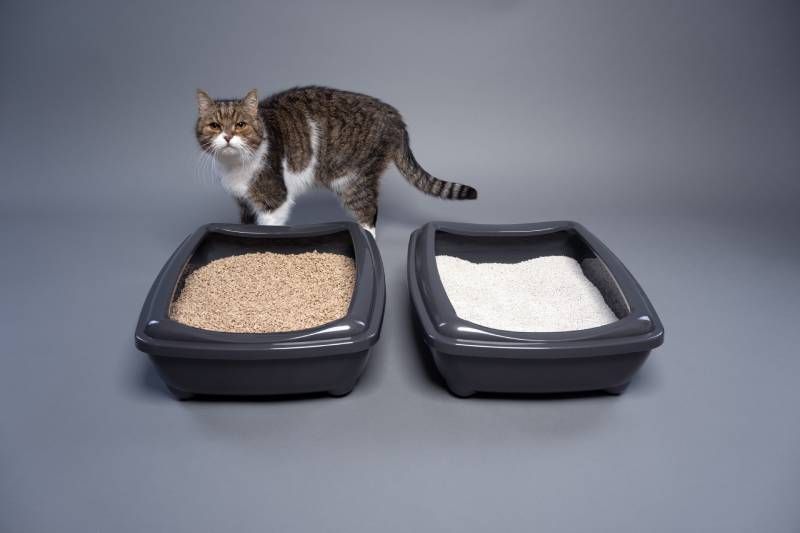
Cats that live in the same home often adjust to sharing things, from toys and water bowls to beds and the favorite spot on the couch. The one thing that cats are sometimes unwilling to share, however, is litter boxes, particularly when two individuals have to “go” at the same time. The minimum number of litter boxes recommended for your house is one litter box per cat, plus an extra one.
For example, if you have one cat, you should have two litter boxes. If you have two cats, you should have three litter boxes, and so on. Some cats just don’t like to share their bathroom, and having their own plus a spare box ensures that they always have an option.

Why Do Cats Need Multiple Litter Boxes?
If you’ve ever had a roommate, you know how frustrating it can be if you only have one bathroom and it’s occupied. It’s similar for cats, except instead of being unable to get in, they’re possibly dealing with a different level of hygiene than they prefer.
Healthy cats like to be clean. They spend a lot of time grooming themselves and covering up their pee and poop, so they may not be as comfortable sharing the dirty litter box space with another cat—one that may have different habits than their own.
Cats are also territorial. In some instances, one cat can block the litter box for another cat and create a situation where they don’t feel safe. When you have more than one litter box, this problem is circumvented, as all cats can have access to a litter box.
In addition, cats have different preferences for the environment concerning their litter box. For example, some cats like more privacy or quiet to do their business, so having another cat around can force them to choose another place, such as your carpet or bathtub.
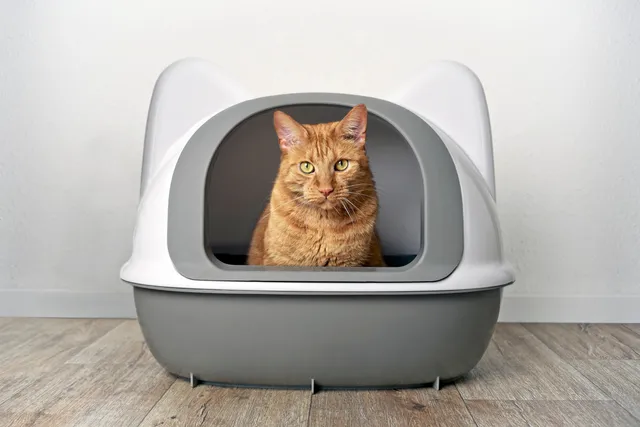
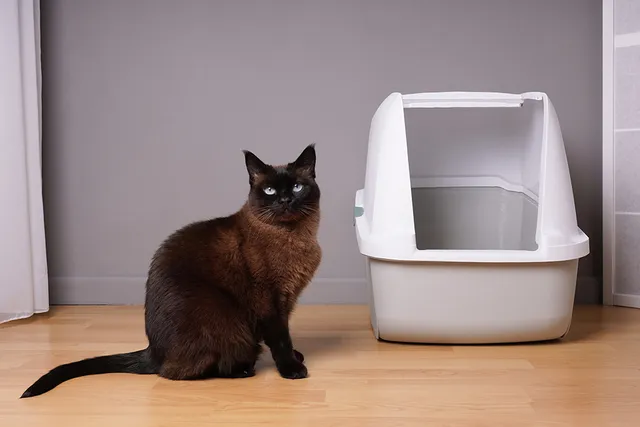
Likewise, some cats have a litter box preference. For instance, one of your cats may have a preference for a covered box, while another would prefer an open box. The same can be said for litter itself, as some picky cats have a preference on litter type as well.
It isn’t uncommon for each cat to take to one litter box when presented with a choice. Though some owners loathe the idea of having to clean up multiple litter boxes, it’s actually advantageous to find yourself in this situation. Knowing which cat uses which litter box will help you identify when one particular cat is experiencing litter box or health issues. For instance, knowing which cat is using the litter box where you discover diarrhea lets you know which cat requires medical attention from a veterinarian for diarrhea. However, if all your cats share the same box (which also happens at times), this task becomes much more difficult.

Common Litter Box Problems
Some cats have no problem sharing, so their owners only keep one litter box for all of them. It may work for a while, but if your cats decide that they no longer want to share, they may act out in different ways:
Some Common Litter Box Problems
Tips to Create Litter Box Harmony in Your Home
At times, you could run into challenges integrating multiple cats, even with multiple litter boxes. Here are some helpful tips:
Top Tip for Cleaning & Combating Tough Litter Box Smells
Cleaning up after our pets is not the most enjoyable part of owning them. Despite keeping a clean litterbox, cat odors and stains may still exist around the house. Sometimes, even the best litter box setup needs extra help. If you're tired of dealing with bad smells from litter boxes, Hepper Advanced Bio-Enzyme Pet Stain & Odor Eliminator Spray can help with the worst pet stains and smells. Additionally, the Advanced Bio-Enzyme Cat Litter Deodorizer neutralizes odors upon contact.
| Image | Product | Details | |
|---|---|---|---|

|
Hepper Advanced Bio-Enzyme Pet Stain & Odor Eliminator Spray |
|
Check Price |

|
Advanced Bio-Enzyme Cat Litter Deodorizer |
|
Check Price |
At Catster, we’ve admired Hepper for many years and decided to take a controlling ownership interest so that we could benefit from the outstanding designs of this cool cat company!
Do I Really Need Two Litter Boxes for One Cat?
In a single-cat household, it’s not uncommon for your cat to settle on just one box. However, it is still recommended to have two boxes for your pet cat. Cats can be finicky and rely on a lot of instincts to ensure they’re safe, especially when they’re in a vulnerable situation, like relieving themselves. If you only have one litter box and something makes your cat uncomfortable, such as a running washing machine or a dog barking near the window, giving them another spot ensures they’ll use the litter box rather than other spots in your home.
This is also a good opportunity to test your cat’s preferences strategically. For example, you can try two different types of litter, different types of litter boxes, or different places in your home to see what your cat prefers. This makes it much easier to prevent litter box problems down the road.
Finally, it allows you more flexibility in your schedule. You can space out box cleaning duties if you have two boxes, whereas you don’t have this luxury if you only have one litter box. You’d also not want to run into a situation where your cat has to absolutely use the litter box when you’re busy cleaning it; having two boxes helps avoid accidents in such a scenario.


Conclusion
The golden rule is one litter box per cat plus an extra. While some cats are fine sharing, giving your cats their own space for this private activity is best, reducing the risk of conflict and litter box problems in multiple-cat homes.
Sources
Featured Image Credit: Nils Jacobi, Shutterstock
Expert cat care, straight to your inbox
News, insights, and useful advice, delivered to you.

No spam — unsubscribe anytime.
By signing up, you agree to our Terms & Conditions and Privacy & Cookies Policy.
How useful was this post?
Click a star to rate. You can leave written feedback afterwards. (We read all feedback.)
Christian started writing for a local newspaper as a teenager, and he's been involved in the publishing industry for most of his adult life. Combining his love of writing with a passion for animals, he is currently the Director of Editorial at Pangolia and the Editor-in-Chief at Catster.
Christian lives in the Philippines with his wife, son, and four rescue cats: Trixie, Chloe, Sparky, and Chopper.