Do Burmese Cats Shed A Lot? Vet-Verified Facts & Care Tips


In this article
Bringing a cat home to be part of the family is a big decision. Yes, most of us are aware of the basics of cat care. They need to be fed, watered, and given a litter box. Cats, of course, also require a lot of your attention—cuddles and playtime are part of their daily routine. They are pleasures to have around the house, but for those new to the cat world, some questions arise, especially when adopting a particular breed.
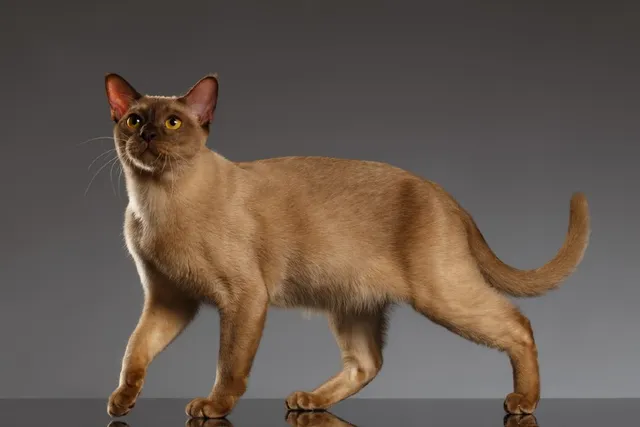
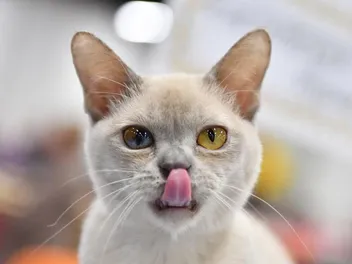
Burmese cats are a popular choice for people when they realize a cat is a perfect pet for them. These cats are beautiful, friendly, and have tons of fun. One of the biggest questions that people new to owning a Burmese ask is do they shed a lot? The silky, short fur of the Burmese is beautiful to look at, but no one wants to spend hours a day cleaning up kitty hair. Luckily, the Burmese is a perfect cat for you, they aren’t heavy shedders.
Let’s learn a bit more about this cat breed, their fur, and what you should expect when bringing one into your home.

Origins of the Burmese Cat
The origin of the Burmese is a bit of a legend. As the story goes, a sailor took one of the beloved cats from Burma and brought it with him as he traveled to the United States. In San Francisco, the sailor met a man by the name of Dr. Joseph Thompson. The cat, named Wong Mau, was a beautiful walnut-brown color and had darker brown points. Taken by her unique look, Dr. Thompson decided to start a breeding program with her. Wong Mau was bred with a Siamese cat named Tai Mau who had seal point features.
The pairing of these two cats created the Burmese we know today and made Wong Mau the mother of an entire breed.
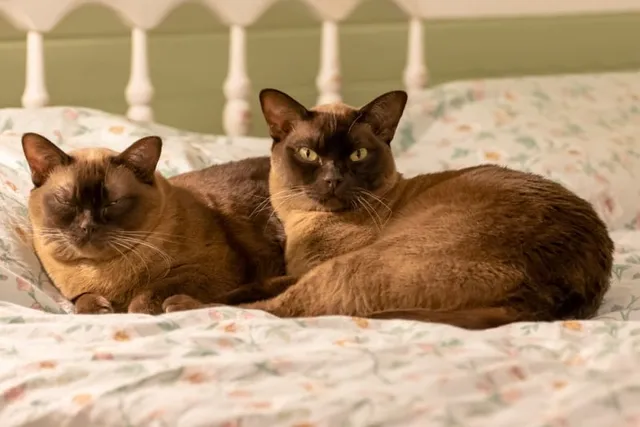
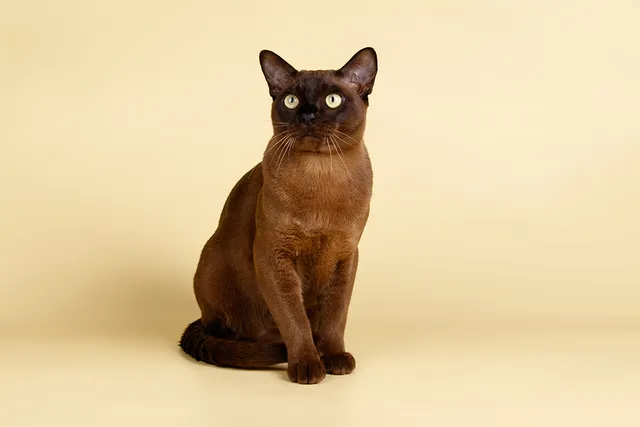
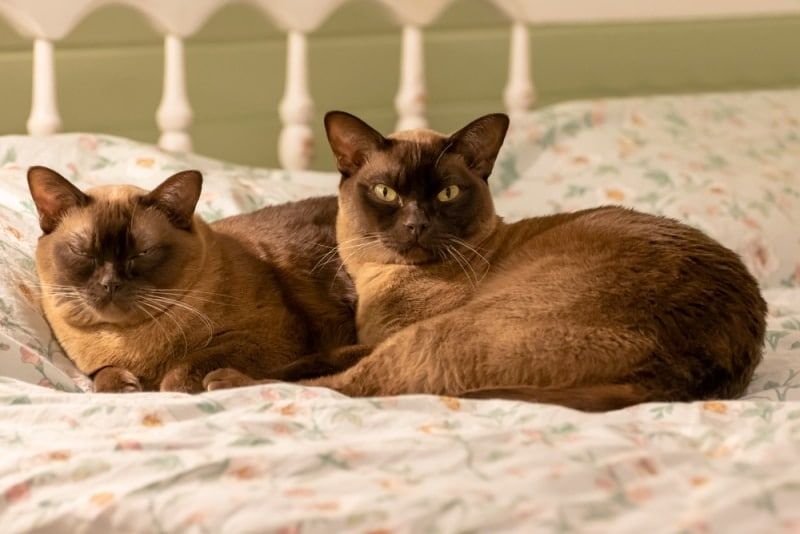
Thanks to Wong Mau, the first Burmese cats were all dark brown, which we now call sable. Burmese cats are muscular in build weighing between 8–12 pounds with pointed ears and bright, expressive eyes. When this breed was first recognized by the Cat Fanciers Association in 1936, the only accepted color was sable. Throughout the 20th century, however, more colors began to emerge.
Eventually, the CFA relented and allowed more colors to be accepted as the breed standard.

A Low-Maintenance Cat Breed
When it comes to the coat of a Burmese cat, it’s hard to avoid running your fingers through it. This cat breed’s coat is silky to the touch. When looking at a Burmese you may think the coat is lusher and more difficult to manage. You would be wrong with that assumption. While Burmese cats do shed, the amount is quite small.
Like most animals, this cat breed needs some coat maintenance, but not much. A rubber brush with soft bristles is the best tool to use when grooming a Burmese. This type of brush will not damage their skin when used. Thanks to the Burmese’s self-grooming habits, a simple brushing once a week is plenty enough to remove dead hair and keep them looking great.
Tips for Maintaining Your Burmese Cat’s Coat
By taking steps to keep your Burmese cat’s fur healthy and well-cared for, you can reduce the hair they lose during shedding. As we’ve mentioned, shedding is minimal with this breed, but considering how gorgeous their coat is, proper care is crucial. Here are a few tips to help you maintain your cat’s coat and keep it looking its best.

The Dreaded Bath
We’ve all seen movies or television shows where cats freak out when they are in the water. While most kitties hate water, some may tolerate them. Luckily, routine baths are not really necessary. Cats are big self-groomers and you will see them caring for their coat several times throughout the day. Still, they're curious cats who may get into mischief. This mischief can leave them a bit dirty.
If the job of bathing your cat is more than you want to tackle, turn to a professional groomer. For those who feel they are up for the task, when bath time comes, wet your kitty’s fur thoroughly, making sure you reach the skin. Then massage a small bit of cat-safe shampoo into their hair and lather. When it’s time to rinse, make sure you remove all shampoo residue and debris left behind.
Finally, dry your Burmese with a towel and give them plenty of praise and treats. If your Burmese doesn’t like being bathed it’s best to avoid forcing the experience, as it can lead to unnecessary stress for both of you. Instead, focus on regular brushing to keep their coat clean and healthy while strengthening your bond.
Provide a Well-Balanced Diet
The healthier your Burmese is, the nicer its fur will look. You’ll also find that a healthy Burmese cat doesn’t shed as much. Your cat should receive complete and balanced high-quality cat food. If you’re unsure of which food is best suited for your kitty, reach out to a veterinarian. They will make recommendations of preferred brands and feeding amounts so your cat stays healthy.
Overall health will reflect in providing your Burmese with a healthier coat. If you notice issues like bald patches, redness, or thinning or dull fur, your kitty will need to visit the vet for a checkup.
Routine Grooming
As we’ve mentioned, your Burmese needs to be brushed at least once a week with a soft-bristled brush. Not only does routine brushing remove loose hairs to help reduce shedding, but it also distributes your kitty’s natural skin oils. The distribution of these oils during grooming helps keep your cat’s coat moisturized and protected.

Final Thoughts
Bringing a Burmese cat into your home is an exciting adventure. These little cats are quirky and full of personality. You will also find they love spending time with their humans. Thankfully, their beautiful silky coat doesn’t shed excessively, so you won’t need to worry too much about shedding when cuddling with your kitty. However, if shedding is still a worry for you, simply take some of the advice we offered above to properly care for your Burmese and reduce the shedding you’ll experience.
Featured Image Credit: Sergey Neanderthalec, Shutterstock
Expert cat care, straight to your inbox
News, insights, and useful advice, delivered to you.

No spam — unsubscribe anytime.
By signing up, you agree to our Terms & Conditions and Privacy & Cookies Policy.
How useful was this post?
Click a star to rate. You can leave written feedback afterwards. (We read all feedback.)
A native of East Tennessee, Melissa is an avid animal lover who enjoys writing in her notebooks and playing outside with her many pets. Currently, she has two cats, Princess and Pepper, who are total opposites that demand constant attention. Her three dogs, Jazzy, Whitey, and Demon, are spunky troublemakers.
Melissa is also a dedicated wife and mother to two children. Beyond her career as a freelance cat writer, she's a published Indie author under the pen name Rena Marin!