Do Persian Cats Shed? Vet-Verified Facts & Grooming Tips


In this article
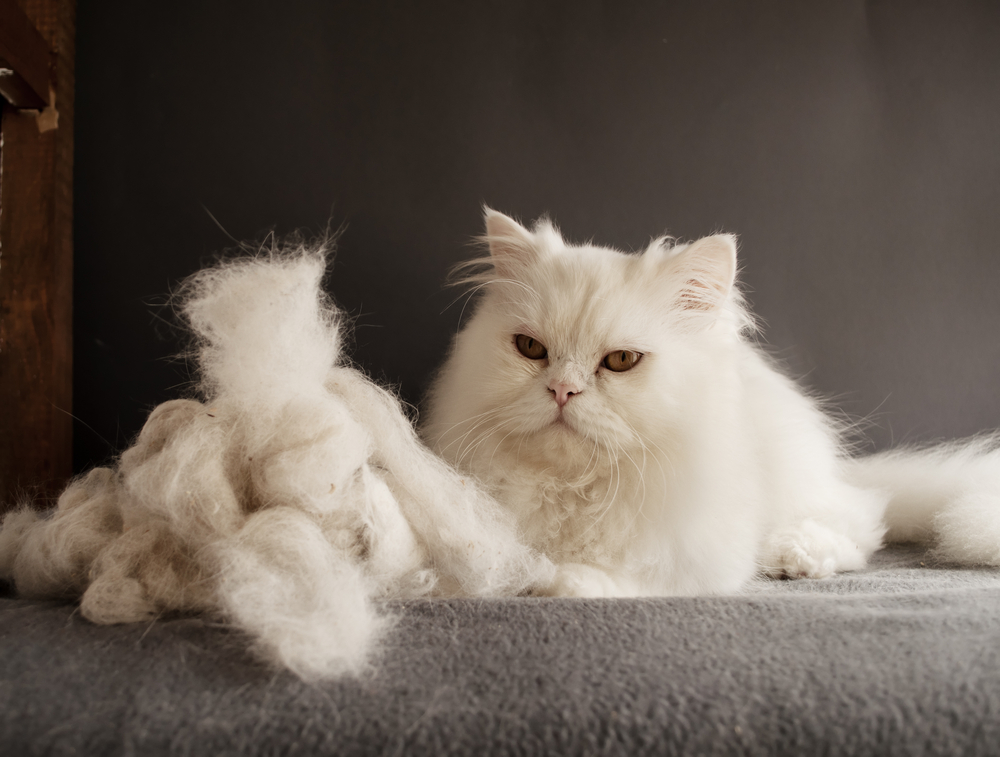
If you have had your eye on the beautiful Persian cat, you may wonder a little about the grooming. After all, one of the best qualities about this cat is their long, lustrous fur. With coats like that, they are often challenging to keep up with and manage. Persian cats shed and it is important to groom them frequently; a Persian cat with a healthy coat and no health issues usually needs a quick brushing everyday.
In this article, we are going to discuss whether a Persian sheds, how much they shed, and aspects of grooming. Then, you can decide if getting a Persian is the right move for you.

Persian Cats Shed
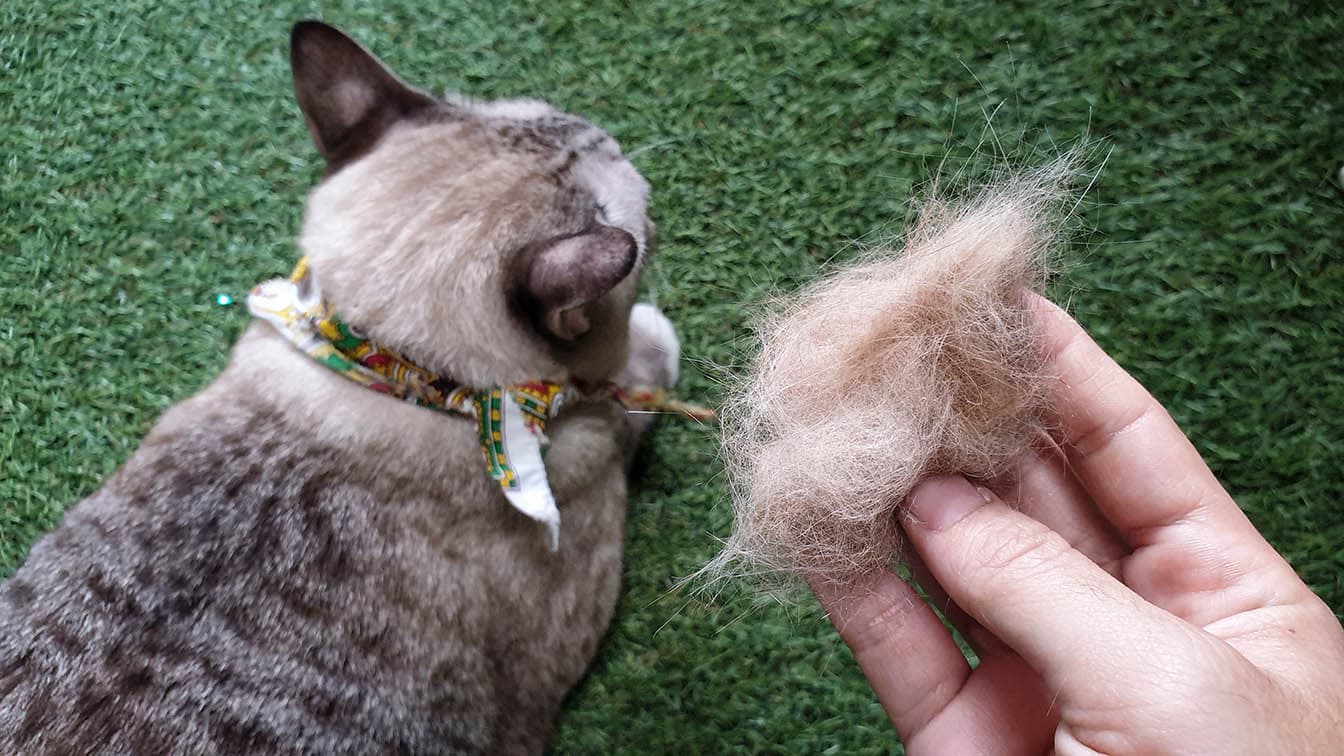
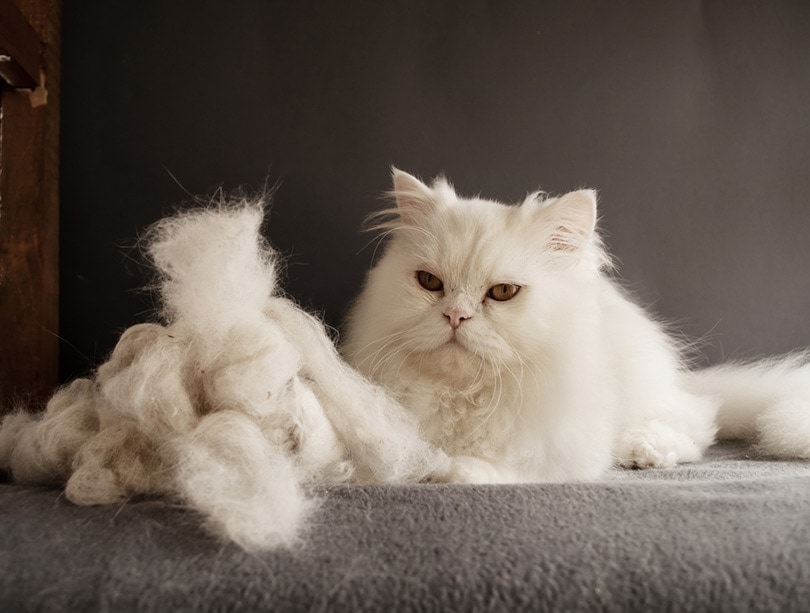
Persian cats absolutely shed. When you adopt one of these cats, you can expect to keep up with their grooming needs. A healthy Persian cat with no issues involving their fur coat typically needs a brushing everyday to keep their fur properly groomed. They may also need periodic baths spaced every 6 to 12 weeks apart, depending on your pet’s needs.
For most healthy cats, the amount of fur they shed increases during the autumn and spring. This might be a trend you notice if you stay in a temperate climate. However, if you stay in a tropical climate, your cat will shed at about the same pace all year round.
Your cat’s rate of shedding can also be affected by some systemic illnesses, skin issues, dietary issues (such as allergies), and some behavior issues.
Are Persians Hypoallergenic?
Persian cats are not hypoallergenic. In fact, their long, thick coats actually might trigger allergies more often. So, if you’re looking for an allergy-friendly breed, the Persian doesn’t fit the bill. Please keep in mind that no pet breed is truly hypoallergenic. Though low-shedding cats may be more tolerable by people who are allergic to cats, they may still trigger or exacerbate a person’s allergies.
What to Expect When Grooming Persians
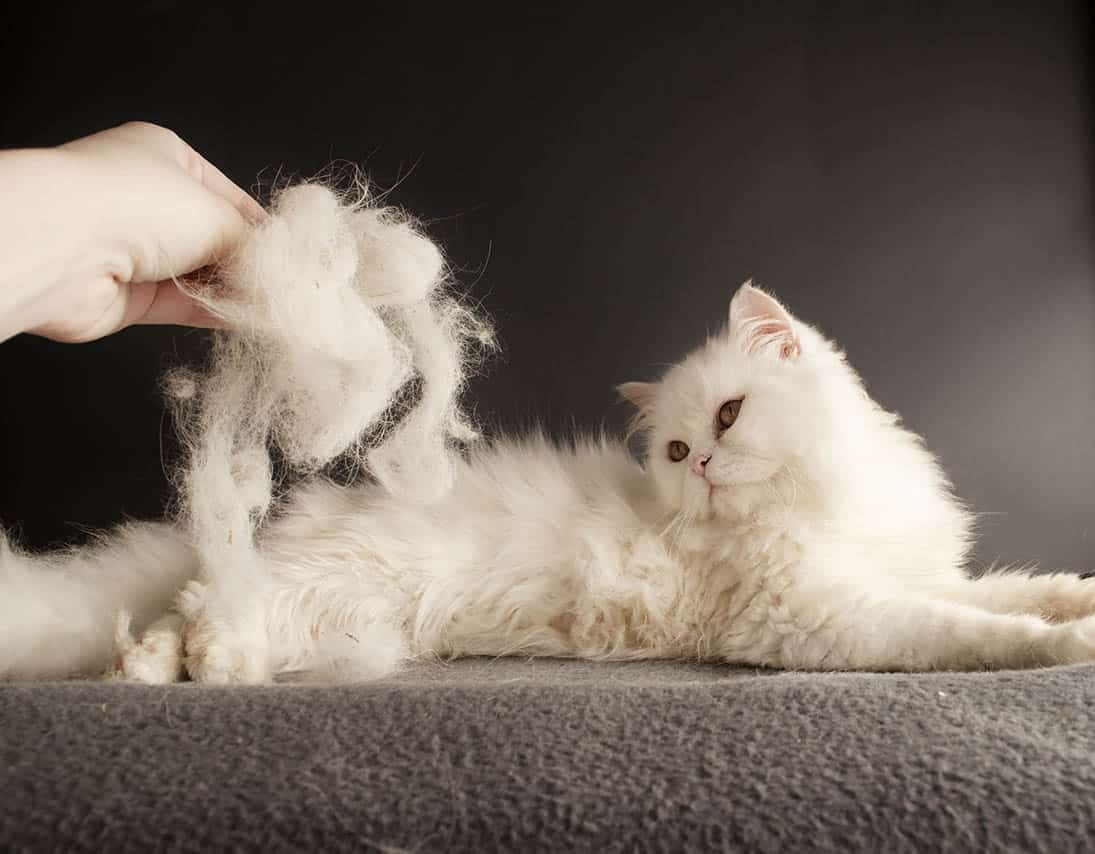
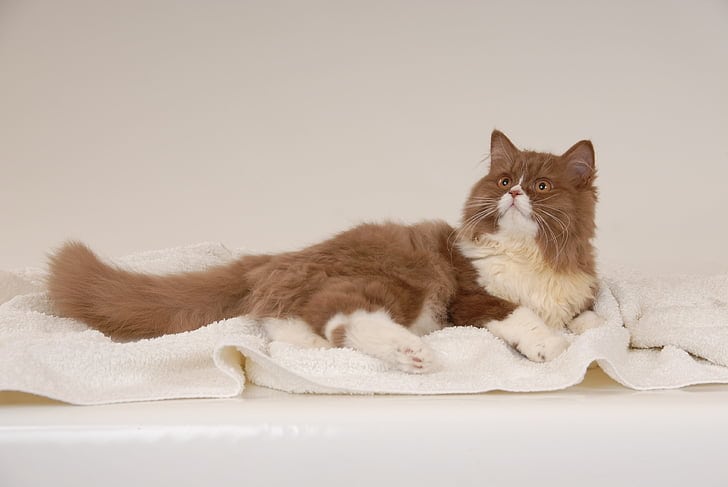
Grooming Persians can be challenging, especially for novice owners. These cats require daily care, as you have very thick double coats that mat and tangle easily. They need thorough brushing, continuous coat management, and shed collection.
Bathing
Long-haired cats such as the Persian usually need to be bathed roughly every 6 to 12 weeks. However, this is a general estimate and not a rule that’s set in stone. If your cat has a health condition, they may need more or less frequent baths. It’s strongly advised to follow a veterinarian’s lead in such a scenario.
Brushing
Get used to brushing your Persian! They have extreme grooming needs that will result in you giving them daily brushings. You might even have to brush them multiple times a day to keep up during high shed seasons. Here are some of the tools you should have on hand.

Slicker Brushes
Slicker brushes are an excellent item to have on hand to keep shedding under control. These brushes are perfect for everyday use, collecting shed and debris in the fur. All slicker brushes are easy to clean, whether they have a manual or a self-cleaning mechanism.
Bristle Brushes
Bristle brushes are terrific for coat maintenance. They smooth the coat, giving it a fresh appearance. While they can lightly remove debris and shed, these aren't the best for deeply penetrating the coat.
Deshedding Tools
Deshedding tools are very convenient to have on hand. They are designed to remove your cat’s loose undercoat. Deshedding tools are usually used during periods of heavy shedding or by groomers during a bathing session.
How to Reduce Shedding in Persians
Technically speaking, you cannot reduce healthy, normal levels of shedding in Persian cats. However, if your cat is shedding excessively, you can definitely make adjustments to ensure that they don’t shed excessively.
- Seek Veterinary Care: Before deciding to self-diagnose or self-treat your cat’s shedding, it’s very important to seek veterinary care for your pet. Many systemic illnesses can either directly or indirectly affect your cat’s coat quality.
- Consider Your Pet’s Nutrition: Many commercial diets are designed to help with your pet’s fur coat. Alternatively, pet nutritionists can also help prepare a plan for your pet with supplements added to promote a healthy coat. If your pet has a food intolerance or allergy, it can definitely impact their fur coat and lead to increased shedding. If you suspect this is the case, seek advice from a veterinarian.
- Proper Grooming: If you keep up with proper grooming practices, you should have an easier time reducing shed and keeping your Persian looking fresh.
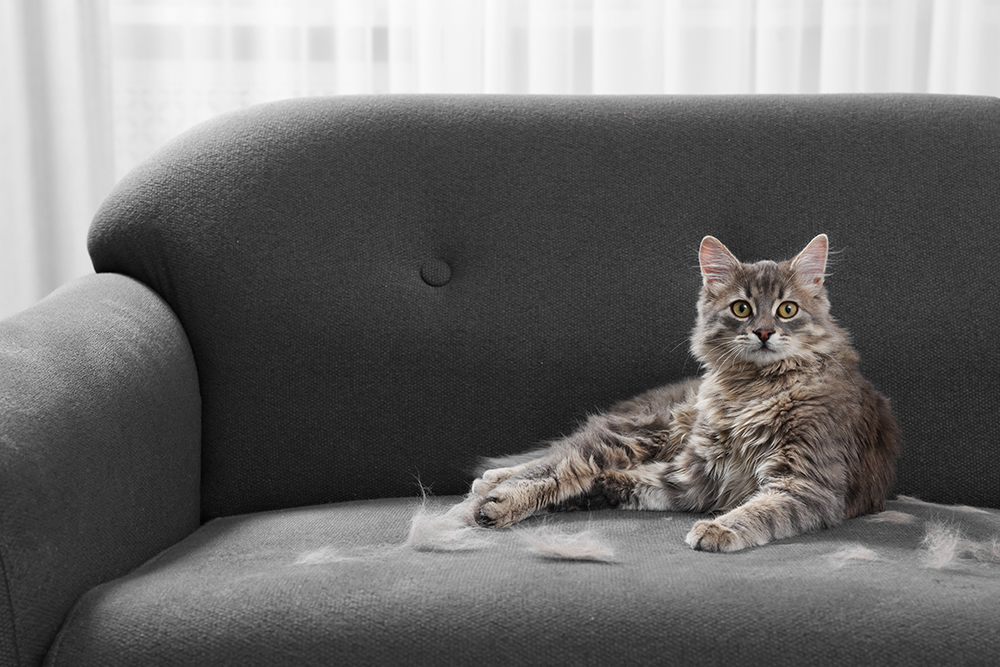
- Frequent Cleaning: If you have a Persian, it’s a good idea to run the vacuum every day. Not just on floors but on upholstery and other fabrics, too. This won’t reduce the amount of fur your pet sheds but will definitely help keep your house cleaner!

Other Information About Owning Persians
Persian cats are popular pet cats, ranking fifth in the 2023 Cat Fanciers' Association’s ranking of pet cat breeds by popularity 1.
Origin
Persian cats are believed to have come from Persia—now modern-day Iran. However, genetic evidence suggests their origin might have been in Western Europe. They are an ancient breed that has been around since at least 1620, and they were created by selective breeding programs.
Temperament
The Persian breed is known for its lovable, amiable nature. They are very agreeable in households and tend to acclimate very well to various lifestyles. Because of their docility and patience, they can be good for children and seniors alike.
Anecdotally, they tend to get along well with most other house pets, too. Proper introductions may make them best friends with the family cat or dog. They are described as placid and quiet, making them popular apartment pets.
Even though they are described as placid, they are still cats with predatory instincts. They should never be trusted with smaller pets. So, don’t let your Persian’s innocent face fool you into thinking that they want to be best friends with your pet hamster.

Health
Persian cats are not without their health issues, and unfortunately, they’re more prone to certain health conditions when compared to other cats. Examples of such diseases include:
- Cherry Eye
- Calcium oxalate urolithiasis (categorized under an umbrella term known as feline lower urinary tract disease)
- Polycystic liver disease
- Dermatophytosis (ringworm)
- Facial fold pyoderma
Persians are well known for their flat-faces; however, from a health perspective, this makes them brachycephalic. This means that the breed is prone to brachycephalic airway syndrome, which is widely accepted as a syndrome that significantly lowers their quality of life.
Ethical breeders often attempt to breed Persians with a somewhat longer and broader muzzle; such individuals are less likely to develop the complications that Persians with exceptionally flat faces are prone to.
Kittens
If you want a Persian kitten, you shouldn't have any trouble locating one. It might be a bit of a drive, but the chances of a breeder being in your area are pretty high. You might have to sign a contract or put down a deposit.
You may also be able to find Persians available at rescues and shelters, so it might be an alternative to consider.

Conclusion
Persian cats do shed. Then again, this is pretty much expected from any cat, assuming they are a breed that naturally develops a full coat. Cats with undercoats, such as the Persian, are naturally going to shed more than those with just a top coat (also known as a single coat).
However, with a bit of discipline, it’s fairly easy to stay on top of your pet’s grooming needs to ensure that their coat looks spectacular and remains healthy.
Featured Image Credit: DreamBig, Shutterstock

Expert cat care, straight to your inbox
Vet-reviewed advice, behavior tips, and the best of Catster. Free, and you can unsubscribe anytime.
By signing up, you agree to our Terms & Conditions and Privacy & Cookies Policy.
As a freelance dog writer and passionate pet enthusiast, Ashley Bates is pursuing studies in animal therapy. A mother to four human children and 23 animal companions, Ashley is dedicated to volunteering at shelters, advocating for animal rights, and rescuing animals in need. Her goal is to spread awareness, provide education, and offer entertainment about pets to reduce homelessness. Ashley's specialties include dogs and cats.
Join the conversation
Ask a question, share your story, or send private feedback.