Why Do Cats Sleep in a Ball? 3 Vet-Reviewed Reasons


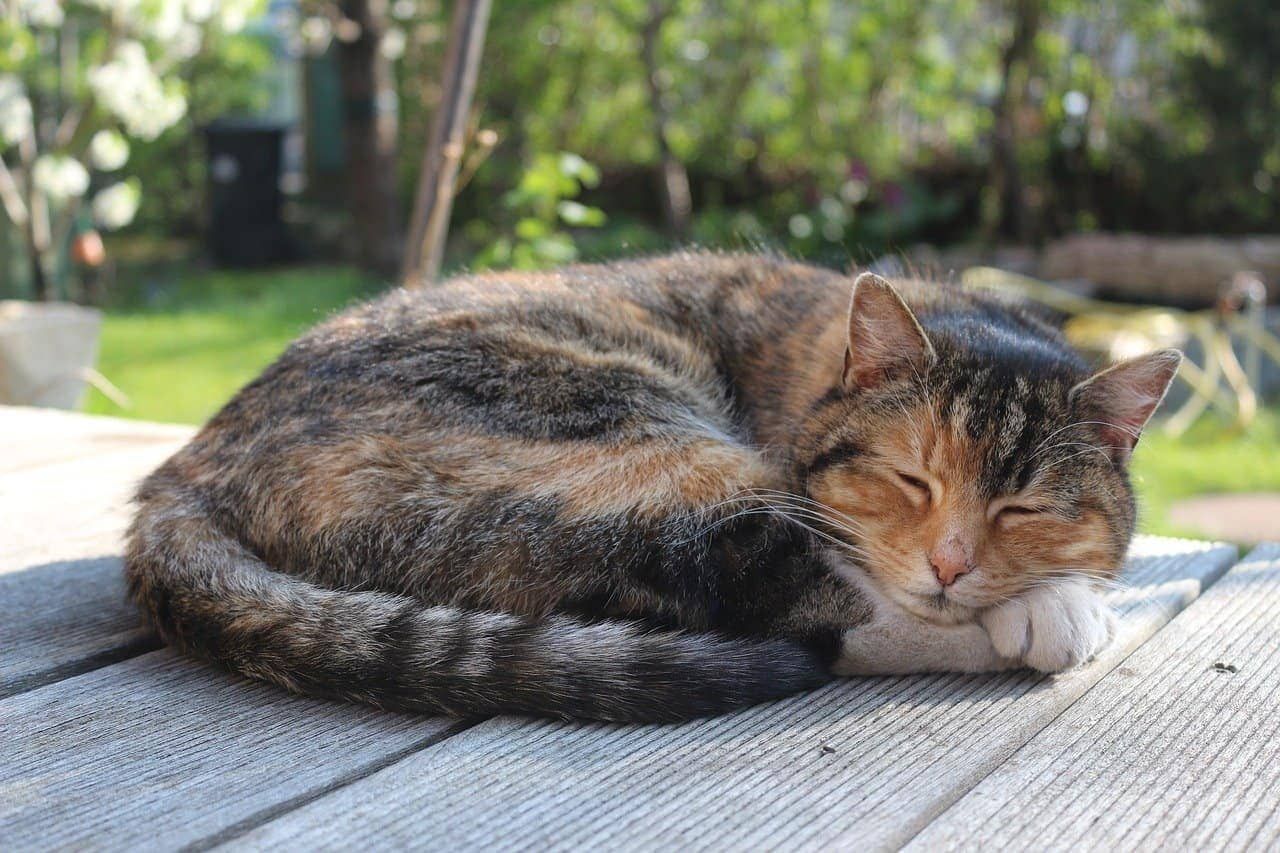
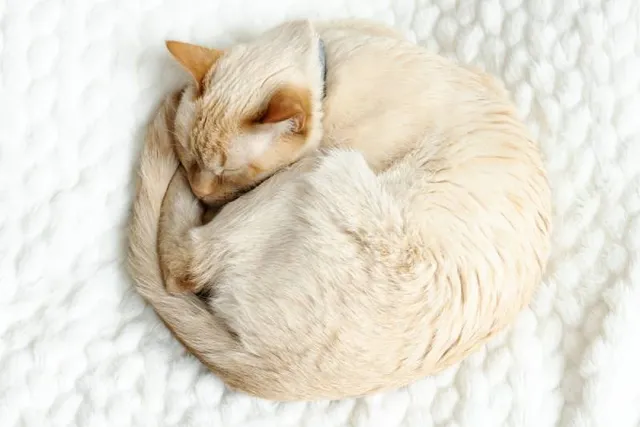
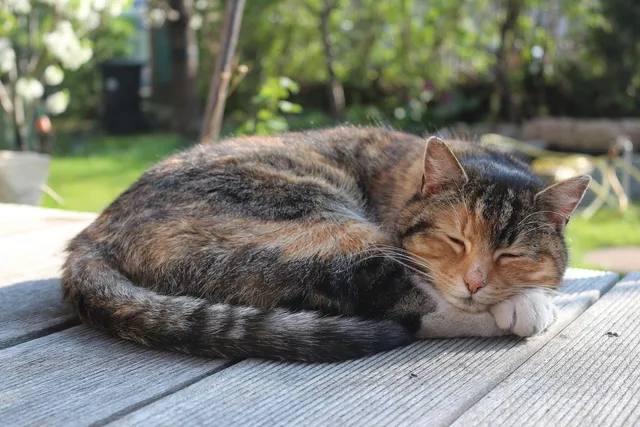
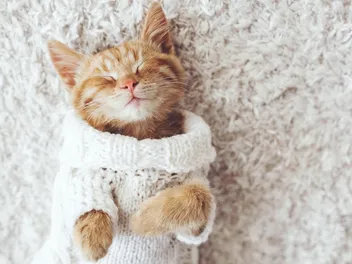
There's something delightful about watching your cat sleep while curled up into a tight fluff ball. They look so sweet and serene, and it’s amazing how their supple bodies can sleep comfortably in this position.
If you have ever wondered why your cat prefers to sleep in a ball, you will be intrigued by the reasons but also not surprised to know that they choose this position for the same reasons you choose your sleep positions.
In this article, we’ll discuss the three main reasons why you usually find your cat in a ball of fur, along with some other positions that they may prefer.

The 3 Possible Reasons Why Cats Sleep in a Ball
1. It’s Warm
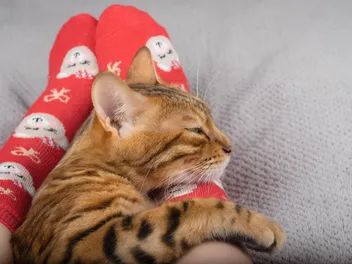
Sleep is always better when you are warm, and it’s the same for our feline friends. When cats curl up into a ball, they conserve body heat better, which means more comfort and better sleep. By reducing the surface of their body when curling into a ball, and tucking in their legs and head, their body heat is better preserved with less loss, which is especially helpful in the cold winter months. This way their internal organs are also protected, in case there would be a predator on the lurk, which is luckily not the case with our pet cats.
Cats also have a body temperature range of 101.0 to 102.5°F, which is much warmer than our average body temperature. Curling up into a ball helps them to retain that extra warmth.
Cats are not the only mammals to assume this position to keep warm; dogs do it too, and if you think of yourself on an extra chilly night, you may curl up into the fetal position to keep warm.
However, be mindful that cats may spend more time in this position if they are feeling unwell. So, if you have noticed your cat being quiet or lethargic, sleeping more than usual, or eating less, it’s important to get them checked by a vet as soon as possible.
2. It’s Safe
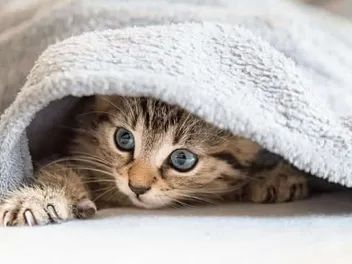
Cats are natural predators, and while sleeping allows them to relax and recharge, it also makes them vulnerable as they are not on guard and ready to defend themselves from potential threats. Sleeping in a ball allows cats to feel safe. This position allows them to protect their face and vital organs.
When you are curled up while sleeping, you feel an extra sense of security and comfort, just like when a blanket covers you, and you feel more exposed when it is removed. This small comparison can help you understand why cats and other animals may feel safer and less vulnerable when curled up in a ball.
3. It’s Comfortable
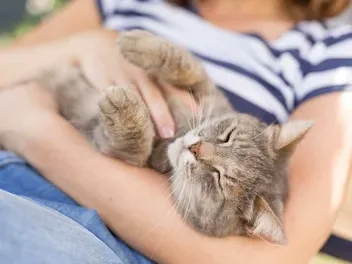
Comfort could be the reason your cat chooses to sleep in a ball. This position could be a comfy favorite, which led it to become a default position. Cats can curl up into a ball just about anywhere: on the bed, your furniture, in backpacks, and in their favorite human’s lap. It is also a practical sleeping position.
Is there anything better than a happy cat? We don’t think so—that’s where the Hepper Nest Bed comes in.

- COMFY KITTY - Your cat or kitten will have an amazingly deep sleep in this self warming, nesting cat bed. The warm, fluffy cat bed lining provides calming stress relief for cats of all ages.
- PRETTY HOME - This round cat bed has a modern and unique design that’s perfect for a sleek indoor look. We don’t think of it as cat furniture but think of the Cat Nest as a “cat home”.
- SPACE SAVER - Reclaim your desk, window sill, or couch from kitten encroachment. This calming nest cat bed has an elevated, space-saving hideout so comfortable your kitty can't resist!
This product was designed with both your and your kitty's happiness in mind. While the comfortable bowl shape and wide lip to rest their heads on are ideal for sleepy kitties, you’ll appreciate the removable and machine-washable fleece liner for easy cleaning. It doesn’t get any better than this! Click here to try it out.
At Catster, we’ve admired Hepper for many years and decided to take a controlling ownership interest so that we could benefit from the outstanding designs of this cool cat company!

Other Sleeping Positions
Although a curled-up ball is a favorite sleeping position among cats, there are other positions where you can find your cat catching some Z’s. Most sleeping postures put cats in a more vulnerable position.

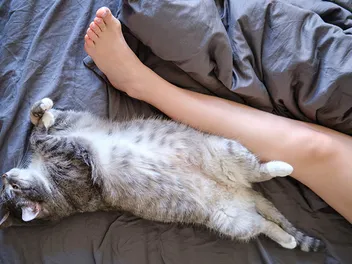
Belly Up
Belly up, or on their backs, is the cutest but most vulnerable position for a cat to be sleeping in. This position leaves their bellies fully exposed while their legs are stretched out in front and below their bodies. You will not often see a cat in this position, but if you do, it means they feel confident and very safe. While giving your cat a little rub on their exposed belly is tempting, it’s best not to interrupt their rest.
The Superman
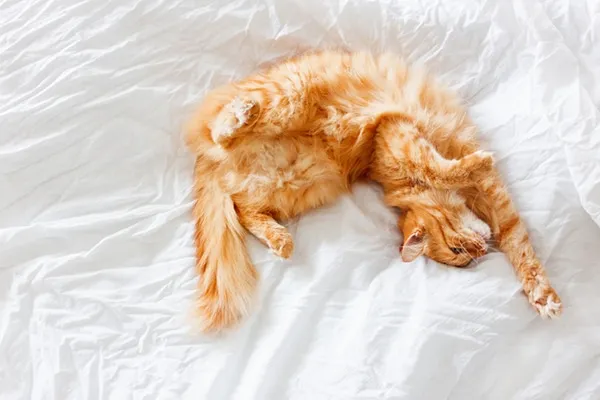
The Superman position is self-explanatory, except that your cat in this position is on a surface and not in midair. If your cat is sleeping in a Superman position, you will find them face down, on their belly, with their front and back legs stretched out. This position allows cats to feel comfortable while protecting their bellies, and if they assume this position on a fleece blanket, it can help them stay cozy and warm.
On the contrary, if the air temperature is warm, this position allows them to expose their bellies to a cold surface to help cool them down.
The Loaf Shape
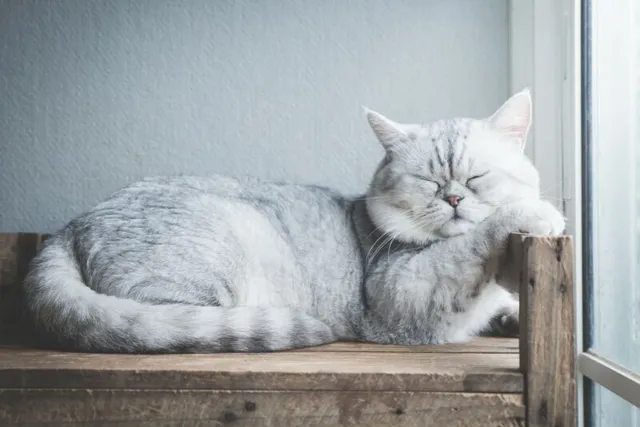
The loaf-shaped sleeping position resembles a loaf of bread, just as its name suggests. Their paws are curled under their body, and their head remains upright. It is a warm, comfortable, and relaxed position that allows them to pounce into action if necessary.
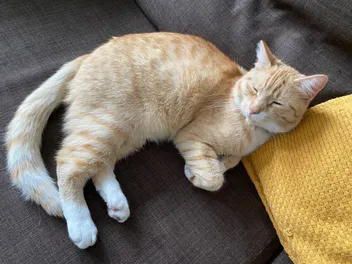
On Their Side
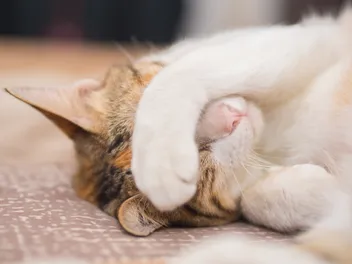
You will find your cat on their side when they feel safe around you. They will lie on their sides with their legs stretched out, which exposes their bellies. This position makes it easier for them to jump and run, which makes them feel more prepared while sleeping and therefore helps them get a restful sleep. Most cats that sleep on their side already have the needed warmth and find this position more comfortable.
Conclusion
You will usually find cats curled up in a ball while sleeping because, other than the fact that it is comfortable, it also provides warmth and safety. Once they are curled up, they can sleep comfortably and deeply, knowing that they are secure and warm. Sleeping in a ball is a favorite feline position, and although you may find your cat in a few other postures, a curled-up ball is quite common amongst felines.
If you experience your cat sleeping belly up, you will be happy to know that they feel safe and secure enough to sleep in such a vulnerable position, but don’t think that means you can avoid a mild hand attack if you go in for some belly rubs!
Featured Image Credit: hapibu, Pixabay
Expert cat care, straight to your inbox
News, insights, and useful advice, delivered to you.

No spam — unsubscribe anytime.
By signing up, you agree to our Terms & Conditions and Privacy & Cookies Policy.
How useful was this post?
Click a star to rate. You can leave written feedback afterwards. (We read all feedback.)
Christian started writing for a local newspaper as a teenager, and he's been involved in the publishing industry for most of his adult life. Combining his love of writing with a passion for animals, he is currently the Director of Editorial at Pangolia and the Editor-in-Chief at Catster.
Christian lives in the Philippines with his wife, son, and four rescue cats: Trixie, Chloe, Sparky, and Chopper.