Why Is My Kitten Sneezing? 5 Vet Approved Reasons

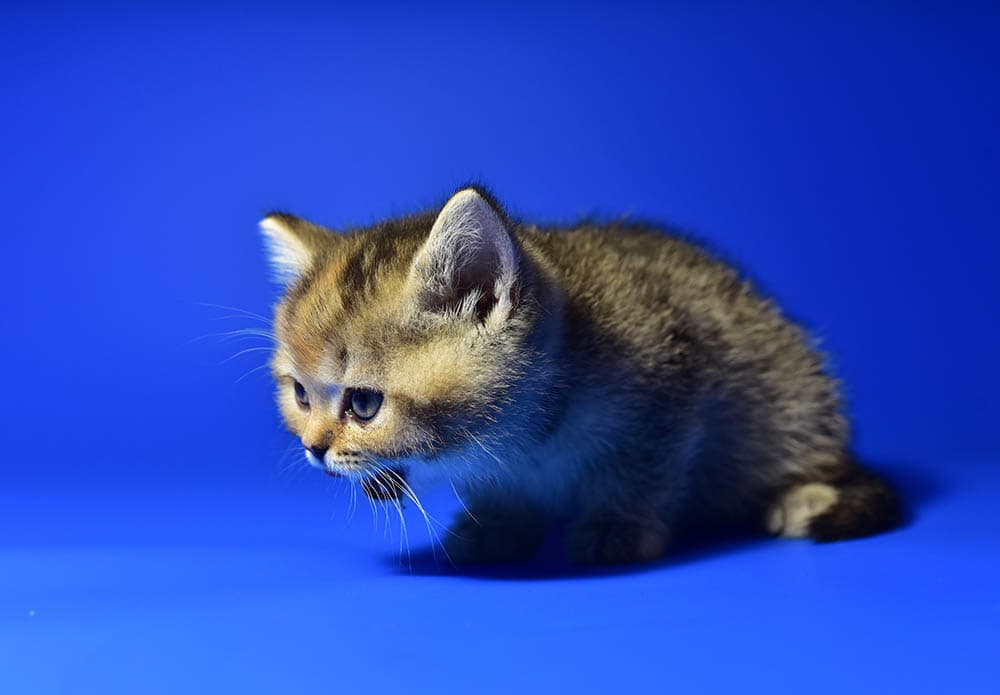
Kittens are some of the most adorable creatures on earth. They often weigh just a few ounces at birth and quickly grow into sweet bundles of feline perfection. But kittens, just like human babies, sometimes sneeze, refuse to eat, and feel less than wonderful.
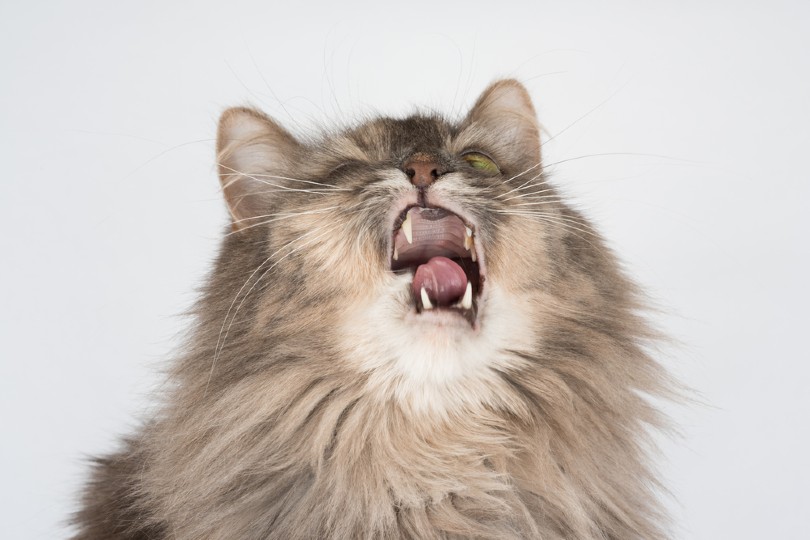
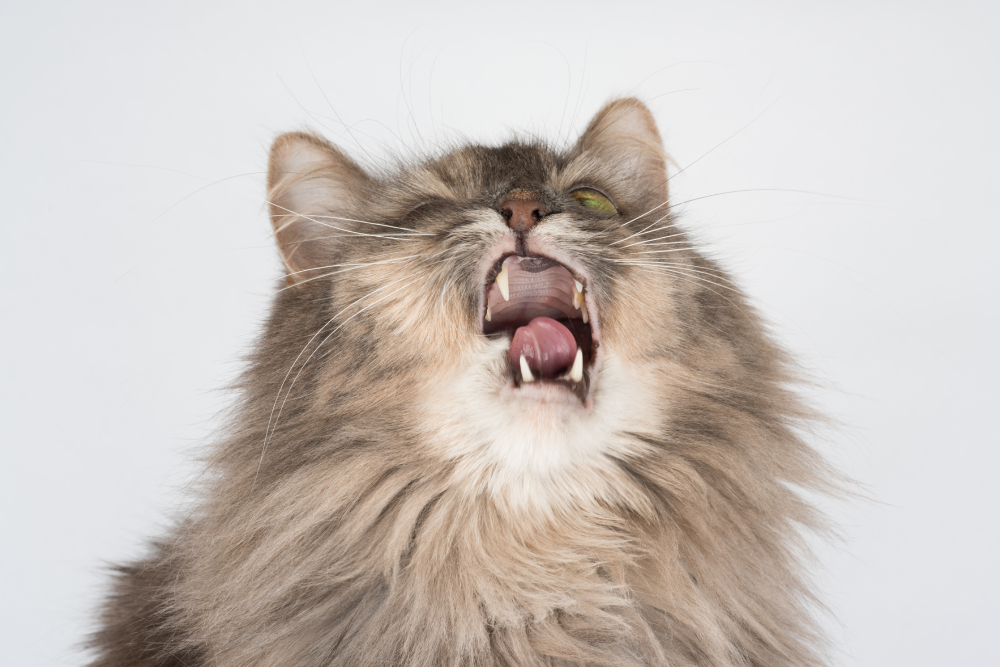
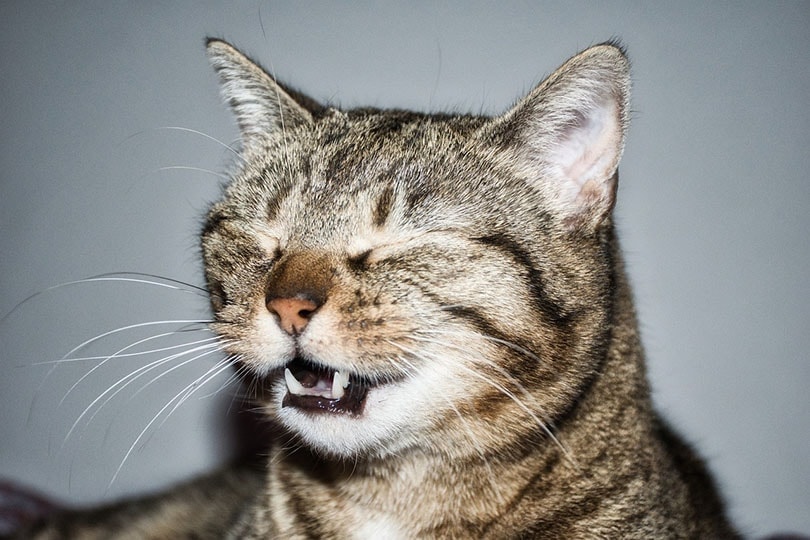
Sneezing in kittens is often normal, particularly if it only happens occasionally. Tiny cats sometimes sneeze after getting a whiff of something irritating like perfume or cigarette smoke. But if your kitten sneezes frequently, it’s probably a good idea to investigate it further since it could indicate that your buddy needs help. Below you’ll find five common reasons why kittens sneeze and a few suggestions for handling the situation.

The 5 Vet-Approved Reasons Why Your Kitten Is Sneezing
1. Environmental Sensitivities
Kittens often sneeze because of environmental triggers such as pollen, mites, dust, and even strong scents such as cigarette smoke and perfume. Most of the time, reactions to these triggers in kittens aren’t full-blown immune system events that often result in itchy skin and other systemic reactions. They’re sensitivities that can be managed with a few simple steps, such as increased vacuuming or litter box cleaning to eliminate whatever is making your kitten sneeze.
Regularly vacuum the areas in your home where your kitten spends the most time to remove dust, mites, and other potential triggers. Avoid washing your pet’s bedding or things they frequently encounter using scented laundry detergent. Kittens usually stop sneezing once the trigger is removed.

2. Sniffed Foreign Objects
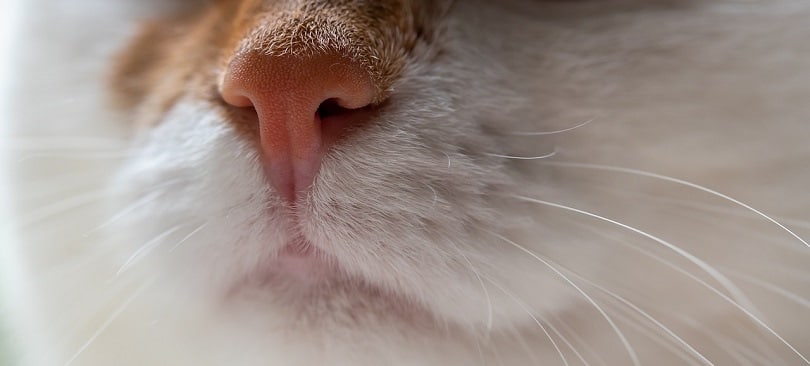
Cats and kittens sometimes end up with objects stuck up their noses after going in for a good sniff to learn more about an item. Grass and bits of plants are common culprits. Kittens with things stuck in their noses often shake their heads, paw at their faces, sneeze, and drool in attempts to remove the offending object.
If the foreign object isn’t promptly taken care of, cats often develop irritated and inflamed sinuses, which can create ideal conditions for the development of secondary bacterial infections that often require antibiotics to get rid of. Reach out to your veterinarian for advice if you suspect your cat has something stuck in their nose.
3. Upper Respiratory Infections
Kittens often sneeze when suffering from upper respiratory infections such as feline viral rhinotracheitis (FVR) and feline calicivirus (FCV), which can cause cats to sneeze and have stuffy noses. Both viruses are common and easy for cats to catch in shelters and boarding facilities.
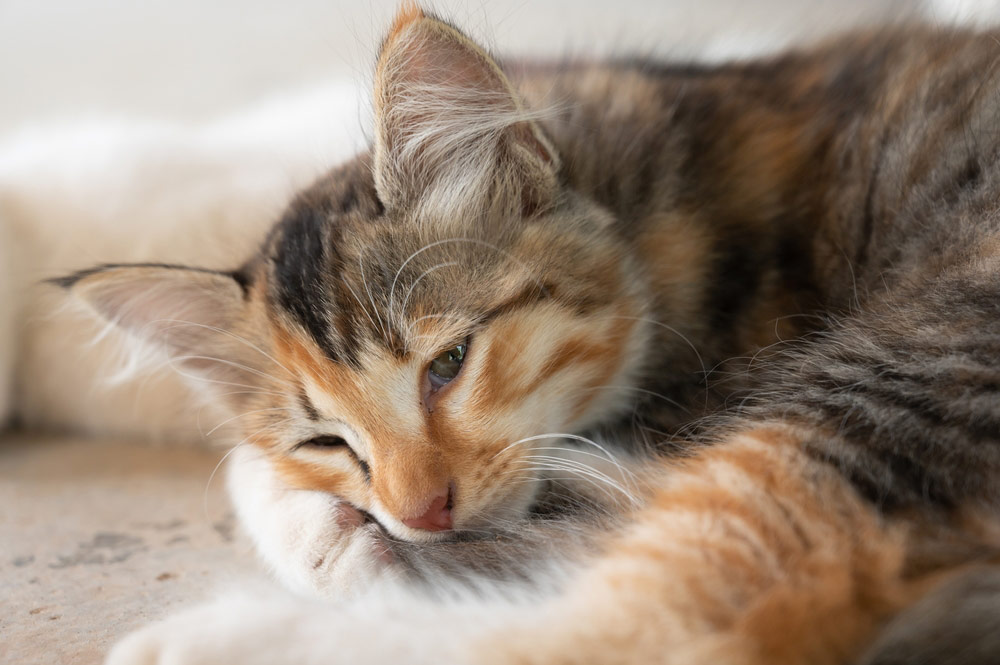
Kittens with upper respiratory infections often have decreased appetites, as they frequently have trouble smelling food. Conjunctivitis often accompanies these sorts of infections.
There’s no cure for either of these common viruses, but there are vaccinations for both, which can reduce the likelihood of transmission. Vaccinated cats that end up with one of the viruses often have milder signs. Kittens can be inoculated when they reach 6 to 8 weeks old. Speak with your veterinarian for guidance regarding the best time to vaccinate your kitten.

4. Dental Issues
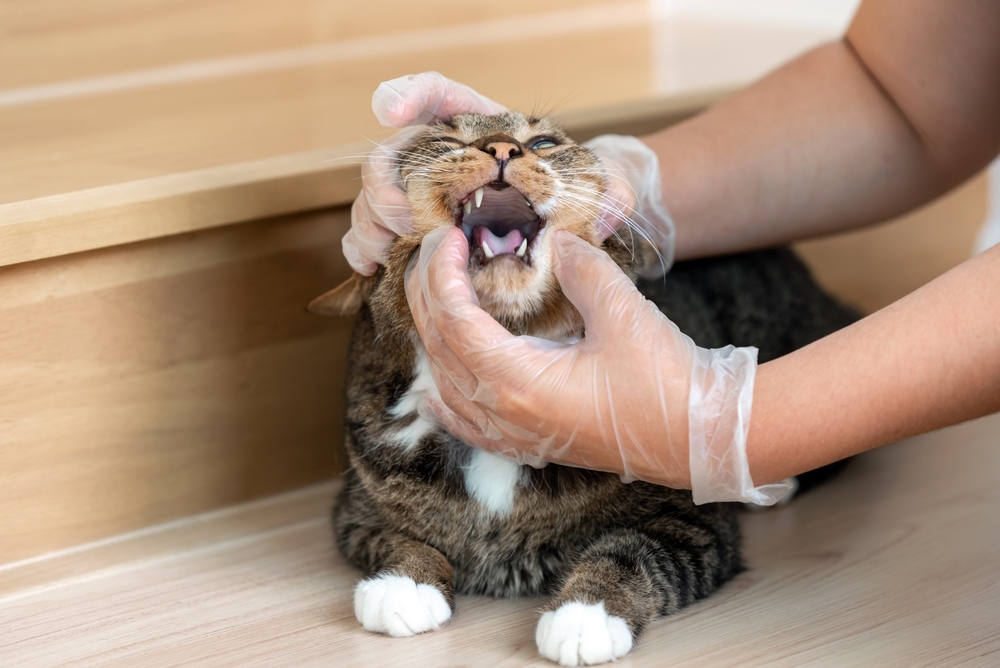
Dental problems can cause some kittens to sneeze, mostly because cats’ oral and nasal cavities sit close together. Kittens, just like humans, are born without teeth. Feline baby teeth appear when kittens are around 2 or 3 weeks old. Their adult teeth are generally in place when cats reach between 6 and 8 months of age.
While the teething process usually goes smoothly, cats sometimes have retained baby teeth that don’t fall out as their adult teeth grow in, leading to dental infections. Make an appointment with your veterinarian if you suspect your kitty isn’t teething properly. Early treatment of retained teeth can prevent the development of severe conditions related to the difficulties associated with keeping crowded teeth plaque and tartar-free. Dental issues are seen more often in adult cats than in kittens.
5. Vaccinations
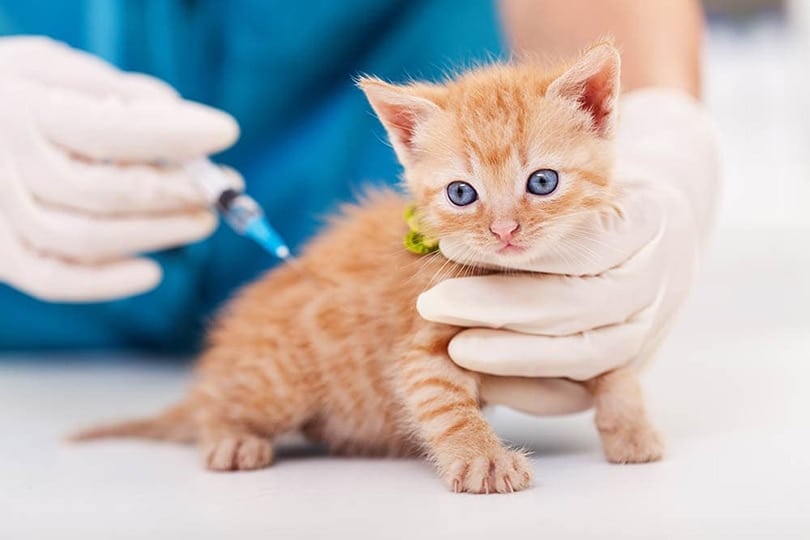
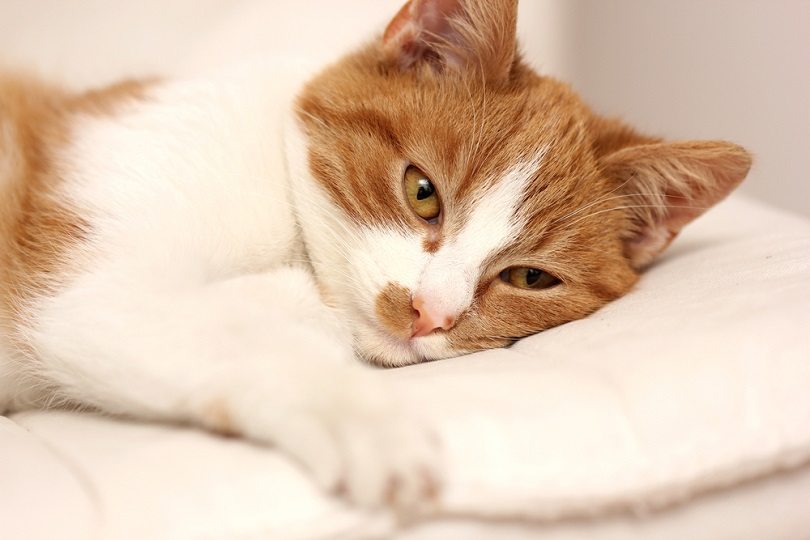
If your kitten just came home from the veterinarian after being immunized and suddenly started sneezing, they may be reacting to the vaccination. It’s relatively common for kittens to sneeze and appear under the weather after being vaccinated, as immunizations stimulate the immune system and can cause minor reactions in some pets.
Nasal vaccines often cause cats to sneeze. Reach out to your veterinarian immediately if your kitten develops itchy skin, diarrhea that won’t go away, or facial swelling, as these signs may indicate your kitten is having an adverse reaction to something. Your veterinarian can provide specific information about vaccinations and any potential side effects to look out for.

Conclusion
Kittens sneeze for all sorts of reasons, but it’s usually nothing to be worried about as long as it only happens once or twice. They often sneeze when exposed to irritating smells such as smoke or strong perfume. Most stop sneezing when the trigger is removed. Kittens can also suddenly sneeze after being vaccinated or if they have something stuck up their nose.
Because baby cats are so vulnerable and many conditions can cause sneezing, consider contacting your veterinarian for guidance if your kitten starts avoiding food or becomes lethargic.
Sources
Featured Image Credit: Gaby Vieira, Shutterstock

Expert cat care, straight to your inbox
Vet-reviewed advice, behavior tips, and the best of Catster. Free, and you can unsubscribe anytime.
By signing up, you agree to our Terms & Conditions and Privacy & Cookies Policy.
Lorre Luther is a writer who is firmly convinced that cats are smarter than humans. She left her law career in the United States and moved to the Netherlands to follow her dream of becoming a writer. Lorre currently lives in Rotterdam, she enjoys traveling and greatly appreciates the beauty of nature. Lorre has a spot for animals and admires the intelligence of cats.
Join the conversation
Ask a question, share your story, or send private feedback.