14 Common Smells That Cats Hate (Vet-Verified!)


In this article
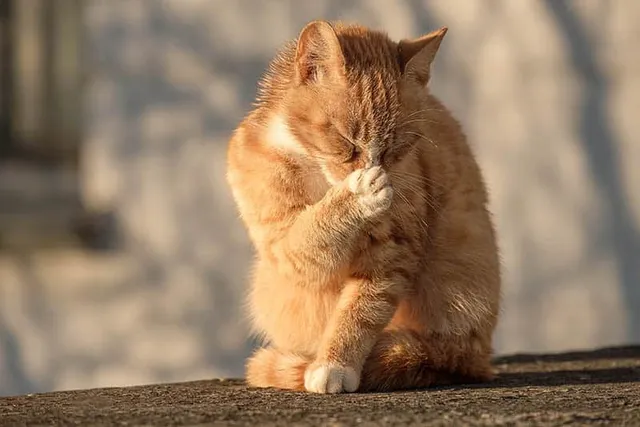
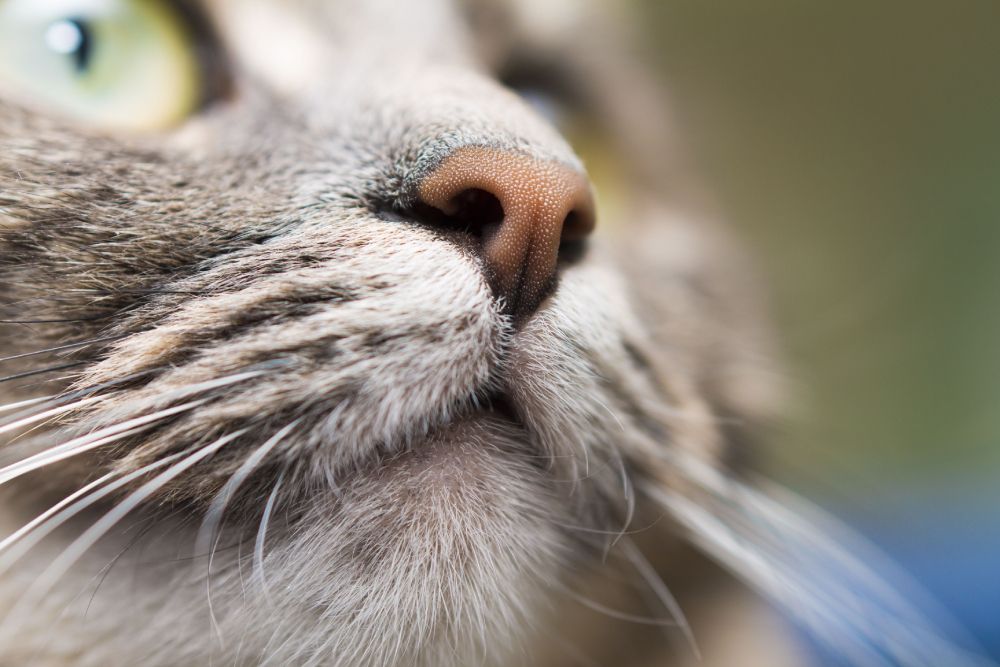
A cat’s amazing sense of smell is 14 times more powerful than ours, enabling them to detect even faint aromas most humans would miss. However, a cat’s keen sense of smell works both ways, and many odors bother them to the extreme. Knowing these aromas can serve two purposes: It can help you eliminate odors your cat finds offensive and keep your cat away from things they shouldn’t go near, like spots you don't want them going to the bathroom. We compiled a list of 14 smells that most cats hate, along with safety considerations and advice on using some of them to your advantage.

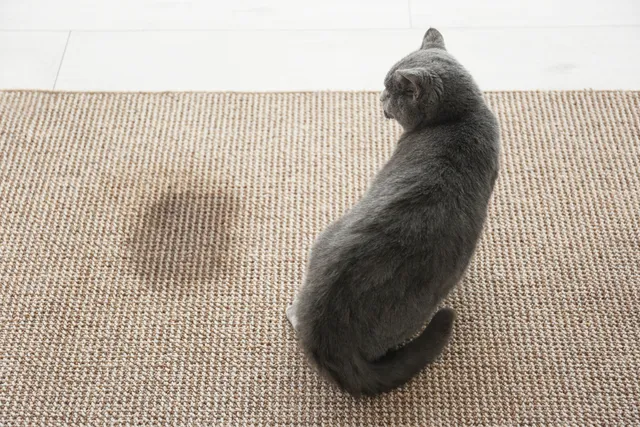
Tips For Deterring Cats From Peeing
While many natural scents may deter cats from entering certain areas in your home, they are not potent enough to remove or mask lingering odors that may be left behind after an accident. If that's the purpose of your search, you may need to find alternative methods. Thorough and effective cleaning will ensure that all urine odors and stains are removed not only to our noses but to those of our ultra-sensitive kitties. Finding the right products to clean messes after they happen will be a game-changer when it comes to keeping your home smelling fresh.
Our Favorite Enzyme Cleaner
The Hepper Advanced Bio-Enzyme Pet Stain & Odor Eliminator Spray is our favorite all-purpose enzyme cleaner. It kills harmful bacteria and permanently removes even the worst kitty stains and smells, leaving your home fresh and clean! Click here to learn more about this amazing product and get yourself a bottle.
| Rating | Image | Product | Details | |
|---|---|---|---|---|
Best Enzyme Spray
 |

|
Hepper Advanced Bio-Enzyme Pet Stain & Odor Eliminator Spray |
|
Check Price |
At Catster, we’ve admired Hepper for many years and decided to take a controlling ownership interest so that we could benefit from the outstanding products of this cool cat company!

The 14 Smells That Cats Hate
1. Most Kinds of Citrus Fruit

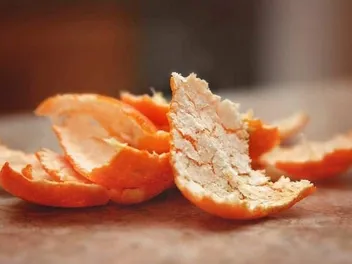
One of the smells that cats hate comes from citrus fruits, including lemons, limes, oranges, grapefruits, and others. This is likely due to the fact that citrus is toxic to felines. Over the millennia, cats’ innate senses have empowered them to avoid citrus due to this toxicity.
Similarly, essential oils made from citrus, especially lemon, are among the smells that felines hate the most. However, since citrus is toxic to cats, using pure essential oils to deter them is not a good idea. It’s better to use a mixture of boiled citrus peels in a 1-pint spray bottle of water.
2. Lavender
Another smell that cats hate is lavender. Like citrus, essential oils from lavender are the enemy of every cat’s nose and the 200 million olfactory cells inside. It's also important to note that lavender is toxic to cats, including lavender plants. The reason is that cats can't metabolize linalool and linalyl acetate, two chemicals in lavender.
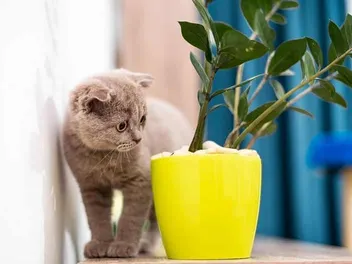
However, lavender essential oil is much more toxic than lavender plants because it’s concentrated, so using it as a deterrent isn’t recommended. Instead, you can place lavender plants in pots wherever you want your cats to stay away, but monitor them to be sure they aren’t eating any.
3. Thyme
Thyme is a culinary herb that's incredibly popular in the United States. For most cats, the smell of thyme is overpowering and doesn’t remind them of food in any way. You'll be glad to know that thyme isn’t toxic to cats, and you can place plants around your home or fill satchels with thyme and hang them where you want to keep your cat away.
4. Pine and Cedar

Another smell that's very popular with humans but unpleasant for cats is the smell of pine and cedar. Most cats find both to be overpowering, and they also dislike the texture they leave behind. One thing to be cautious about, however, is that the ASPCA has listed pine and cedar as being toxic to cats.
If you have a problem with stray cats in your yard, planting pine and cedar trees or hedges around your property is an excellent deterrent. You can also place piles of pine or cedar needles, cones, or wood chips wherever cats enter your yard to keep them out. They will avoid the pine and cedar needles or cones because of the smell and because they’re uncomfortable to walk on.
5. Rosemary
You can find rosemary in several culinary dishes, and it’s also in popular essential oils. While cats hate it, one of the good things about the herb is that it's not toxic to felines. However, experts recommend not using essential oils of any kind around cats because of their intense concentration and the fact that they can burn the sensitive mucous membranes around your cat’s eyes, nose, and nostrils. To use rosemary as a cat deterrent, simply plant the easy-to-grow herb around your garden, or place potted rosemary plants around your home.
6. Peppermint
Peppermint is one of the easiest herbs to grow in a home garden. There are other kinds of mint besides peppermint that cats also hate, including spearmint, pennyroyal, apple mint, water mint, and several others. Peppermint and other types of mint are toxic to cats, and it’s better to put mint plants in pots around your home and avoid using essential oils.
7. White Vinegar

If you're trying to mask the aroma of food so your cats don't, for example, raid your pantry, white distilled vinegar is perfect. White vinegar will completely overwhelm your cat’s sense of smell, which makes it incredibly difficult for them to sense any others. One interesting fact you should note is that apple cider vinegar doesn't repel cats nearly as well.
To use white vinegar as a cat repellent, mix a one-to-one ratio with water, and put it in a plastic spray bottle. Wherever you want your cats to stay away, spray the solution. Be careful never to spray the solution directly into your cat since the acid in the vinegar can cause irritations, leading to pain and discomfort.
8. Eucalyptus
Eucalyptus plants are incredibly aromatic and attractive to humans, but cats hate them. The smell is too pungent for cats and thus is a great deterrent. One problem with eucalyptus, however, is that while it can help a respiratory issue that you might have, eucalyptus is toxic to felines. That's why you should never attempt to use eucalyptus oil with an inhaler to help a cat with a respiratory issue.
9. Chili Powder
You might not be surprised to learn that chili powder is an irritant that can cause significant stress to your cat and greatly irritate their eyes and nose. Licking chili powder can also cause an unpleasant burning sensation in your cat’s mouth. It can make your pet sick if they eat enough due to the capsaicin and solanine compounds found in it. Veterinarians recommend against using chili powder as a cat repellent for these reasons.
10. Mothballs

Although mothballs have been around for several decades, they’ve fallen out of favor with most people. There are much better ways to prevent moths and other insects from destroying clothing. Yes, cats hate the smell of mothballs, but they are also highly toxic and for that reason, shouldn't be used as a cat repellent. In some places, using mothballs as an animal repellent is illegal.
11. Bananas
Cats don't particularly hate bananas, but they hate the smell of banana peels. Why? The peels emit a chemical called ethene that cats find repulsive. Interestingly, ethene is only emitted when a banana is ripening, and they aren't the only fruits that produce it. Tomatoes, plums, apricots, apples, mangoes, and several others also emit ethene.
As a cat repellent, you only need to leave banana peels out after you've taken them off of your bananas. Your cats will avoid them, at least until they’ve completely decomposed (and you should toss them before they get to that point, to avoid risks of mold and pests).
12. Ammonia
Ammonia is what makes cat urine so pungent. Since cats are genuinely hygienic animals, they don't like being exposed to urine and its ammonia odor. Also, the odor of pure ammonia is incredibly potent and irritating to a cat. That's why using ammonia as a cat deterrent is not a good idea because it's unhealthy for them and doesn’t eliminate their urine’s odor if you're using it for that purpose.
13. Coffee Grounds

Did you know that caffeine is toxic for cats? The good news is that since they won't eat it, using safely sourced coffee grounds to keep cats out of your garden or off countertops works quite well. You can sprinkle the grounds around your garden or put some in a small dish and place it wherever you want your cats to avoid.
14. Onions
Slicing an onion can cause irritation due to a natural chemical called syn-Propanethial-S-oxide. This chemical causes the same reaction in cats, especially if they bite an onion. Most cats, however, will never do that, thanks to their dislike of onions. Since onions and garlic are so dangerous to cats, they should never be used as deterrents.

Smells That Cats Love
While there are certainly a lot of smells that cats are not fans of, there are also plenty that they love. Most cats will react very positively to the smell of catnip, for example, and it can stimulate playful or relaxed behavior. There are also various herbs that cats seem to be drawn to, and they particularly love the scent of their human as it brings feelings of comfort and security. Below is a list of some smells that cats enjoy:
- Catnip
- Valerian Root
- Olive
- Cat Thyme
- Flowers
- Some fruits (not citrus)
- Basil
- Their Human
However, if you want to deter a cat from peeing where they shouldn't, cleaning agents designed for lifting pesky pet odors are your best bet.

- ADVANCED ENZYMATIC CLEANER - Penetrates the most stubborn smells and stains at the deepest molecular levels to dissolve any pet mess you encounter and lift it away at the source.
- FOR ANY MESS, ON ANY SURFACE - This pet odor eliminator cleans your carpets, floors, furniture, fabrics, and more. Whether it's urine, feces, vomit, or drool, you can erase all foul spots and smells!
- FRESH, NATURAL ODOR - Our unique formulation doesn't rely on dangerous or unpleasant chemical fragrances to get the job done. We eradicate smells and stains, not just cover them up.
At Catster, we’ve admired Hepper for many years and decided to take a controlling ownership interest so that we could benefit from the outstanding products of this cool cat company!
Final Thoughts
When you consider that cats have a more enhanced sense of smell than humans, it's not surprising that they don't like strong odors. Ammonia isn't much of a surprise because it’s so powerful, including to humans. However, smells like citrus, eucalyptus, pine, and even coffee grounds are repulsive and toxic to cats, even though they’re harmless to us. If you want to use one of these odors to repel cats from your yard, using a plant or herb is safer than essential oils.
- Looking for a solution? Best Cat Repellents, Sprays & Deterrents - Catster's Reviews & Top Picks
Featured Image Credit: Photographerivanova, Shutterstock
Expert cat care, straight to your inbox
News, insights, and useful advice, delivered to you.

No spam — unsubscribe anytime.
By signing up, you agree to our Terms & Conditions and Privacy & Cookies Policy.
How useful was this post?
Click a star to rate. You can leave written feedback afterwards. (We read all feedback.)
Gregory Iacono former chiropractor and self-taught writer. Greg has experience in a wide variety of subjects including video script. As a man of clinical experience, Greg has the ability to digest a complex subject and make it accessible to the reader. Greg enjoys traveling and spending time with his two daughters and son.