Get

In Your Inbox

Catster is reader-supported. When you buy via links on our site, we may earn an affiliate commission at no cost to you. Learn more.

Can Cats Eat Onions? Vet-Reviewed Risks & Dangers

Share

Can Cats Eat Onions

Any cat owner knows that our felines don’t always make the best choices about what they put in their mouth. Even the pickiest eaters will delight in snacking on your houseplants. So, if your kitty decides to eat either an onion or a dish that has onions in it, you may ask: Can cats eat onions? The answer is simple: no, never.

Your cats should stay away from onions at all costs, and that includes raw, cooked, and powdered forms of this potent veggie. But what makes onion so dangerous for your kitty? Let’s explain.

divider 2 catsHow Dangerous Are Onions for Cats?

Onions have the component oxidant n-propyl disulfide in them. Even eating the smallest amount of onion requires veterinary attention. Onions can make your cat extremely sick and even prove fatal if they aren’t treated immediately.

Your cat can suffer from onion toxicity because these plants cause red blood cells in your cat’s body to weaken and be destroyed. Red blood cells are responsible for carrying oxygen from the lungs all over your cat’s body, as well as carrying carbon dioxide away from your cat’s body back to their lungs. Weakened and non-functional red blood cells essentially deprive a cat of oxygen. It goes without saying that such a state is very detrimental for a cat. A state of low red blood cells is known as anemia. Though there are many types of anemia, they all are extremely detrimental to almost all domestic pets, including dogs and cats.

Unlike humans, their bodies just aren’t made with the correct elements to digest onions. Cats are even more sensitive than dogs to the effects of onions.

onion bulb-pixabay
Image Credit: mattycoulton, Pixabay

Can Cats Eat Garlic, Chives, or Leeks?

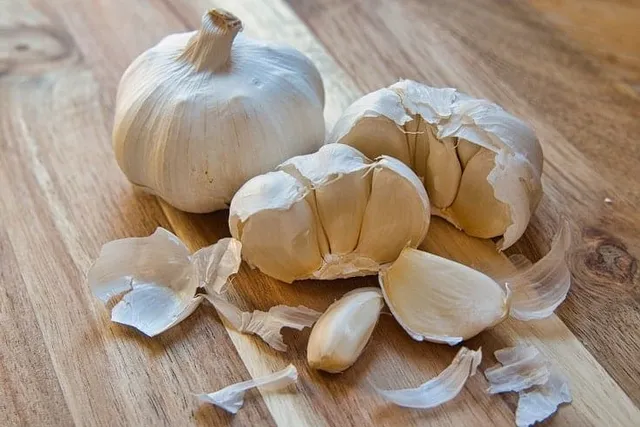
Garlic, onion, leeks, shallots, and chives are in the Allium genus. All allium plants contain the same harmful components that onions do, with garlic being at the top of the scale. Potency does play a factor, but any exposure to allium plants is unsafe.

Because the signs might not appear for up to 5 days after consumption, it’s crucial to know what to look for.

Signs of Onion Toxicity

If your cat has eaten part of an onion or eaten any food containing onion, you need to get them to your vet immediately. However, if you’re unaware it happened but notice the following signs, know that medical attention is imminent.

Signs of onion toxicity are:
  • Lethargy
  • Weakness
  • Salivation
  • Pale gums
  • Vomiting
  • Diarrhea
  • Lack of coordination
  • Decreased appetite
  • Blood in the urine
  • Yellow mucous membranes

If you notice any of these signs, don’t wait. Something may be seriously wrong with your kitty and they need you to be proactive.

Diagnosis and Treatment

When you take your cat to see their vet after eating onions, they will do an immediate evaluation of the situation with all the necessary tests. Depending on the severity or amount, your vet may prescribe fluid therapy, administer charcoal treatments, or do blood testing.

The prognosis for minor episodes of onion ingestion is good if the amount consumed was minimal, you act fast, and your cat receives prompt medical attention. Even trace amounts of onion can damage your cat’s red blood cells, so observation and treatment are time-sensitive and crucial.
divider 2 cats

Foods to Watch Out For

Some foods might contain onion without you realizing it. Also, rarely, some products that are designed for cats could contain this lethal ingredient. Be very careful and always review any new food or snacks. If you find your cat reacting badly to a recently bought snack, it may be time to check the label.

You might not realize it, but many things contain onion powder, which is still highly toxic for cats. You might think nothing of sliding your cat a nice sliver of delicious chicken from takeout, but beware of the seasonings. Onion is remarkably popular for food flavoring.

Some foods that may contain onion include:
  • Baby food
  • Seasoned meat
  • Certain types of broth
  • Gravy
  • Several sauces
  • Canned soup

Before you offer any table scraps or human food to your cat, do a quick sweep of what additives are in the recipe.

divider 2 cats

Final Thoughts

Keep your cat away from onions in all forms at any cost. It doesn’t matter if a portion of food only has a tiny amount of onion—it’s bad news for your feline. Plus, you’ll rack up a ton of vet bills that you can avoid simply by keeping them away in the first place.

Of course, we all know that cats are sneaky and do what they wish. If your innocent, defenseless feline swiped a piece of onion from your plate, contact your vet for further advice.

See Also: 


Featured Image Credit: Catster.com

Want content like this delivered to you?

Sign Up For Our Newsletter

News, insights, expert advice, and everything cat

* By submitting, you agree to our Terms & Conditions and Privacy & Cookies Policy.


How useful was this post?

Click on a star to rate (you can leave written feedback after clicking submit)

Help us improve Catster for pet parents!

Your feedback really matters.

What did you like about this post? Also how can we improve it?

Join the conversation

Leave a Reply

You’re very welcome to leave a comment or question. Please know that all comments must meet our community guidelines, and your email address will NOT be published. Let’s have a positive and constructive conversation.


Catster's Digital Magazine is Back!

Vet-approved health & behavior advice

Real cat stories & community features

Life Through Minnie’s Eyes: The Cat Behind the Comics

I used to volunteer at a small local cat shelter called Little Flower Rescue. I had actually met another cat, Sylvia, whom I...

The Original Space Invaders – Why Zero Respect for Personal Boundaries Is a Good Thing

Cats have a reputation for being independent, and in many ways they are. But anyone who has tried to work at a laptop...

How Cats Are Helping to Cure Cancer

When most people think about medical breakthroughs, they picture scientists in laboratories and clinical trials involving human patients. Few would imagine that the...

Ask Dr. Paola – My Cat Loves Eating Grass, But It Makes Her Vomit! (June 29, 2026)

Welcome to our “Ask Dr. Paola” series, where every Monday we bring expert advice straight from Dr. Paola Cuevas (MVZ) to help our...

More related

Is Baby Powder Safe for a Cat? What You Need to Know! Vet-Approved Safety Info

It has been common practice for groomers and cat owners to dust cats with baby powder, as it can leave the fur soft...

Is Waterless Shampoo Safe for Cats? Vet-Approved Benefits & Tips

Not many owners manage to give their cat a bath and walk about without any damage! Most cats loathe water, avoiding it at...

How to Get Cat Pee Smells & Stains Out of Carpets: Easy Steps

Dealing with the smell of cat pee in your house is off-putting for everyone who lives there, let alone any visitors who want...

Can Cats Eat Dragonflies? Vet Approved Facts & FAQ

Cats love to chase things, especially things that fly quickly. It is one reason why so many birds die due to domestic cats...

Keep reading

Intestinal Blockage in Cats: Vet Reviewed Signs, Causes & Treatment

If you suspect your cat may have an intestinal blockage, please know that your cat needs emergency treatment ASAP. Knowing the signs of an intestinal blockage is imperative for all pet owners. Puppies and kittens are especially prone to this...

cat recovering from spay surgery

3 DIY Tuna Pumpkin Cat Treat Recipes: Vet Approved Treats

We all love treats, and you can find several commercial cat treats for your kitty. But have you ever considered making your own? Making cat treats isn’t as difficult as you might think, and most recipes involve few ingredients and...

cat eating from feeding bowl

Cat Water Fountains: Vet-Reviewed Pros & Cons

Cat water fountains are unique tools that can help cats stay hydrated. Cat water fountains are known to draw your cat’s attention, as they are specifically made to appeal to our feline companions. Since cats instinctively search for moving water,...

Cat with water dispenser

Will a Heating Pad Help My Senior Cat’s Arthritis? Vet-Reviewed Facts & FAQs

Even if our dearest wish would be that our four-legged companions accompany us for as long as possible, the passage of time spares no one, not even our feline friends. Just like us, various health problems can arise in cats...

Tortishell cat laying on a heat pad

8 Best Waterless Cat Shampoos in 2026: Reviews & Top Picks

Cats are known for their grooming, as they spend such a large part of their day, every day, bathing themselves. But sometimes your cat might get into something nasty that they might need help removing. Most cats are also known...

light grey cat with rubber ducky bath bathroom shampoo

8 Best CBD Oils for Cats (2026) – Reviews & Top Picks

You’ve probably noticed that CBD oil has become all the rage in the past few years. There’s a good reason for that. When it comes to humans, CBD oil1 can help prevent seizures, may help relieve anxiety and insomnia, and...

orange cat smelling CBD oil

Why Do Cats Like to Cuddle? 5 Vet-Verified Reasons

There’s arguably nothing better than a warm cat cuddling on your lap while you relax on the sofa. While cats have a reputation for being rather aloof and independent creatures—and some are somewhat deserving of that reputation—many cats defy the...

senior woman cuddling her cat

7 Things My Cat Does While I’m Taking a Shower

Cats are notorious for watching people while they’re trying to shower, and most cats do strange things in bathrooms from time to time. Some like to stare at their owners in the shower, and others like to play with the...

Bengal cat standing on the bathtub

Love Cats? So Do We! Join the Catster Community

Stay informed with expert pet care insights delivered straight to your inbox! Discover professional guidance on animal behavior, feeding tips, trusted product picks, and much more.


Sign up for the Catster Email Newsletter

Stay informed with expert pet care insights delivered straight to your inbox! Discover professional guidance on animal behavior, feeding tips, trusted product picks, and much more.