Get

In Your Inbox

Catster is reader-supported. When you buy via links on our site, we may earn an affiliate commission at no cost to you. Learn more.

Can Cats Eat Garlic? Vet-Reviewed Risks & FAQ

Share

Can Cats Eat Garlic

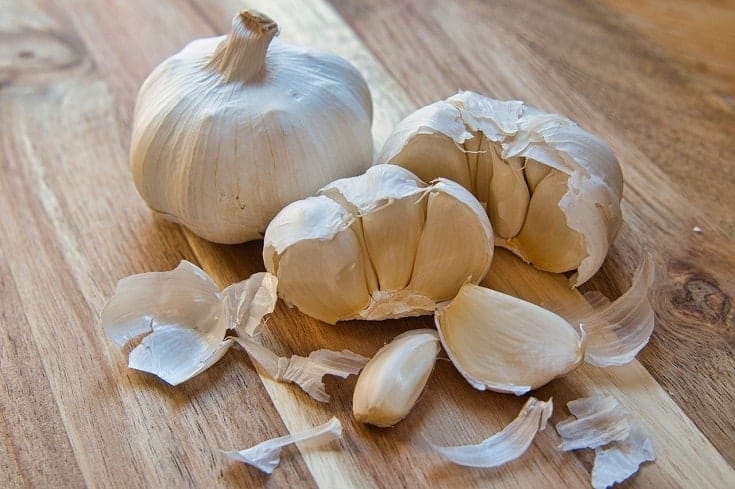
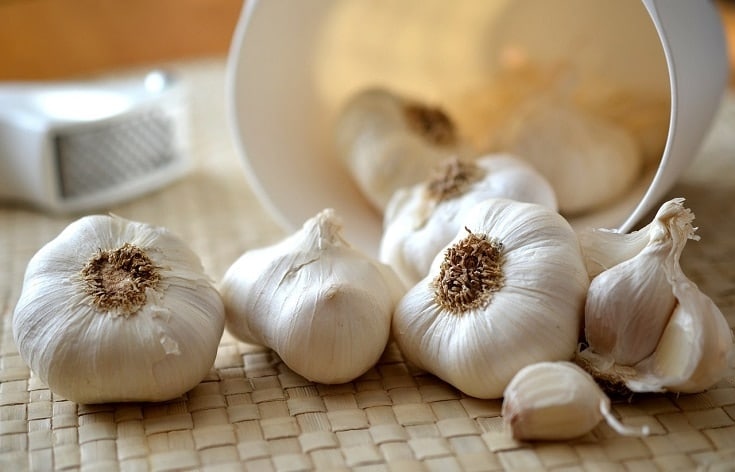
Few foods are as popular and as potent as garlic. We use garlic to imbue its delicious, savory flavor into our foods, and millions love the bulbous, flowering plant. However, if you’re a cat owner, you might wonder if your furry friend can eat garlic. You should never give garlic to your cat, even in small amounts, or put it in your cat’s food in the form of garlic powder or garlic salt. Garlic is highly toxic to cats. Eating even a tiny amount will make your cat very ill and, in higher amounts, can be fatal.

divider cats oct 2024

Why Is Garlic So Toxic for Cats?

Garlic is so bad for cats because of a compound in the plant called sodium n-propyl thiosulfate. It’s highly toxic to cats (and dogs) because it seeks out and damages their red blood cells, the cells that carry oxygen from their heart and lungs to their bodies. This damage, called hemolysis (aka red blood cell destruction), causes anemia, which occurs when the organs of a cat’s body break down because they aren’t getting enough oxygen.

If a cat eats enough garlic, the anemia can become so severe that they don’t survive the experience. Therefore, if you know your cat has eaten a substantial portion of garlic, a trip to your veterinarian is essential. Don’t wait until your cat shows signs of being sick; by that point, it can be too late.

How Much Garlic Is Toxic for a Cat?

Garlic is toxic to cats and dogs. However, because most dogs are bigger than cats (and some are substantially bigger), a significantly smaller amount of garlic can be more harmful to a cat than a dog. Even a single clove of garlic can poison a cat and cause severe health issues. As for garlic powder, about ⅛ of a teaspoon would be enough to cause your cat severe distress, and both types of garlic in their respective amounts could be fatal.

What Can Happen When a Cat Eats a Lot of Garlic?

Sodium n-propyl thiosulfate causes hemolysis by attacking and destroying red blood cells. As we’ve seen, this can lead to deadly anemia if your cat eats a lot of garlic at once or over a long period.

The signs of anemia, which can appear rapidly or take days to show, include the following:
  • Difficulty breathing
  • Pale gums
  • Lethargy and weakness

If your cat eats a lot of garlic all at once, the signs of poisoning might not appear for several days. When they do, however, they can be shockingly severe. That’s why it’s best to immediately take a cat that’s eaten garlic to the veterinarian.

vet checking up the cat
Image Credit: PRESSLAB, Shutterstock

Is Garlic Powder or Garlic Salt Also Toxic for Cats?

Yes, garlic powder and garlic salt are toxic to cats and can cause the same health issues, including hemolysis and anemia. Indeed, because garlic powder and garlic salt are concentrated forms of garlic, they can be harmful to your cat in even smaller amounts.

Should You Feed Your Pets Food Seasoned with Garlic?

If you make fresh food for your cat, you should never include garlic of any kind, including fresh, cooked, and powdered. You may have heard that some people put garlic in the food they make for their cats because they think it will help their heart or prevent fleas. Both of these claims are abjectly false, and veterinarians warn against putting garlic of any kind in your cat’s food.

Is Cooked Garlic Safe for Cats?

Veterinarians agree that cooked garlic is just as bad for a cat as raw garlic and, in some respects, even worse. That’s because a cat can easily eat a lot of cooked garlic at once since it’s soft, easy to chew, and has a pleasing aroma. Raw garlic is just the opposite and, thus, more difficult to eat quickly.

fried garlic in wooden bowl and spoon
Image Credit: Jr images, Shutterstock

What To Do if Your Cat Eats Garlic

If you know your cat has eaten a lot of garlic, you should head to your veterinarian’s office. Your vet will likely induce vomiting so that your cat expels the garlic before its body can digest it (and the toxic compounds it contains).

If you didn’t see your cat eat garlic, but they’re showing the early signs of garlic poisoning (vomiting, diarrhea), you should bring them to your vet immediately. You should also note that there’s no accepted home remedy for a cat that’s eaten a lot of garlic, leaving veterinary care as your only option.

What About Other Plants in the Allium Family?

Garlic is part of the allium family of plants, including onions, shallots, and others. They can cause severe health issues for a cat and should all be avoided.

They include:
  • Shallots
  • Scallions (green onions)
  • Onions
  • Chives
  • Leeks
persian cat checked by vets
Image Credit: Beach Creatives, Shutterstock

divider cats oct 2024

Final Thoughts

Cats should never be fed garlic in any form since the plant and the bulbs it produces are toxic to felines. Even a single clove of garlic can cause severe health issues for your cat, so keeping it out of its reach (and out of your cat’s food) is a must.

If you see signs of garlic poisoning or know your pet has eaten garlic, an immediate trip to your vet is essential. In severe cases, fast action and veterinary care can save your cat’s life.

Want content like this delivered to you?

Sign Up For Our Newsletter

News, insights, expert advice, and everything cat

* By submitting, you agree to our Terms & Conditions and Privacy & Cookies Policy.


How useful was this post?

Click on a star to rate (you can leave written feedback after clicking submit)

Help us improve Catster for pet parents!

Your feedback really matters.

What did you like about this post? Also how can we improve it?

Join the conversation

Leave a Reply

You’re very welcome to leave a comment or question. Please know that all comments must meet our community guidelines, and your email address will NOT be published. Let’s have a positive and constructive conversation.


Catster's Digital Magazine is Back!

Vet-approved health & behavior advice

Real cat stories & community features

When a Cat Becomes a Water Fountain – Why Cats Vomit After Drinking

Seeing a cat drink water and then promptly bring it back up can be confusing. Sometimes the explanation is fairly simple, particularly if...

Chatting About Sleeping Positions, Loafing & Cats in Tubes | Chatty Cattys, Episode 33

In this episode of Catster’s Chatty Cattys podcast, Dr. Karyn and Nicole dive deep into the fascinating world of feline sleep behaviors. From...

The Bite Stuff: The Truth Behind a Cat’s Sudden Nip

A cat bite that seems to come out of nowhere is one of the more confusing things a cat owner deals with. Everything...

Your Cat’s Purr Proves They’re One of a Kind

There are few sounds more comforting to a cat parent than the familiar rumble of a purring cat. You probably know your own...

More related

10 Surprising Facts About Cat Ears: Vet-Approved Guide

Cats can be funny pets that do things that leave us feeling puzzled or amazed. As more research is being done on cats,...

10 Pet Friendly Hotels in Reno, Nevada (2026 Update)

Reno proudly declares that it is the biggest little city in the world. There are just a quarter of a million people in...

Cat Yowling: Sounds, Meanings, & Why They Do It (Vet-Approved)

If you ever hear your cat let out a yowl it can be startling and concerning. A yowling cat is loud, and it...

Risks of Steroid Injections for Cats: Challenges and Management

Steroid injections are used to treat a variety of conditions in cats, ranging from allergies to autoimmune diseases. Although steroids are essential for...

Keep reading

Can Cats Eat Jelly (Jam)? Vet-Reviewed Facts to Consider

Spreading jelly on your morning toast or putting it in a sandwich is an easy, delicious way to make a quick meal taste good without too much work. Food, no matter what it is, is always bound to capture a...

Can Cats Eat Jelly (Jam)

How to Cool Down a Cat: 9 Vet-Approved Tips

When the hot weather rolls around, it is imperative to know how to look after your cat. All felines, just like humans, can be at risk of overheating when it’s hot and humid, with the potential of causing heatstroke. Although...

blue-tabby-maine-coon-cat-playing-water

How Soon Can a Cat Get Pregnant After Giving Birth? Vet-Reviewed Facts & FAQ

Cats are adorable pets that bring millions of people joy and comfort. However, their reproductive cycles can be challenging to navigate, and many people wonder, how soon can a cat get pregnant again after giving birth? Depending on the geographical...

Pregnant cat laying on a staircase

Is Febreze Safe for Cats? Precautions & Alternatives

When we share our home with kitties, finding compatible cleaning products can be a bit of a challenge. If you have a purring princess or prince at home, you probably want to ensure that everything you have is entirely safe...

Catster_Is Febreze Safe for Cats

How to Tell if Your Cat Has a Double Coat: 4 Vet-Approved Tips to Help You Know

Our feline friends come in a dazzling array of coat types, colors, and patterns: long-haired, short-haired, or hairless. To keep your cat’s fur healthy and tangle-free, you’ll need the appropriate grooming tools, which differ based on what kind of coat...

persian cat lying on couch

Are Corn Plants Toxic to Cats? Our Vet-Approved Advice

The corn plant, Dracaena fragrans, goes by many names, including the ribbon plant, the dragon tree, and the cornstalk plant, but this plant is still toxic to cats by any other name. It’s also harmful to dogs and horses. Keep...

Catster_Are Corn Plants Toxic to Cats

What Do Cats Really Think About Hugs? Vet-Reviewed Facts & Preferences

Most of the time, cats are irresistible. I can’t help but want to give my cats a big squeeze when they’re doing something adorable like Hugo the Abominable Snowman talking about wanting to hug and squeeze Bugs Bunny. Some cats...

happy cat with closed eyes hugging owner

How to Keep Your Cat’s Nails Healthy in 5 Vet-Approved Steps

As a responsible cat owner, you’re well aware of the importance of caring for your kitty’s sharp little claws—not only for their health but also to spare your furniture! While our feline companions know how to keep their fur in...

cat paws when sitting on the table

Love Cats? So Do We! Join the Catster Community

Stay informed with expert pet care insights delivered straight to your inbox! Discover professional guidance on animal behavior, feeding tips, trusted product picks, and much more.


Sign up for the Catster Email Newsletter

Stay informed with expert pet care insights delivered straight to your inbox! Discover professional guidance on animal behavior, feeding tips, trusted product picks, and much more.