Can Cats Eat Ketchup? Vet-Reviewed Diet Facts & FAQ


When considering what kind of human foods are okay to give to our cats, we’re usually thinking in terms of actual food and not condiments, such as mayonnaise or ketchup. However, there’s always a chance our feline friends could manage to get their paws on a sauce or dressing, so it’s good to know how safe or unsafe they may be. Take ketchup, for example; Is it healthy for them?
The short answer is no! Your cat shouldn’t be eating ketchup, as it’s not great for them. Why is it so bad, though?

Is Ketchup Healthy for Cats?
Ketchup is unhealthy for cats and could even be toxic due to the many bad ingredients it contains for kitties.
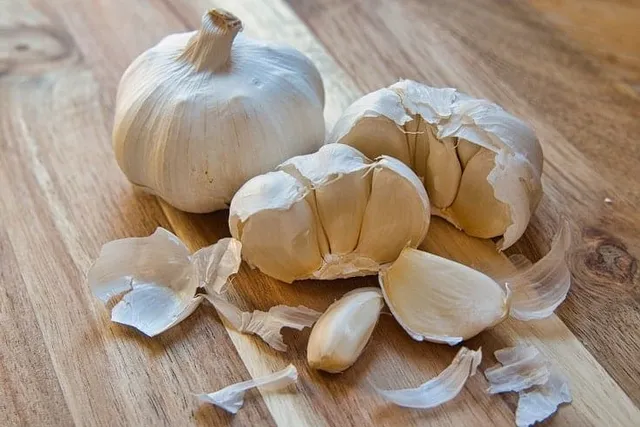
Some of the main ingredients found in ketchup are harmful to your cat, specifically garlic and onion powder, as garlic and onion are toxic for felines. Garlic and onion are both a part of the Allium family, a species toxic to cats and dogs because of the sulfur compounds they contain. When members of this family are ingested, the sulfur compounds can cause damage to red blood cells, leading to what is known as Heinz body anemia (no, it’s not named after the ketchup brand!). If your pet is experiencing jaundice, lethargy, diarrhea, and loss of appetite, Allium toxicity could be the culprit. And garlic is approximately five times as deadly for cats as onion.
Also unhealthy for your cat is the amount of sugar and artificial sweeteners in ketchup. These ingredients aren’t toxic, but they aren’t good either. Sugar is just as bad for cats as it is for humans and can lead to weight gain, periodontal disease, diabetes, and more. Plus, because cats don’t typically consume sugar, their digestive system finds it more challenging to break down. And when it comes to the kinds of artificial sweeteners commonly found in processed foods like ketchup, none are suitable for kitty. Xylitol, in particular - even in small doses - may cause poisoning that can lead to seizures, liver failure, and death if not treated quickly enough, though there aren’t many studies documenting this in cats.

Finally, ketchup has a fairly high salt content. While a tiny lick of salt won’t harm your cat, if they consume too much, it can lead to salt poisoning (and too much can be as little as 0.05 tablespoons of salt). Signs of salt poisoning include vomiting, tremors, lethargy, and disorientation and can show up as quickly as 3 hours after consumption.
Ketchup is quite unhealthy for our feline friends. While you don’t need to panic if they’ve gotten a nibble or two in, make sure they aren’t able to get to it and eat to their heart’s content!
What Happens if My Cat Eats Ketchup?
Luckily, the majority of cats aren’t going to want more than a couple of licks of ketchup. And that amount of ketchup shouldn’t harm them. However, if your kitty decides that ketchup is their new favorite thing, you’ll need to watch and make sure they don’t have access to it.
If they do eat a bit more than they should, you’ll probably see gastrointestinal issues arise, such as diarrhea and vomiting. These problems should resolve themselves in a day or two, though. However, if they don’t, or you’re seeing additional signs such as tremors, loss of appetite, jaundice, or disorientation, it’s time to immediately get them to a vet. These are an indication that your cat may have consumed too much ketchup and could be suffering from garlic or onion toxicity or salt poisoning.
Final Thoughts
While it’s tempting to give our favorite feline a taste of our food to see if they like it as much as us, when it comes to ketchup, it’s really not a good idea. Ketchup contains way too many ingredients that are harmful to your cat, including sugar, salt, artificial sweeteners, and garlic or onion powder. Consuming too many of any of these could lead to a wealth of health issues for your pet, such as salt poisoning, Allium toxicity, weight gain, gastrointestinal problems, diabetes, liver failure, seizures, lethargy, tremors, jaundice, and even death.
However, you don’t need to panic if your cat has gotten a taste of ketchup. A tiny bit should only lead to stomach upset at worst (and chances are, kitty won’t like it enough to come back for more). Just keep an eye on your pet if you see they’ve eaten ketchup to make sure they’re fine.
See also:
Expert cat care, straight to your inbox
News, insights, and useful advice, delivered to you.

No spam — unsubscribe anytime.
By signing up, you agree to our Terms & Conditions and Privacy & Cookies Policy.
How useful was this post?
Click a star to rate. You can leave written feedback afterwards. (We read all feedback.)
Misty Layne lives out in the woods in small-town Alabama with her two Siamese cats —Serafina and Jasper. She also has an array of stray cats, raccoons, and opossums who like to call her front porch home. When she’s not writing about animals, you’ll find her writing poetry, stories, and film reviews (cats, by far, her favorite writing topic, though!). In her free time, Misty enjoys chilling with her cats, playing piano, watching indie and foreign films, photographing abandoned places, and catching up on her never-ending TBR list.