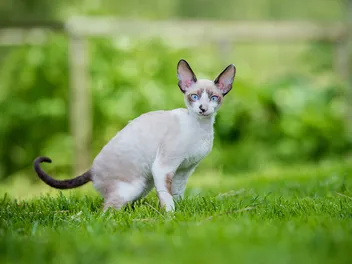
Balinese Cat Health Problems: 16 Vet-Reviewed Health Issues



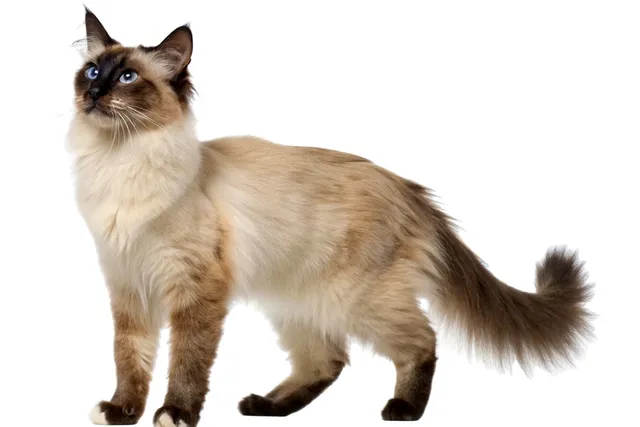
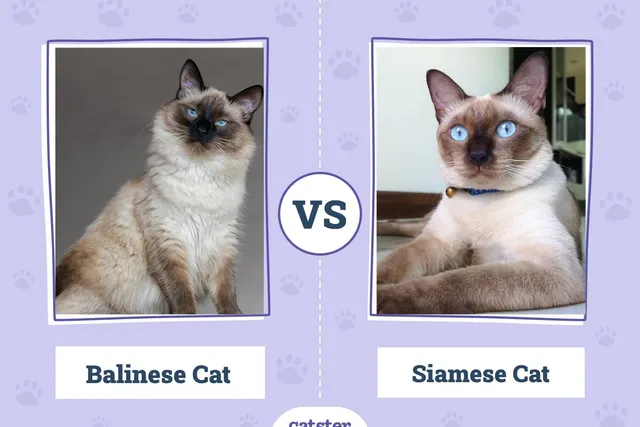
The Balinese is a beautiful cat breed closely related to the Siamese, but these cats can be prone to certain health problems, some of which are quite serious, and many can be inherited and passed over to new generations of kittens. In this article, we’re first going to cover the most common health issues affecting this breed, followed by other illnesses in cats that Balinese may develop as well.
Some of the causes of these issues are genetic and hereditary and can be avoided by choosing a kitten from a reputable breeder who has performed the necessary health testing in accordance with veterinary recommendation, while others are not yet fully understood or may be related to environmental factors, diet, weight, or lifestyle.
Speak to a veterinarian before choosing a certain cat breed or a particular animal so you can familiarize yourself with the most common health issues and requirements for keeping them healthy. Ensure you find a verified and trusted breeder in order to minimize the risk of inheritable conditions, although there is always a chance a kitten may develop a particular illness that was not present in their parents or grandparents but in a distant ancestor.

The 16 Most Common Balinese Cat Health Problems
1. Progressive Retinal Atrophy
Balinese cats are predisposed to suffer from Progressive Retinal Atrophy (PRA), a genetic and inherited eye disorder that leads to blindness. This condition may also occur in other breeds as an acquired form due to a nutritional deficiency of taurine, or through drug toxicity.
The disease has its roots in rod and cone photoreceptor degeneration. In most cases, the rod photoreceptors are affected first, causing night blindness as an early sign. With time, the cone photoreceptors also become affected, at this point the disease typically manifests with the complete loss of vision.
There is no cure for PRA and affected cats will ultimately lose their sight. Treatment options are limited and mainly depend on the underlying cause of illness, and they may consist of supportive care such as nutritional supplements and topical eye medications if the cause is not genetic but acquired through nutritional deficiency or drug toxicity.
2. Mediastinal Lymphoma
Lymphoma is a cancer of the lymphatic system. The lymphatic system is part of the immune system and helps fight infection. There are many types of lymphoma, but mediastinal lymphoma is a type that affects the area in the middle of the chest between the lungs. Balinese cats may be prone to developing mediastinal lymphoma, a type of cancer that affects the lymph nodes and thymus in the chest.
This cancer can cause a number of signs, including difficulty breathing, coughing, lethargy, and weight loss. Treatment options may include corticosteroids, chemotherapy, and radiation therapy, but these treatments can be expensive and are unlikely to be curative in most cases, depending on the exact tumor cell type, location, and stage at time of diagnosis, but remission is possible in low-grade lymphoma.
Mediastinal lymphoma has been recognized in Siamese cats, and their average survival time was 9 months. In other cat breeds, lymphoma is commonly associated with a viral feline leukemia infection.
3. Systemic Amyloidosis
Systemic amyloidosis is a rare, chronic disease that affects a cat’s entire body. It occurs when an abnormal protein, called amyloid, builds up in the cat’s tissues and organs. The build-up of amyloid can damage vital organs and lead to serious health problems.
Amyloidosis may be caused by chronic infection, inflammation, or cancer. Siamese, and thus Balinese cats as well due to their close genetic link, are more likely to suffer from hereditary amyloidosis than other breeds.
Signs of the disease include weight loss, vomiting, diarrhea, dehydration, lethargy, and increased drinking and urination. Treatment options include supportive medications to control signs and support organ systems, particularly the liver and kidneys, which are most commonly affected.

4. Crossed Eyes
One health problem that is seen in Balinese cats is convergent strabismus, also referred to as “crossed eyes.” This is a condition in which the eyes are not aligned with each other, and one eye may appear to be looking inward while the other looks outward. The cause of this condition is unknown, but it is thought to be genetic in origin.
5. Nystagmus
Nystagmus is a condition that causes the eyes to move back and forth in a rapid, uncontrolled manner. The cause of inherited nystagmus is unknown, but it is thought to be the result of an imbalance in the signals sent from the brain to the eyes. This imbalance can cause the eyes to move back and forth uncontrollably, making it difficult for the cat to focus clearly. According to neurological studies, these cats typically do not see double, despite nystagmus and strabismus.
They see a unified image, just as cats are able to see without these conditions because their brains organize all the extra information.

6. Lysosomal Storage Disease
This group of diseases involves conditions, such as Niemann-Pick disease, mucopolysaccharidosis, and gangliosidosis, that have been described in Siamese cats and may exhibit in Balinese breeds as well. These hereditary conditions are characterized by lack of certain enzymes and accumulation of metabolic compounds within the cells of the body, causing their damage and loss of function.
In the case of gangliosidosis, there is an abnormal metabolism of fat, causing damage to the cells and their reduced functions. Signs of illness may start around 1-4 months of age and progress until the kitten passes away, usually 8-10 months of age. The most common signs are neurological, with difficulty walking, loss of balance, weakness, depression, nystagmus, high-stepping gait, and sometimes seizures.
7. Feline Asthma
Feline asthma is a health problem that causes cats difficulty breathing. It is most commonly caused by allergies as a result of various environmental or respiratory irritants. Asthma in cats can cause wheezing, coughing, and rapid and labored breathing. Treatment for asthma usually involves the use of medication to open the airways and help the cat breathe more easily, while removing any discharge and reducing inflammation or any concurrent infections.
The condition can also be helped with lifestyle changes, such as reducing exposure to allergens.
8. Separation Anxiety Syndrome
Separation anxiety syndrome is a problem that can affect Balinese cats when they are separated from their owners. This problem can cause the cats to become agitated, hide, scratch and destroy the furniture, urinate or defecate outside of their litter box, vocalize excessively, and even scratch or bite. There is no definitive cause of separation anxiety syndrome, but it is believed that lack or inadequate early socialization plays a role in its development.
Treatment for the condition usually involves behavior modification techniques, environmental enrichment, sufficient physical and mental stimulation, food puzzles and games, pheromone diffusers, and in some cases, medications, such as antidepressants. Balinese cats may be more susceptible to separation anxiety syndrome in part because of their loving, friendly natures.
9. Wool Sucking
Wool sucking is a compulsive behavior in which the cat sucks on fabrics, clothing, or other materials. It is most commonly seen in kittens but can occur in adult cats as well. The exact cause of wool sucking is unknown, but thanks to more recent research it is now believed to be a form of self-comforting behavior in some cat breeds due to early weaning, small litter size, lack of proper socialization, and in Siamese cats underlying health issues or an abnormally increased appetite. Cats who suck on wool may also do so because they are anxious or stressed, or because they are seeking comfort and security.

10. Flat-Chest Syndrome
Oriental breeds, including Siamese and consequently Balinese cats, may be predisposed to flat-chest syndrome or pectus excavatum. However, it is more common in Bengal and Burman breeds.
This is a very rare condition in which the cat's rib cage is not properly developed, leading to difficulties breathing and problems with the heart and other organs. Most likely, there is a complex genetic cause, although it has not yet been identified. A kitten suffering from this disorder has a flattened and sunken rib cage and has difficulty breathing. The severity of the signs determines whether or not treatment with splinting and surgery is required.
11. Heart Disease
Heart disease is unfortunately quite common and often underdiagnosed in cats, and the most common type is hypertrophic cardiomyopathy when talking about acquired heart disease. Cats may also suffer from congenital heart defects present since birth.
In Siamese cats, and thus possibly in Balinese as well, a heart defect under the name of patent ductus arteriosus (PDA) may occur. Siamese cats also seem more predisposed to another form of cardiomyopathy (dilated cardiomyopathy) where the heart muscle gets thinner and the heart enlarges, becoming weak and distended. Similar may occur in Balinese breeds, but the scientific data on this remains scarce at the moment.
Some cats are born with heart defects, which can cause a number of problems, including heart failure. Other heart defects include malformed valves, holes in the heart, and enlarged hearts.
All of these heart problems can make it difficult for the cat to breathe and can cause them to become very ill. In some cases of congenital heart defects, surgery may be necessary to correct the issue. Acquired heart disease requires regular monitoring and treatment and, unfortunately, is often diagnosed when the disease is already quite advanced and has led to heart failure. This may present as difficulty breathing, panting like a dog, lethargy, weakness, reduced appetite, or formation of blood clots that leads to paresis or paralysis, usually of both back legs and with excruciating pain.

12. Mammary Tumor
Mammary tumors are third most common type of cancer in cats and can be benign (non-cancerous) or malignant (cancerous). The most common type of mammary tumor in cats is carcinoma. Other types of mammary tumors include adenocarcinomas and fibrosarcomas. As a breed, Siamese cats may have an increased risk of developing mammary carcinomas, and affected cats tend to be younger than other breeds, meaning the risk may be higher in Balinese cats as well. However more research is required into the Balinese cat breed and predisposition for many types of cancer and illnesses.
Male cats may also develop mammary carcinomas as cancer occurs equally in all glands in cats. The gland or nipple may develop one or more nodules. Irritation, swelling, or discharge from the nipple may accompany the cancerous masses.
13. Dental Disease
Dental disease is a common problem in cats, and Balinese cats are no exception. The most common types of dental disease in cats are gingivitis, periodontal disease (which is a bacterial infection and associated with inflammation of the gums and tissues surrounding the teeth), and tooth resorption.
Dental disease can be caused by a number of factors, including plaque and tartar buildup and gingivitis. Signs of dental disease include bad breath, drooling, reluctance to eat, pawing at the mouth, pickiness with food, and swollen or bleeding gums which can cause pain and loss of appetite and lead to other health problems if not treated.
Treatment for dental disease includes teeth cleaning and sometimes surgery to extract diseased teeth.
14. Obesity
Another health problem that is commonly seen in many cats, including the Balinese, is obesity. Balinese cats are prone to developing weight problems because they are bred to be high-energy, high-maintenance cats and often do not get enough exercise. Without proper diet and exercise, these cats can quickly become overweight. Some of the most common health problems associated with obesity in cats include increased risk and predisposition for urinary issues, diabetes, liver disease, heart disease, and arthritis.
To help prevent obesity in your Balinese cat, make sure they have a healthy diet and plenty of exercise.

15. Kinked Tail
Another possible problem is a kinked tail. This is a condition where the tail is twisted and curved. Generally speaking, in most cases, this is just an aesthetic issue. Unless you intend to show your cat, it won’t present a problem.

16. Cleft Palate
Another problem occasionally seen in kittens is cleft palate, which may come from this breed’s Siamese lineage. This is a birth defect that causes the roof of the mouth to be split in two. As a result, the kitten may have trouble breathing and eating. This congenital defect occurs when the tissues that form the roof of the mouth do not fuse properly during development, causing an opening in the palate.
A cleft palate can lead to feeding and breathing problems and can also increase the risk of infection and aspiration pneumonia. Fortunately, many of these problems can be corrected with surgery.

Remember to have regular vet visits when owning a Balinese cat to keep their health and well-being. If you’re concerned about your cat’s health we suggest you speak to a vet.
Conclusion
In conclusion, Balinese cats are prone to certain health problems, which can range from mild to serious. It is important to be aware of these problems, work with your veterinarian to ensure that your cat remains healthy, and take steps to prevent or treat them if possible, most importantly by choosing a reputable breeder who is carefully monitoring the health of their animals and performing the recommended health testing required before breeding. By doing so, you can help ensure that their beloved pet stays happy and healthy for many years to come.
Sources
Feline Husbandry (p 51)
Featured Image Credit: A__B, Shutterstock
Expert cat care, straight to your inbox
News, insights, and useful advice, delivered to you.

No spam — unsubscribe anytime.
By signing up, you agree to our Terms & Conditions and Privacy & Cookies Policy.
How useful was this post?
Click a star to rate. You can leave written feedback afterwards. (We read all feedback.)
Christian started writing for a local newspaper as a teenager, and he's been involved in the publishing industry for most of his adult life. Combining his love of writing with a passion for animals, he is currently the Director of Editorial at Pangolia and the Editor-in-Chief at Catster.
Christian lives in the Philippines with his wife, son, and four rescue cats: Trixie, Chloe, Sparky, and Chopper.