Why Can't My Cat Meow? 9 Vet-Verified Causes & When to Worry


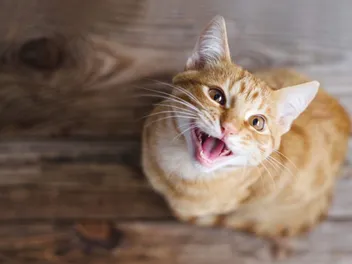
While some cats can be very vocal, others rarely utter a word. However, if your cat has lost their voice and is letting out a rasp or a squeak or isn’t managing to make any noise whatsoever, it could be a sign something is wrong.
Laryngitis might have been caused by your cat meowing too hard and for too long. It could also be caused by inhaling an irritant, such as dust, or it could be a sign that your cat has consumed something toxic. Although rare, it can even be a sign of some cancers, and if your cat has had treatment for hyperthyroidism, this can also lead to a change in the cat’s voice.
Below, we’ll examine some of the most likely reasons that a cat has lost their voice and what can be done about it.

The 9 Causes Why Your Cat Can't Meow
1. Chronic Meowing
If your cat has spent a long time meowing, perhaps because they have been shut in a room or trapped by another cat while out of the house, they may lose their voice because of the continued pressure on the larynx and the muscles around it.
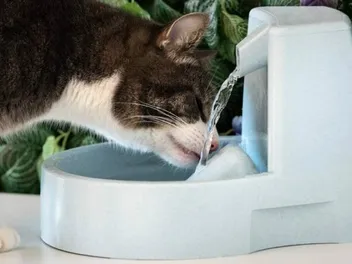
Your cat’s meow should return in time and with rest. Ensure they have plenty of water to speed up the healing process.

2. Upper Respiratory Infection
Upper respiratory infections are one of the most likely causes of a change in a cat’s meowing. An upper respiratory infection can be caused by viruses, bacteria, and rarely fungus. The infection can also nasal discharge, sneezing, and coughing. It might also make breathing through the nose more difficult, resulting in respiratory noise or open-mouth breathing.
Infections need veterinary treatment so you should take them to your vet’s office. They can determine the cause and provide an effective treatment. Once your cat recovers, you should ensure to update their vaccinations if not already up to date. The vaccination can help prevent viral upper respiratory infections like Feline Herpesvirus and Calicivirus.
3. Foreign Objects
Cats might not be as keen to chew everything as dogs are, but they still use their mouths and sense of taste to investigate some items. They especially enjoy picking up small items to play with, as it mimics hunting.
If your cat has picked up a small object and tried swallowing it, it may have gotten stuck in their throat. This obstruction will be enough to change the pitch and even volume of your cat’s meow, coughing, and in some cases, it can cause choking.
Once the object gets stuck, it will irritate the throat and cause swelling. You may need to visit a vet to have them safely remove the alien object from your cat’s throat.
4. Throat Injury
Throat injuries can be caused by caused by fighting, eating toxic substances, or in a range of other ways. Generally, signs like pain, swelling, discomfort, and a loss of meow can indicate an injury around the throat.
A vet can ensure that the injury is treated so the cat has the best chance of a quick recovery. They can also look for any other possible problems that the same incident might have caused.

5. Toxic Substance
Cats can be exposed to several toxins, both in and outside the home. Some popular houseplants and flowers can be very toxic to cats. For example, plants containing insoluble calcium oxalates can cause severe irritation and swelling around the mouth and throat when ingested. Peace lilies and mother-in-law’s tongue contain these irritating compounds.
Other possible toxins include chemicals and poisons, and just because you keep your cleaning products locked away in the kitchen doesn’t mean your cat hasn’t found some in the shed or at somebody else’s house. It’s important to rinse surfaces after cleaning if you have a cat.
6. Abscesses
An abscess is a pocket of pus that can develop anywhere on or in the body. They are most common after an injury or accident; when one forms, it typically grows and grows. If your cat has an abscess in or near the throat, it may obstruct the airways.
Not only is this likely to cause a loss of meow, but it may also mean your cat struggles to breathe freely. The abscess may need to be drained, which can be difficult if it is in the throat.
7. Polyps
Polyps are small, non-cancerous lumps that can form anywhere, including in the back of the throat. Although these lumps are benign, they can cause major problems for cats. Typical signs include sneezing, gagging, and nasal discharge.
You may also see your cat shaking their head, and they will likely change their eating and drinking habits. The polyp must be removed, and your vet may want to test the growth to ensure it’s benign.

8. Throat Tumor
A tumor is a significant problem that requires immediate medical attention. A cancerous tumor will continue to grow, and it will cause issues with swallowing and even breathing, as well as leading to a change in your cat’s voice.
Some cancers can be treated, but they need to be caught as early as possible for your cat to have the best possible prognosis, so make an appointment and see the vet as soon as possible.
9. Hyperthyroidism Treatment
Hyperthyroidism in cats can be treated by surgically removing the thyroid or with ethanol injection. Both of these treatments can lead to cats losing their meow. Vocal problems are rare after these procedures so you should call your vet for advice if they occur.

Should You Contact a Vet?
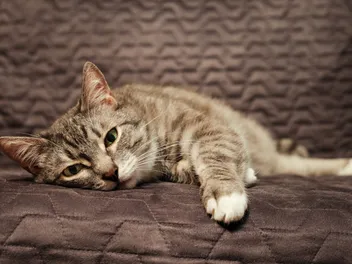
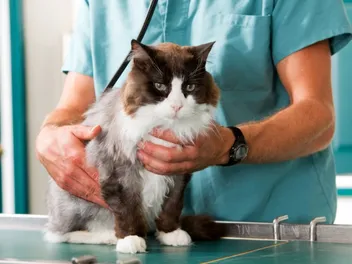
You should always contact your vet if your cat can’t meow. If your cat has lost their voice, you should look for other signs of illness. If your cat is weak, has swelling, won’t eat, is gagging, or has problems breathing normally, you should take them to an emergency clinic because these are signs of something serious.


Conclusion
Cats can lose their meow for several reasons, from overuse of their voice to severe problems, including throat cancer. It’s vital to record any signs of your cat's illness, ensure they have plenty of fresh water to drink, and speak to a vet. They can advise on the best course of action and potentially put your mind at rest.
Featured Image Credit: Krakenimages.com, Shutterstock
Expert cat care, straight to your inbox
News, insights, and useful advice, delivered to you.

No spam — unsubscribe anytime.
By signing up, you agree to our Terms & Conditions and Privacy & Cookies Policy.
How useful was this post?
Click a star to rate. You can leave written feedback afterwards. (We read all feedback.)
Matt is a freelance writer from the UK. He lives with his partner and daughter, as well as one dog and two cats.
A data analyst by trade, Matt moved from numbers to words more than 15 years ago and has been writing content ever since. Having volunteered at a local animal sanctuary, he has a lot of experience with different breeds of cats, dogs and horses. He currently shares his home with his partner and daughter, as well as a rescue dog from Macedonia (which might be an Akita cross) and two cats. Matt has also kept bearded dragons, a variety of birds, fish, guinea pigs, hamsters, mice, and rats. His daughter has adopted the same passion for animals, keeping and breeding snakes.
A geek at heart, Matt is a member of a local board gaming group that meets weekly, and regularly forces his family to “enjoy” board games with him at home.