Is Sandalwood Incense Safe for Cats? Vet-Verified Facts and Safety Guide

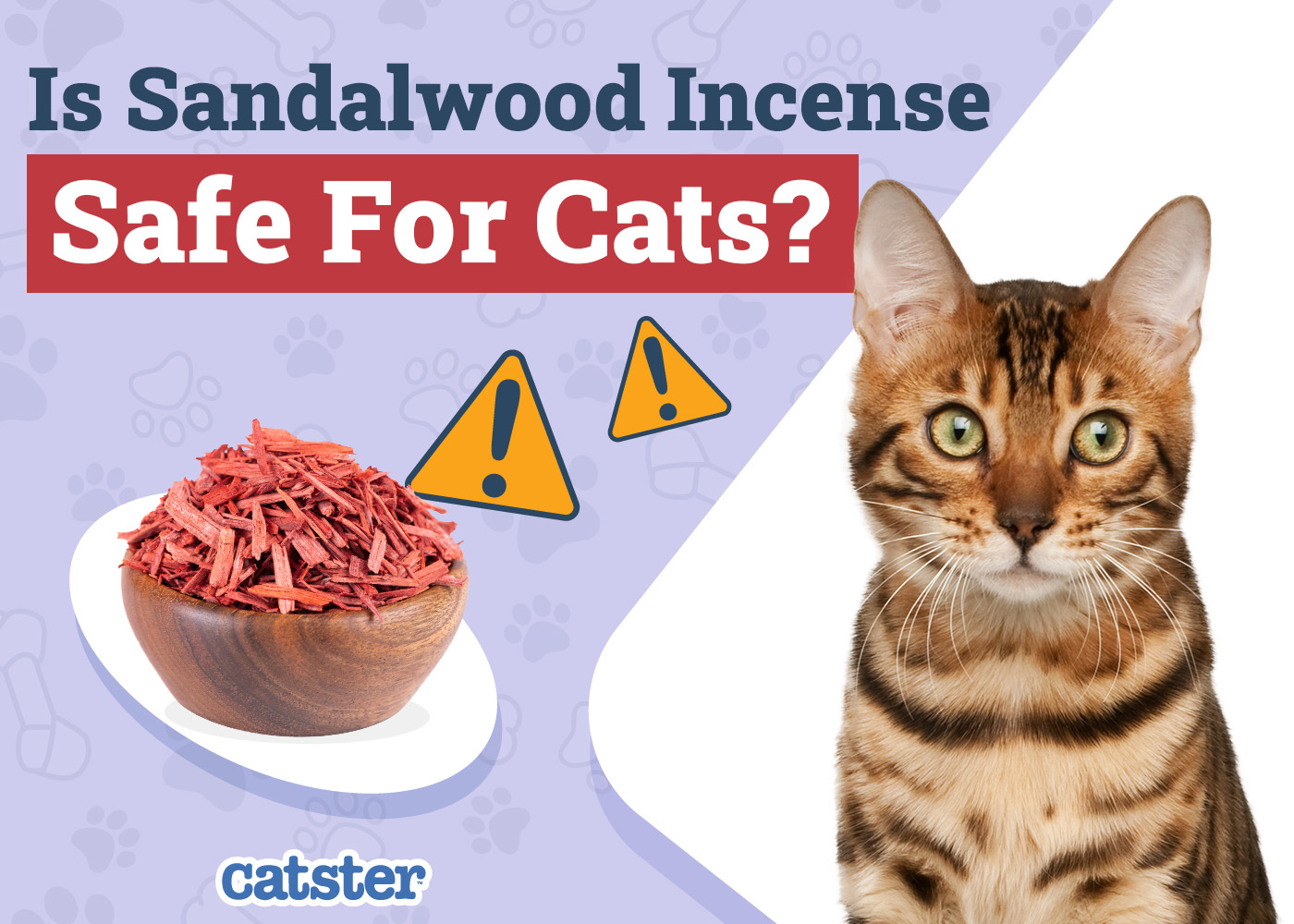
Sandalwood incense is a common way for people to freshen up their homes and keep their living areas smelling nice. However, it isn’t safe to use around cats. Sandalwood essential oil is known to be toxic to cats, and the smoke from incense sticks can cause health problems.
Fortunately, many cat-safe ways to keep your house smelling pleasant don’t involve sandalwood incense or other dangerous substances. In this article, we'll explore the alternative options and explain why sandalwood incense is a bad idea around cats.

Why Are Cats Sensitive to Essential Oils?
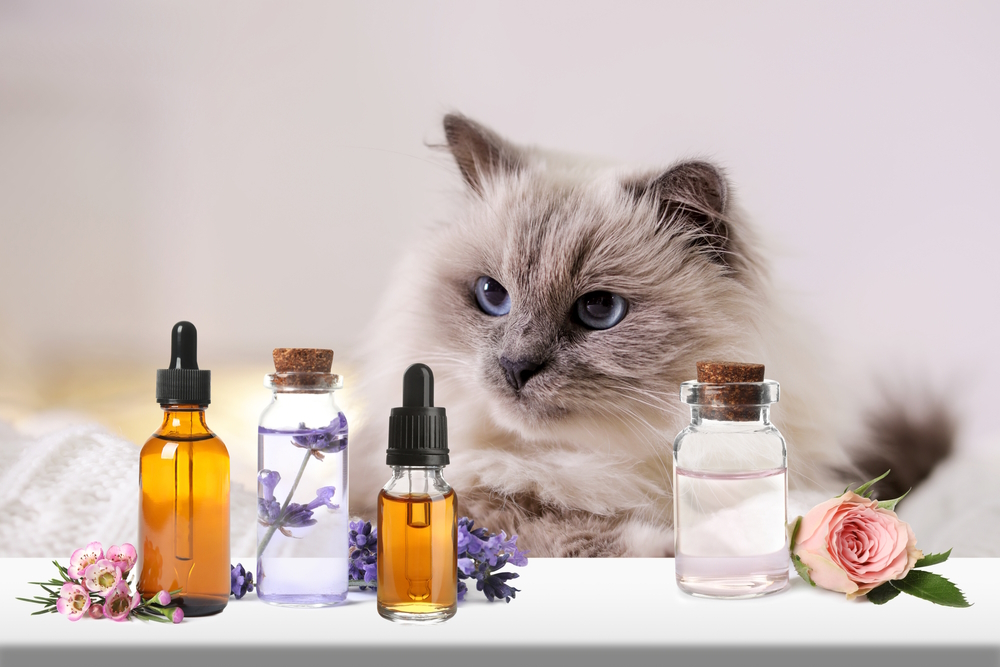
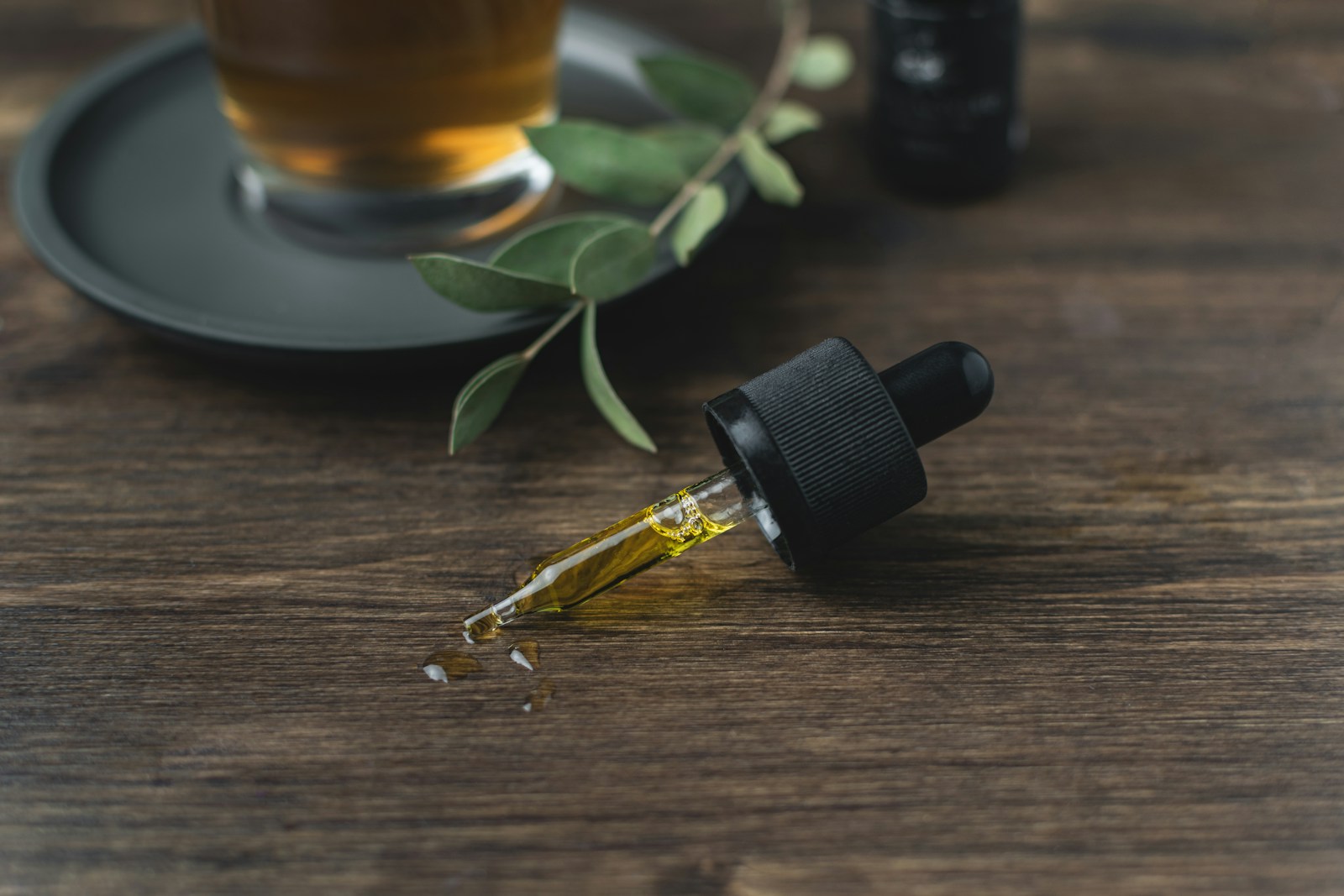
Essential oils aren’t as harmless as they first appear, especially for pets. Cats are especially sensitive to essential oils due to their inability to metabolize them properly. Along with the risk of oral or skin irritation or burning, essential oils contain chemicals that must be processed by the liver.
Since cats lack the liver enzymes that are in charge of metabolizing the oils, they’re more susceptible to bad reactions to the oils when they come into contact with them.

Are Incense Sticks Harmful to Cats?
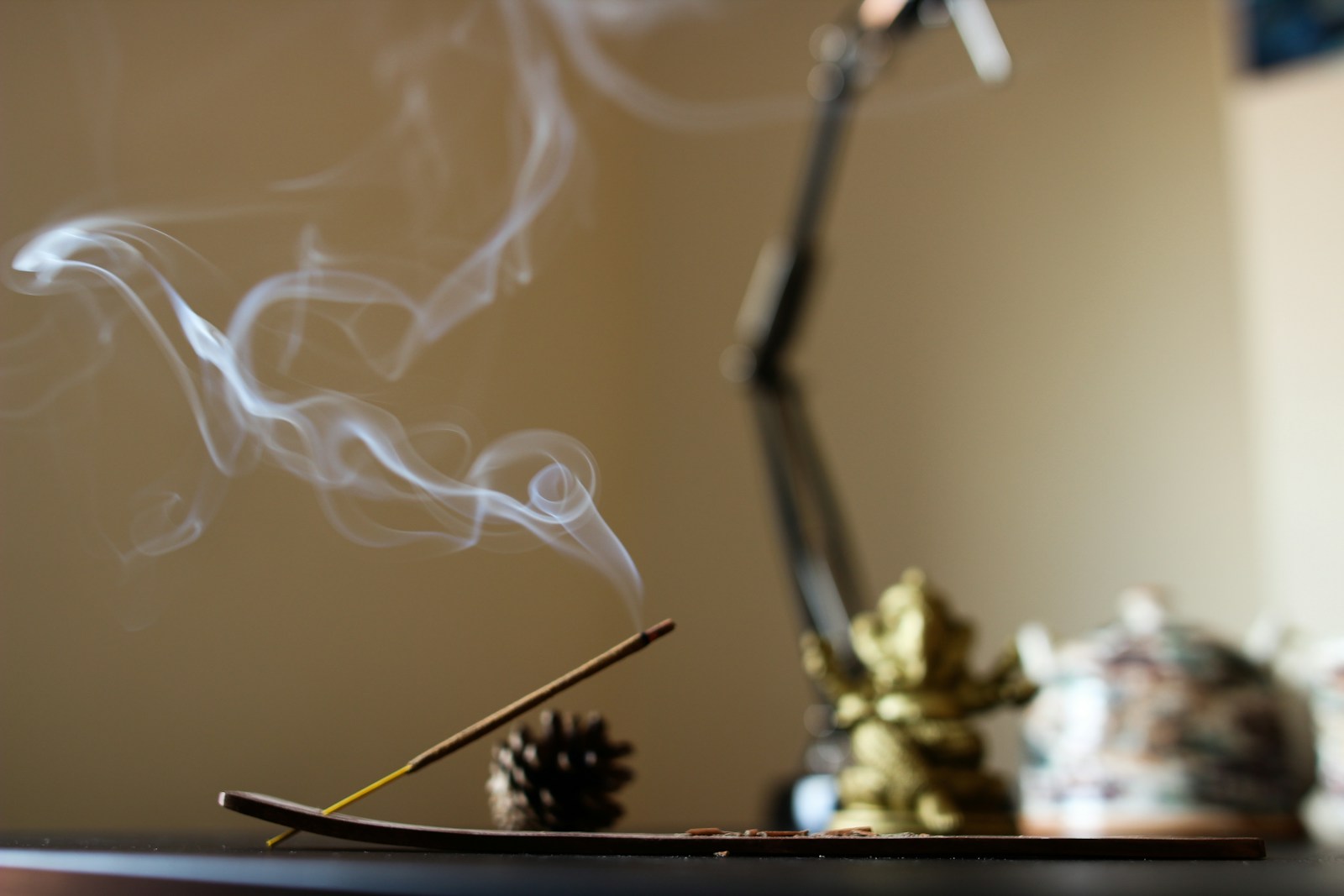
Despite their relaxing aroma, incense sticks aren’t the safest way to freshen up your house if you have cats. The smoke and particulates released when you burn incense can cause respiratory problems when inhaled. Some cats are also more sensitive to smoke than others, especially if they have asthma or another issue with their respiratory system.
Some incense sticks contain chemicals or fragrances that are toxic to cats. Not only will they suffer from smoke inhalation, but they could also have a bad reaction to the essential oils or plant materials used to make the incense.
Why Isn’t Sandalwood Incense Safe for Cats?
Sandalwood incense is a bit of a double-edged sword. Beyond the dangers of any type of incense, sandalwood essential oil is also a problem for cats. If it's inhaled, ingested, or gets on your cat’s fur, it can cause several health problems.
Potential signs of sandalwood poisoning include:
- Drooling
- Pawing at the face
- Lethargy
- Vomiting
- Difficulty breathing
- Tremors
- Seizures
- Skin irritation
- Unsteadiness
If you think your cat is suffering from poisoning due to your sandalwood incense, take them to a veterinarian immediately.
What Other Essential Oils Are Toxic to Cats?
Sandalwood isn’t the only oil that is toxic to cats. Several essential oils are commonly used for aromatherapy or to get rid of bad smells, and they should never be used around your cat. Essential oils that are toxic to felines include:
- Citrus oil
- Peppermint oil
- Cinnamon oil
- Clove oil
- Eucalyptus oil
- Tea tree oil
Owning a cat means that you should not use essential oils in your home. There are certainly some that are more toxic than others, but overall we don’t recommend diffusing any essential oils around your home. If for any reason you had to do it, you should take some precautions. Ensure that your cat is safe by limiting the use of the oils to one room of the house that’s well-ventilated and inaccessible to your cat.
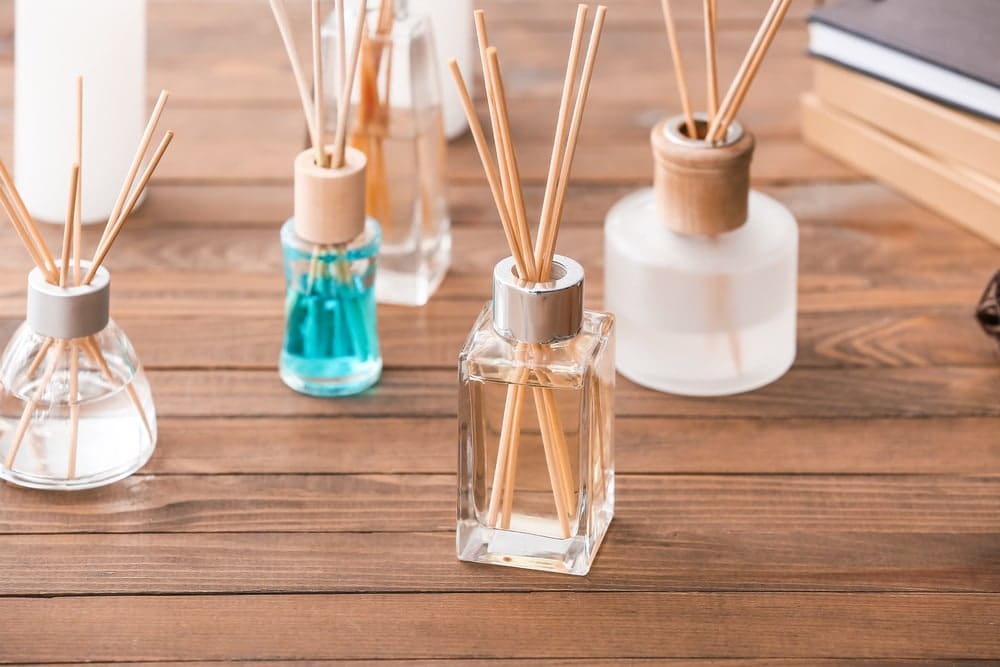
Avoid using diffusers that can be tipped over by an inquisitive feline. The oils inside can end up on your cat’s paws or skin and be ingested. If you can’t keep your cat away from the diffuser, it’s best not to use one.

Alternative Ways to Keep Your Home Smelling Nice
While sandalwood incense might be a fun way to make your house smell nice, plenty of other options are safer for you and your cat. These tips are good to remember when you own cats or any pet.
Air Purifier
Some air purifiers are designed with pet owners in mind and have filters that can absorb pet-related odors. Although air purifiers can be pricey, they capture and eliminate smells before they can linger and cling to your furniture.
While other odor-removal techniques rely on masking odors, an air purifier removes particulates that cause bad smells entirely.

Baking Soda
Many pet owners swear by baking soda as a quick and easy method of deodorizing their homes. It takes more time to work than an air freshener you can spray around the room, but it also absorbs the odor rather than masking it.
Baking soda is considered non-toxic to animals, but precautions should be taken to ensure your cat does not eat it or inhale it. Sprinkle some on the affected carpet or cushion, leave it for 20–30 minutes, and then vacuum.
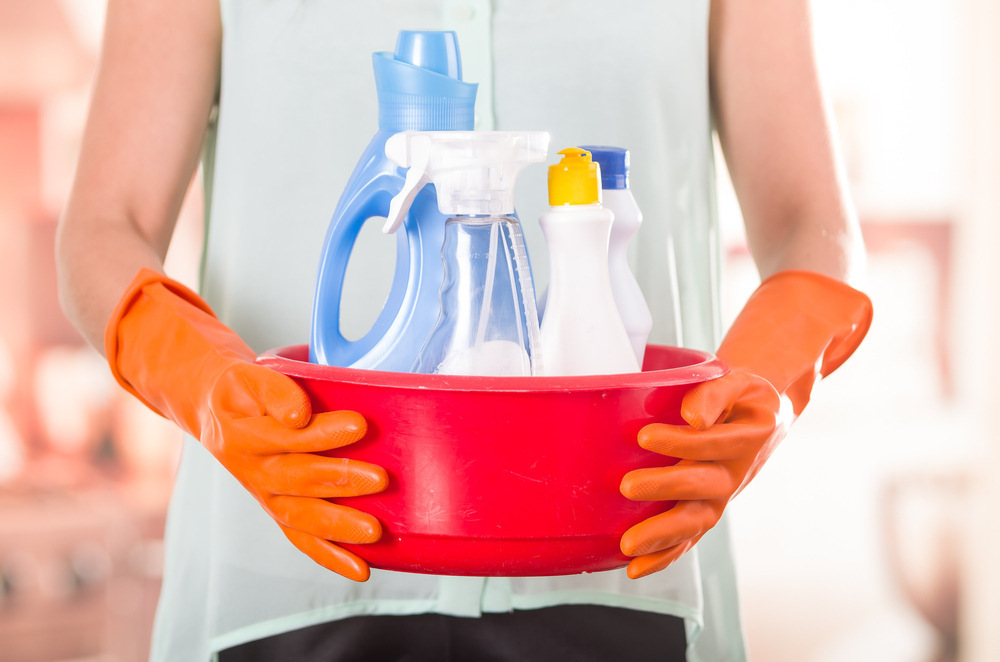
Cleaning Regularly
Keeping the house clean is a surefire way to tackle bad smells before they can set in. A foul odor can result from a build-up of cat fur on the carpet or a used litter tray left for too long. Sometimes, the bad smell results from your cat vomiting or another pet-related accident that leaves an odor clinging to the carpet or couch.
Cleaning up messes right after they happen, or at least as quickly as possible, will prevent the odors from lingering.

Febreze
Many air fresheners aren’t safe to use around cats, and some cat owners assume that Febreze isn’t the best choice either. However, according to the ASPCA, Febreze is safe for use in households with pets, including cats.
It can cause mild skin irritation or stomach upset if touched while it’s wet or ingested, respectively, but the fabric freshener is generally safe around animals.
DIY Scents
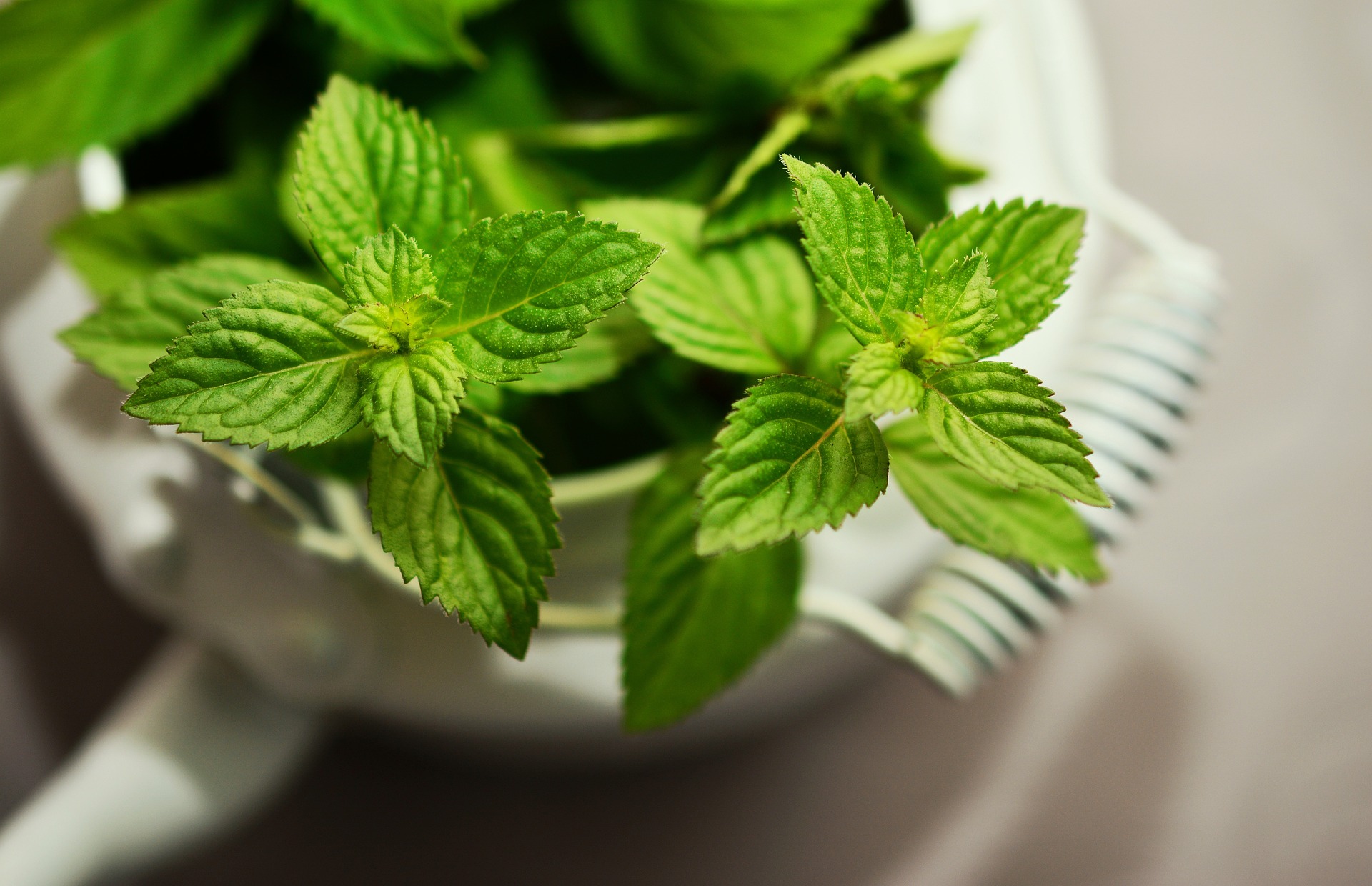
You can also freshen the air by making an air freshener. You don't need a fancy setup, just a pot of water and something fragrant that is not an essential oil. Bring a pot of water to a boil, and add apples or vanilla. Some people use mint or cinnamon sticks, but cats dislike these smells, and they can also be toxic.

Conclusion
Sandalwood essential oil and incense sticks are dangerous to use around cats and can cause minor to severe health issues, including breathing difficulties, for many felines. Combining the two products into sandalwood incense might be a convenient way to make your home smell nice, but it’s extra dangerous for your cat.
Not only will your cat be affected by the toxic properties of the sandalwood essential oil, but also by the smoke from the incense. To be safe, use air purifiers or baking soda to remove odors from your home, or you can make your own fragrances with cat-friendly items.
See Also:
Sources
Featured Image Credit: Use at your Ease, Pixabay

Expert cat care, straight to your inbox
Vet-reviewed advice, behavior tips, and the best of Catster. Free, and you can unsubscribe anytime.
By signing up, you agree to our Terms & Conditions and Privacy & Cookies Policy.
Christian started writing for a local newspaper as a teenager, and he's been involved in the publishing industry for most of his adult life. Combining his love of writing with a passion for animals, he is currently the Director of Editorial at Pangolia and the Editor-in-Chief at Catster.
Christian lives in the Philippines with his wife, son, and four rescue cats: Trixie, Chloe, Sparky, and Chopper.
Join the conversation
Ask a question, share your story, or send private feedback.