Is Nag Champa Incense Safe for Cats? Vet Approved Facts & Safety Guide


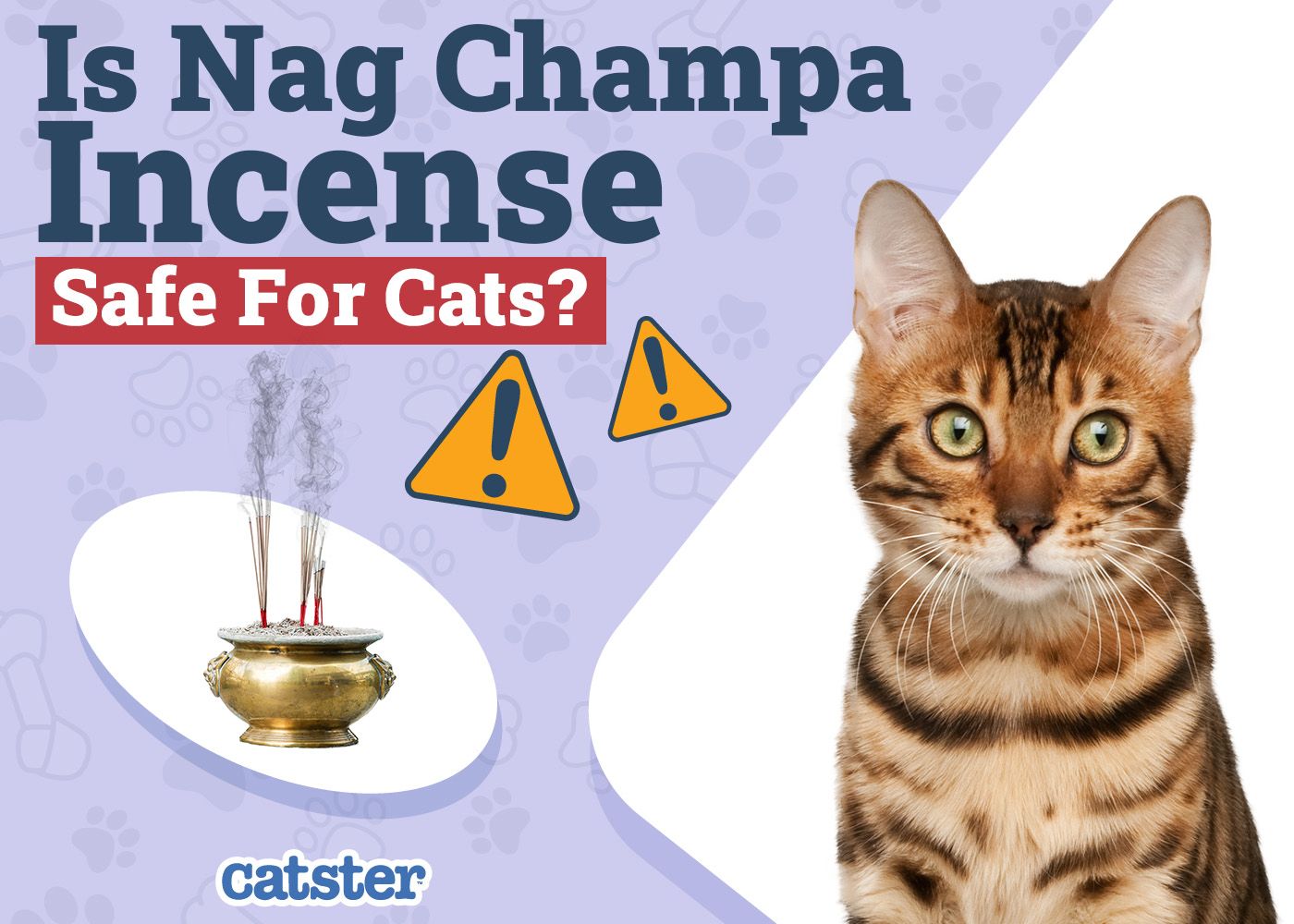
Cat owners are familiar with the struggle of finding a safe way to keep their homes smelling nice. The burning of incense dates back to ancient times and is an easy and effective way to make your home smell pleasant. Nag champa is one of the most common fragrances in the incense world that is beloved by many, but is it safe to use in a home with cats?
The truth is, nag champa and other incense is potentially harmful to cats, so it's best to keep your cats far away from any burning incense. In this article, we’ll talk a bit more about incense, what kind of risks it poses for cats, and some safe alternatives to try instead.

Is Nag Champa Incense Safe for Cats?
What Is Incense?
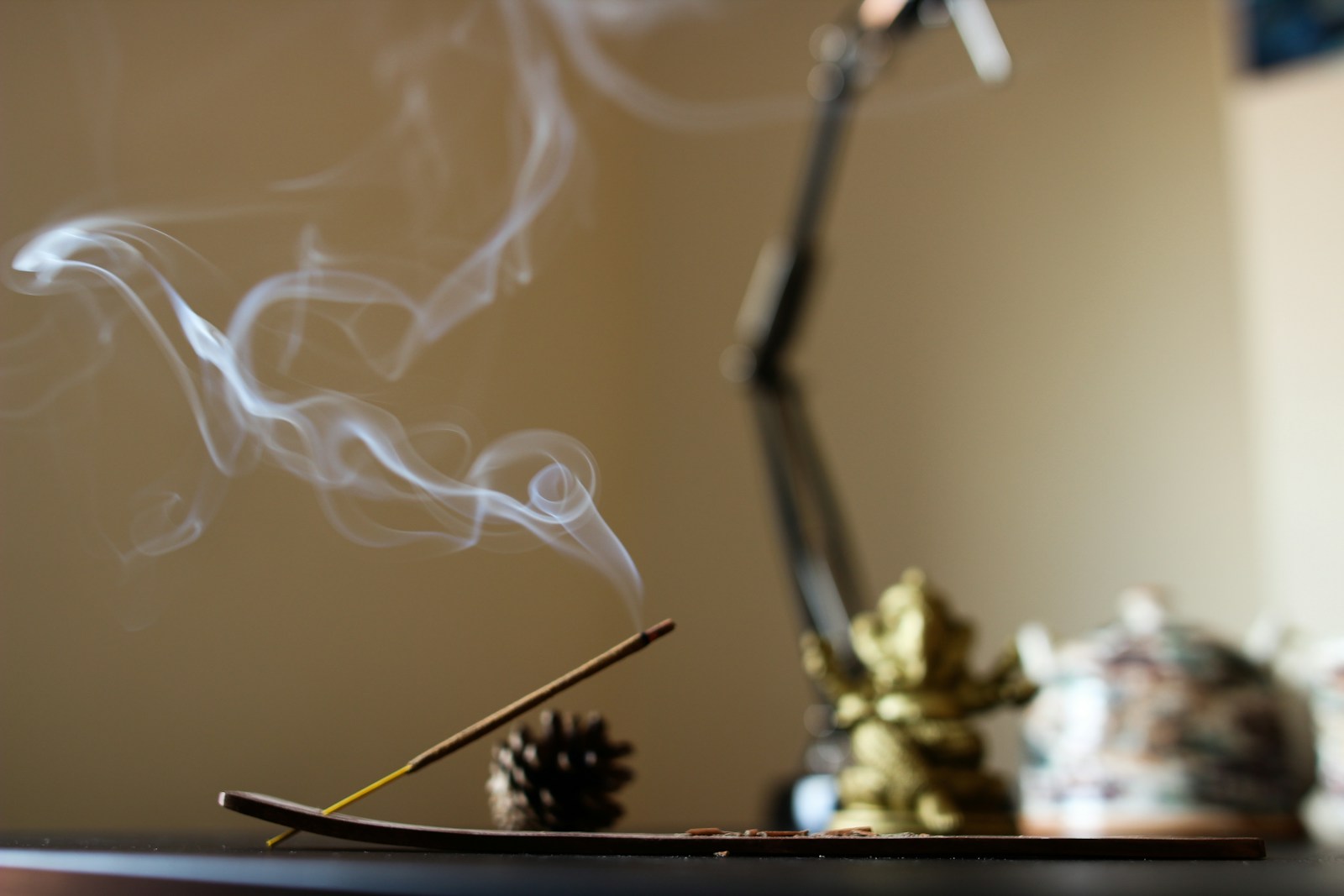
Incense is a biologically derived substance that is burned to produce a powerful, fragrant scent. It comes in different forms, including sticks, cones, and coils. It has been used in many ancient cultures and remains popular to this day for use in religious and spiritual ceremonies or rituals, aromatherapy, meditation, yoga, and to combat unwanted smells.
Incense is often made from aromatic plant material like resins, bark, seeds, roots, and flowers. They are most often combined with essential oils for added fragrance. There are many different scents available on the market, some with naturally derived ingredients and others that include a mixture of natural and artificial ingredients.
You burn incense by lighting the tip. Once it has ignited you then extinguish the flame and allow the ember to glow and produce aromatic smoke until it burns all the way down to the base.

Nag Champa
Nag champa is a very popular incense fragrance that is believed to have originated in India. The main ingredient in nag champa is the Champaca tree, a large evergreen native to India and Southeast Asia. It also contains a generous amount of sandalwood and a semi-liquid resin known as halmaddi that is derived from the Ailanthus malabarica tree.
Nag champa’s distinct scent is commonly used in incense, aromatherapy, oils, body lotion, candles, and soaps. In spiritual practices, nag champa is said to improve focus, promote calm, and purify the energy in the surrounding environment by clearing out negativity and inviting in positive vibrations.
Why Burning Incense Is Bad for Your Cat
Even though burning nag champa and other incense can help mask the smell of the litter box and will leave your home smelling unique and satisfying, there is some risk associated with this practice especially when it comes to your cat.
Respiratory Irritation
The smoke from incense can be very irritating to a cat’s respiratory system. Certain cats may be more sensitive to smoke than others, but the risk associated with smoke inhalation should be taken seriously. This could worsen any current respiratory conditions or potentially lead to respiratory problems.

Asthma Risk
If any cat in your home suffers from asthma, the burning of incense could drastically increase their risk of suffering from an asthma attack. Cats that do not have asthma are potentially at risk for developing the condition due to the inhalation of particles from the incense that could act as allergens when they come in contact with the immune system.
Fire Hazard
Like burning candles, burning incense is also a fire hazard. Incense should never be left to burn unsupervised and should be kept far away from anything flammable. If a cat were to have easy access to burning incense they could very likely knock it over, which could result in a fire. Most house fires that start from burning incense result from the hot ash igniting the carpet or other flammable surfaces.
Potential Carcinogens
Burning incense exposes you and your cat to potential carcinogens. Some studies revealed that burning incense indoors resulted in increased levels of chemicals known as polycyclic aromatic hydrocarbons, which have been linked to cancer. They also release various volatile organic compounds as they burn, which can lead to respiratory dysfunction and even respiratory cancers.

Intense Smell
Cats have a much stronger sense of smell when compared to humans. Incense gives off a very intense aroma that can even be overpowering to the human nose, so can you imagine how it makes a cat feel? Keep in mind how sensitive they will be to a smell this strong.
Important Tips for Cat Owners that Burn Incense
While it’s not recommended to burn incense inside of the home with your cat, some households do so because of religious or spiritual practices, which is important to their daily life. If you must burn incense in the home, here are some tips to keep in mind to help make your cat safer and more comfortable.
Keep Your Home Well Ventilated
If all your doors and windows are closed and you lack ventilation, the scent and effects of the incense will be much harsher because the smoke has nowhere to escape. Open windows and screen doors to let the air flow through the home. You could also consider purchasing an air purifier for the room where the incense burning takes place.

Try to Only Burn in One Designated Room
If you can, try limiting your incense burning to one room in the house and do your best to limit your cat's access to that room, especially when you are actively burning. It’s still a good idea to keep the room well-ventilated by opening a window, but this will help minimize the amount of smoke that gets into the rest of the house and can give your cat relief from the irritation and strong smell.
Keep Your Incense in a Safe Location
Because cats are curious creatures that have a knack for knocking things over and causing a ruckus in the house, it’s a good idea to keep your incense in a safe, secure location that your cat does not have access to. Not only will this keep them from being nosy and even chewing on the substance, which could cause some severe health problems, but it will also help decrease the risk of a fire.
Safer Alternatives to Incense
If you use incense because you like the way it smells or you are trying to cover up scents in your home, there are some safer alternatives you can try and even some tricks to minimize the odors in your home.

Try Using Fragrant Non-Toxic Houseplants
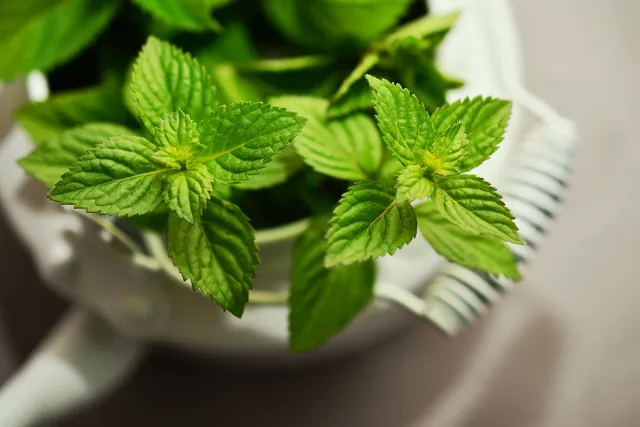
You must be careful with cats and houseplants, as many are toxic and can be quite dangerous to cats when ingested. Certain plants like lemon balm, sage, rosemary, and mint are all aromatic and are not toxic to cats, so it’s safe to have them in the house to freshen up the smell. But that doesn’t mean they won’t fall victim to your cat’s mischievous ways, so keep that in mind.
Use an Air Purifier
Air purifiers are a great way to clean the air in your home and eliminate unpleasant, lingering odors including the ones coming from the litter box. They won’t add any smell to the home, but they do a fantastic job of filtering out dust, dander, and random particles from the air. This reduces allergens and irritants and is healthy for you and your whole family, including the cat.
Clean and Dust Daily
One of the best ways to keep up with unwanted odors in the home is by taking time out to clean and dust daily. It’s highly recommended that the litter box be cleaned at least once per day and don’t forget to take the trash out. This allows less time for these smells to linger.

Simmer Up Your Aroma
Did you know you can cook up your own fresh aroma by simmering water and adding your preferred ingredients? You can simmer a variety of ingredients including apples, cinnamon sticks, vanilla, mint, and cloves.
Conclusion
Nag champa is a very popular incense fragrance that has been used for many, many years. Unfortunately, nag champa and other incense comes with some health risks, and it isn’t a good idea to burn them around cats.
For those that use incense indoors as a religious or spiritual practice, you should exercise caution when burning the incense, keep it out of reach of your cats, and allow for lots of ventilation. If you use incense to mask the smells in your home, there are plenty of safer alternatives to choose from.
See Also:
Sources
Featured Image Credit: Denis Oliveira, Unsplash
Expert cat care, straight to your inbox
News, insights, and useful advice, delivered to you.

No spam — unsubscribe anytime.
By signing up, you agree to our Terms & Conditions and Privacy & Cookies Policy.
How useful was this post?
Click a star to rate. You can leave written feedback afterwards. (We read all feedback.)
Lindsey and her husband enjoy traveling the US with their kids and photographing wildlife. Her passion is to educate others on the importance of proper animal care, with an emphasis on reptiles and exotics since their care requirements can be much more complex. She is also a huge advocate for bully breeds. She feels most at home in the forest either on horseback or in hiking boots.