5 Cat-Safe Incense Alternatives for Your Home: Vet Approved Advice


In this article
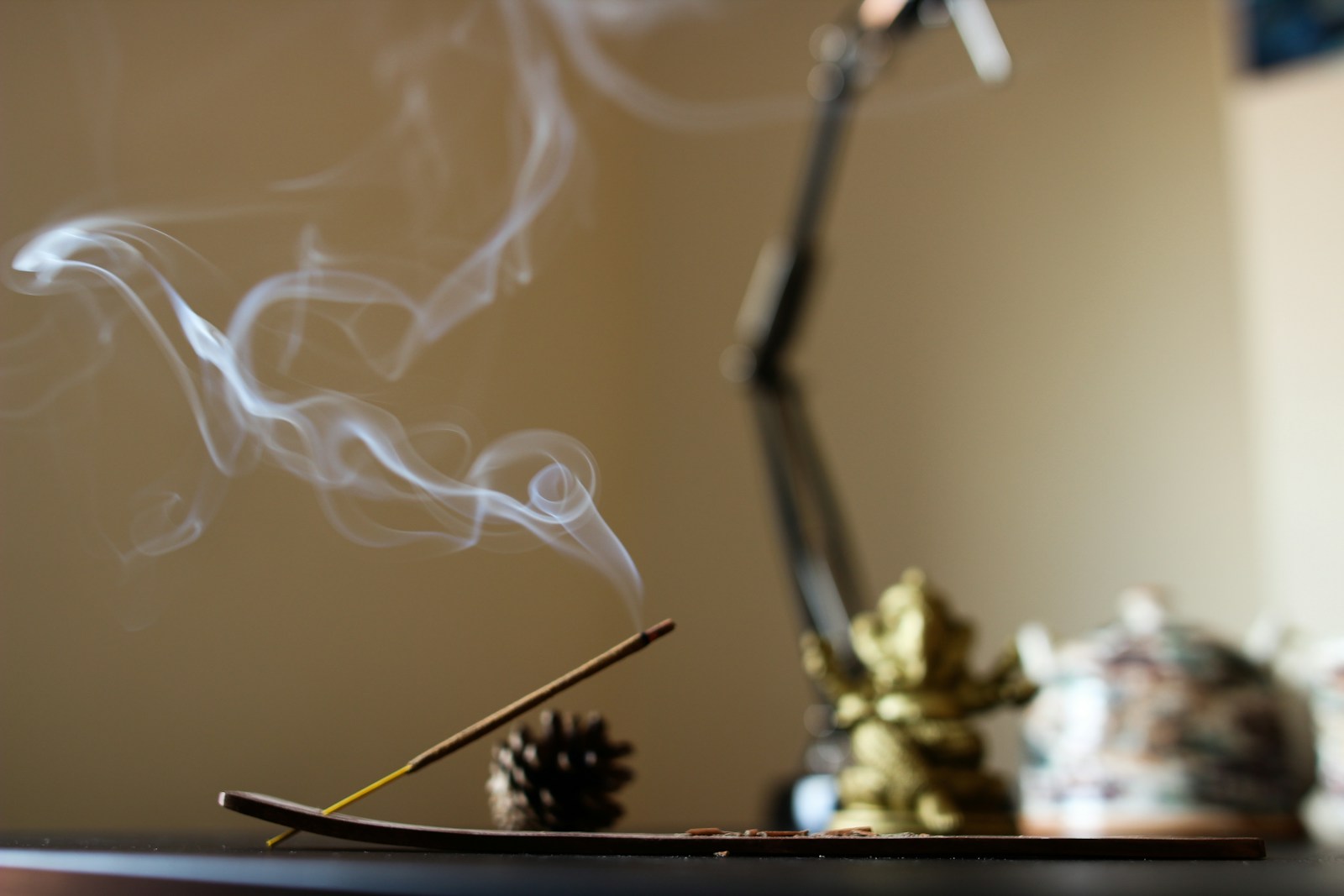
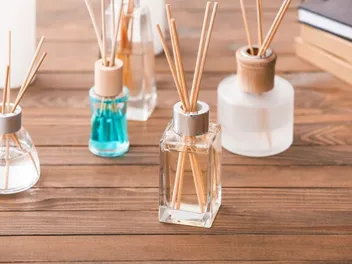
Incense is used in many homes to freshen the air in the home and cover unpleasant smells. Unfortunately, it is generally not considered safe for homes with cats. The exposure to the smoke from the incense can be irritating to your cat’s respiratory tract, and many oils and scents are irritating and even dangerous for your cat’s health, not to mention the risk of having an open flame or hot ash near a curious kitty.
Don’t be discouraged, though! There are some great ways to freshen up your home without putting your kitty’s health in danger. Here are some of the best cat-safe alternatives to incense.

The 5 Cat-Safe Incense Alternatives for Your Home
1. Keep the Air Clean

This isn’t an alternative to incense so much as a way to prevent needing anything to freshen the air in the first place. If you can keep the air in your home clean and clear, then you won’t have to worry about unpleasant smells.
Regularly changing your air filters will help decrease pet smells, and cleaning litter boxes at least once per day will keep icky smells at bay. You may consider adding a pet-safe air purifier to help absorb some smells, and in small spaces, baking soda or charcoal can be used to absorb smells.
Sweeping, mopping, and dusting will decrease some pet smells, and cleaning your furniture and washing linens regularly will help as well.
Pros
- Doesn’t require the addition of any scents or products
- Creates a more hygienic and pleasant environment
- Can improve the health of everyone in the household
Cons
- Requires a commitment to regular cleaning habits
2. Solid Air Fresheners
Air fresheners that don’t require burning or plugging anything in can be a relatively safe alternative to incense. However, it’s important to keep these out of the reach of your cat. Some curious kitties may try to chew on air fresheners, which can lead to serious concerns, like toxicity and intestinal obstruction.
Some cats may be sensitive to the scent of certain air fresheners, so if your cat has shown any respiratory sensitivities in the past, then you should keep air fresheners in a room away from your cat if you choose to use them.
Air fresheners are typically a budget-friendly way to deal with unpleasant smells in your home, and outside of replacing them regularly, they require no maintenance.
Pros
- Doesn’t require fire or electricity
- Available in a lot of scents
- Budget-friendly
Cons
- Must be kept out of the reach of cats for safety
3. Scented Candles

Scented candles are definitely a “handle with caution” option for replacing incense, and it’s important to pick scents that are not toxic to cats. Essential oils, like eucalyptus, tea tree, clove, pine, and peppermint, can be extremely dangerous for cats. Avoid scented candles that contain essential oils.
If you are going to burn scented candles, they should be kept well out of the reach of your cats. Ideally, you should not be burning candles in the same room as your cat unless the room is large and well-ventilated.
While candles produce significantly less smoke and ash than incense, they still have the potential to cause fire and respiratory irritation in your cat, so use them with caution and watch your cat closely for signs of irritation or toxicity, like drooling, vomiting, poor balance, sneezing, coughing, or wheezing.
Pros
- Lots of scent options
- Produces minimal smoke and ash
Cons
- Some scents pose risks
- Risks associated with fire and respiratory irritation remain
4. Febreze for Fabrics
This odor-removing product is made in scented and unscented varieties, and they do more than just provide a fresh scent. Febreze is formulated to eliminate odors at their source, whether that is on fabrics or in the air.
There have been some claims of Febreze being toxic to cats, but the ASPCA has determined that there is a minimal toxicity risk. On the skin, Febreze may cause minor irritation, and if ingested, there is a chance of stomach upset. It’s best to keep your cat away from anything you’ve sprayed until it’s fully dried.
It’s important to keep in mind that the safety of Febreze with cats only pertains to the Febreze products made for fabrics. Air freshener sprays are not considered safe for cats.
Pros
- Multiple varieties and scents
- Minimal toxicity risk
- Eliminates odors at their source
Cons
- Only Febreze for fabrics is considered safe for cats
5. Simmering Scents

One of the safest options for freshening the air in your home with kitties present is often considered to be an old realtor’s trick. Simmering aromatic items on your stovetop will release lots of pleasant smells without risking your cat’s health and safety.
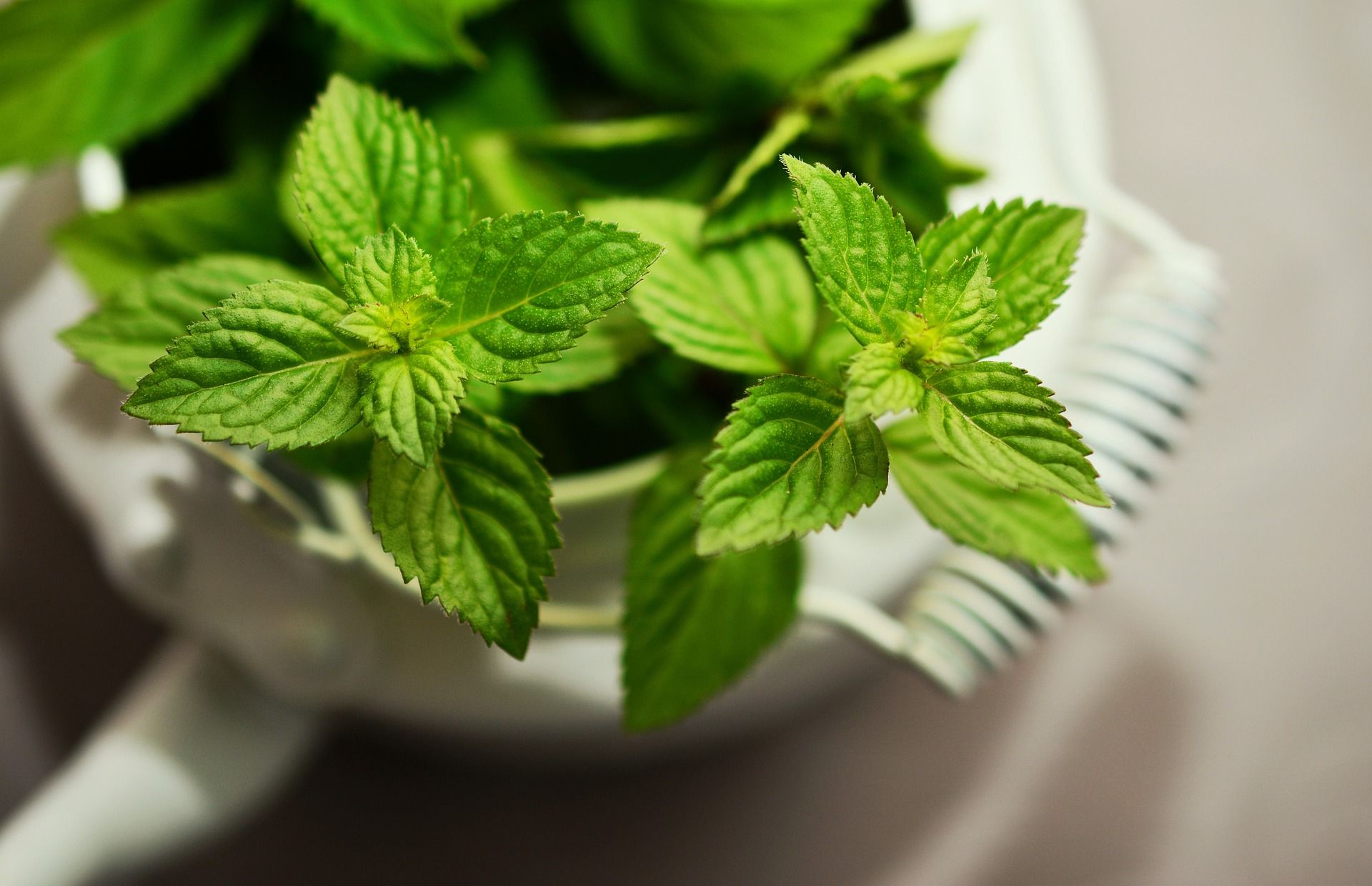
Simply add water to a pot and simmer it with the scent of your choice in it. Cinnamon sticks are a popular pick, as well as mint leaves, vanilla, whole cloves, and citrus peels. Cats typically are repelled by the scent of citrus, though, so it’s best to avoid these.
Never replace whole aromatics with essential oils in a home with cats. While simmering cinnamon sticks is safe for your cat, cinnamon essential oil can be dangerous.
The biggest downside to simmering aromatics is that you have to monitor the pot to ensure it doesn’t run out of water and burn or create a fire hazard.
Pros
- Extremely safe
- Multiple options are present in many homes
- Can be customized
Cons
- Requires close monitoring
Why Are Some Scents a Risk to Cats?
Many people significantly underestimate how sensitive our cats’ respiratory systems can be. Their respiratory systems are built differently from our own. Like dogs, cats also have a much better sense of smell than humans, coming in about 14 times stronger than ours. This means that scents that we find pleasant can quickly become overwhelming and stressful for our cats.
Just like with people, inhaling smoke is not good for cats, which is part of what makes incense so dangerous. We often take for granted how much larger we are than our cats, which means that our respiratory systems can often handle far more smoke and irritants than our cats’ can.
Asthma and other respiratory diseases are not uncommon in cats, and many scents and smoke-producing products can lead to dangerous exacerbations of these conditions.
Conclusion
Our cats have very sensitive respiratory systems, and incense should be avoided, as well as essential oils and air freshener sprays. There are multiple options that are safer than incense, although they all still require some level of risk.
The safest way you can have a fresh-smelling home is by keeping up with a regular cleaning schedule. If you can, you can consider investing in a strong air purifier to help eliminate odors. If you’re ever unsure if a product might be safe for your cat, talk to your vet. They are a great source of information to help you keep your feline friend safe.
See Also:
Featured Image Credit: congerdesign, Pixabay
Expert cat care, straight to your inbox
News, insights, and useful advice, delivered to you.

No spam — unsubscribe anytime.
By signing up, you agree to our Terms & Conditions and Privacy & Cookies Policy.
How useful was this post?
Click a star to rate. You can leave written feedback afterwards. (We read all feedback.)
Brooke Billingsley, a former veterinary assistant for nine years, became a nurse in 2013. She lives in Arkansas with her boyfriend of five years, surrounded by her beloved pets: three dogs, two cats, five fish, and two snails. Brooke has a soft spot for special needs animals, caring for a three-legged senior dog and a widely known cat with acromegaly and cerebellar hypoplasia. She has developed a keen interest in fish keeping and is always learning how to provide the best environment for her aquatic pets. In addition to her passion for animals, Brooke enjoys gardening and maintains a vegetable garden during the summer. She stays active with yoga and received her 200-hour yoga teacher certification in 2020. Brooke also hosts a podcast that delves into folklore and myth, dedicating her spare time to research and writing. She embraces the philosophy that every day is an opportunity for learning and growth, continually working to acquire new skills and knowledge.