Get

In Your Inbox

Catster is reader-supported. When you buy via links on our site, we may earn an affiliate commission at no cost to you. Learn more.

Do Cats Like the Scent of Vanilla? What You Should Know

Share

vanilla extract in a bottle

As any cat owner can tell you, cats can be set in their ways. If they like something, you know it. If they aren’t fans, they’ll show it. This goes for foods, treats, toys, and even scents around the house. While there are certain aromas cats simply can’t deny, such as meat, there are others you may enjoy that your cat could care less about. One of those scents is vanilla. Vanilla is a favorite scent of many to have around the house. It reminds us of home cooking and relaxing.

But do our cats like it? Every cat is different. You may have a cat who doesn’t care what smells are wafting around the house until a can of tuna is popped open. Some may enjoy vanilla and linger in the room where it is. Then again, your cat may hate the smell and escape to a different room for fresh air. It’s all up to the cat. What we can tell you, however, is that vanilla is not a scent that cats are normally attracted to when it’s in the air.

divider cat faces oct 2024

Cats and Smells

One thing you must remember about your cats is that they are obligate carnivores. This means they get all their nutrition from the meat they eat. We’re not saying that a few cat-safe veggies in their food aren’t okay, your cat simply prefers the protein inside. Knowing this information, it’s easier to understand why your cat comes running when you open a can of tuna, cook meat, or pop the top on their favorite canned food. Meat is their thing. If you’re a fan of coffee, it’s a bit similar. When you smell coffee, you can’t wait to enjoy it. That’s what your cat thinks when they smell meat.

Cats also smell much better than us. What may seem like a nice vanilla fragrance around the house to you could be far too overpowering for your kitty. This is thanks to their powerful little noses. You may have a vanilla candle lit that you think is pleasing, but to your cat, it could feel like it is too much. To avoid this type of issue, when you’re using anything with lots of aromas, give your cat a way to escape. Never close them up in a room where you have strong scents. Allowing them to rush off to their favorite hiding spot or a room with better ventilation will help keep them from getting stressed out over things.

a close up of an orange tabby cat
Image Credit: Sam Chang, Shutterstock

Essential Oils

While the scent of vanilla isn’t something that will attract your cat or harm them, the means of distributing that smell can be dangerous. Essential oils are toxic for your kitty. This is especially true for those that are 100% concentrated. Cats that inhale, digest, or get essential oils on their skin can become quite sick. Vomiting, diarrhea, and lethargy are a few signs of essential oil poisoning in cats. You may love using vanilla essential oils around the house, but a high concentration of it isn’t the best for your kitty and can be dangerous. Because cats lack an important enzyme pathway to process such oils, no essential oil is truly safe for your kitty.

Using Essential Oils Safely

Essential oil is not safe for cats. If you plan on using essential oils and have a cat, the best solution is to either avoid them or temporarily remove your cat from the room. If this isn’t possible, it is important to follow some general safety tips:

Guidelines for Using Essential Oils
  • Whenever possible, remove your cat from the room where you plan to use the essential oil.
  • Use the oil sparingly if absolutely necessary – a single drop is usually enough.
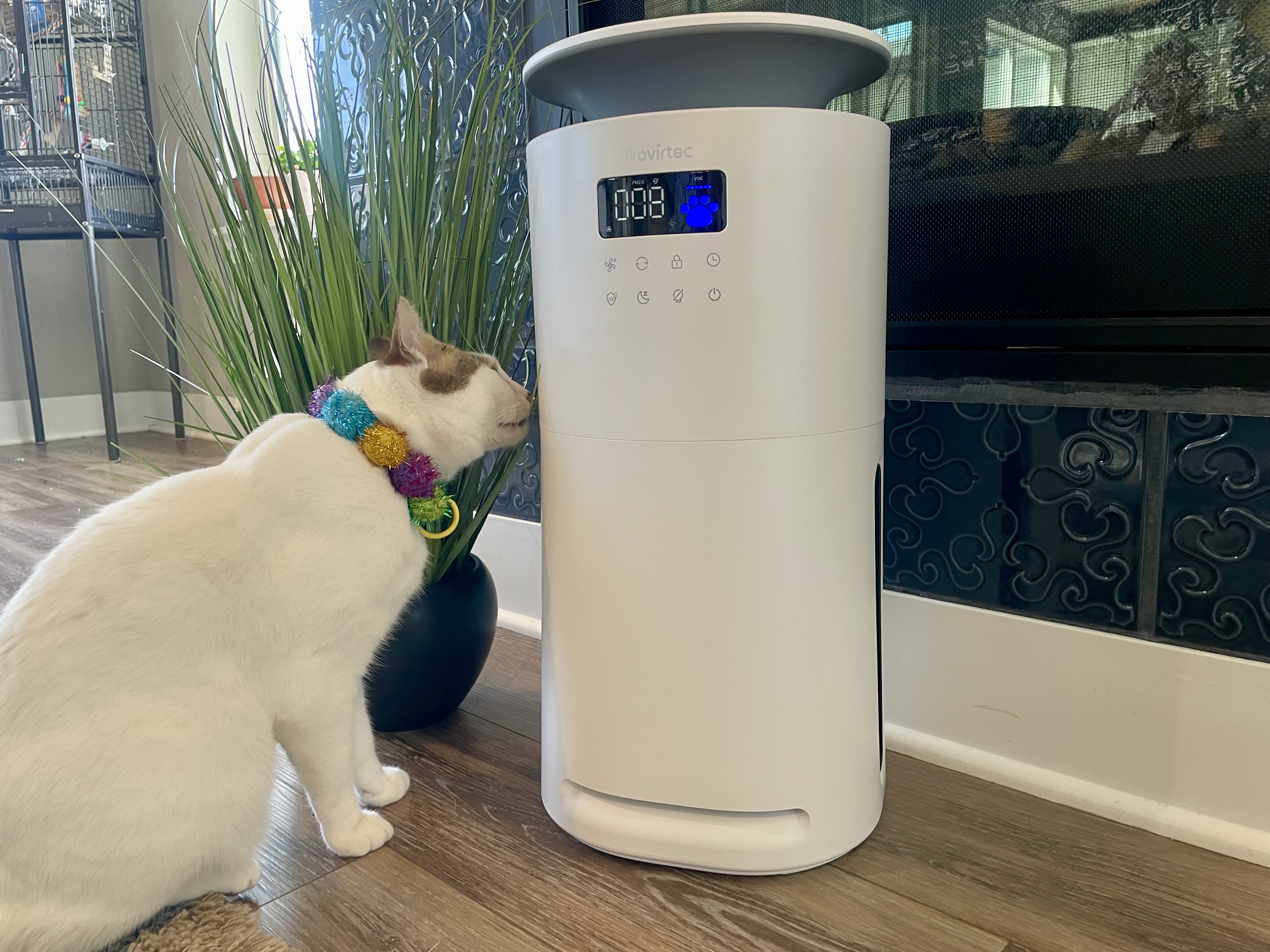
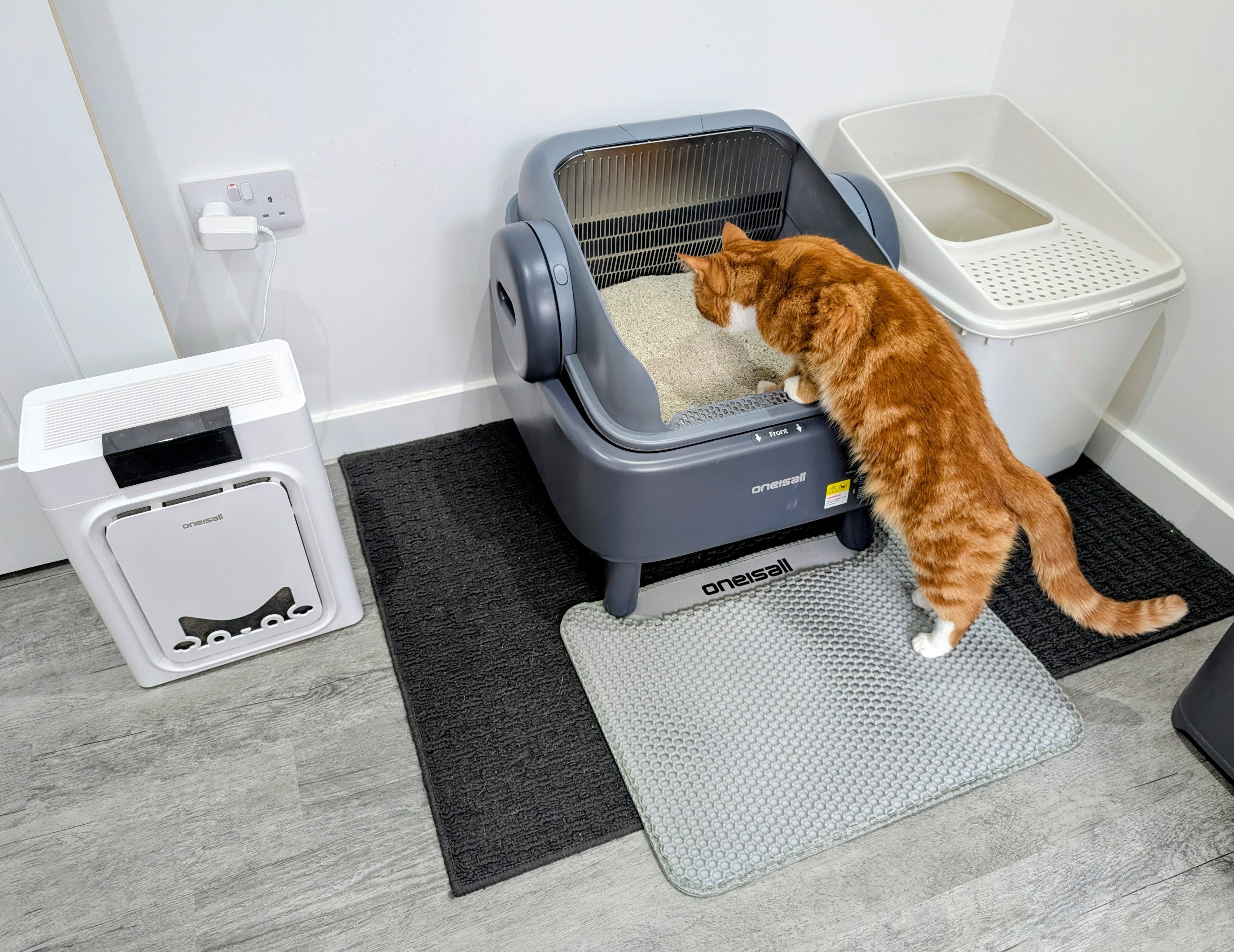
  • It is a good idea to use an air purifier if you ever choose to use essential oils. Air purifiers can offer protection against airborne particles, allergens, and pollutants that might be harmful to you or your cats.
  • Dilute the oil with water before using it on surfaces or objects, as this will reduce its strength and make it less harmful to your cat.
  • Never apply oils directly onto your cat’s skin and fur, as this can cause irritation and discomfort.
  • Be careful when using diffusers, as these spray tiny particles of essential oil around a room, which may land on your cat’s skin.
  • Keep all essential oils out of reach of cats as they can be attractive to them due to their strong scent.
  • Keep the area well-ventilated if you are using essential oils, and make sure your cat has access to fresh air.
  • Immediately stop using any essential oils if you ever notice your cat having an adverse reaction, and take them to your vet right away.

If your cat is pregnant, nursing, asthmatic, recovering from an illness, or has been diagnosed with any other health condition or ailment, always consult with your veterinarian before using any essential oils, aerosols, or diffusers around them. Essential oils should never be used around kittens. Again, it is important to note that using essential oils around cats is strongly discouraged. While some holistic veterinarians are specially trained to use therapeutic-grade essential oils in pets, these decisions are best left to professionals.

divider cat faces 2 oct 2024

Final Thoughts

For fans of vanilla, the aroma and the nostalgia it provides, you can safely use it around your home. If your kitty is one of those who doesn’t jump and run when they smell it, you’re in luck. Vanilla may not be their favorite thing to smell, but not all cats will hate it. In most situations, your cat is going to be indifferent to vanilla. A word of caution, however, for those who enjoy using vanilla essential oils to make their homes smell great. These oils can be dangerous for your kitty, so proceed with caution.

See also:

Sources

Featured Image Credit: Maren Winter, Shutterstock

Want content like this delivered to you?

Sign Up For Our Newsletter

News, insights, expert advice, and everything cat

* By submitting, you agree to our Terms & Conditions and Privacy & Cookies Policy.


How useful was this post?

Click on a star to rate (you can leave written feedback after clicking submit)

Help us improve Catster for pet parents!

Your feedback really matters.

What did you like about this post? Also how can we improve it?

Join the conversation

Leave a Reply

You’re very welcome to leave a comment or question. Please know that all comments must meet our community guidelines, and your email address will NOT be published. Let’s have a positive and constructive conversation.


Catster's Digital Magazine is Back!

Vet-approved health & behavior advice

Real cat stories & community features

Your Cat Isn’t Picky – Their Nose Is Just Bored

If you’ve ever sighed while scraping uneaten cat food into the trash, you’re certainly not alone. Many cat owners know the routine: their...

Ask Dr. Paola – Help! My Kitten Won’t Use the Litter Box! (July 27, 2026)

Welcome to our “Ask Dr. Paola” series, where every Monday we bring expert advice straight from Dr. Paola Cuevas (MVZ) to help our...

Chatting with Petra Luna About CatCrazy, Cat Food Ingredients & The Secret of E-Beams | Chatty Cattys, Episode 28

In this episode of Catster’s Chatty Cattys podcast, Nicole and Dr. Karyn welcome back Petra Luna from CatCrazy to catch up on her...

According to Vets, Most Owners Miss These Signs That a Cat is Sick

Cats are famously good at hiding discomfort. It is not stubbornness or indifference; it’s a deeply ingrained survival instinct. In the wild, showing...

More related

145 African Cat Names: Great Ideas for Your Beautiful Cat

African culture is ideal for looking for beautiful, exotic cat names. After all, it’s where the King of the Jungle lives. Maybe you...

How to Get an Older Cat to Accept a Kitten: 7 Vet-Approved Steps

Adding a new kitten to your family can be a fun time, but what if you already have an adult cat at home?...

Siamese Kittens For Sale in Oklahoma: Breeders List 2026

Catster advocates for adopting before shopping, though we fully understand there are many reasons for seeking a breeder. So, we encourage it to...

A Century of Helping Cats: Inside the Work of Cats Protection

For nearly a century, Cats Protection has worked toward one simple but powerful goal: creating a world where every cat is protected, cared...

Keep reading

Is Kibble Bad for My Cat? Vet Reviewed Facts & FAQ

Cats are family members, and they deserve the best possible care, including the most nutritious diet possible. But there’s tons of information online with varying suggestions regarding feline nutrition. Some articles state that kibble is bad for cats. Others suggest...

kibble-pixabay

Is Dieffenbachia Toxic to Cats? Vet-Reviewed Houseplants Examined

Dieffenbachia is a common house plant favored by many because it is tolerant of shade, so it can grow well in a houseplant collection. Plus, it comes in a good variety of appearances. While it is a popular houseplant, it...

Catster_Is Dieffenbachia Toxic to Cats

My Cat Is Bored but Won’t Play, What’s Wrong? 6 Common Reasons

Most cats play throughout their life, though they are most playful in their kitten years.Under human care, cats don’t need to hunt or do many other things to aid in their survival. Therefore, they often have a lot of pent-up...

sad, bored or sick cat

How to Find a Cat-Friendly Vet: 5 Vet-Reviewed Steps

If you’ve just moved or recently adopted a cat, and you’re looking for a vet to take them to for their checkups and medical emergencies, there are some surefire ways to determine if a vet is good for you and...

vet and assistant holding cats

10 Best Cat Treats (Healthy & Tasty) in 2026 – Reviews & Top Picks

It’s a truth universally acknowledged among cat owners that our kitties deserve all the treats. But what should we do when our cats are a little on the chubby side and we need to make sure they don’t overeat? The...

Bengal cat and the owners hand with a treat on the background of the room

Why is My Cat Foaming at the Mouth? 5 Vet Reviewed Reasons & Advice

It’s the end of a long day of work when you arrive home, looking for your favorite furry feline. No one comes to greet you at the door, which is a rare occurrence, so you go looking for Miss Kitty...

Orange cat drooling

Why Do Cats Get the Zoomies After They Poop? 4 Vet-Verified Possible Reasons

Has your cat been acting strange after they poop? Perhaps they meow loudly and run manically around the house for a few minutes, bouncing off walls, and skidding across the floor before calming down. You might be unsure what’s causing...

young tortoiseshell and white norwegian forest cat lying in bed

Can Cats Eat Thyme? Vet-Reviewed Facts

Cats are obligate carnivores, which means the vast majority of their dietary intake should come from meat and other animal-based ingredients. However, it is not unusual for cats to also be given fruit, vegetables, and certain herbs, especially in commercial...

Can Cats Eat Thyme

Love Cats? So Do We! Join the Catster Community

Stay informed with expert pet care insights delivered straight to your inbox! Discover professional guidance on animal behavior, feeding tips, trusted product picks, and much more.


Sign up for the Catster Email Newsletter

Stay informed with expert pet care insights delivered straight to your inbox! Discover professional guidance on animal behavior, feeding tips, trusted product picks, and much more.