Get

In Your Inbox

Catster is reader-supported. When you buy via links on our site, we may earn an affiliate commission at no cost to you. Learn more.

Does Sevin Dust Kill Fleas on Cats? Vet-Verified Risks & Safety Info


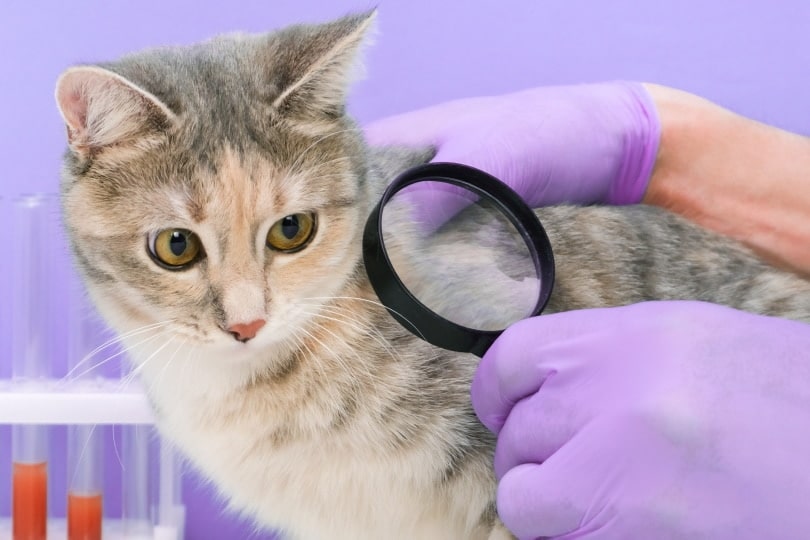
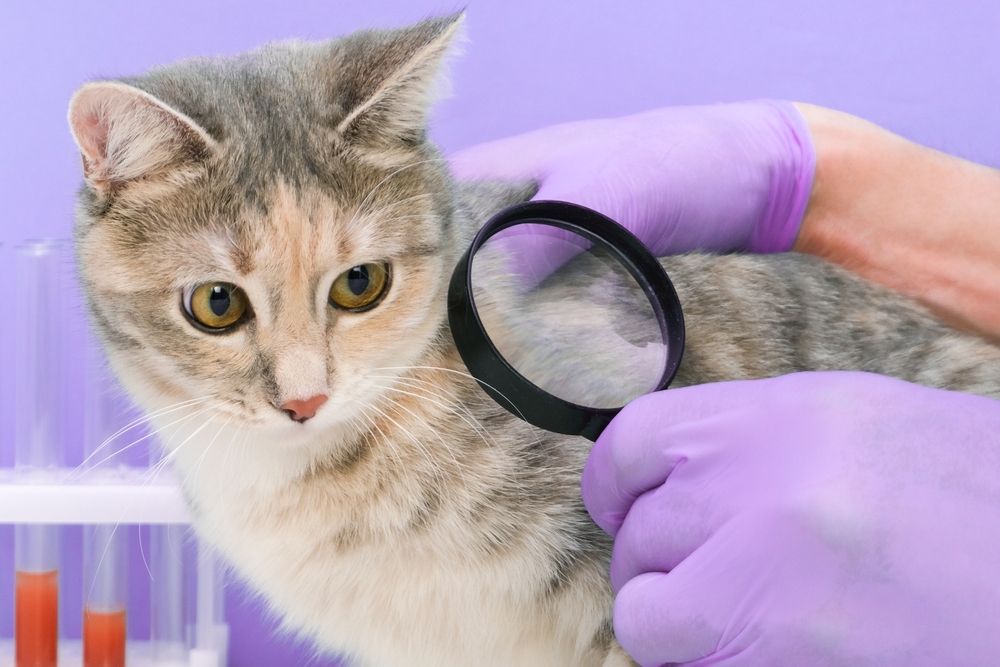
vet holding magnifying glass searching cat fleas

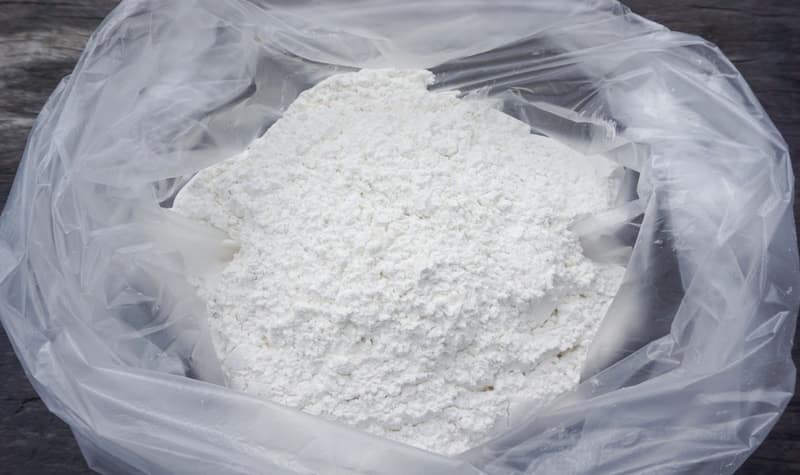
Sevin Dust is an insecticide with active ingredients, including carbaryl, bifenthrin, and zeta-cypermethrin. It is commonly used in garden spaces to kill unwanted pests. Sevin Dust should never be used directly on your cat, it is highly toxic to cats.

In this article, we will discuss why Sevin Dust is dangerous for cats and which flea treatments are safe for cats, so keep reading to learn more.

divider cats oct 2024

A Note From Our Veterinarian

Please note that the manufacturer for this product has changed its formulation. Sevin now uses a synthetic permethrin (pyrethrin) known as bifenthrin as its main active ingredient. Pyrethrins are toxic for cats, and bifenthrin is no exception to this rule. Therefore, extreme caution should be used when using this product.

For your pet’s safety, we strongly advise you to consult your veterinarian whenever you’re keen on using a flea product on your cat. Your veterinarian would have access to your pet’s medical history, can help you diagnose a flea problem (remember that not all itch is caused by fleas), and prescribe a treatment plan that’s safe and effective for your cat.

Does Sevin Dust Kill Fleas?

Sevin Dust is a garden and yard product. It must not be used directly on animals and must be used with appropriate safety precautions 1. It is highly toxic to cats and fish. Sevin Dust is manufactured to eradicate insect pests, including fleas. It is reportedly effective at killing fleas, and it remains active for long periods. However, for Sevin Dust to kill fleas, it must come in direct contact with them.

One downside to Sevin Dust as a flea killer is that it does not repel fleas or kill the eggs (although it can kill larvae). Likewise, Sevin Dust can only be used outdoors. It can eradicate fleas from outdoor spaces but never on pet bedding or pets.

Cat with fleas
Image Credit: Maja Marjanovic, Shutterstock

How Long Does Sevin Dust Last After Application?

A great benefit to Sevin Dust is that it lasts for 3 months. However, rain or other inclement weather can wash away the Sevin Dust and decrease its effectiveness. Once the 3 months have passed or the effectiveness has worn off, you can reapply it.

Keep track of when you apply Sevin Dust to your yard or outdoor area, especially if your cat plays outside. Since it can be active for so long, you must keep your cat away from the spots where the product was applied. Exposure to the insecticide can lead to disastrous consequences for your cat. Follow the manufacturer guidelines for proper use and exclusion times for pets.

divider cats oct 2024

Why Is Sevin Dust Dangerous for Cats?

Sevin Dust is dangerous to cats because it contains insecticides known as pyrethrins. Pyrethrins are toxic to cats since they cannot effectively metabolize the chemicals through their liver. Toxicity from insecticides can occur due to overexposure or misuse of the product.

Applying Sevin Dust directly to your cat is an example of misuse.  Fortunately, the pyrethrins in Sevin Dust aren’t in a high concentration, reducing the risk to cats.

Another way that cats can come into contact with pyrethrins is by owners mistakenly applying a dog flea product on their cat or the cat grooming it off a dog. Flea products for dogs have a concentration of around 40%–50% pyrethrins and are highly toxic to cats.

close up fleas on cat
Photo Credit: KanphotoSS, Shutterstock

Signs of Insecticide Toxicity in Cats

If you suspect your cat may have been exposed to pyrethrins, contact your veterinarian immediately.  There are some signs that you can watch out for, but some cats will not exhibit every sign listed in this article.

Occasionally, some cats may even display signs opposite to those mentioned below. However, there will almost certainly be a clear indication that something is wrong with your cat, either due to physical signs or strange changes in behavior.

Signs of insecticide toxicity include:
  • Vomiting
  • Diarrhea
  • Fever
  • Depression
  • Excessive salivation or drooling
  • Anorexia
  • Muscle tremors
  • Heightened heart rate
  • Constricted pupils
  • Lack of coordination or difficulty walking
  • Difficulty breathing
  • Seizures

If you notice any of these signs, contact your vet immediately, remove your cat from the environment where the insecticide is (such as the garden), and stop using the product entirely.

If you need to speak with a vet but can't get to one, head over to PangoVet. It's an online service where you can talk to a vet online and get the advice you need for your pet — all at an affordable price!

PangoVet_Mention-in-Content for PangoVet2 save money

divider cats oct 2024

What Are the Flea Treatment Products Available for My Cat?

owner with gloves applying flea treatment to cat
Image Credit: Anastasiya Tsiasemnikava, Shutterstock

While Sevin Dust is not a safe product for your cat, plenty of feline flea treatments are available to help you out. You can find shampoos, powders, sprays, topical treatments, and oral medications. However, avoid using commercial products and rely on your vet for an effective prescription.

Cats should never be exposed to a flea killer designed for dogs since it contains toxic chemicals that can harm them. Your vet can prescribe a topical treatment that kills the fleas in hours and protects your cat for up to 3 months.

Although vet-approved flea treatments are effective, you must also treat your home for fleas. Sevin Dust cannot be used in your home, and some store-bought pesticides can harm your cat. It’s best to contact a professional exterminator who uses pet-friendly chemicals to eradicate the flea population on your property.

divider cats oct 2024

Final Thoughts

Sevin Dust is an effective insecticide that is not designed for treating feline flea infestations. When Sevin Dust comes into contact with our beloved pets, toxicity can occur. It can be used outside to kill pests by carefully following the manufacturer’s guidelines. Therefore, it is best to contact your vet to determine which flea treatment is right for your cat.

Related Reads:


Featured Image credit: lev.studio, Shutterstock

Want content like this delivered to you?

Sign Up For Our Newsletter

News, insights, expert advice, and everything cat

* By submitting, you agree to our Terms & Conditions and Privacy & Cookies Policy.

How useful was this post?

Click on a star to rate (you can leave written feedback after clicking submit)

Help us improve Catster for pet parents!

Your feedback really matters.

What did you like about this post? Also how can we improve it?

Join the conversation

Leave a Reply

You’re very welcome to leave a comment or question. Please know that all comments must meet our community guidelines, and your email address will NOT be published. Let’s have a positive and constructive conversation.

Talk With A Vet Online

Peace of mind,
anywhere, anytime

Affordable vet advice

How to Get a Cat’s Attention: 12 Vet-Approved Tips & Methods

Have you ever sat and watched your cat walk around you like you weren’t even there? If so, don’t feel lonely. This is...

Can Cats Eat Kiwi? Vet-Verified Facts & FAQ

Kiwi is a delicious summer fruit to enjoy in a fruit salad, smoothie, or simply on its own; plus, it has a host...

Singapura Cat Size Compared to Other Cats (With Pictures)

If you are unfamiliar with the Singapura Cat, it’s understandable. She only made her way to the Western world in the 1970s. As...

Can Cats Eat Bagels? Vet-Approved Facts & FAQ

Bagels are delicious breakfast staples enjoyed by people around the world. To create this wondrous deliciousness, bakers make dough, let it rise, and...

More related

How to Tell if Your Cat Has Separation Anxiety: 8 Vet-Reviewed Signs to Look For

You may have heard about dogs having separation anxiety, but this condition can affect cats, too. If you’re wondering if cats can have...

Why I Allow Our Cats on the Countertops: Dr Karyn’s Perspective

Hi, I’m Dr. Karyn! Read my introduction to learn more about me and meet my five hilarious cats: Clutch, Cyril, Alex, Zelda, and...

8 Best Cat Scratching Posts in the UK in 2025 – Reviews & Top Picks

Cats love to scratch and, as well as being a means of maintaining and sharpening their claws, it offers a way to mark...

Jesse Hunter Visited 44 Countries for His Photo Book, “All the Cats in the World”

People estimate that the world is home to approximately 600 million cats. Consider that for a moment: What a grand amount of cats,...

Keep reading

Feline Upper Respiratory Infection: Vet Reviewed Causes, Signs & Care

Respiratory infections are unfortunately pretty common in cats, but are they something your cat will get over, or do you need to take them in to see the vet? And what about secondary illnesses? We’ll take a closer look at...

A cat having a check-up at a small animal vet clinic

Reintroducing Cats After the Vet: Feline Non-Recognition Aggression Explained

Feline non-recognition aggression is a phenomenon that occurs when one cat has been away from the house and, on their return, the home cat acts aggressively towards them. The returning cat will usually become defensive, and the two may end...

two-cats-armwrestling-fight-battle

Does Fish-Flavored Cat Food Cause Hypothyroidism? Vet-Approved Facts

Just like humans and dogs, cats can suffer from hypothyroidism, though it is quite rare. This endocrine disease is mainly due to the decrease in the secretion of thyroid hormones, which when in short supply, cause an imbalance in the...

cat eating food in the bowl

Fish Oil Benefits for Cats: Vet-Approved Tips & Health Effects

While shopping for cat food you may have noticed that many recipes include fish oil in their ingredient list, especially higher-quality recipes. You may have even seen some fish oil supplements on the shelves of your local pet store. Fish...

cat reaching out on fish oil capsules

Why Are Cats So Much Sassier Than Dogs? Vet-Verified Personality Traits Differences

Before attempting to answer whether cats are sassier than dogs, it’s important to ensure we’re all on the same page, as the term sassy is a bit imprecise. According to the Merriam-Webster dictionary, sassy has three meanings—impudent, lively, and stylish...

dog and cat on floor

Can Cats Eat Hamburgers? Vet-Approved Feline Treats

Cats are meat-eaters, and what is more carnivorous than a juicy burger made with ground beef, pork, chicken, or other meat? As long as the burger is properly cooked, is not processed, does not contain additional ingredients, like onion or...

Can Cats Eat Hamburgers

Can Cats Eat Lizards? Vet-Verified Facts & FAQ

Cats are known to catch and eat lizards, but luckily, most lizards are harmless. They shouldn’t cause any problems for your cat, though some may cause an upset stomach simply because your cat isn’t used to eating them. It isn’t...

Can Cats Eat Lizards

How Do Cats Hunt Mice at Night? Vet-Approved Cat Behavior Guide

We all know the relationship between cats and mice. If a mouse is in your house, whether your cat is the world’s laziest hunter or the best, they will probably notice. Knowing of the relationship between cats and mice may...

black and white young cat looking at a mouse outdoor