Does Lavender Oil Kill Fleas on Cats? Vet-Reviewed Effectiveness & Safety Explained


In this article
When your cat has a flea infestation, it can be tempting to look for an all-natural cure like lavender oil. However, lavender oil is much more adept at repelling fleas than killing them, so any usefulness from this essential oil will be limited. Not only is lavender oil an ineffective insecticide, but it is also dangerous for your cat. When you see fleas on your feline, your first step should be to make an appointment with your vet for treatment.
Nothing is worth risking your cat’s health over, much less a weak insecticide. In this article, we look at how lavender oil negatively affects your cat and effective ways to get rid of fleas.

Why You Should Never Use Lavender Oil on Your Cat
Many people mistakenly believe that natural products are safer and healthier for their pets, and some manufacturers push the idea that essential oils are safe and effective flea treatments for cats. However, essential oils can have hazardous effects on your cat’s health. In the instance of lavender oil, the consequences can be toxic.
Effects of Essential Oils
Most toxins and other chemicals are processed through your cat’s liver. When processing essential oils, feline livers lack the necessary enzymes to manage the oils adequately. This is especially true with young cats, kittens, and cats with liver conditions. The inability to process essential oils means exposure to these oils can quickly grow toxic.
It doesn’t take much exposure for your cat to develop concerning health effects. A few licks of oil or even a dollop absorbed through the skin is enough to cause issues. Since essential oils have strong fragrances, your cat may be enticed to lick the area where the oil was applied. Even if your cat is not interested in the essential oil on their skin, cats are fastidious groomers, so the chances of ingestion remain high enough to be concerning.
The effects of essential oil poisoning are staggering. Signs that your cat is suffering from ingesting or absorbing an essential oil include vomiting, drooling, and weakness. The oil can burn your cat’s mouth if ingested, leading to redness and pawing at the mouth. In more severe instances, you may notice your cat struggling to walk, experiencing muscle tremors, or lacking coordination.

Are Essential Oils FDA Approved for Cats?
Neither pure nor diluted essential oils have been FDA approved for use with cats. There are also very limited studies done to check the effectiveness and safety of using essential oil flea treatments on cats; thus, the efficiency of lavender oil as an insecticide is questionable at best. If a commercial flea eradication product includes lavender or other essential oils, it is best to avoid it altogether.
Which Essential Oils Are Dangerous for Cats?
All essential oils can harm cats, but some hold a higher risk.
When it comes to essential oils that are advertised as flea killers, you should avoid these:
Exposure to these essential oils can cause severe issues for your cat, so if you have them in your household, keep them secure and out of reach. Do not apply them as a flea treatment.
Other Dangerous Natural Flea Treatments
Other natural flea treatments besides essential oils pose significant risks to your cat. Although some cat owners may have told you otherwise, avoiding the following natural flea remedies is best.
- Garlic: The Allium genus is incredibly toxic for cats and dogs, and it can lead to anemia and other significant health complications.
- Apple cider vinegar: Apple cider vinegar is an ineffective flea killer, and ingesting too much can cause harm.
- Baking soda: While baking soda can have helpful uses for pet owners, flea eradication is not among them. Plus, if your cat consumes too much, it can cause worrying health problems.
- Coconut oil: There are benefits to coconut oil, but there are also risks, such as pancreatic inflammation if too much is ingested. It is not an effective flea treatment.
- Mouthwash: Some homemade remedies claim that Listerine and other mouthwashes can eradicate fleas, but that is not the case. Plus, the boric acid in most mouthwashes makes it a dangerous choice for cats.
What to Do If You Suspect Your Cat Has Absorbed Essential Oils
If you believe that your cat has ingested or absorbed essential oils, it is vital that you act promptly. Call your veterinarian or the Pet Poison Helpline right away. The sooner your cat receives treatment, the better the prognosis.
There are a few things to remember if you think that your cat has developed essential oil poisoning. First, do not attempt to induce vomiting in your cat since it will only make the situation worse. Likewise, do not give your cat activated charcoal. If there is any essential oil on their skin or coat, you will need to wash it off. Grab whatever essential oil product you believe your cat has absorbed, seal it, and take it with you to the vet.

How Is Essential Oil Poisoning Treated?
Your veterinarian will likely run blood tests to determine whether your cat’s kidneys or liver have been affected. Your cat may require IV fluids and soft foods with a feeding tube if they need to rehydrate or recover from burns. Your vet may also prescribe antibiotics, pain medication, and medication to protect the liver.
How to Get Rid of Fleas
Due to the high risks associated with essential oils, it is best not to use lavender oil or other essential oils as a flea treatment. Taking your cat to the vet when you discover fleas is the safest method to treat your cat. Your vet can recommend the most effective treatment plan to eradicate pests as quickly and safely as possible.
You can also implement these methods to remove fleas from your pet:
- Brushing/Grooming: Daily combing can help to remove fleas, larvae, and eggs faster. A specialized flea comb may be even more effective.
- Vacuuming: Vacuuming your home thoroughly once or twice a day will reduce the population in your home but will not eradicate the pests.
- Shampoo: Feline flea shampoo is an excellent supplement for most flea treatments. Read the instructions carefully, and use it properly to ensure effectiveness and safety.
Final Thoughts
Although essential oils can be useful for many things, they are not efficient flea killers, nor are they advised for use with cats. The best way to get rid of fleas is to consult your vet and follow the treatments recommended. After treating your cat, you’ll need to kill the fleas in your home and yard. Although you can find several homemade formulas online, it’s best to contact a pest control service to eliminate fleas and prevent future outbreaks.
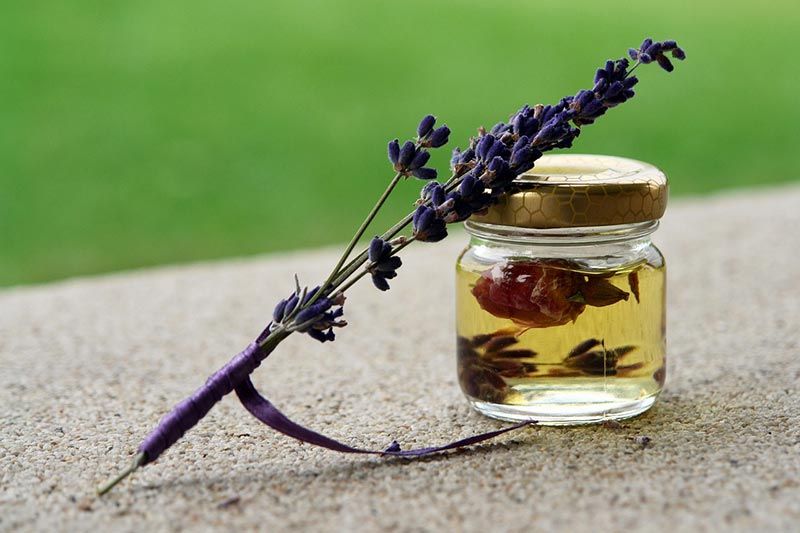
Featured Image Credit: ha11ok, Pixabay
Expert cat care, straight to your inbox
News, insights, and useful advice, delivered to you.

No spam — unsubscribe anytime.
By signing up, you agree to our Terms & Conditions and Privacy & Cookies Policy.
How useful was this post?
Click a star to rate. You can leave written feedback afterwards. (We read all feedback.)
Cats are Jordyn’s passion. Whenever she has the opportunity she loves to learn about animals and share her knowledge with everyone. She is devoted to her sassy tabby cat named Jack and works hard to buy him his favorite treats and toys. Discovering new ways to better care for her cat is always on her to-do list, and she is eager to help pet parents everywhere. In Jordyn's spare time, she loves to write, read, and take long walks. She has a creative spirit, which often helps her to come up with funny cat names.