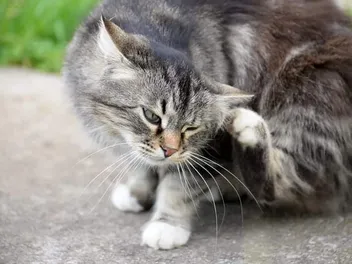
Does Boric Acid Kill Fleas on Cats? Vet-Reviewed Use & Safety Guide


In this article
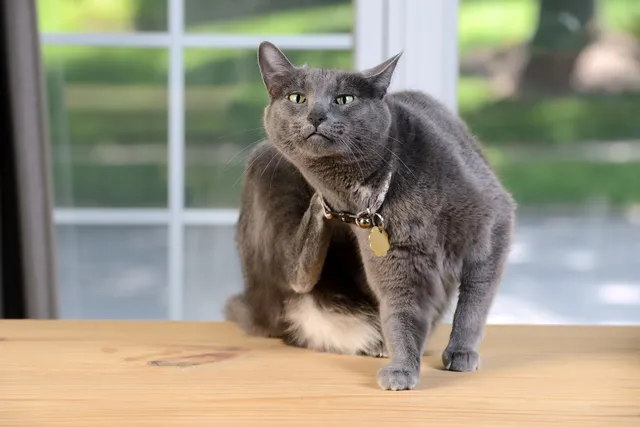
Having fleas on your pet and in your home is a terrible nuisance. Not only do they cause skin irritation for your pets, but they can also lead to other, more serious health problems.
There’s also considerable aggravation when it comes to eradicating them! Finding safe flea treatments for your family and your cat is paramount. Boric acid can be helpful in getting rid of fleas and other pests in the environment, but it should never be used directly on your cat.
In this article, we'll explain how boric acid eliminates fleas and how it should be used in your home so your cat and family can be safe and flea-free.

What Is Boric Acid?
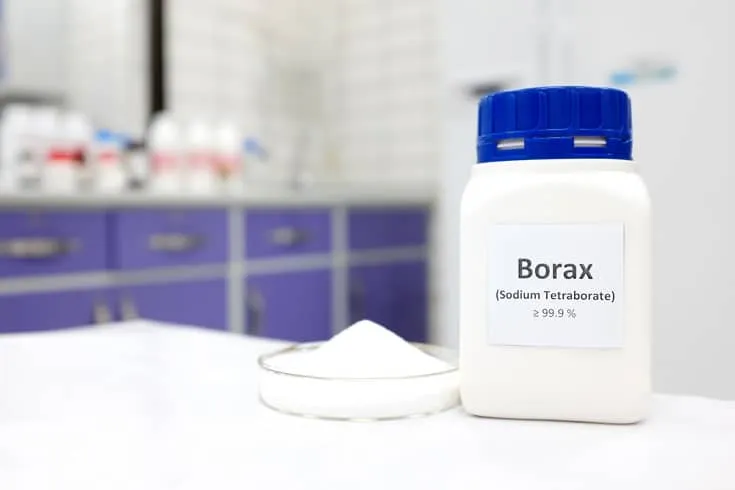
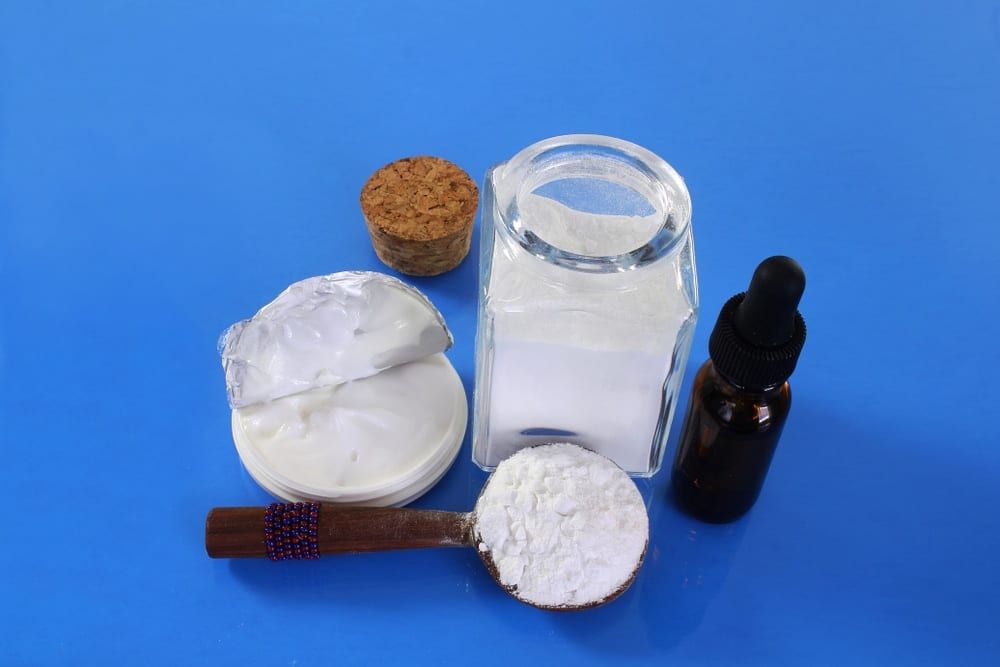
Boric acid comes from boron, a naturally occurring element that forms borates when combined with oxygen and other elements. Borates are widely distributed in nature and can be used as pesticides.¹
A few natural sources are:
Boric acid is also used in many commercial products, including:
Boric acid is in products and foods approved to be safe. Still, avoiding using too many products with boric acid is a good idea to prevent overexposure.
Check labels for:
Overall, if boric acid is used correctly, it can eradicate fleas. However, if you want to use boric acid, you should only use EPA-approved products to ensure the safety of people, pets, and the environment.
How Does Boric Acid Kill Fleas?
First, boric acid kills the flea larvae but not the flea eggs directly, so you’ll need to treat your home multiple times, especially if you have a serious infestation, as the eggs will eventually hatch, and you’ll have a new cycle of fleas.
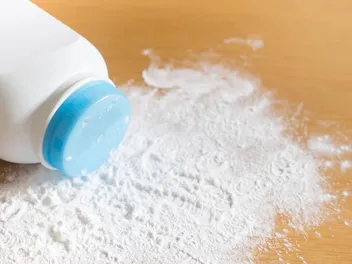
The four life stages of fleas are eggs, larvae, pupae, and adults. Boric acid works best in powder form, which will penetrate the exoskeleton and kill the flea by dehydrating its organs upon contact. You can vacuum the area you want to treat, sprinkle the boric acid over carpets, crevasses, upholstery, or bedding that is the focus of the infestation, and then vacuum it up after it sits for a day or two.

What Are the Steps for Using Boric Acid for Fleas?
Boric acid should only be used on surfaces in the home and never on the cat. You can follow the steps below to treat your home for fleas, but this is simply a general list, as you’ll need to follow the instructions of the product you're using.
For your safety, you should wear a disposable mask while applying boric acid and vacuuming. Additionally, your pets or family should not be allowed to enter the treated rooms until the final vacuuming is done.
1. Vacuum
Start by vacuuming all fabric in the home, including carpets and upholstery.

2. Clean
Throw away the vacuum bag or clean your vacuum’s filters.
3. Free Space
Remove everything loose off the floor, including plants, shoes, bags, etc.
4. Apply Boric Acid
Apply a fine layer of the boric acid powder to the carpets and fabrics.

5. Brush & Saturate
Work the powder into the upholstery and carpet using a brush until fully saturated.
6. Final Vacuum
Vacuum it up after 1 to 2 days. You’ll need to treat your cat for fleas separately using a vet-recommended product that is effective against all flea life stages. If the flea infestation is severe, you’ll probably have to repeat these steps as often as possible.
About a month after the eggs, larvae, and fleas are gone, you should shampoo your upholstery and carpets. Also, bear in mind that the boric acid might discolor your fabrics, so you’ll want to conduct a pre-test on an inconspicuous area.

When Is Boric Acid Dangerous for Cats?
Boric acid is only dangerous to cats if they ingest or inhale a significant amount. This can happen if you apply it on your cat and they lick it off or if they roll on a treated carpet.
If a cat has accidentally licked a tiny amount of boric acid, there typically won’t be any problems associated with it; however, if you notice any abnormalities on your cat or are unsure about the amount ingested, contact your vet immediately.
Signs of Poisoning
If a cat does ingest boric acid, these are the signs of toxicity:
If the boric acid is on the cat’s skin, it might cause irritation, redness, and swelling, and if inhaled, it can lead to lung issues.
What Should You Do When You’ve Treated a Room for Fleas With Boric Acid?
While working with boric acid, you should wear gloves, a mask, long pants, and a long-sleeved shirt. Also, open a few windows. It isn’t overly toxic to humans but can cause skin and eye irritation. Once the room is done, you should close it off to your children and pets until you’ve shampooed everything.

Is Boric Acid the Best Treatment for Fleas?
While it can work well in some instances, boric acid isn’t the safest or most cost-effective method. Also, you can only use it in rooms. Diatomaceous earth has a similar effect as boric acid, but it might be easier to find and less expensive. However, you’ll still need to treat your cat separately.
The Best Methods for Killing Fleas on Cats
Getting rid of fleas may take time, but it’s possible if you apply vet-approved treatments on your cat and all the pets in the household. You can also follow these tips:
| Combing: | Using a flea comb daily effectively removes dead fleas and flea dirt from your cat. Fleas congregate at the base of your cat’s tail, neck, groin, and armpits. |
| Shampoos: | This is tricky because most cats dislike baths, but you can consider using a cat-safe flea shampoo recommended by your vet and following the instructions carefully. |
| Vacuum: | You’ll need to vacuum routinely, throw out the vacuum bag, or thoroughly clean the filter if it’s bagless. |
| Take care of the yard: | If your cat got fleas while outside, you might want to reconsider their outdoor exposure. If you can’t or the fleas come in with the dog, you must treat your yard for fleas. You can also break out the trusty boric acid or diatomaceous earth! |
For flea prevention for your cat, you’ll want oral or topical flea preventatives that your vet can prescribe.
Conclusion
Boric acid is safe for cats if you follow the directions carefully and keep your cat away from the room while it’s being treated. Poisoning can occur if a cat gets some on their fur and licks it off or inhales a cloud of it.
Speak to your vet before you buy boric acid (or diatomaceous earth) and get their input. Your cat’s and your family's safety should always be paramount. Flea prevention will make everything much easier because you don't have to worry about eradicating fleas and using boric acid.
Related Reads:
Epsom Salt Bath for Fleas on Cats: Is It Effective? Vet Approved Facts & FAQ
Does Lavender Oil Kill Fleas on Cats? Vet Approved Facts & FAQ
Sources
Featured Image Credit: Gv Image-1, Shutterstock
Expert cat care, straight to your inbox
News, insights, and useful advice, delivered to you.

No spam — unsubscribe anytime.
By signing up, you agree to our Terms & Conditions and Privacy & Cookies Policy.
How useful was this post?
Click a star to rate. You can leave written feedback afterwards. (We read all feedback.)
Kathryn was a librarian in a previous lifetime and is currently a pet writer. When she was a child, she hoped to work in ZOOs or with wildlife in some way, thanks to her all-consuming love for animals. Sadly, she's not strong in the sciences, so she fills her days with researching and writing about all kinds of animals and spends time playing with her adorable but very naughty tabby cat, Bella. Kathryn is hoping to add to her family in the near future – maybe another cat and a dog.